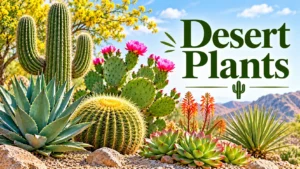
Most of us think of deserts as empty, lifeless stretches of sand. Then the winter rains arrive, poppies roll across the ground in orange waves, and a saguaro stands in bloom against a huge sky. Desert plants are among the most diverse, sculptural and quietly dramatic plants on Earth, and the barren-wasteland idea could not be further from the truth.
Their popularity is climbing fast, and it is easy to see why. Hotter summers, water restrictions and a growing love of low-maintenance gardening have pushed xeriscaping into the mainstream. Drought tolerant plants have gone from niche curiosity to everyday essential.
This guide covers what makes these plants tick, the best varieties for gardens and windowsills, which ones flower, and the simple habits that keep them happy.
What Are Desert Plants?
A desert plant is any plant adapted to survive in arid or semi-arid environments. That means very little rainfall, scorching heat and soil that is often sandy, rocky and low in nutrients.
Not every desert is hot and golden, either. Cold deserts such as the Great Basin see freezing winters, and coastal deserts get most of their moisture from fog. The plants that live in each have evolved their own clever tricks, which is exactly why the group is so varied.
There is something deeply satisfying about a plant that asks almost nothing from you and gives back so much. Desert plants are the ultimate testament to nature’s resilience, and the way they pull it off is genuinely fascinating.
How They Survive
- Water storage: Succulents hold water in thick leaves, stems or roots, like a built-in reservoir for the dry months.
- Reduced leaves: Small, waxy or spine-like leaves lose far less moisture to the sun and wind. Spines also provide a little shade and deter thirsty animals.
- Deep or wide root systems: Some plants tap water metres below the surface. Others spread a shallow web of roots to catch every drop of a brief shower.
- CAM photosynthesis: Many open their pores only at night, when the air is cooler, so they lose almost no water during the day.
- Dormancy: In extreme drought, some plants shut down completely, then revive within days of rain.
The Three Main Types
- Succulents: These store water in fleshy tissue. Aloe, agave, haworthia and echeveria are the classic examples, and gardeners often group them as desert succulents.
- Cacti: These are modified succulents whose stems do the water storage, with leaves reduced to spines. Think saguaro, prickly pear and barrel cactus. Our complete Cactus Plants guide covers the best varieties, care tips and how to get them to bloom.
- Drought-tolerant shrubs and trees: Deep-rooted woody plants such as mesquite, Joshua tree, desert willow and palo verde.
Most Popular Desert Plants for Gardens
If you are building a list of desert plants names to hunt for at the nursery, these ten are a wonderful starting point. Some suit almost any sunny garden, while others need serious heat. I have flagged which is which.
1. Saguaro Cactus (Carnegiea gigantea)
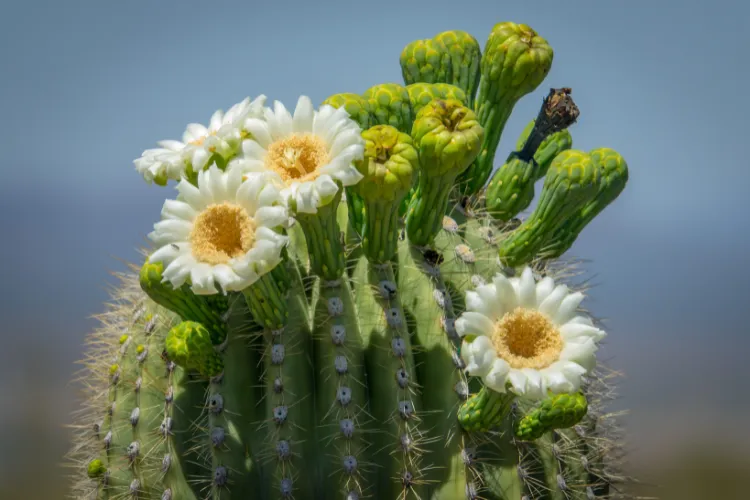
The saguaro is the symbol of the Sonoran Desert, and nothing else looks quite like it.
- Grows 12 to 15 metres tall over 150 years or more
- White flowers appear in May and June, followed by red, edible fruit
- Native to Arizona, California and Mexico
- Garden use: an architectural statement plant that needs lots of space and a frost-free climate
- Not suitable for the UK or other cold climates
2. Aloe Vera (Aloe barbadensis miller)
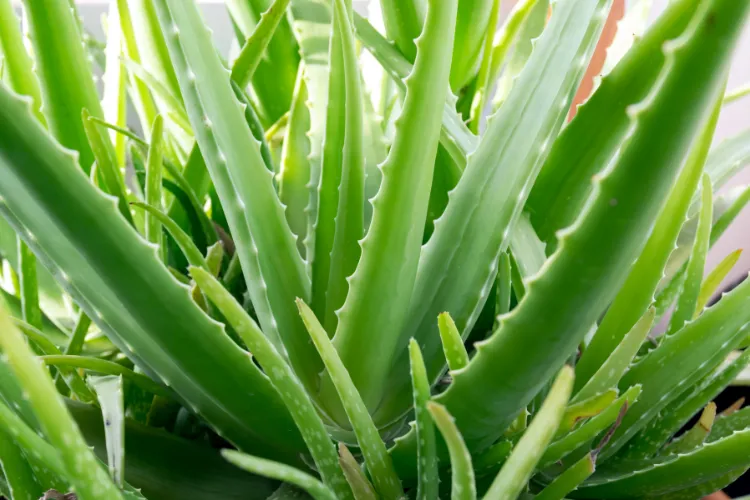
Few plants earn their place as well as aloe. It stores both water and soothing gel in thick, fleshy leaves.
- Yellow-orange flower spikes in summer
- Very easy to grow indoors, and outdoors in mild climates
- Widely used in skincare, first aid and cooking
Our Aloe Vera guide covers everything from care to its many medicinal and beauty uses.
3. Prickly Pear Cactus (Opuntia species)
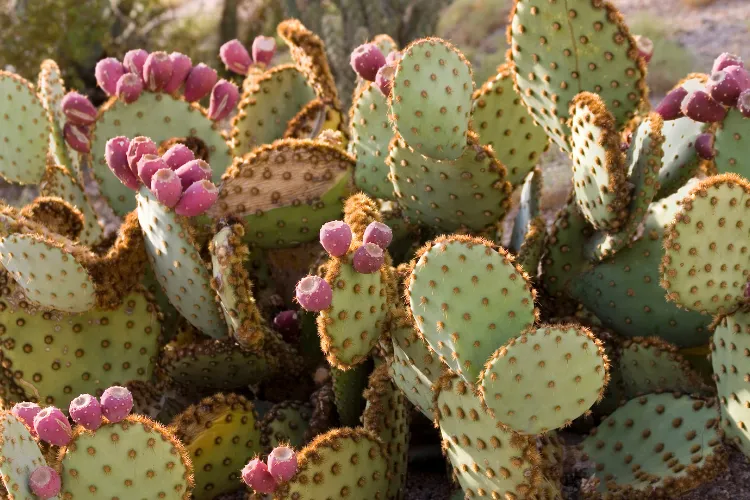
- Flat, paddle-shaped stems with spectacular yellow, pink or red flowers
- Edible pads (nopales) and fruit (tuna), a food crop across Mexico and the Mediterranean
- Very hardy, and some species survive UK winters
- Superb in sunny, well-drained spots
4. Agave (Agave species)
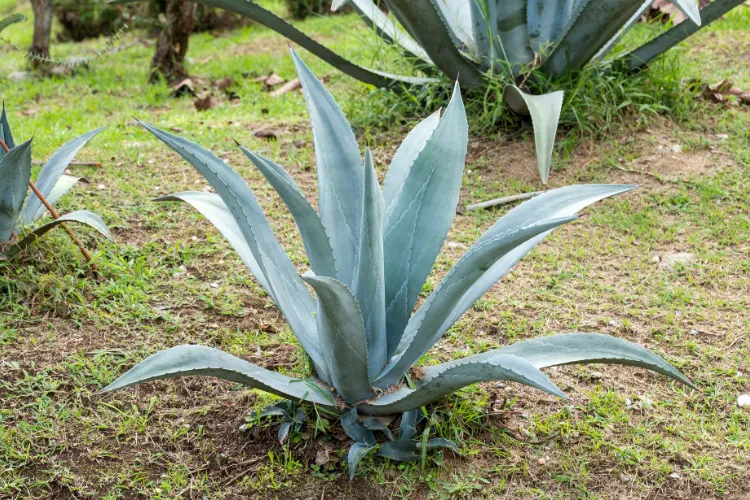
Agaves are bold, architectural rosettes and some of the most dramatic plants you can put in a gravel garden.
- Monocarpic: flowers once after 10 to 30 years, then dies, but produces offsets (pups) first
- Agave americana has blue-grey leaves and reaches 2 metres or more
- Agave attenuata has softer leaves and no terminal spine, so it is much safer for family gardens
- Wonderful in Mediterranean-style borders
5. Joshua Tree (Yucca brevifolia)
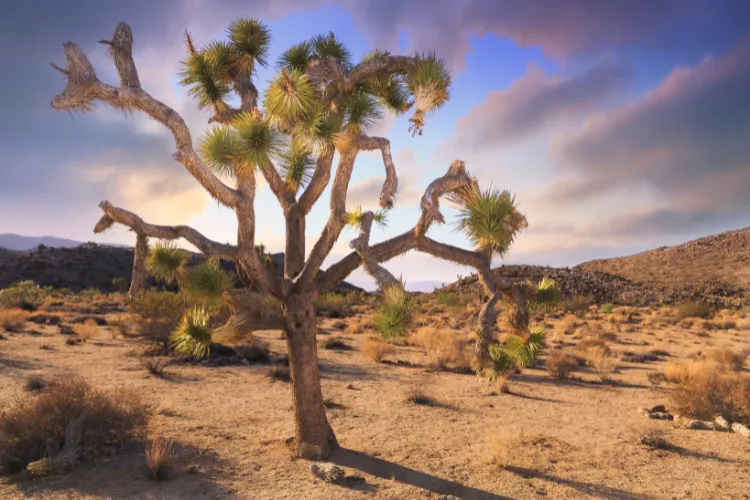
The Joshua tree is the Mojave Desert’s most otherworldly silhouette. It is fussy outside its home range, but its relatives are not.
- Yucca gloriosa and Yucca filamentosa are hardy to around -15°C
- Both make excellent garden plants across the UK and Europe
- Dramatic white flower spikes in summer
6. Desert Rose (Adenium obesum)
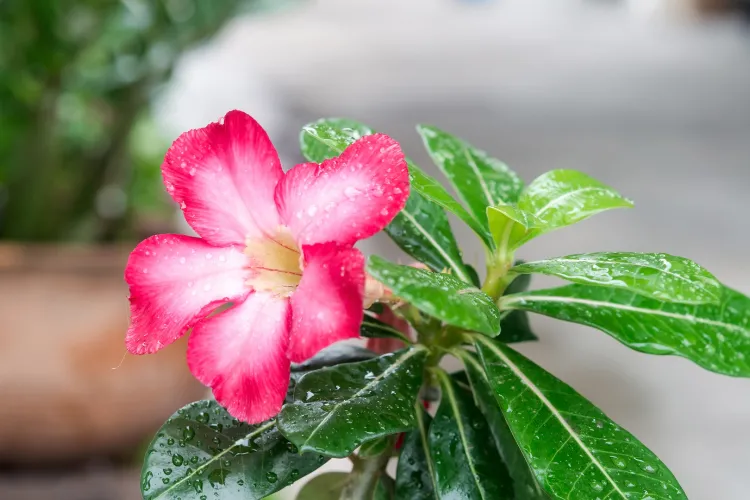
- One of the most beautiful flowering desert plants, with a swollen base (caudex) and glossy leaves
- Vivid pink or red trumpet flowers
- Not cold hardy, so it is grown as a houseplant in cooler climates
- A popular bonsai subject
7. Barrel Cactus (Ferocactus species)
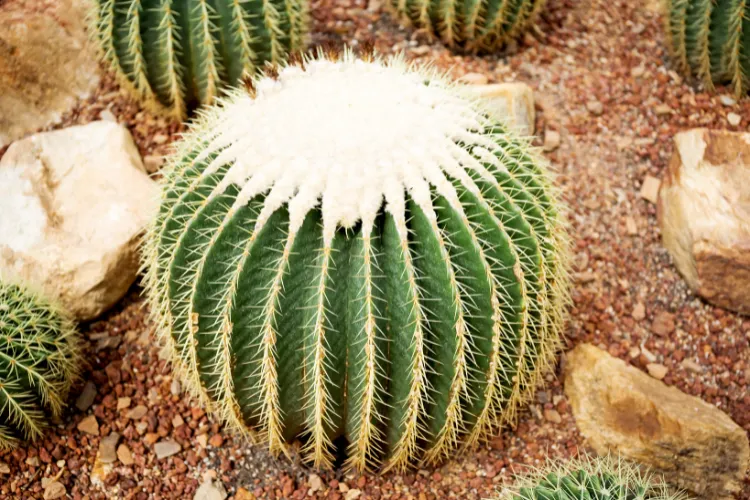
- The classic rounded cactus shape
- A ring of yellow, orange or red flowers crowns the top in summer
- Slow-growing but long-lived
- Excellent container plant, indoors or out, in frost-free climates
8. Mesquite Tree (Prosopis species)
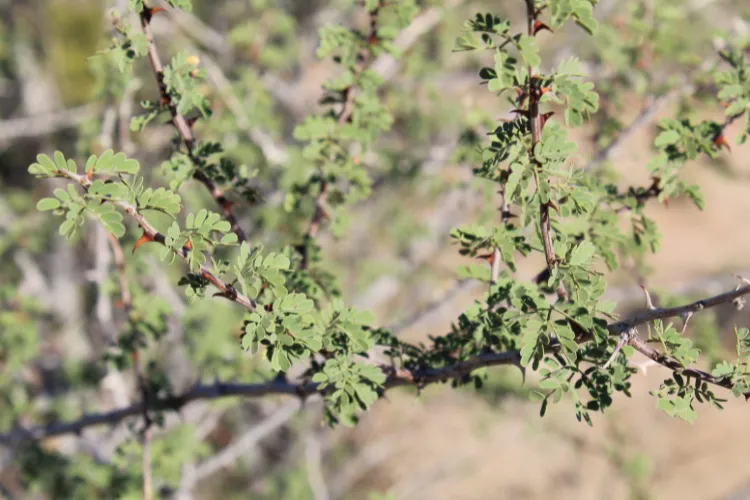
- A multi-armed tree with feathery foliage and sweet pods
- Nitrogen-fixing, so it actually improves poor desert soil
- Used for food, fuel and timber across the American Southwest and Africa
The mesquite tree is one of the most iconic and useful desert trees in the world. Our Mesquite Trees guide covers its history, uses and growing tips.
9. Ocotillo (Fouquieria splendens)
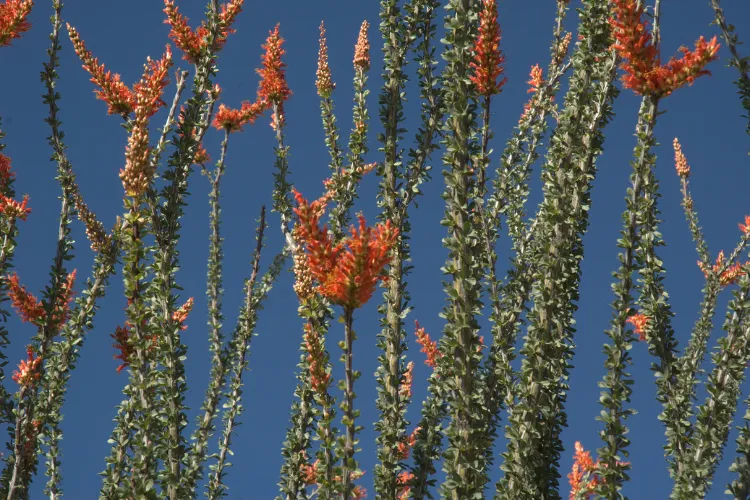
- Tall, spiny wands topped with vivid red-orange flowers
- Leafless for most of the year, then sprouts leaves within days of rain
- An extraordinary specimen plant for hot gardens
10. Desert Willow (Chilopsis linearis)
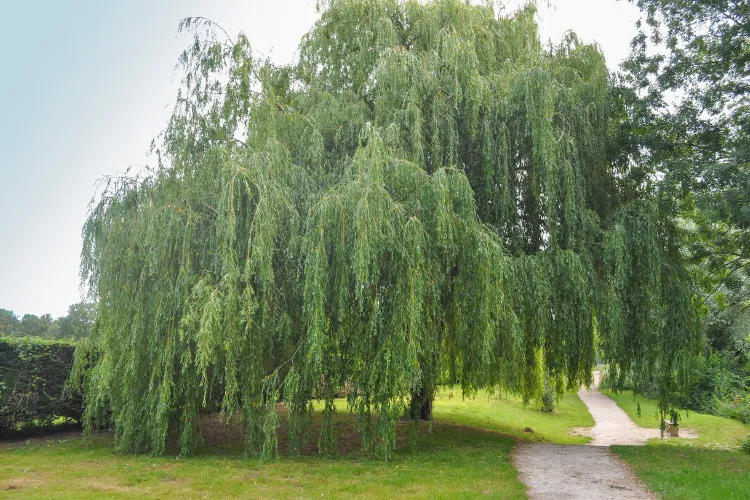
- Not a true willow, but a flowering tree with orchid-like pink and purple blooms all summer
- Extremely drought tolerant once established
- Attracts hummingbirds
- A lovely garden tree for hot, dry climates
If you are weighing up low water desert plants for a real project, the yuccas, agaves and prickly pears are the safest bets in cooler regions. The saguaro, ocotillo and desert willow want proper heat.
Putting a Desert Garden Together
A few design habits make the biggest difference. Plant in groups of three or five rather than singly, so the shapes echo one another. Mix spiky rosettes with softer, feathery foliage for contrast, and finish beds with a thick layer of gravel, which keeps moisture off the crowns and suppresses weeds.
Raised beds and gentle slopes are your friends, because they shed excess water. Many drought tolerant plants fail in cool climates for one reason only: wet feet in winter. Fix the drainage and half the battle is won.
Best Desert Plants for Indoor Growing
Many of these plants are some of the easiest and most forgiving houseplants around. They suit busy people and beginners perfectly, and indoor desert plants rarely complain about a missed watering. Here are my favourites.
A few ground rules apply to all of them. Choose pots with drainage holes, and consider terracotta, which breathes and dries out faster than plastic. Keep plants away from cold glass on winter nights, and turn pots a quarter turn every week or two so growth stays even.
Aloe Vera
- Near-indestructible
- Bright, indirect light
- Water every 2 to 3 weeks, and less in winter
- The gel is handy for minor burns and skin irritation
Echeveria
- A rosette-forming succulent in an enormous range of colours and textures
- Perfect for windowsills, where bright light is essential
- Water about every 2 weeks in summer and once a month in winter
Haworthia
- Small, tough and shade-tolerant, one of the few that copes with lower light
- Ideal for office desks and north-facing windowsills
Mammillaria Cactus
- A small, clustering cactus and one of the most popular indoor cacti
- Rings of tiny pink, white or yellow flowers in spring and summer
- Bright light, sparing water and almost no fuss
Snake Plant (Sansevieria)
- Native to the arid regions of West Africa, so it counts as a desert plant
- Tolerates low light, irregular watering and dry air
- Known for its air-purifying reputation
- A great first plant for beginners
The snake plant is one of the toughest desert-origin houseplants you can grow. Our Snake Plant guide covers care, varieties and why it thrives on neglect.
Dragon Fruit Plant (Pitaya)
- A climbing cactus with spectacular night-blooming flowers, followed by vivid dragon fruit
- Needs warm conditions and a climbing structure
Dragon fruit grows on a climbing cactus, which makes it one of the most spectacular plants you can grow at home. Our Dragon Fruit Plant guide covers everything you need to know.
Desert Plants That Flower: Surprising Blooms from Arid Plants
Many people assume nothing here flowers. The reality is the opposite, because desert plants that flower produce some of the most spectacular blooms in the plant world.
Cactus Flowers
Many cacti bloom in spring or summer, and the flowers are often huge compared with the plant.
- Colours range from vivid pink and yellow to orange, white and red
- Each bloom often lasts only a day or two, but the display is extraordinary
- The night-blooming cereus opens for a single night each year, one of nature’s most dramatic events
The moment a cactus blooms after months of sitting quietly in a pot, you understand why desert plant lovers are so devoted to them.
Desert Wildflower Season
In Arizona and California, the desert transforms after winter rains into carpets of poppies, lupins and desert sunflowers. The Antelope Valley Poppy Reserve in California is one of the world’s great wildflower spectacles.
Flowering Picks for Your Garden
- Desert rose (Adenium): vivid pink or red flowers for much of the year
- Prickly pear: large yellow or pink blooms
- Desert willow: orchid-like flowers all summer
- Red hot poker (Kniphofia): drought-tolerant, with striking orange-red spikes
How to Care for Desert Plants
Good desert plants care comes down to one idea: copy the desert. Give them sun, sharp drainage and long gaps between drinks.
Watering
Less is always more. Overwatering is the number one killer here, because root rot from waterlogged soil kills far more cacti and succulents than drought ever could.
- Spring and summer: water only when the soil is completely dry, roughly every 2 to 3 weeks
- Winter dormancy: once a month or less, since many plants need almost nothing
- In pots: make sure the soil is bone dry before watering again
- The lift test: if the pot feels light, it needs water. If it feels heavy, wait longer
Soil
Drainage is essential. Use a cactus or succulent compost, or mix standard compost 50/50 with perlite or grit. Avoid heavy, peat-rich mixes that hold water. In garden beds, work in grit or sand before planting.
Light
Most need maximum light. Outdoors, choose full sun in a south or west-facing spot. Indoors, use the brightest windowsill you have, with south-facing ideal. Grow lights help through dark winters.
Temperature
Most prefer warmth, and many are not frost hardy, so bring them indoors before the first frost. There are surprising exceptions: some opuntia, yucca and agave species shrug off real cold.
Repotting and Common Mistakes
Most grow slowly, so repot only every two or three years, in spring, into a pot just one size larger. Wait a week after repotting before watering, which gives damaged roots time to heal.
Three mistakes show up again and again: watering on a fixed schedule regardless of the season, using a pot with no drainage, and moving a sun-loving plant straight into harsh midday light. Introduce them to stronger sun gradually over a couple of weeks, or the leaves will scorch and mark permanently.
Feeding
Go light. These plants evolved in nutrient-poor soil. Feed with a diluted cactus fertiliser once a month during the growing season only, and never in autumn or winter.
Final Thoughts
Desert plants represent a perfect marriage of beauty and resilience. They flower against the odds, store rain for months and look striking while doing it. Growing them teaches a quiet lesson about thriving with less.
Start small. A windowsill cactus or a single agave in a gravel bed is enough to get hooked, and desert plants reward patience and minimal fuss in a way that few other plants can match.
For more plant and garden guides, explore everything at PlantStyleHome.