If I had to keep only three houseplants for the rest of my life, the snake plant would be on the list without a second of hesitation. It is the most versatile houseplant ever created. It shrugs off missed waterings, tolerates almost any light, and stands tall with the kind of sculptural beauty that makes a room look styled even when you haven’t tried.
Snake plant was the plant that made me realise I actually could keep plants alive. After a long trail of sad, crispy casualties, one forgotten Sansevieria on a dim shelf kept growing for months while I did absolutely nothing right. That quiet confidence is what I want every reader to feel.
It is also a genuine air purifying legend, a favourite of designers, and a plant that looks as good in a bathroom as it does in a bedroom. I have snake plants in every room of my house, and they just work everywhere.
At Plant Style Home we help you grow the most beautiful and rewarding plants, and you can explore our complete plant and flower guides there. This guide covers everything about snake plant care, from the best varieties to propagation and problem solving.
What is a Snake Plant?
The snake plant has a botanical name that recently changed. For decades it was known as Sansevieria trifasciata. In 2017, botanists reclassified the whole Sansevieria genus into the genus Dracaena after DNA studies showed they were close relatives. So the correct name today is Dracaena trifasciata.
Don’t worry if your plant tag still says Sansevieria. Nurseries, growers and plant lovers still use both names, and I use them interchangeably in this guide. It is the same plant.
Snake plant goes by many common names:
- Snake plant
- Mother-in-law’s tongue
- Saint George’s sword
- Viper’s bowstring hemp
It is native to West Africa, where it grows in tropical dry forests and rocky, arid ground. That origin explains almost everything about its behaviour. It stores water in thick leaves, copes with erratic rainfall, and doesn’t mind shade under taller vegetation.
The name comes from the leaf pattern. Those wavy bands of dark and light green look remarkably like snakeskin.
Size varies hugely by variety. Dwarf forms stay under a foot tall, while the classic upright types can reach up to 4 feet (about 1.2 metres) indoors given time and decent light.
Pet warning: snake plant is toxic to cats and dogs. The leaves contain saponins, which can cause nausea, vomiting, drooling and diarrhoea if chewed or swallowed. The effects are usually mild to moderate, but keep the plant out of reach of curious pets. If your pet eats some, contact your vet.
It is also worth keeping out of reach of toddlers, who put everything in their mouths.
Types of Snake Plant
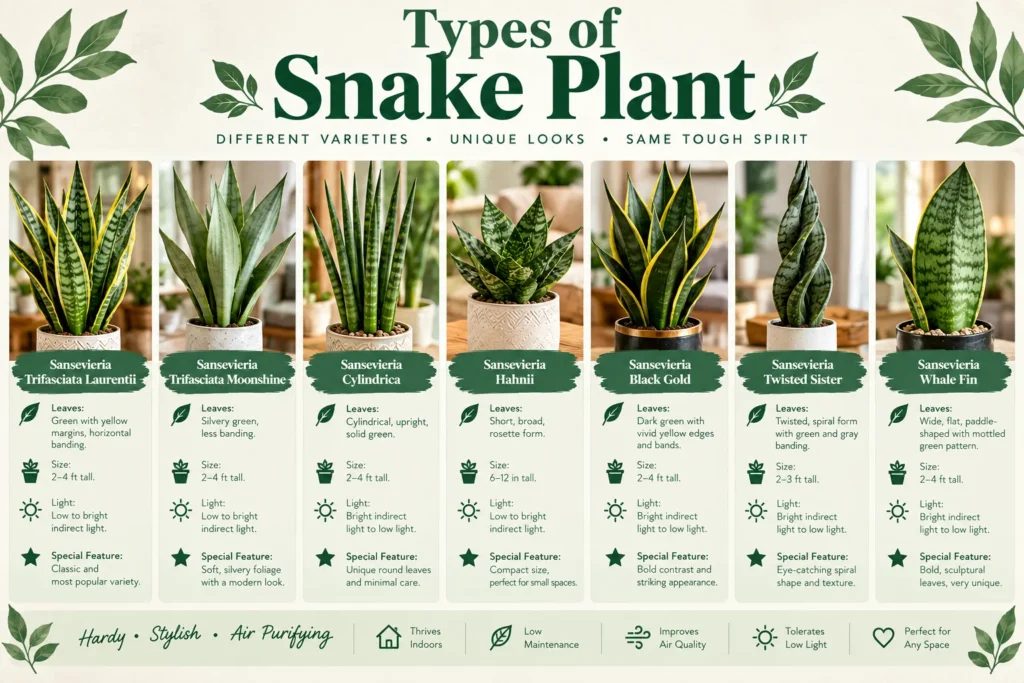
There are well over 70 species and hundreds of cultivars. Here are the ones I recommend most, with honest notes on each.
Sansevieria Trifasciata Laurentii
This is the classic and the most popular variety. Tall, upright, sword-shaped leaves with bold yellow edges give it that architectural form people recognise instantly.
It is tough, widely available and affordable. If you are buying your first snake plant, this is a brilliant starting point.
Sansevieria Trifasciata Moonshine
Moonshine is one of my favourites. The leaves are a soft silvery grey-green, wider than Laurentii, and the plant looks elegant and thoroughly modern.
It suits minimalist interiors perfectly. Keep it out of harsh direct sun, because the pale leaves can darken in very low light and scorch in strong sun.
Sansevieria Cylindrica
Cylindrica has round, spear-like leaves that fan out from the base. Many nurseries sell braided versions, which look wonderfully sculptural on a sideboard or entryway table.
It grows a little more slowly than the flat-leaf types, and it is very architectural.
Sansevieria Hahnii
Also called the bird’s nest snake plant, Hahnii forms a low, compact rosette of broad leaves. It rarely grows beyond about 6 to 8 inches tall.
That makes it ideal for small spaces, shelves and desks. It is the one I recommend to anyone short on room.
Sansevieria Black Gold
Black Gold is dramatic and bold. The leaves are a deep green that looks almost black, edged with golden yellow.
It stands tall and makes a striking statement, especially against pale walls.
Sansevieria Twisted Sister
This one is compact and a bit unusual. The leaves twist as they grow and carry yellow edges, so every plant ends up looking slightly different.
It is a fun, quirky choice for a tabletop or windowsill.
Sansevieria Whale Fin
Whale Fin produces a single enormous paddle-shaped leaf, sometimes with a second or third as it matures. It is rare, slow growing and expensive.
This is a true collector’s plant. If you come across one at a fair price, it is a real treasure.
Which variety for which situation
- Beginners: Laurentii
- Modern, minimalist spaces: Moonshine
- Small desks and shelves: Hahnii
- Sculptural statements: Cylindrica or Black Gold
- Quirky character: Twisted Sister
- Collectors: Whale Fin
Snake Plant Care Guide
Good news: snake plant care barely deserves the word “care”. Get light, water and soil roughly right and the plant takes care of itself. Here are the details.
Light Requirements
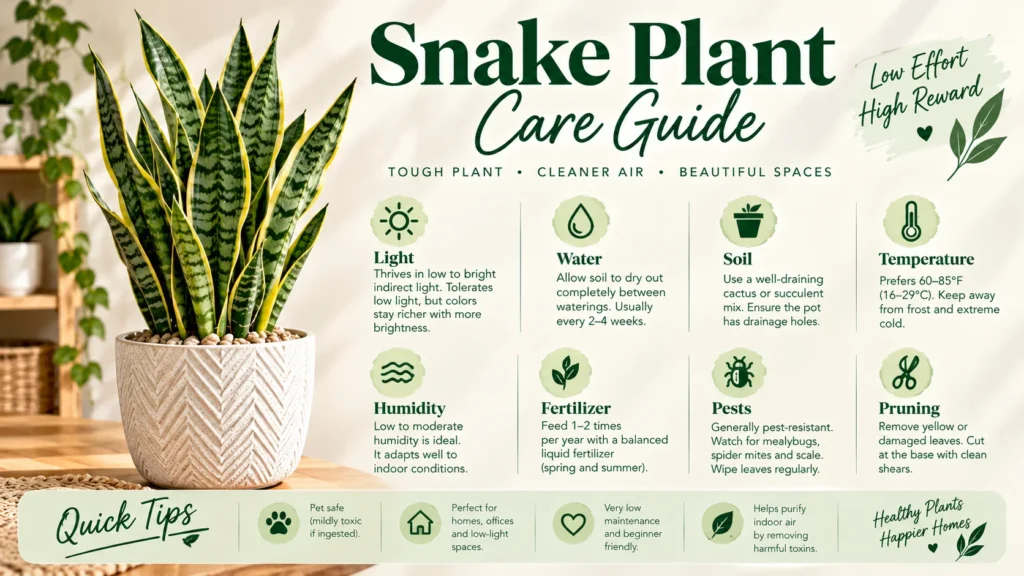
When it comes to snake plant light requirements, this is the most adaptable plant I know. It survives in low light better than almost anything else you can buy.
Here is how light affects it:
- Bright indirect light gives the best, fastest growth.
- Low light is tolerated happily, but growth is slower.
- Variegated types such as Laurentii need more light to keep their yellow edges bold.
- Direct midday sun can scorch the leaves, especially if the plant has been in the shade.
A north-facing room is fine. Place the plant within a few feet of the window and it will grow steadily, if slowly. In a gloomy corner, move it toward the light in the warmer months if you can.
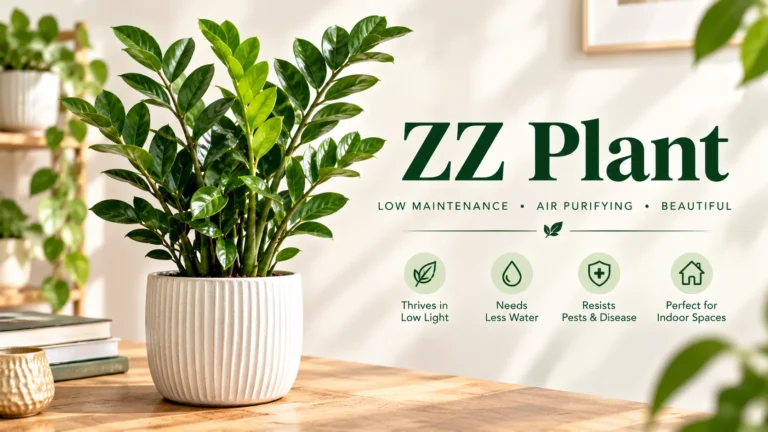
Snake plant and ZZ plant are the ultimate low light duo, and our complete guide on ZZ Plant covers the other great survivor plant for dark corners.
Watering Snake Plant
This is the most critical section of the guide. Snake plant watering comes down to one rule: let the soil dry out completely between waterings.
Sansevieria is a drought-tolerant succulent. Overwatering is the only real way to kill it, and I have seen it happen far more often than any other cause.
Snake plant is a succulent like aloe vera, and our complete guide on Aloe Vera covers another incredible low-maintenance succulent plant.
Use these seasonal guidelines:
- Summer (active growth): water roughly every 2 to 6 weeks, depending on light, pot size and warmth.
- Winter: once a month or even less.
Always check the soil first. Push a finger or a wooden skewer deep into the pot. If there is any dampness, wait.
Bottom watering works very well. Stand the pot in a few inches of water for 20 to 30 minutes, then let it drain fully. It keeps water away from the crown, where rot often starts.
Signs of overwatering:
- Yellowing, soft or mushy leaves
- Leaves collapsing at the base
- A sour smell from the soil
Signs of underwatering:
- Wrinkled, slightly curled leaves
- Dry, crispy brown tips
- Soil pulling away from the pot edges
An underwatered plant recovers quickly after a good soak. A rotted one is a much harder rescue.
Soil Requirements
A well-draining mix is essential. A cactus or succulent mix is ideal. For extra drainage, add a handful of perlite or coarse sand.
Never use regular potting mix alone. It holds too much moisture for too long and sets the stage for rot.
Your pot must have drainage holes. No exceptions.
On terracotta versus plastic, I prefer terracotta. The clay is porous and lets soil dry faster, which gives you a wider margin for error. Plastic works too, but you must water more carefully.
Temperature & Humidity
These plants are very adaptable. They thrive between 55 and 85°F (13 to 29°C) and are perfectly happy in normal room conditions.
Dry air doesn’t bother them at all. They are happy in centrally heated homes where other plants sulk.
What they don’t like is cold. Keep them above 50°F (10°C), and never expose them to frost. Move plants away from chilly windowsills and draughty doors in winter.
Fertilizing Snake Plant
Snake plant needs very little feeding. Once or twice during summer is plenty.
Use a balanced fertilizer at half strength. Skip it in winter completely, when the plant is resting.
Over-fertilizing is a common mistake and causes brown tips and salt build-up in the soil. When in doubt, leave it out.
Snake Plant Benefits
Beyond looking gorgeous, there are real reasons to love this plant. I’ll be honest about the science, because some claims online get overblown.
Air Purifying Properties
The famous NASA Clean Air Study from 1989 tested common houseplants and found that Sansevieria could help remove airborne toxins such as formaldehyde, benzene, xylene, toluene and trichloroethylene.
Here is the honest caveat. The study was done in sealed chambers, and later research suggests you would need a lot of plants to make a significant difference in a normal, ventilated home.
Still, any extra filtering is a worthwhile bonus, and plants make a space feel fresher and calmer anyway.
Oxygen at Night
Here is where it gets interesting. Most plants release oxygen during the day and take it in at night. Snake plant uses CAM photosynthesis, a water-saving process common in succulents. It opens its pores at night and releases oxygen after dark.
The effect is small in a single room, but the science behind it is genuine. It is one reason this plant is such a popular choice for the bedroom.
Low Maintenance Benefits
If you are busy, travel often or tend to forget things, this is your plant. It handles office life, long weekends and holiday absences with no fuss.
You can leave it for weeks and come back to a healthy plant. That reliability is a real gift to anyone new to plants.
Feng Shui Benefits
In feng shui, the upright, sword-like leaves are said to carry protective energy and attract good luck. The plant is often placed near entrances or in corners to guard a space.
Whether or not you follow feng shui, a tall snake plant in a corner does make a room feel anchored.
Mental Health Benefits
Studies on indoor plants have linked them to lower stress and better mood. This ties into biophilic design, the idea that we feel better when our spaces connect us with nature.
Caring for something living, even something as undemanding as this, also gives you a small daily ritual. I find that grounding.
Best Places for Snake Plant in Your Home
The bedroom snake plant debate is one I feel strongly about, and the science supports it. Here is where I use mine.
- Bedroom: Thanks to its night-time oxygen release, it is a natural fit. Pick something calm, like Moonshine.
- Bathroom: It tolerates low light and shifting humidity. A Laurentii on the floor near the tub looks wonderful.
- Office desk: Hahnii thrives on neglect, which suits a busy workday.
- Living room: This is the place for a statement variety. Black Gold or a tall Laurentii in a handsome pot works beautifully.
- Hallway: It tolerates those dark spots where other plants give up.
- Kitchen: It copes with humidity changes and the occasional temperature swing.
As a rule, use tall varieties for floor spots, compact ones for surfaces, and bolder colours where light is better.
It also looks stunning paired with trailing plants. Our complete guide on Pothos Plants covers the perfect companion for your collection.
Common Snake Plant Problems
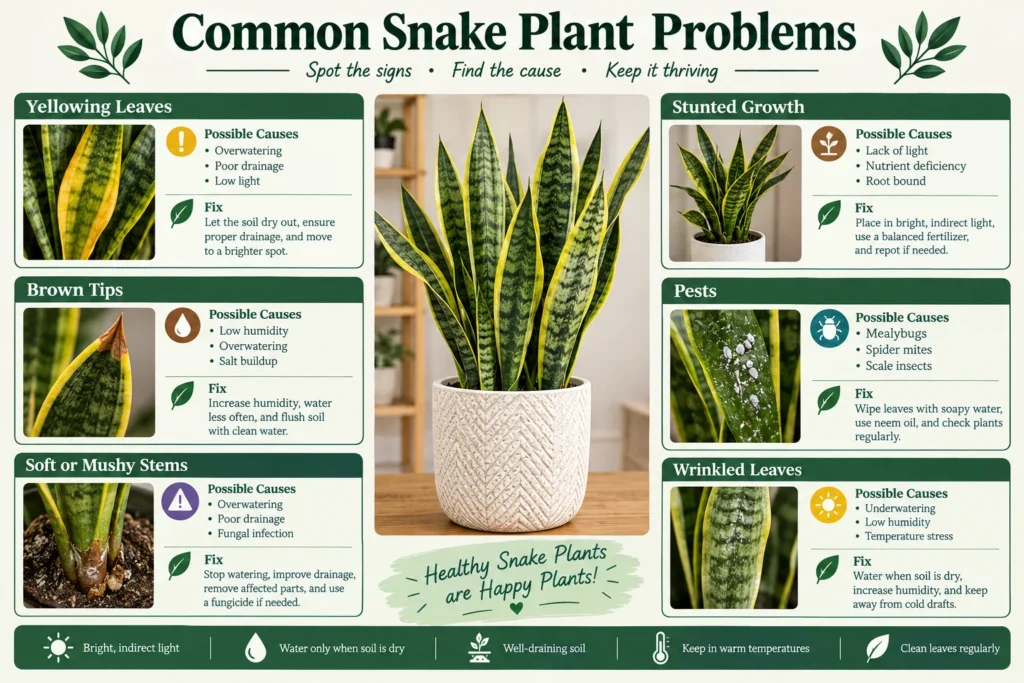
Even tough plants have off days. Here are the problems I see most, with clear fixes.
Snake Plant Yellow Leaves
Snake plant yellow leaves are most often caused by overwatering. Soggy soil suffocates the roots, and the leaves turn yellow and soft.
Check the base. If you see brown, mushy, foul-smelling roots, that is root rot. Move to the rescue steps below.
Other causes include:
- Natural ageing: an occasional old outer leaf yellowing and dying is normal. Simply trim it off.
- Cold damage: yellow or translucent patches after a chilly night. Move the plant somewhere warmer and cut away damaged leaves.
The fix for overwatering is simple. Let the soil dry fully, water far less often, and check the pot has drainage.
Snake Plant Brown Tips
Brown tips usually point to one of a few things:
- Underwatering: the plant has been dry for too long.
- Very low humidity: rare, but possible in extreme cases.
- Fluoride in tap water: use filtered or rainwater if your tap water is heavily treated.
- Physical damage: knocks and bumps leave brown marks.
- Over-fertilizing: salt build-up burns the tips.
To tidy up, use clean, sharp scissors and cut at an angle to follow the leaf’s natural shape. Leave a very thin brown edge so you don’t cut into healthy tissue.
Snake Plant Mushy/Soft Leaves
Mushy leaves are the most serious problem. They signal root rot from overwatering, and you must act quickly.
How to save a rotting snake plant:
- Remove the plant from its pot and shake off the old soil.
- Rinse the roots and inspect them. Healthy roots are firm and pale. Rotten ones are brown, soft and smelly.
- Cut away every rotten root and any mushy part of the rhizome with a clean, sharp knife.
- Let the plant air dry for a day so the cuts callus.
- Repot in fresh, fast-draining succulent mix in a clean pot with drainage.
- Wait a week before watering, then water sparingly.
If the whole base is mush, take healthy leaf sections and propagate them instead. You can often save the plant that way.
Snake Plant Leaves Falling Over
Floppy leaves usually come from one of three causes:
- Overwatering: weakens the base. Let the soil dry and water less.
- Insufficient light: leaves stretch and flop. Move the plant closer to a window.
- Pot too big: extra soil holds extra moisture. Repot into a snugger pot.
Taller varieties may also lean naturally. A little support or a heavier pot helps.
Snake Plant Not Growing
If your plant looks static, don’t panic. Consider these:
- Winter dormancy: growth slows or stops in cooler months. This is completely normal.
- Low light: growth is slow in dim spots. Try a brighter position.
- Needs repotting: if the roots have filled the pot, growth may stall.
Common Pests
Pests are uncommon, but they happen.
- Mealybugs: white, cottony clusters that hide in leaf crevices. Dab with a cotton bud dipped in rubbing alcohol.
- Spider mites: tiny pests that leave fine webbing and speckled leaves. Wipe leaves and spray with insecticidal soap.
- Scale insects: small brown bumps on leaves. Scrape them off and treat with neem oil.
For prevention, wipe the leaves occasionally, inspect new plants before bringing them home, and avoid overwatering.
Snake Plant Propagation
Snake plant propagation is easy and deeply satisfying. Spring and summer are the best times to do it.
Division Method
Division is the fastest and most reliable method, and it is the only way to keep variegation.
- Remove the plant from its pot at repotting time.
- Look for natural clumps with their own roots.
- Gently separate or cut them apart.
- Pot each division in fresh succulent mix.
- Water lightly after a few days.
Leaf Cutting in Water
- Cut a healthy leaf at the base with a clean knife.
- Slice the leaf into sections of about 3 to 4 inches.
- Note which end is the bottom. Node orientation matters. If planted upside down, the cutting will not root.
- Let the cut ends callus for a day or two.
- Place the bottom end in an inch or two of water.
- Change the water weekly and wait for roots.
Leaf Cutting in Soil
The process is similar. After callusing, push the bottom end about an inch into slightly damp succulent mix. Keep the soil barely moist, never wet.
Important Warning
Variegated varieties lose their yellow edges from leaf cuttings. New plants grow back plain green. To keep the variegation, you must divide.
Timeline
Expect roots in 4 to 8 weeks, and new shoots can take several months. Patience is part of the charm.
Repotting Snake Plant
This plant rarely needs repotting. It actually likes to be snug, and a rootbound plant is more likely to flower.
Signs it needs repotting:
- Roots poking through the drainage holes
- Plastic pots cracking or bulging
- Soil drying out very fast
Choose a pot only 1 to 2 inches larger than the current one. Spring is the best time. Terracotta is preferred because it is heavy, breathable and stable for tall plants.
Step by step:
- Water lightly a few days before so the roots are not stressed.
- Slide the plant out and loosen the roots gently.
- Add a layer of succulent mix to the new pot.
- Set the plant at the same depth as before.
- Fill around the roots and press the soil lightly.
- Wait a week before watering.
Once you master snake plant why not add our guide on Monstera Plants, the statement plant that perfectly complements snake plant’s elegance.
Frequently Ask Questions
Every 2 to 6 weeks in summer and about once a month or less in winter. Always check that the soil is completely dry first.
Not long term. It tolerates very low light, but it still needs some light to survive. In a windowless room, use a grow light for several hours a day.
Yes. It contains saponins that can cause nausea, vomiting and drooling. Keep it out of reach of pets and call your vet if your pet chews on it.
The usual causes are overwatering, low light or a pot that is too big. Let the soil dry, move the plant closer to light and use a snugger pot.
Absolutely. It tolerates low light, needs little care and releases oxygen at night through CAM photosynthesis. Just keep it away from pets that might chew.
Use the division method. Separate a clump with its roots attached and repot it. Leaf cuttings from variegated types will grow back plain green.
Conclusion
I truly believe the snake plant is one of the best houseplants ever. It forgives mistakes, looks stunning and works in nearly every room of your home. Few plants give so much for so little.
Whether you choose a classic Laurentii, an elegant Moonshine or a tiny Hahnii, I hope you bring at least one home.