There is something almost rebellious about winter flowers. While the rest of the world sleeps under frost and grey skies, a handful of brave blooms push through frozen soil as if the cold never got the memo. Finding a snowdrop pushing through frozen ground is one of gardening’s greatest joys, and it never gets old, no matter how many winters you have gardened through.
Winter flowers are nature’s way of reminding us that beauty never truly disappears. It simply waits for the right moment, gathers its strength beneath the surface, and then rises when we need it most. My garden always has something blooming even in January, and that small patch of colour against white frost has taught me more about resilience than any other part of gardening.
If you have ever assumed your garden must go quiet from November to March, this guide will change your mind. We will walk through the best winter flowers for garden beds, pots, shade, fragrance, and wildlife, plus practical care tips so you can plan a garden that never truly sleeps. Gardeners who plant for winter are, in my experience, the most rewarded gardeners of all.
At Plant Style Home we help you grow beautiful flowers in every season, even the coldest months of the year. Winter follows autumn, so if you missed our guide on Fall Flowers, it is worth reading first to plan your garden’s smooth seasonal transition.
Why Winter Flowers Matter
Most people give up on their garden the moment autumn ends, and honestly, that is the biggest mistake a gardener can make. Winter is not empty. It is simply waiting to be noticed.
Here is what winter flowering plants actually bring to your garden and your life:
- Food for wildlife when it is scarce. Bees, hoverflies, and birds need nectar and berries long after summer blooms have faded.
- A genuine mental health boost. Studies on seasonal mood consistently show that colour and living plants during darker months reduce feelings of low mood and seasonal blues.
- Cut flowers for the home. A small vase of hellebores or winter jasmine on the kitchen table changes the entire feel of a January morning.
- Structure and interest. Evergreen shrubs and bare stems dotted with blooms keep a garden from looking abandoned.
There is a proven psychological lift that comes from spotting colour against grey backdrops. It is the same reason a single red robin against snow makes people smile. Flowers that bloom in winter give our brains a small, reliable dose of hope, delivered right on schedule, week after week, through the darkest months.
Best Winter Flowers: Complete List
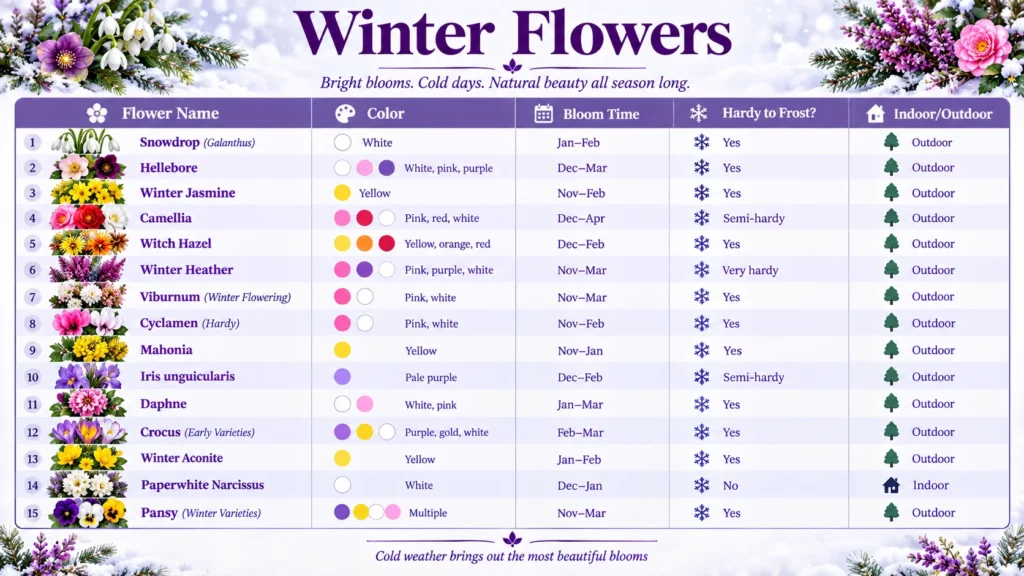
Before we go deep into individual plants, here is a quick overview table of the best winter flowers so you can scan and plan at a glance.
Top Winter Flowers: Detailed Guide
Now let us get into the heart of it. These are the winter flowers names every gardener should know, along with real care advice for each one.
Snowdrop (Galanthus)
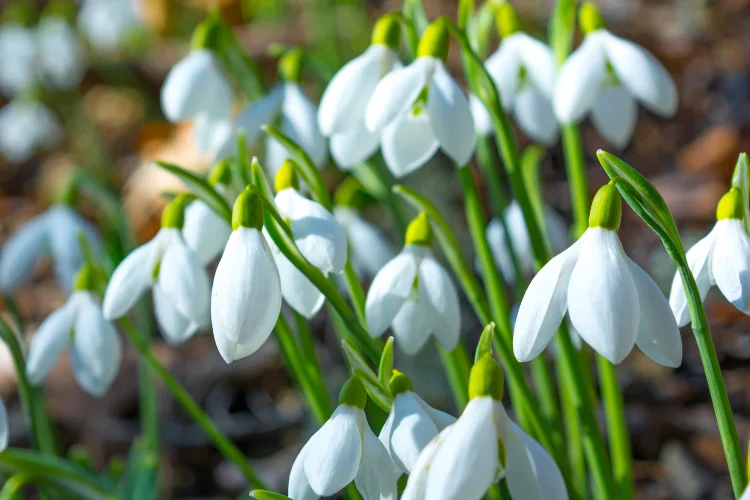
The snowdrop is often the very first flower of the new year, and there is a quiet magic in watching it push straight through snow and frozen soil without hesitation. It naturalises beautifully under trees and along borders when left undisturbed year after year. Plant bulbs “in the green” just after flowering for the best establishment rate. Give them dappled shade, moisture retentive soil, and patience. Few plants carry as much hope in such a small package, and since so many winter blooms share that same pure white colouring, our guide on White Flowers is a lovely place to find more inspiration for the rest of the year.
Hellebore (Christmas Rose)
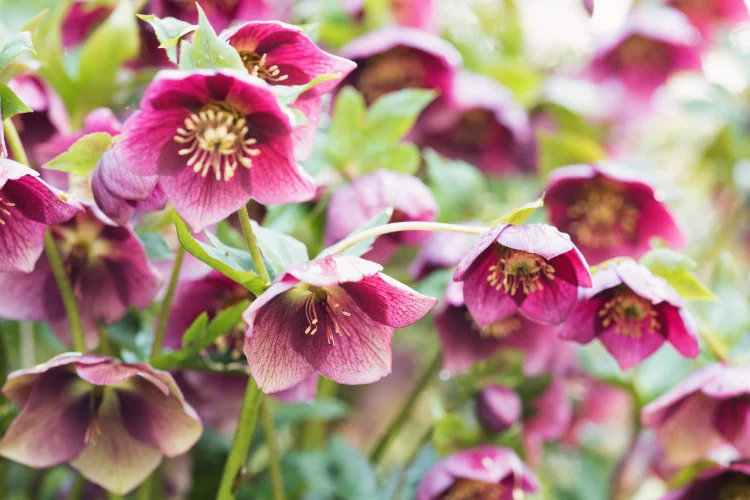
Hellebores nod their heads through the harshest frost, almost shy about their own beauty. They are a true star of shady winter gardens and, once established, live for decades with minimal fuss. Plant in humus rich, well drained soil under deciduous trees. Cut away old, tatty leaves in late autumn so new flowers are not hidden. Look for the marbled and speckled varieties for a truly stunning display.
Winter Jasmine (Jasminum nudiflorum)
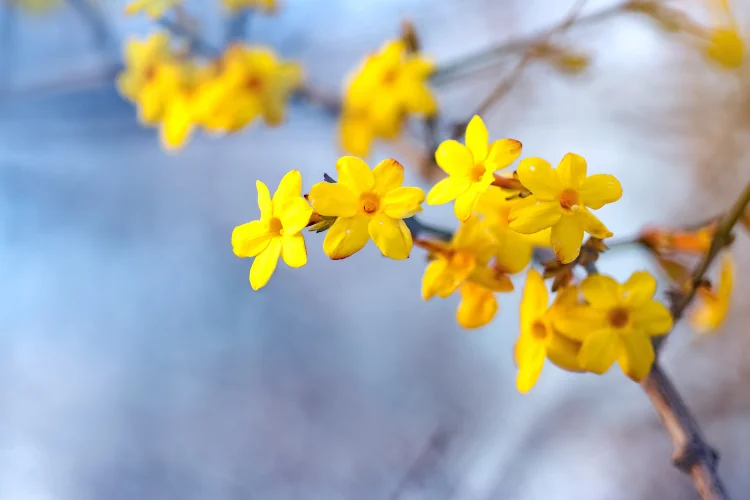
Winter jasmine covers its bare stems in cheerful yellow stars long before a single leaf appears. It needs no foliage at all to steal the show. Train it against a wall or fence for structure, and prune right after flowering to encourage next year’s blooms. It tolerates poor soil and neglect, making it one of the most forgiving hardy winter flowers you can grow. If you enjoy its cheerful character, our guide on Night Blooming Jasmine explores another magical jasmine variety worth adding to your garden.
Camellia
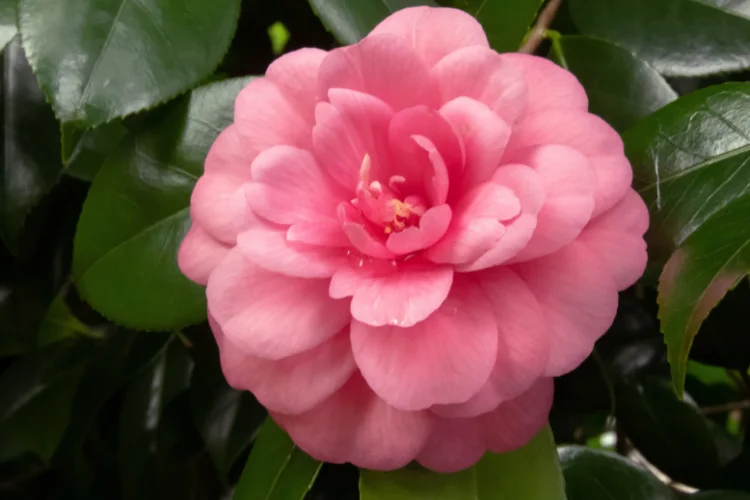
Glossy evergreen leaves alone would earn camellia a spot in the garden, but the stunning winter and spring blooms seal the deal. They need acidic, well drained soil and shelter from harsh morning sun, which can damage frosted buds. Mulch well and protect young plants during severe cold snaps. A camellia in full bloom against dark green foliage is one of the most photogenic sights in a winter garden.
Witch Hazel (Hamamelis)
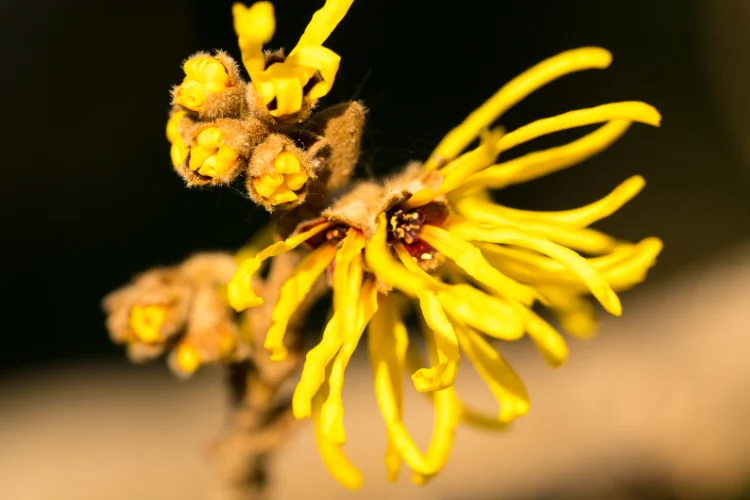
Spidery, fragrant flowers cling to completely bare branches, glowing orange, yellow, or red against grey skies. As a bonus, witch hazel offers gorgeous autumn foliage before it drops. Plant in moist, well drained soil with a little afternoon shade. This is a slow growing, long lived shrub that becomes more spectacular with every passing year.
Winter Heather (Erica)
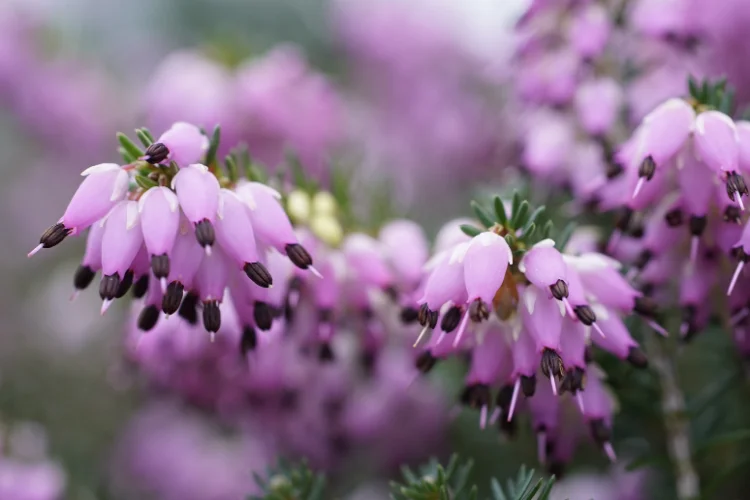
Few plants offer as reliable a carpet of colour as winter heather. It is remarkably hardy, thrives in poor soil, and bees absolutely love it on any mild winter day. Choose varieties in shades of pink, purple, and white for a layered ground cover effect. Trim lightly after flowering to keep plants compact and bushy.
Viburnum (Winter Flowering)
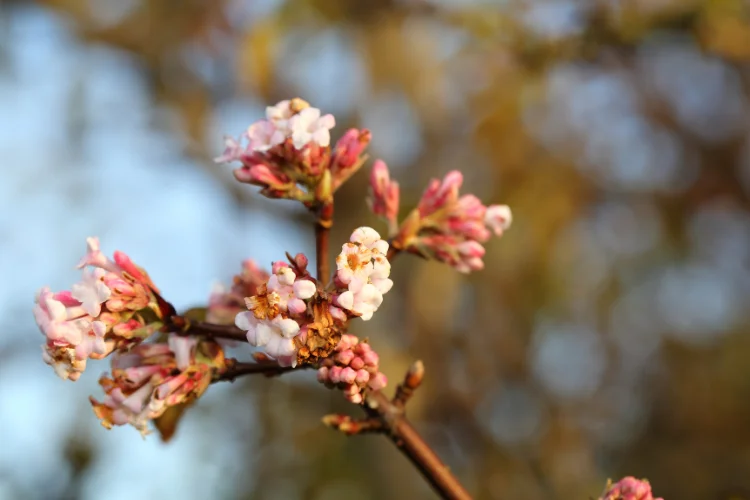
Fragrant clusters of white and pink flowers appear on Viburnum bodnantense and Viburnum farreri through the coldest months. These shrubs offer one of the longest flowering seasons on this list, often starting in November and continuing into spring. Plant in full sun to part shade and any reasonable garden soil. The scent alone is worth the space.
Cyclamen (Hardy)
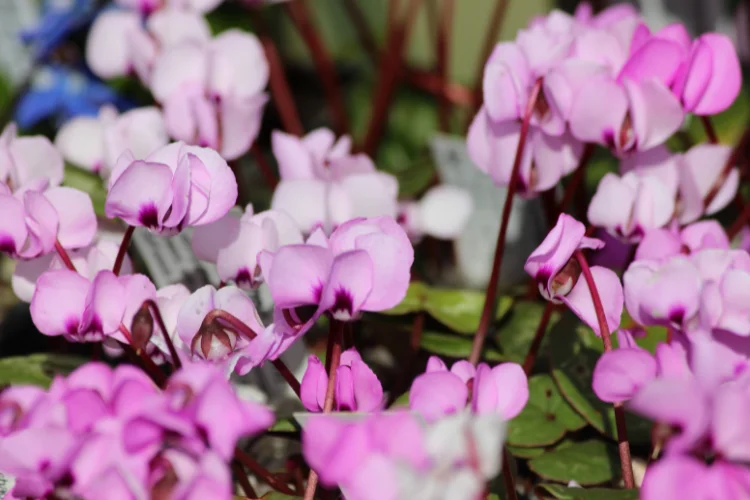
Hardy cyclamen produce delicate, swept back petals above beautifully marbled leaves, forming a low growing carpet under trees and shrubs. They are tougher than they look and return reliably year after year once settled. Plant tubers shallowly in well drained soil with light shade. This is one of the best winter flowers for pots and containers near a doorway.
Mahonia
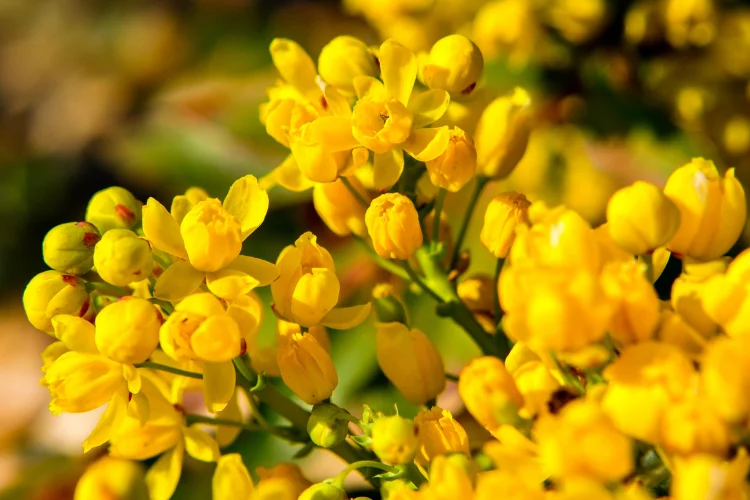
Architectural and evergreen, mahonia brings structure to a winter garden even before it flowers. Its spikes of scented yellow flowers are a magnet for early bees and other pollinators. Plant in sun or shade, and prune only to control size after flowering. Few shrubs work as hard for wildlife value during the leanest months.
Iris unguicularis
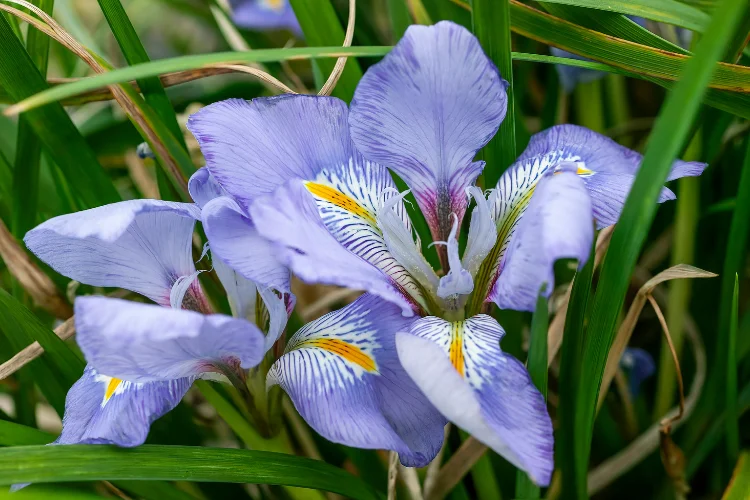
Also known as the winter iris, this Mediterranean native produces pale purple, fragrant flowers when little else dares to bloom. It thrives in poor, dry soil against a warm, sheltered wall, which mimics its native rocky hillsides. This is an unusual beauty that rewards gardeners willing to give it the right conditions.
Daphne
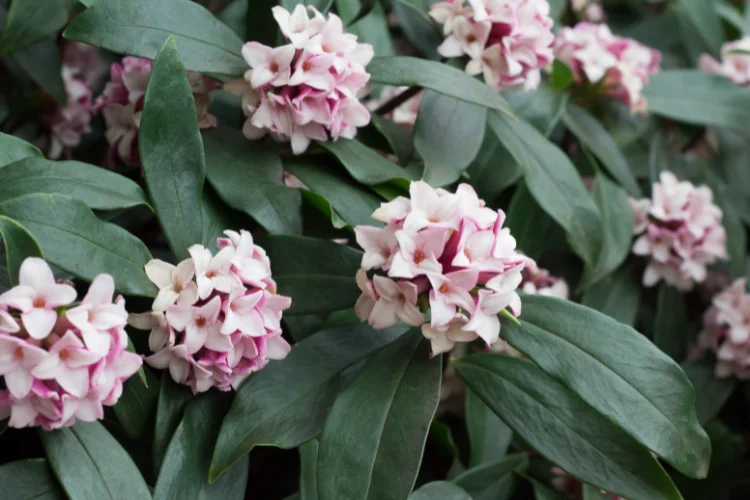
Daphne is small in stature but intensely, unmistakably fragrant. A single shrub can perfume an entire garden path on a still winter day. It is slow growing and can be fussy about being moved, so choose its spot carefully the first time. Plant in well drained soil with cool roots and a sunny top. Every gardener who grows daphne insists it is worth every penny.
Crocus (Early Varieties)
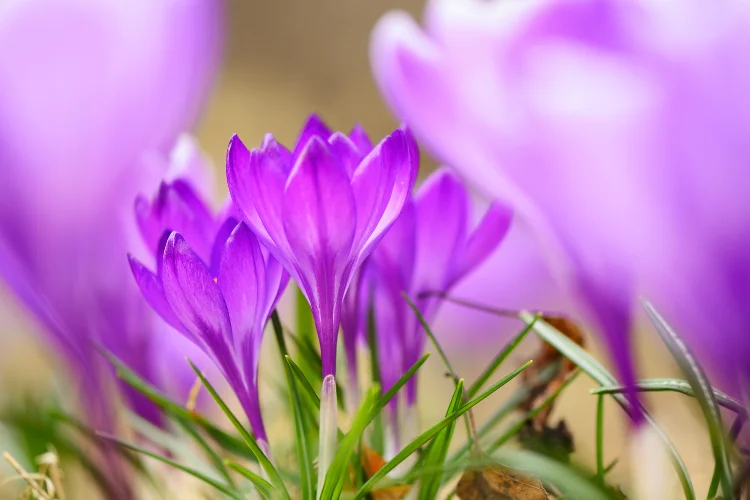
Crocus flowers in purple, gold, and white are often the first real signal that spring is on its way, even though many varieties bloom while frost still lingers. They naturalise wonderfully in lawns and borders when planted in generous drifts. Wildlife, especially early bees, rely heavily on these small but mighty blooms.
Winter Aconite (Eranthis)
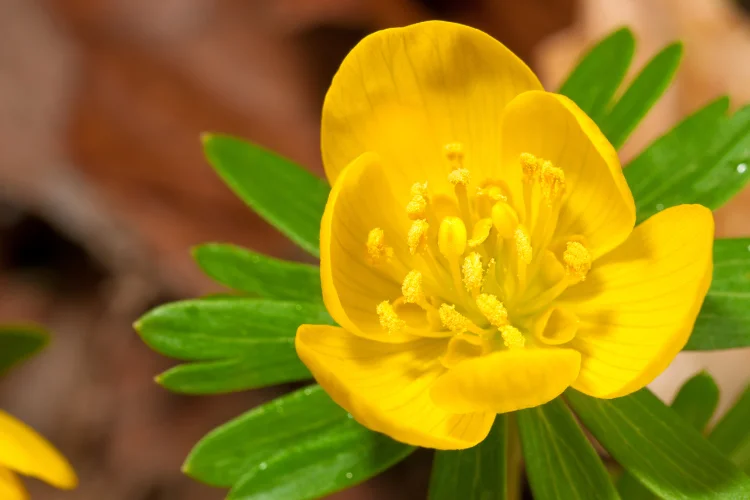
Winter aconite produces bright yellow, buttercup like flowers that carpet the ground beneath deciduous trees. It is one of the very earliest bloomers, often appearing alongside snowdrops. Once established, it naturalises freely and returns thicker every year. Plant tubers in autumn in moist, humus rich soil for best results.
Paperwhite Narcissus
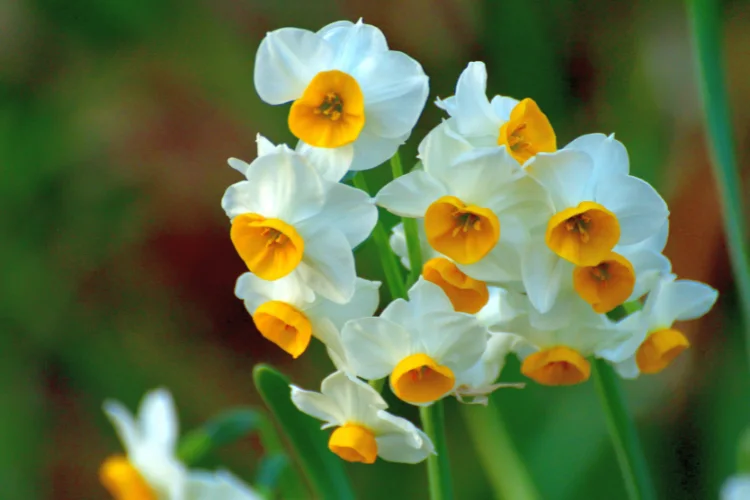
For winter flowers indoors, paperwhite narcissus is hard to beat. These fragrant white clusters can be forced into bloom in just a few weeks, making them a popular Christmas gift and a lovely way to bring winter cheer inside. Grow in shallow water with pebbles or in bulb fibre, and place somewhere bright but cool to keep stems sturdy. Narcissus is also a December birth flower, so our guide on the December Birth Flower is worth a look if you are choosing a meaningful winter gift.
Pansy (Winter Varieties)
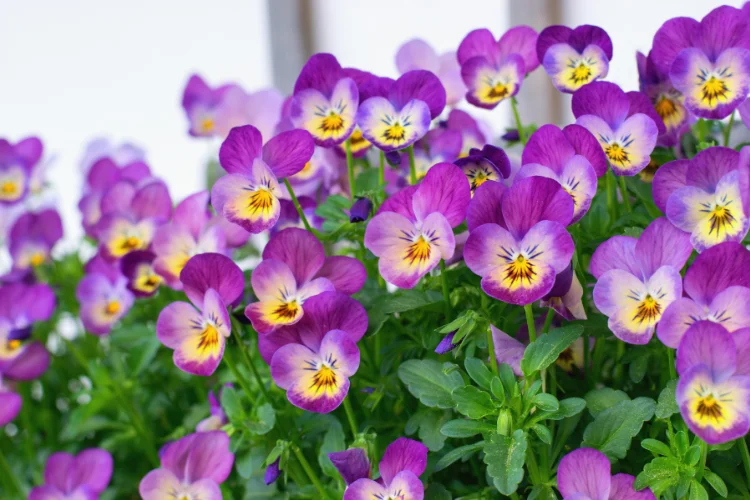
Winter pansies are the cheerful workhorses of container gardening. They are surprisingly frost hardy and will flower on and off through the entire cold season, even bouncing back after a hard freeze. Deadhead regularly and feed monthly for the longest possible display in pots by the front door.
Winter Flowers by Month
Planning around the calendar makes winter gardening feel far less overwhelming. Here is a simple, scannable breakdown.
December winter flowers
- Camellia
- Hellebore
- Holly
- Paperwhite narcissus
- Winter jasmine
January winter flowers
- Snowdrop
- Winter aconite
- Hellebore
- Iris unguicularis
February winter flowers
- Snowdrop
- Crocus
- Daphne
- Early camellia
- Winter heather
Winter Flowers for Different Situations
Every garden is different, so here are winter flowers matched to specific needs and spaces.
Best winter flowers for pots and containers Pansies, hardy cyclamen, and dwarf hellebores all thrive in containers by doors and on patios, bringing colour exactly where you will see it every day.
Shady corners need not stay bare Hellebores, mahonia, and hardy cyclamen all flower happily beneath deciduous trees where summer shade turns to winter light.
For fragrance that carries across the garden Daphne, witch hazel, and winter flowering viburnum offer scent so strong it reaches you from several metres away on a still day.
Wildlife depends on a few key bloomers Mahonia, winter heather, and crocus provide crucial early nectar for bees emerging on mild winter afternoons.
A handful of blooms cut beautifully for the home Hellebores, witch hazel, and winter jasmine all bring indoors well for simple, striking arrangements.
Bringing colour inside is easier than it sounds Paperwhite narcissus and forced hyacinths are the easiest winter flowers indoors, needing only a bright windowsill and a few weeks of patience.
New to winter gardening? Start here Winter pansies and snowdrops are forgiving, reliable, and nearly impossible to get wrong, making them ideal starting points.
Evergreen structure with flowers built in Camellia and mahonia combine glossy year round foliage with genuine winter blooms, doing double duty in any border.
How to Create a Winter Flower Garden
Planning your winter garden now, even while autumn leaves are still falling, sets you up for a season full of colour rather than one long grey wait for spring.
Start by layering winter interest through your garden the way you would layer clothing against the cold:
- Trees with interesting bark or berries for structure
- Shrubs like witch hazel and viburnum for height and fragrance
- Perennials such as hellebores for ground level colour
- Bulbs like snowdrops and crocus tucked beneath everything else
Think about colour combinations too. White and yellow blooms against dark evergreen foliage seem to glow on grey days, while pink and purple varieties add warmth against frost and snow.
For container displays, combine trailing ivy, winter pansies, and a central hellebore or dwarf conifer for instant impact by any doorway.
Protecting winter flowers from harsh frost is simpler than most people expect. Use horticultural fleece during severe cold snaps, mulch around root zones generously, and group tender pots together against a sheltered wall.
Good winter garden design leans on repetition and structure. Repeat a handful of reliable plants throughout your borders rather than scattering single specimens everywhere, and your winter garden flowers will read as intentional rather than accidental.
Winter Flowers and Wildlife
Winter flowers are quietly vital for bees, hoverflies, and other insects that venture out on mild days searching for food when almost nothing else is available. A single mahonia or winter heather in bloom can mean the difference between survival and starvation for an early foraging bee.
Best winter flowers for pollinators include mahonia, winter heather, crocus, and winter aconite, all of which offer accessible nectar during brief winter warm spells.
Bird friendly winter plants such as holly, viburnum, and ivy provide berries that sustain garden birds through the leanest weeks of the year.
Creating a wildlife friendly winter garden simply means leaving some seed heads standing, choosing a mix of berrying shrubs and nectar rich blooms, and resisting the urge to tidy every corner before spring. Wildlife needs the mess almost as much as it needs the flowers.
Frequently Asked Questions
Snowdrops, hellebores, winter jasmine, camellia, witch hazel, winter heather, and pansies are among the most reliable flowers that bloom in winter across most climates.
Winter pansies, hardy cyclamen, and compact hellebores perform beautifully in containers, offering months of colour with very little maintenance.
Many hardy winter flowers need no protection at all, but tender varieties like camellia benefit from fleece cover and sheltered positions during severe cold snaps.
Daphne, witch hazel, and winter flowering viburnum are among the most fragrant winter flowers, often noticeable from several metres away.
Most winter flowering bulbs and perennials should be planted in early to mid autumn, giving roots time to establish before the coldest weather arrives.
Mahonia, winter heather, and crocus are especially attractive to bees, offering nectar on the mild days scattered throughout the cold season.
Embracing the Beauty of Winter Flowers
Winter gardening is not about waiting out the cold season until spring finally arrives. It is about discovering that beauty was there all along, quietly persisting beneath frost and grey skies, ready to be noticed. Once you plant your first winter flowers, you will never look at January the same way again.
Every snowdrop, every fragrant daphne, every yellow spray of witch hazel is proof that gardens do not need to sleep through winter. They simply need the right plants, a little planning, and a gardener willing to look closely on the coldest days.
So grab your gloves, look past the frost, and start planning. Your garden’s most rewarding season might just be the one you have been overlooking all along.