Yellow flowers are nature’s own sunshine. Impossible not to smile when you see them, they show up in gardens like a good mood that refuses to leave. There is a reason breeders keep chasing brighter and bolder shades of yellow every single season. Nothing else in the plant world carries quite the same instant lift.
My garden always has at least one yellow flower in bloom, no matter the month. Even on a gray morning, a patch of daffodils or a single sunflower turning toward the light can change the whole feel of the day. That is the quiet power of this color. It does not ask for attention, it simply gives it.
If you want instant happiness in your garden, plant yellow. This guide walks through the best yellow flowering plants for every season, every garden style, and every skill level, along with what these cheerful blooms actually mean when you give them as a gift. At Plant Style Home, we help you discover the most beautiful flowers and create gardens full of color and joy all year round, and yellow is always where we start.
Why Yellow Flowers Make Every Garden Better
There is real science behind why yellow flowers feel so good to look at, and it goes far beyond personal taste.
The psychology of yellow. Color researchers have long linked yellow to optimism, warmth, and mental stimulation. It is the color most associated with sunshine, so our brains respond to it the way they respond to a bright day. A garden bed full of yellow flowers does not just look cheerful, it genuinely lifts the mood of anyone walking past.
Pollinators cannot resist it. Bees see yellow extremely well, and many yellow flowering plants have evolved bold color and nectar guides specifically to attract them. Plant a patch of yellow and you will notice the buzz almost immediately.
Yellow brightens shady corners. A dull, shaded spot in the garden can look forgotten. Add a few bright yellow flowers, even in partial shade, and the whole area suddenly feels intentional and alive.
It pairs beautifully with almost anything. Purple, blue, green, white, even soft pink, yellow flowers sit comfortably next to nearly every other garden color. That versatility is part of why designers reach for yellow so often.
The mood lift is documented, not imaginary. Studies on color and emotion consistently show yellow ranking among the most positively associated hues. Gardeners already know this instinctively. Walk past a bed of black eyed Susans on a summer afternoon and try to feel unhappy.
Best Yellow Flowers: Complete List
Here is a quick overview of the yellow flowers covered in this guide, so you can jump straight to whichever ones fit your garden.
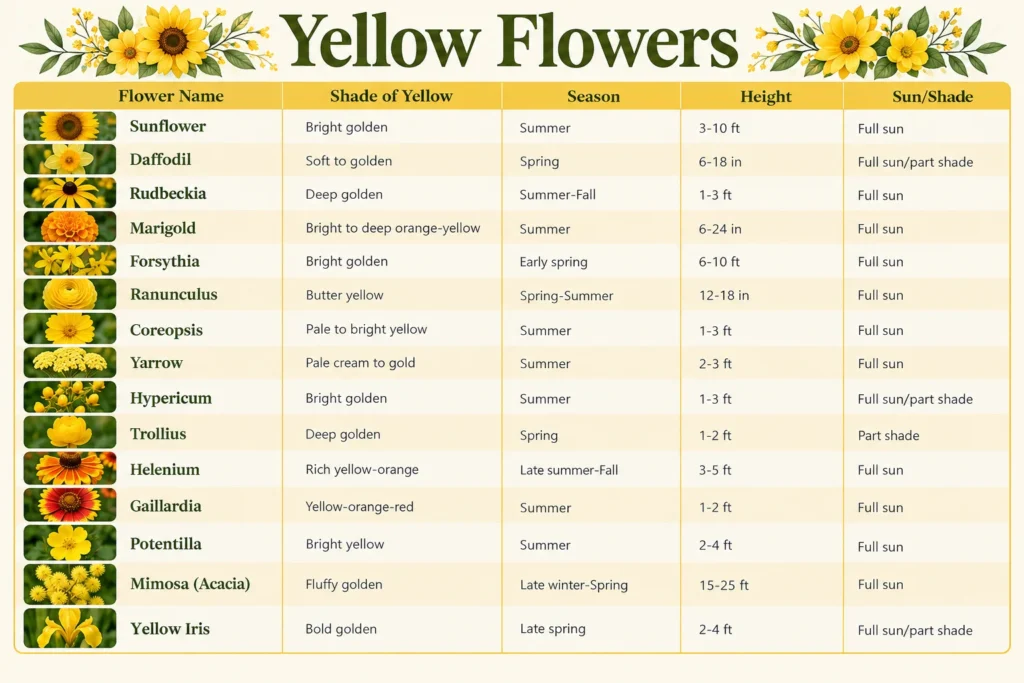
Top Yellow Flowers: A Detailed Guide
Now let’s look closer at each of these yellow flowering plants, with the care details you actually need.
Sunflower (Helianthus)
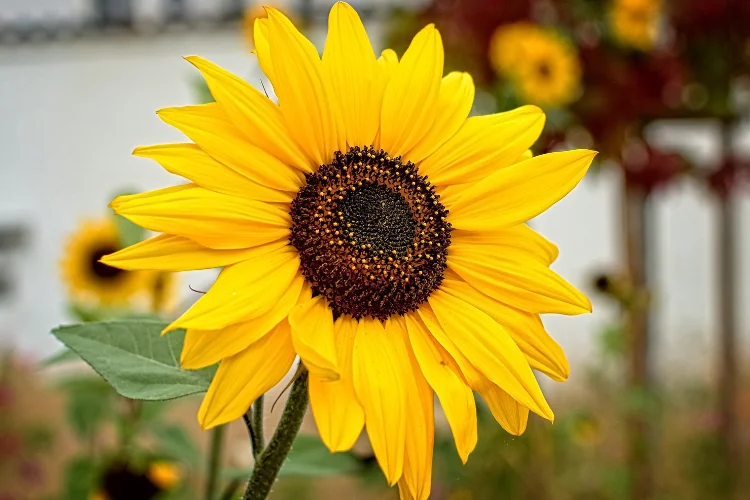
Few plants say happiness louder than a sunflower. This is the flower most people picture first when they hear the words yellow flowers, and for good reason.
Sunflowers come in giant single-stem varieties that tower over a fence, as well as compact branching types perfect for smaller beds. Their seeds feed birds all through late summer and fall, making them one of the best yellow flowers for wildlife.
Care tips:
- Plant directly in the ground after the last frost
- Give them full sun, at least six hours a day
- Water deeply but infrequently once established
- Stake tall varieties in windy areas
Fun fact: some sunflower varieties can grow over an inch a day during peak summer growth, which is fast even by garden standards.
Daffodil (Narcissus)
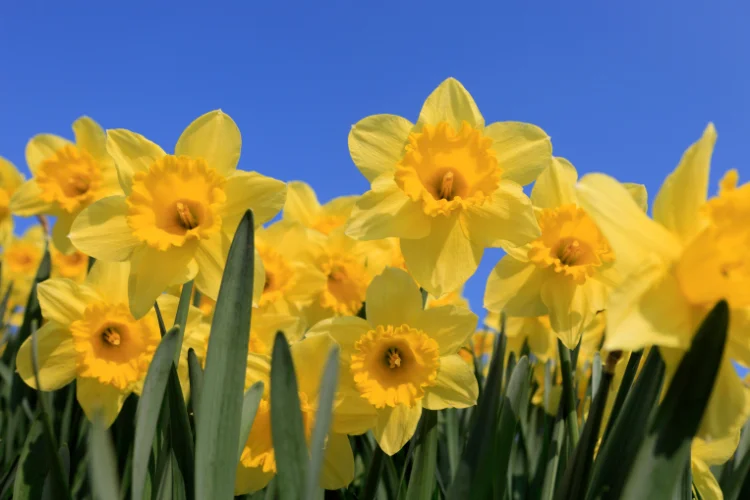
Daffodils are the flower that tells you winter is finally over. Their bright trumpet centers and cheerful yellow petals are one of the most recognizable spring symbols anywhere in the world.
There are trumpet varieties, double varieties, and smaller cluster types, all sharing that same joyful shape. Left undisturbed, daffodil bulbs naturalize and spread into bigger drifts every year.
Care tips:
- Plant bulbs in fall, pointed side up
- Choose well-drained soil, they hate soggy roots
- Let foliage die back naturally after blooming
- Divide clumps every few years if flowering slows
Daffodils are the quintessential yellow spring flower, and they carry meaning far beyond their looks. If you want to go deeper into what this bloom represents, our guide on March Birth Flowers covers daffodil symbolism in full detail.
Rudbeckia (Black Eyed Susan)
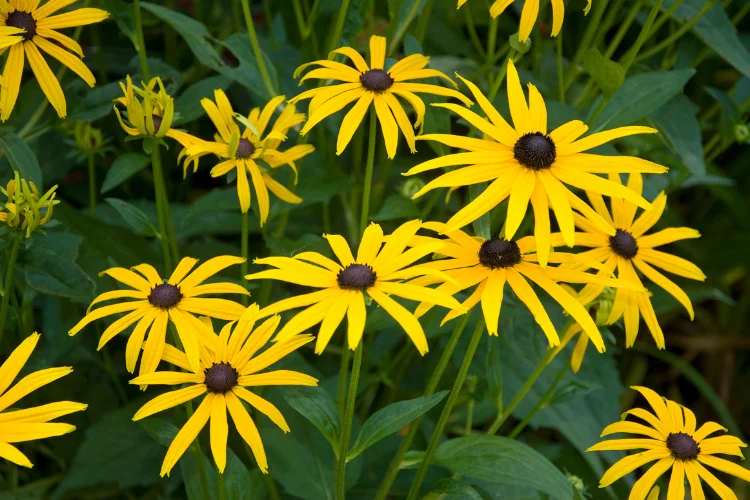
Rudbeckia brings that classic combination of golden petals and a dark chocolate center, and it blooms for months without slowing down.
This is a genuinely tough plant. It shrugs off drought, tolerates poor soil, and still manages to look polished. Pollinators and songbirds both rely on it heavily through summer and fall.
Care tips:
- Plant in full sun for the best flowering
- Water regularly the first season, then let it be
- Deadhead spent blooms to extend flowering
- Divide clumps every three years
Marigold (Tagetes)
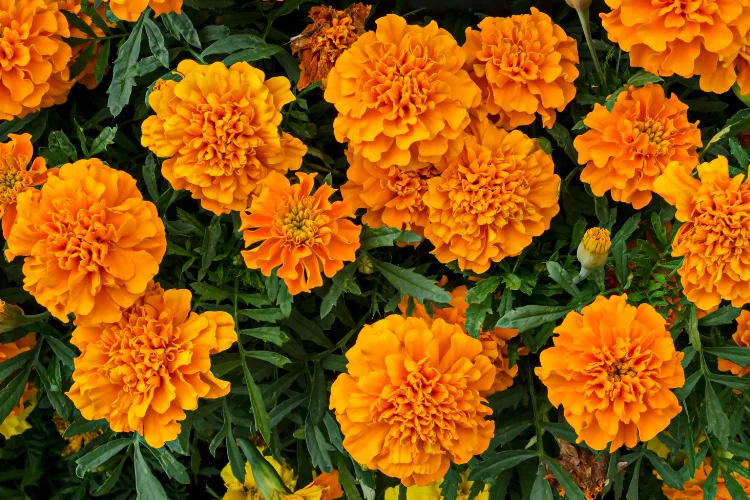
Marigolds are the workhorse of the yellow flower world. French marigolds stay compact and tidy, while African marigolds grow larger, almost pom-pom shaped blooms.
Gardeners plant marigolds near vegetables because their scent naturally repels certain pests, making them one of the most useful companion plants around. Some varieties even have edible petals, a nice surprise for anyone growing an edible garden.
Care tips:
- Sow seeds directly after frost danger passes
- Give full sun and moderate water
- Pinch back young plants for bushier growth
- Deadhead regularly for continuous blooms
Forsythia
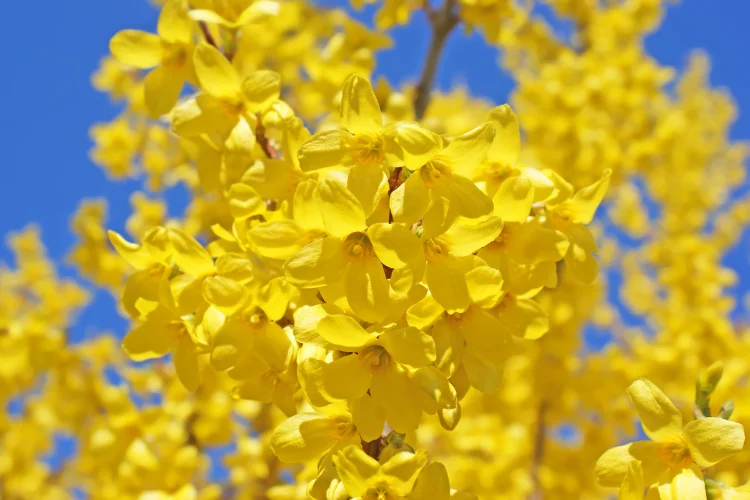
Forsythia is often the very first burst of color after winter, blooming on bare branches before a single leaf appears. Driving past a hedge of forsythia in early spring feels like the season flipping a switch overnight.
Cut a few branches and bring them indoors in late winter, they will often open early in a warm vase, giving you spring weeks ahead of schedule.
Care tips:
- Plant in full sun for maximum bloom
- Prune right after flowering, never in fall
- Water well the first year to establish roots
- Give it room, forsythia grows wide
Ranunculus
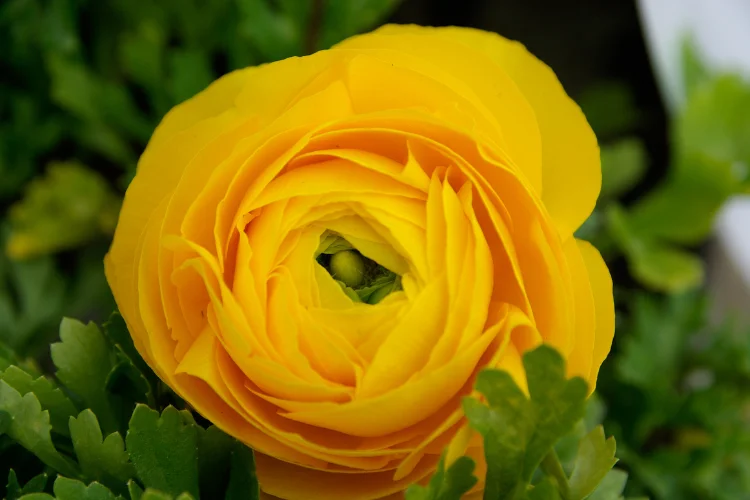
Ranunculus might be the most photogenic yellow flower on this entire list. Layer after layer of delicate, tissue-thin petals build into a bloom that looks almost too perfect to be real.
Florists adore ranunculus for exactly this reason, and home gardeners are catching on fast. It blooms from spring into early summer, bridging the gap beautifully.
Care tips:
- Plant corms in fall in mild climates, spring elsewhere
- Soak corms before planting to encourage growth
- Provide full sun and well-drained soil
- Cut flowers often to encourage more blooms
If ranunculus has caught your eye, our full guide on the Ranunculus Flower covers every variety and care detail you could want.
Coreopsis (Tickseed)
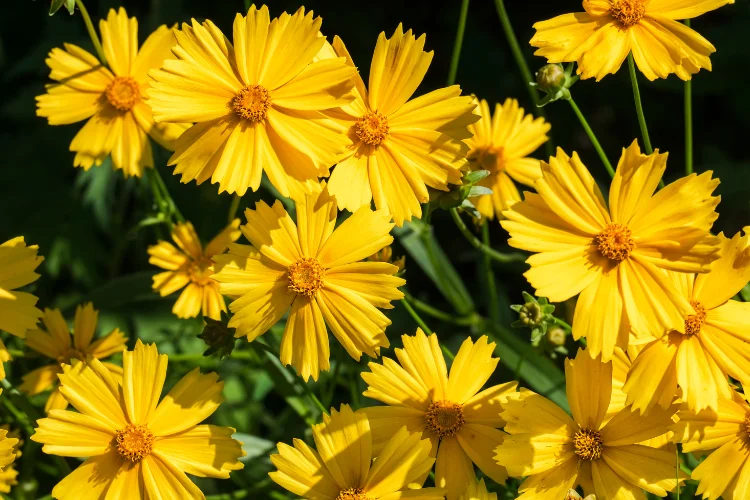
Coreopsis is the easygoing friend of the yellow flower world. Its daisy-like blooms cover the plant from early summer straight through fall, and it barely asks for anything in return.
Drought tolerance is where coreopsis really shines. Once established, it handles dry spells that would wilt fussier plants without complaint.
Care tips:
- Plant in full sun, average soil is fine
- Water only during extended dry spells
- Shear back midsummer for a fresh flush
- Divide every two to three years
Yarrow (Achillea)
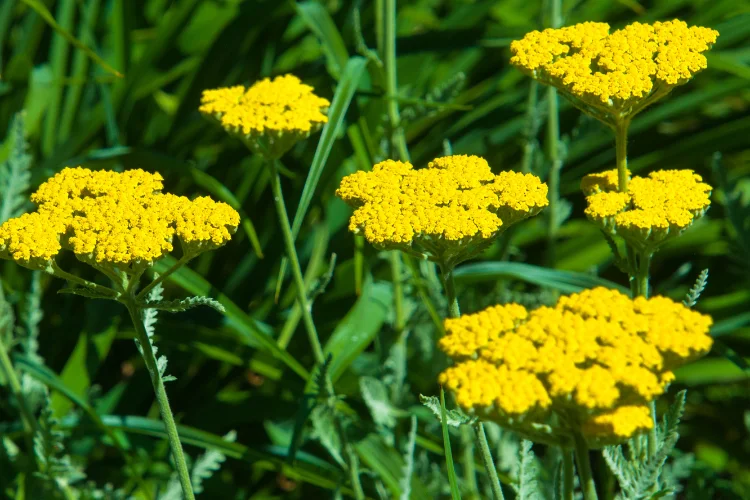
Yarrow forms flat-topped clusters of tiny yellow flowers that look almost architectural against its ferny foliage. It reads as a wildflower, but it holds its shape well enough for structured borders too.
This plant has a long medicinal history, used for centuries in traditional remedies across many cultures. Today it is grown mostly for its beauty and toughness.
Care tips:
- Full sun brings out the best color
- Avoid rich soil, yarrow prefers it lean
- Cut back after flowering for a second bloom
- Divide clumps every few years
Hypericum (St John’s Wort)
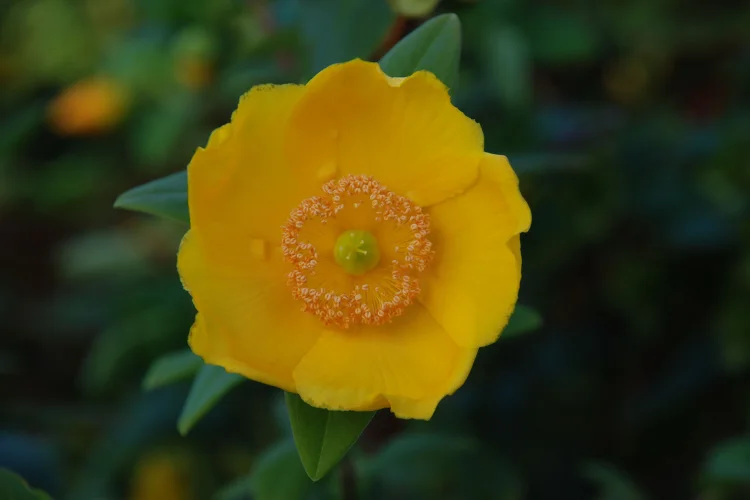
Hypericum produces bright golden yellow flowers followed by clusters of berries that add color long after the blooms fade. It works equally well as a flowering shrub or a filler in cut arrangements.
Herbalists have used St John’s Wort for generations, giving this plant a history that stretches well beyond the garden fence.
Care tips:
- Grow in full sun to part shade
- Water moderately, avoid soggy roots
- Prune in early spring to shape
- Mulch to protect roots in colder climates
Trollius (Globeflower)
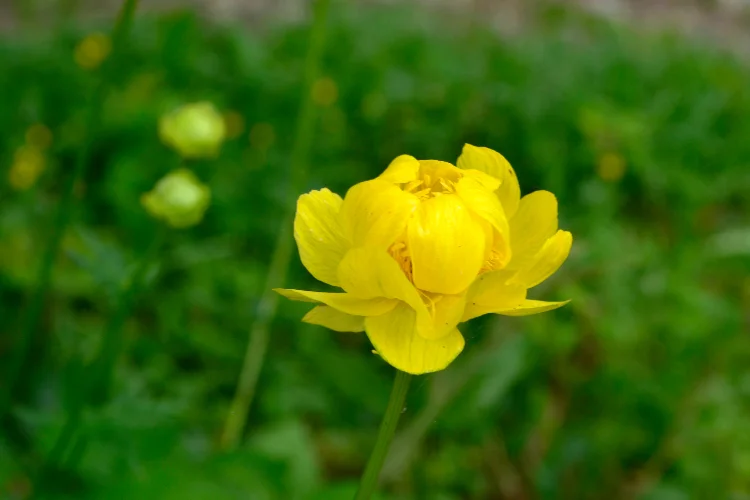
Trollius produces globe-shaped blooms that look like buttercups that decided to go big. It thrives in damp, cool conditions where many other yellow flowers struggle.
This makes it a standout choice for bog gardens or the edges of a pond, where its unusual round form gets to shine.
Care tips:
- Plant in part shade with consistently moist soil
- Avoid letting the roots dry out completely
- Feed lightly in spring for stronger blooms
- Divide clumps every few years
Helenium (Sneezeweed)
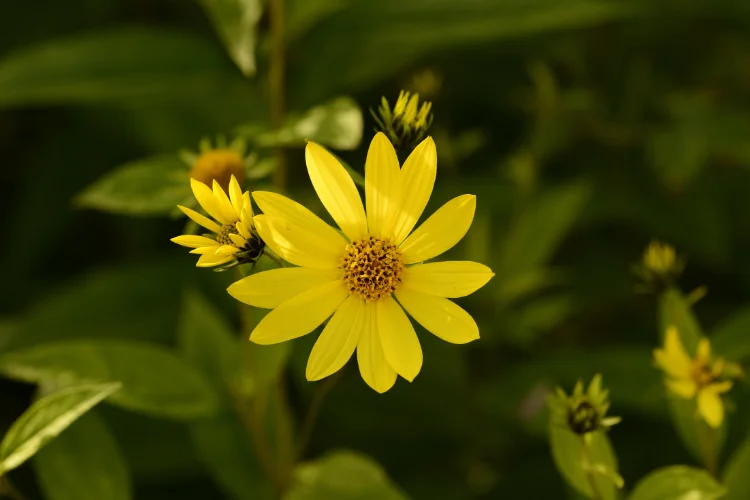
Helenium brings a rich, warm yellow-orange into the garden right when many summer flowers are winding down. Its late blooming habit makes it a valuable extension of the color season.
Butterflies and bees flock to helenium in late summer, when other nectar sources are becoming scarce.
Care tips:
- Full sun keeps stems sturdy and upright
- Pinch back in early summer to prevent flopping
- Water regularly during dry spells
- Divide every two to three years
Gaillardia (Blanket Flower)
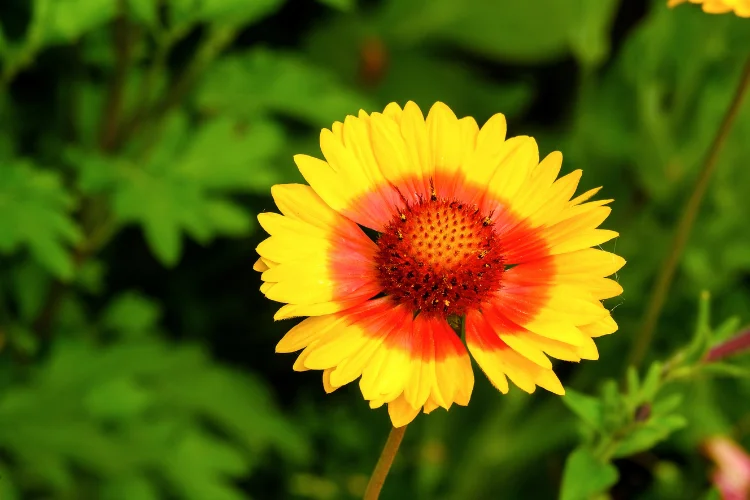
Gaillardia layers yellow, orange, and red into a single bloom, giving it that warm, sunset look prairie wildflowers are known for. It blooms for an exceptionally long stretch, often from early summer until frost.
Native to open plains, gaillardia handles heat and poor soil with almost no complaint.
Care tips:
- Full sun and well-drained soil are essential
- Avoid overwatering, it prefers things on the dry side
- Deadhead to keep flowers coming
- Divide every two years to keep plants vigorous
Potentilla
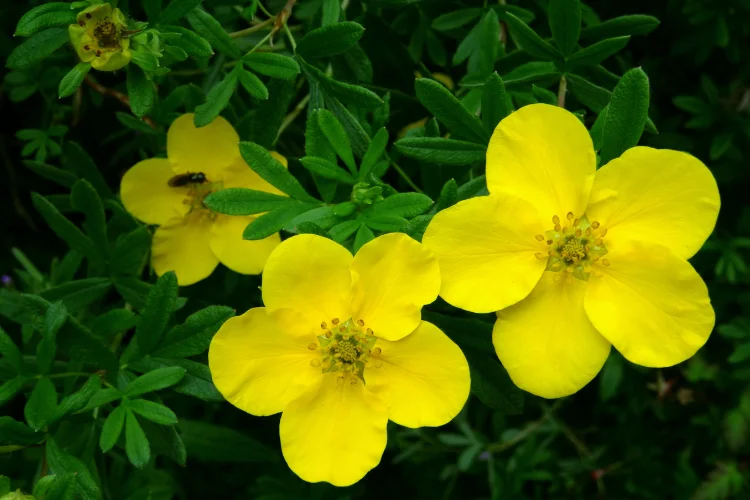
Potentilla is a small, tidy shrub that produces bright yellow flowers over an unusually long season, often from late spring right through fall. It asks for very little maintenance in return.
This makes it a favorite for gardeners who want reliable color without constant upkeep.
Care tips:
- Plant in full sun for the heaviest bloom
- Water during the first year to establish
- Prune lightly in early spring
- Avoid overly rich soil
Mimosa (Acacia)
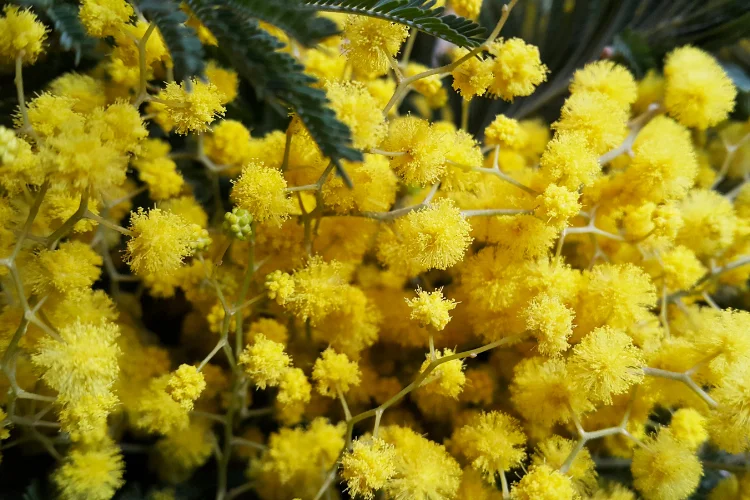
Mimosa trees erupt into fluffy, fragrant yellow pom-pom blooms in late winter or early spring, often before most other trees have even woken up. The scent alone can carry across an entire garden.
In milder climates, a flowering mimosa becomes a seasonal landmark that neighbors notice every single year.
Care tips:
- Plant in full sun with good drainage
- Protect young trees from hard frost
- Prune after flowering to maintain shape
- Water regularly the first two years
Yellow Iris
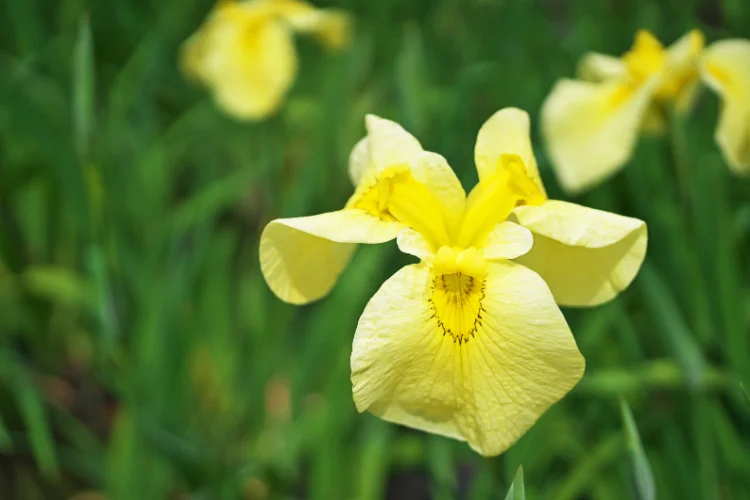
Yellow iris brings a bold, architectural presence with its tall stems and striking flag-shaped blooms. It thrives in wet soil, making it a natural fit for pond edges and bog gardens.
Its upright form adds real structure among softer, rounder yellow blooms.
Care tips:
- Plant in consistently moist to wet soil
- Full sun to light shade both work well
- Divide rhizomes every three to four years
- Remove spent blooms to tidy the display
Yellow Flowers by Season
One of the best things about yellow flowering plants is how many seasons they cover. There is almost never a month without one in bloom somewhere in the garden.
Yellow spring flowers arrive first and feel like a reward after winter. Daffodils, forsythia, ranunculus, and mimosa are the earliest signs that the garden is waking back up.
Yellow summer flowers are where this color truly peaks. Sunflowers, rudbeckia, coreopsis, and marigolds carry the garden through the brightest, hottest months of the year.
Yellow autumn flowers stretch the season further than most people expect. Helenium, rudbeckia, yarrow, and goldenrod hold onto that warmth as everything else starts to fade.
Yellow winter flowers prove that even the coldest months are not entirely without cheer. Winter jasmine, witch hazel, and hellebore bloom bravely through frost and short days, offering a welcome flash of color when almost nothing else will.
Yellow Flowers by Shade
Yellow is not one single color, it is a whole family of tones, and knowing the difference helps when planning a garden bed.
Bright golden yellow is bold and unmissable, seen in sunflowers, marigolds, and forsythia. These work best as focal points rather than background fillers.
Soft butter yellow feels gentle and romantic, the kind found in daffodils, primrose, and ranunculus. It pairs beautifully with pastels.
Deep rich yellow leans warmer and more intense, showing up in rudbeckia, helenium, and gaillardia. These tones bring real depth to a border.
Pale cream yellow offers a subtle, almost neutral effect, common in coreopsis, yarrow, and potentilla. It softens brighter combinations nearby.
Yellow Flowers for Different Garden Situations
Different spaces call for different yellow flowering plants, so here is what works best where.
Best yellow flowers for containers: Marigold, coreopsis, and compact rudbeckia varieties handle pot life well and bloom for months.
Top yellow flowers for shade: Trollius and hypericum tolerate part shade better than most yellow bloomers.
Best yellow flowers for sunny beds: Sunflower, gaillardia, and helenium thrive in full, unfiltered sun.
Ideal yellow flowers for cutting: Ranunculus, sunflower, and yellow iris hold up beautifully in a vase.
Standout yellow flowers for wildlife: Rudbeckia, coreopsis, and yarrow bring in bees, butterflies, and birds reliably.
Reliable yellow flowers for beginners: Marigold and coreopsis forgive mistakes and still deliver strong color.
Best yellow flowers indoors: Potted marigolds and mini daffodil bulbs both do well on a bright windowsill, giving yellow flowers indoors even without a garden bed.
Yellow Flower Meaning and Symbolism
Beyond how good they look, yellow flowers carry meaning that has held steady across cultures and centuries.
The general meaning centers on joy, friendship, positivity, and new beginnings. It is the color of warmth and energy, which explains why it shows up so often at celebrations and fresh starts.
As gifts, yellow flowers traditionally represent friendship rather than romance. They also work beautifully as a get well soon gesture, and as a symbol of new beginnings for a graduation, new job, or fresh chapter in someone’s life.
Yellow rose versus a general yellow flower carries a subtle distinction. A yellow rose specifically leans toward warm friendship and even reconciliation, while other yellow blooms like sunflowers or daffodils lean more toward general happiness and celebration.
Across cultures worldwide, the meaning shifts a little. In many Asian cultures, yellow flowers are tied to royalty, honor, and good fortune. In parts of Mexico, marigolds hold deep spiritual significance during Day of the Dead celebrations, symbolizing the fragility of life and guiding spirits home.
One note of caution: in some European cultures, yellow flowers, particularly yellow roses, have historically carried associations with jealousy or infidelity. It is worth keeping this in mind before gifting them in certain contexts, even though the overall modern meaning skews positive almost everywhere else.
Yellow Flowers That Attract Wildlife
A garden full of yellow flowering plants tends to buzz with life, and there are real reasons behind that.
Bees see yellow exceptionally well. Their vision is tuned to detect this color range efficiently, and many flowers have evolved bright yellow petals with contrasting centers specifically to guide bees toward nectar.
Butterflies are drawn strongly to flat-topped yellow blooms like yarrow and coreopsis, which give them an easy landing platform while they feed.
Birds benefit too, especially from sunflowers, whose seed heads become a reliable food source once the petals fade in late summer.
Building a wildlife friendly yellow garden simply means grouping a few of these plants together, skipping pesticides, and letting some seed heads stand through winter instead of cutting everything back too early.
Designing With Yellow Flowers
Yellow rewards a little planning, and a few combinations consistently work beautifully.
As a focal point, a single bold patch of sunflowers or rudbeckia draws the eye and anchors an entire bed.
Paired with purple, yellow creates one of the most striking combinations in the color wheel. Purple salvia or verbena next to marigolds or coreopsis practically glows.
Combined with white, yellow softens into something fresh and clean, perfect for cottage-style borders.
Set against blue, yellow flowers create a cheerful, almost coastal feel, especially with plants like blue salvia or delphinium nearby.
An all-yellow monochrome border sounds risky but works wonderfully when you mix different shades and textures, from the soft glow of coreopsis to the bold punch of sunflowers.
For container displays, combine trailing yellow flowers with something upright, like marigold spilling over the edge beneath a taller rudbeckia in the center.
Yellow is the happiest flower color in any garden, but if you are chasing something a little more dramatic and bold, our full guide on Orange Flowers is worth exploring next.
Frequently Asked Questions
Sunflowers, daffodils, marigolds, and rudbeckia are consistently the most widely grown yellow flowers, thanks to their easy care and long blooming seasons.
Yellow flowers generally symbolize friendship, joy, and new beginnings, making them a thoughtful gift for celebrations, encouragement, or a get well soon message.
Daffodils, forsythia, ranunculus, and mimosa are among the earliest yellow spring flowers, often appearing before many other plants wake up.
Marigold and coreopsis are two of the easiest yellow flowering plants, tolerating a wide range of soil types and forgiving occasional neglect.
Perennials like rudbeckia, coreopsis, yarrow, and daffodil bulbs return reliably year after year with minimal replanting.
Rudbeckia, coreopsis, and yarrow are especially good at drawing in pollinators, giving the garden movement and life all season long.
Final Thoughts on Growing Yellow Flowers
Yellow flowers have a way of turning an ordinary garden into something that genuinely lifts your spirits every time you step outside. Whether it is a towering sunflower catching the afternoon light, a cluster of daffodils announcing spring, or a single pot of marigolds brightening a balcony, this color simply works.
Bright yellow flowers do not need a special occasion to earn their place. They belong in every season, every style of garden, and every gardener’s routine, from complete beginners to seasoned green thumbs. Once you start growing yellow flowers, it becomes hard to imagine a garden without them.
If this guide has you dreaming of a brighter, sunnier garden, explore more color inspiration and growing guides over at Plant Style Home, where finding your next favorite flower is always just a click away.