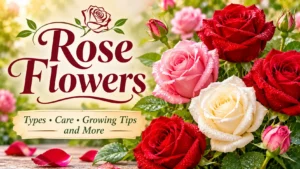
Few plants have shaped human culture the way rose flowers have. They are the most gifted, most painted and most written about bloom in history, carried at weddings, funerals, coronations and first dates alike. Roses have been loved for so long and so universally that it is easy to take them for granted. But spend time with a truly great rose, one with real fragrance and extraordinary form, and you understand immediately why they have inspired poets, painters and gardeners for thousands of years.
The depth of the genus is remarkable. There are more than 150 species and thousands of cultivars, with colors from pure white to near-black and fragrance that runs from nothing at all to truly intoxicating. This guide covers the main types, the meaning behind each color, the long history of rose symbolism, the most fragrant varieties and the practical care that keeps them flowering year after year.
Types of Rose Flowers: A Complete Overview
The easiest way to make sense of the types of rose flowers is to think in terms of habit and purpose. Some roses are made for the vase, some for a wall, some for a pot on a sunny step. Knowing the category tells you most of what you need to know before you ever read a plant label.
Hybrid Tea Roses
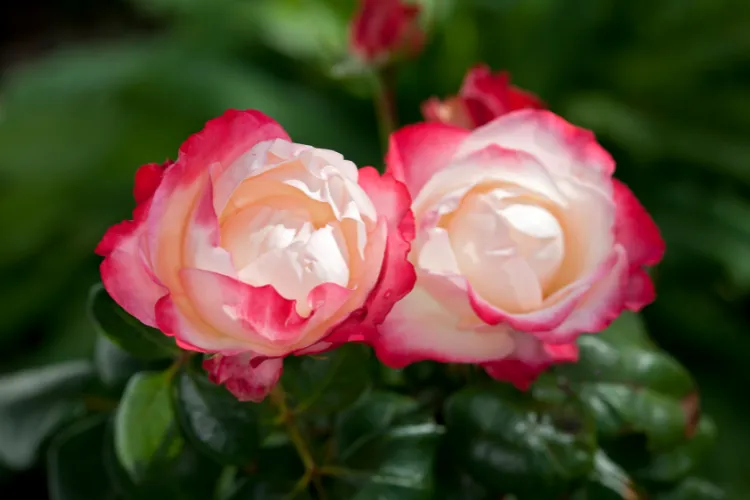
This is the classic florist’s rose. Hybrid teas have long stems, high-centered pointed buds and a single large bloom on each stem, which makes them the most widely recognized rose form in the world.
They are excellent for cutting and repeat flower through the summer. Fragrance varies hugely, though. Some are extremely scented and others are almost scentless, so it pays to choose by variety rather than by looks alone. If you want the most fragrant roses in this group, start with the two red and bicolor classics below.
- ‘Mr Lincoln’: deep red with a strong, classic fragrance
- ‘Peace’: yellow flushed with pink, and one of the most historic roses ever bred
- ‘Double Delight’: red and cream with a strong, sweet scent
The trade-off is upkeep. Hybrid teas need more attention than other types, including regular pruning, feeding and disease management. If you want armfuls of stems for the house, the effort is worth it. If you want something to thrive while you are busy elsewhere, keep reading.
Hybrid teas also share the vase well with other layered florist’s flowers. Ranunculus is often called the closest rival to the rose in a bouquet, and our Ranunculus Flower guide covers this layered, luxurious florist’s favourite in full detail.
Floribunda Roses
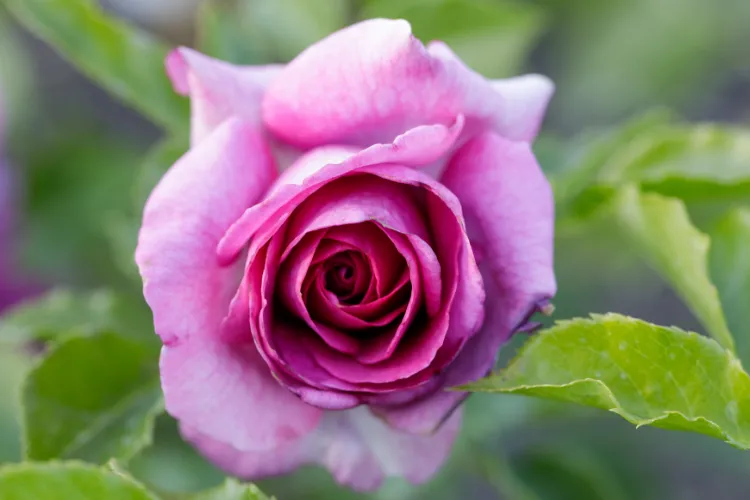
Floribundas trade the single grand bloom for clusters of smaller flowers. The result is more color per plant and far more impact in a border. They are also generally tougher and more disease-resistant than hybrid teas, and they repeat flower reliably.
- ‘Iceberg’: white, classic and endlessly dependable
- ‘Amber Queen’: amber-apricot with a pleasing fragrance
- ‘Queen Elizabeth’: pink and unusually tall
Climbing Roses
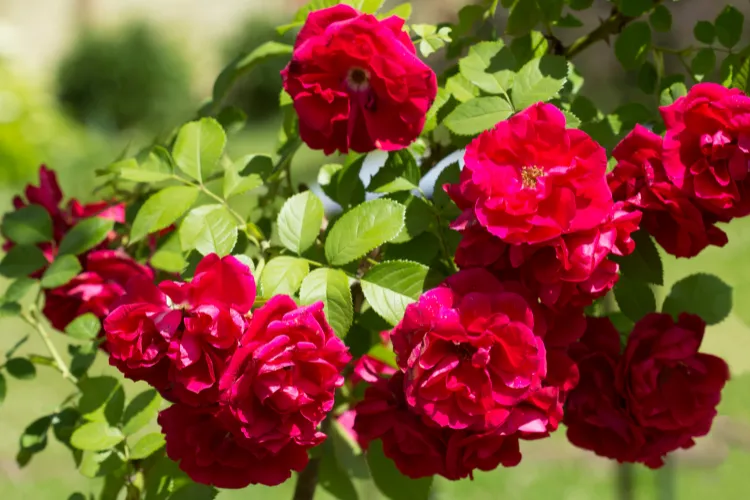
Climbers produce long, flexible canes that you train against walls, fences, arches, pergolas and obelisks. Some of the old climbers flower once, spectacularly but briefly. Modern climbers tend to repeat flower through the season.
- ‘New Dawn’: pale pink, vigorous and generous, with a big early summer flush
- ‘Zéphirine Drouhin’: cerise-pink, fragrant and wonderfully thornless
- ‘Compassion’: apricot-pink, repeat flowering and strongly fragrant
Rambling Roses
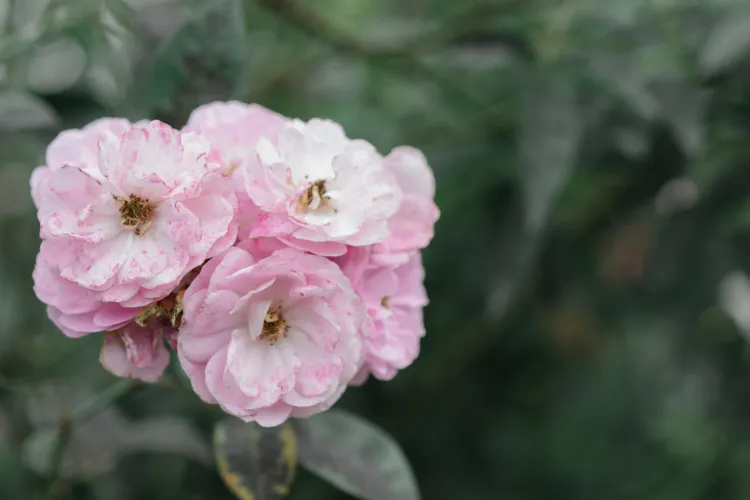
Ramblers are climbers with the brakes off. They can reach ten meters or more and usually put on one huge display in early summer. Use them to cover large structures, old trees or tall walls.
- ‘Rambling Rector’: creamy white, vigorous and covered in small semi-double flowers
- ‘Veilchenblau’: an unusual violet-purple with a slight fragrance
Shrub Roses
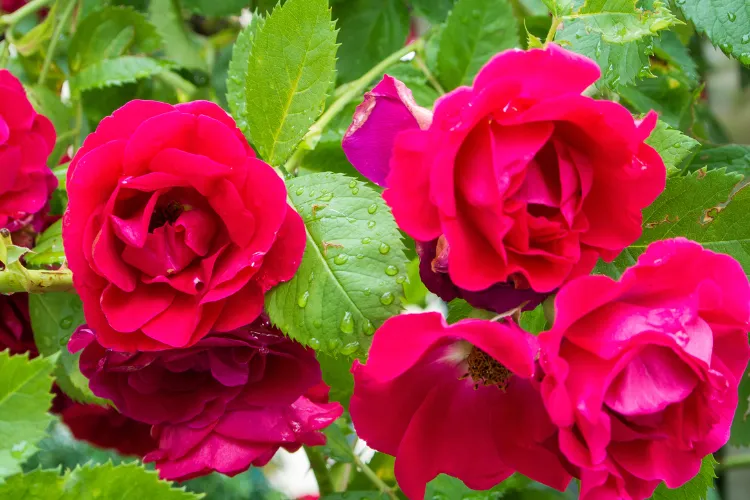
Shrub roses are a broad category for roses that form a bush rather than climbing. It includes English roses, species roses and old garden roses. They are generally more disease-resistant and lower maintenance than hybrid teas, which is why so many experienced gardeners build their borders around them.
David Austin English Roses
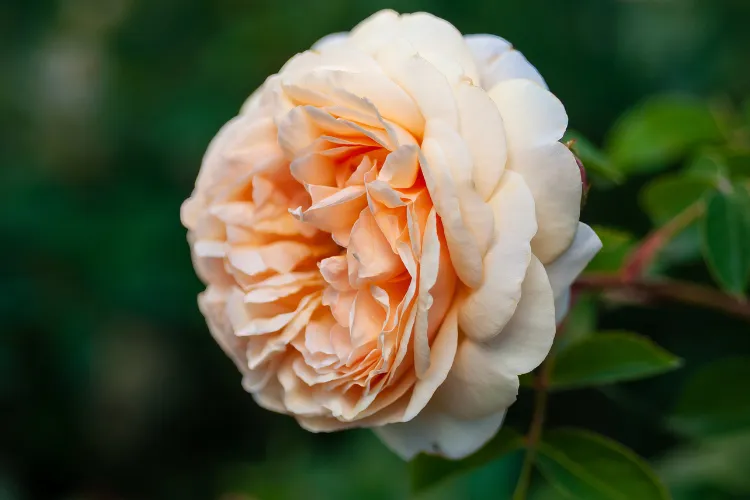
David Austin set out to combine the cupped, quartered, deeply fragrant form of old garden roses with the repeat flowering and disease resistance of modern ones. He succeeded so well that English roses are now considered among the finest garden roses available.
They come in a wide range of colors and repeat bloom reliably, which is why they sit at the top of any list of the best roses for gardens.
- ‘Gertrude Jekyll’: deep pink with an intense old rose fragrance
- ‘Graham Thomas’: rich yellow with a warm tea scent
- ‘Olivia Rose’: soft pink with a hint of apple in the fragrance
Miniature and Patio Roses
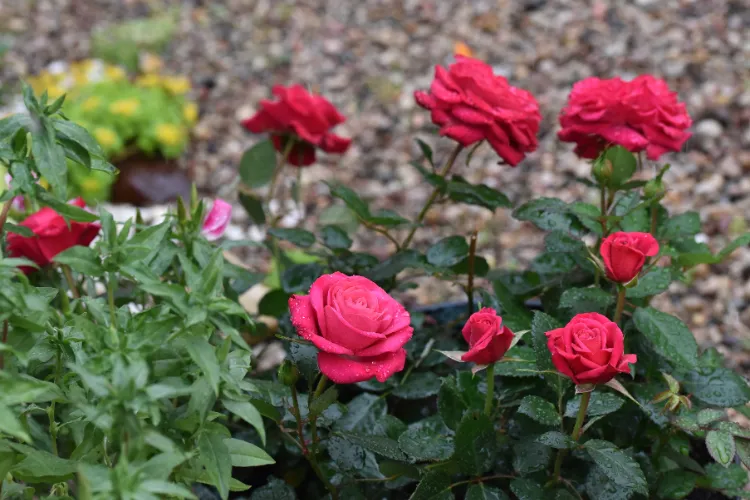
These compact roses suit containers, pots and small gardens. You get all the colors of full-sized roses in a smaller package, and they are generally more disease-resistant than hybrid teas. A patio rose in a large pot is one of the easiest ways to start.
Ground Cover Roses
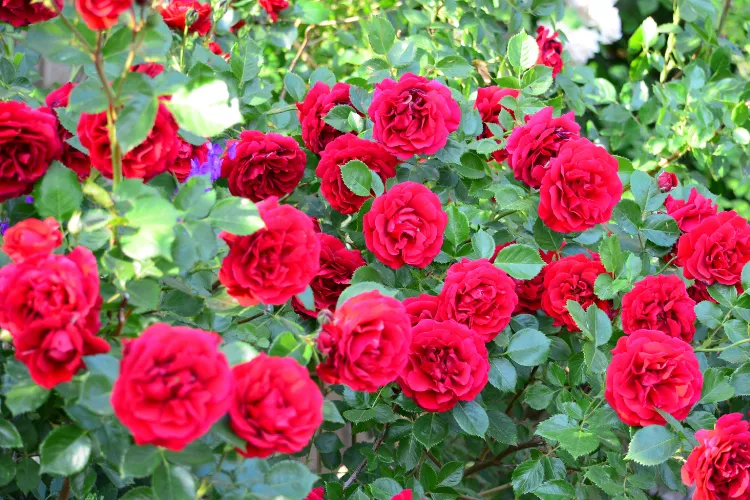
Low and spreading, ground cover roses are perfect for slopes, banks and large planting schemes. They ask for very little and resist disease well. ‘The Fairy’ is a pale pink favourite that flowers continuously, and the Flower Carpet series offers a range of colors in the same easy habit.
Rose Flowers and Their Colors: What Each Shade Says
Roses carry one of the most developed color languages of any flower. When you are choosing rose flower colors for a gift or an occasion, the shade genuinely matters, because people read it, even if only half consciously.
Red Roses
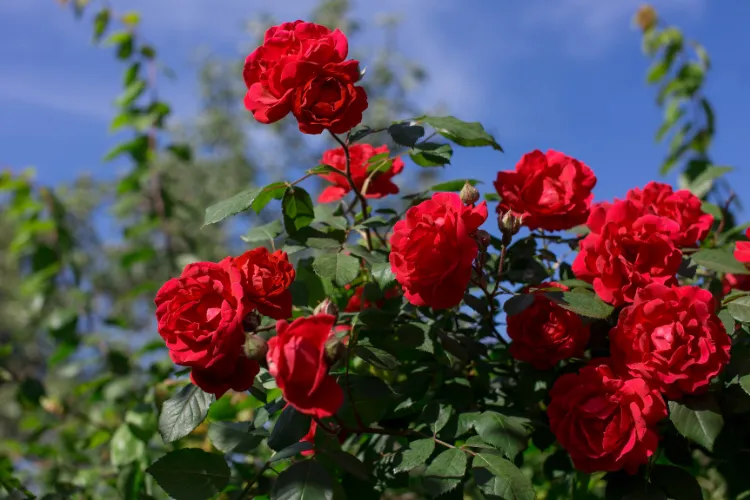
Red means deep romantic love, passion, respect and courage. It is the universal symbol of love, especially on Valentine’s Day. Dark red leans toward devotion, while bright red speaks of admiration and desire.
Red roses are the ultimate symbol of love and passion, and our Red Flowers guide celebrates more of the most striking red blooms in the entire flower world.
Pink Roses
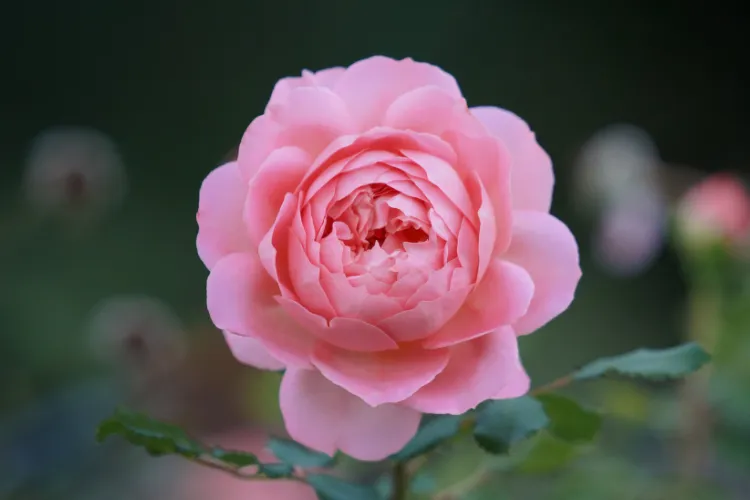
Pink stands for graceful appreciation, admiration, femininity, joy and sweetness. Light pink suggests gentleness and sympathy. Deep pink says gratitude and recognition. Because it works for friendship, romance and sympathy alike, pink is the most versatile of all the rose flower colors.
Pink roses are among the most gifted and grown flowers in the world, and our Pink Flowers guide is full of more beautiful pink bloom inspiration for gardens and bouquets.
White Roses
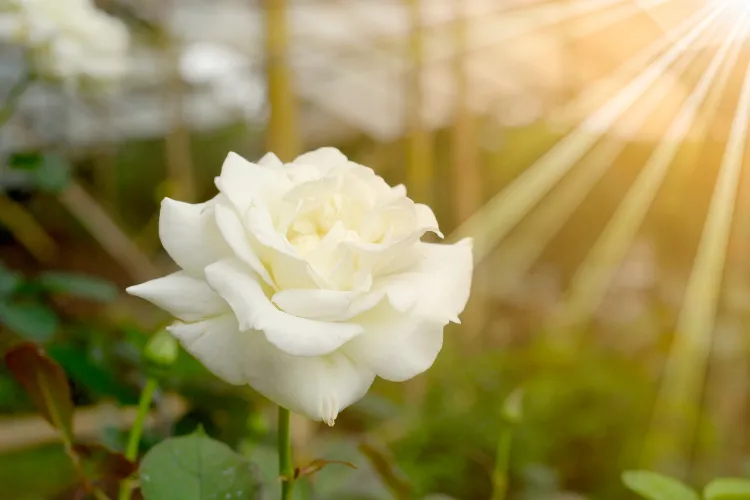
White represents purity, innocence, new beginnings, reverence and silence. It is the classic wedding flower, and it is just as often chosen for sympathy arrangements because it feels peaceful rather than showy.
Yellow Roses
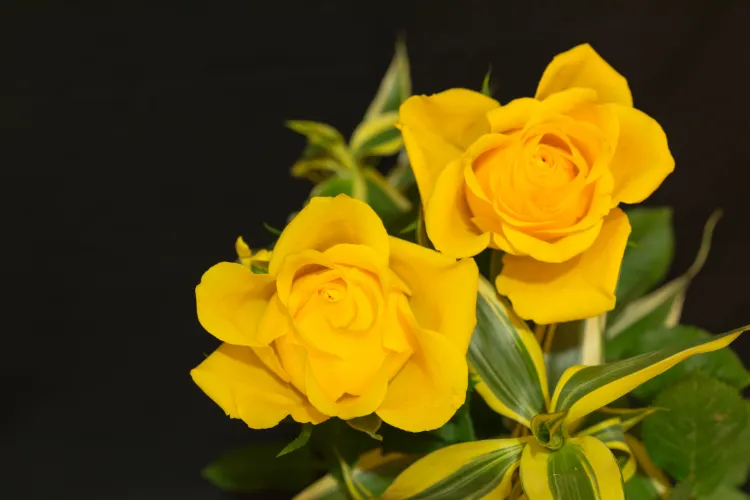
Yellow means friendship, joy, warmth and caring. It is not romantic in the traditional sense. A yellow rose is firmly a friend’s rose, and a cheerful choice for colleagues, birthdays and congratulations.
Orange Roses
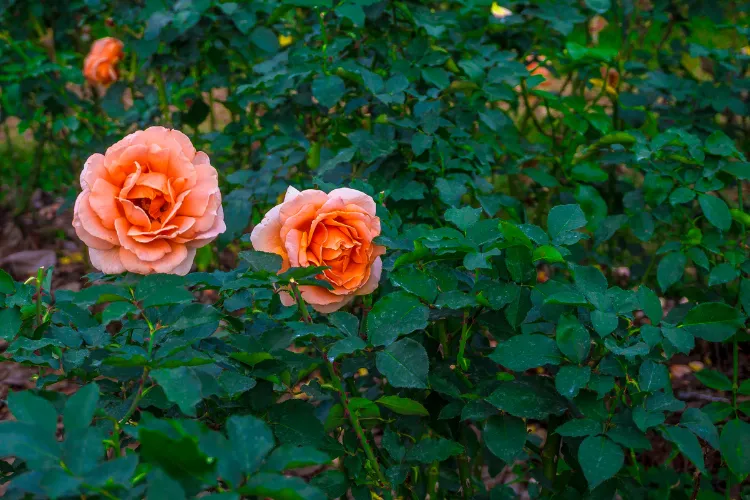
Orange signals enthusiasm, energy, desire and fascination. It bridges the gap between the friendship of yellow and the romance of red. Bold and exciting, it is a great way to say well done with real excitement.
Lavender and Purple Roses
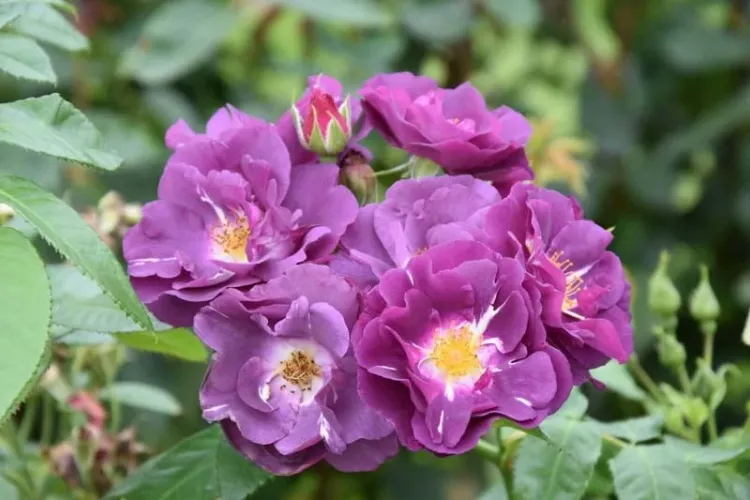
Lavender and purple roses stand for enchantment, mystery and love at first sight. They are rare in nature, so they have long been tied to the unique and the magical. Give one to tell someone they are extraordinary.
Peach and Apricot Roses
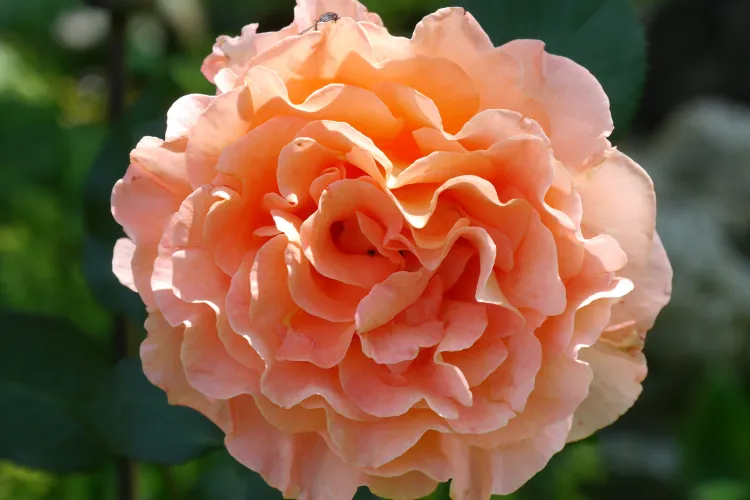
Peach and apricot mean sincerity, gratitude and modesty. They are among the most popular wedding rose colors because they feel warm and romantic without the intensity of red.
Black Roses
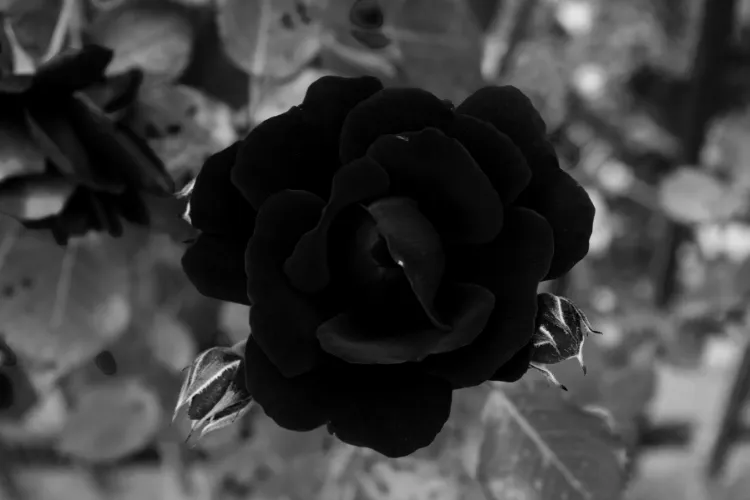
There is no truly black rose in nature. What we call black is a very deep red or burgundy, as in ‘Black Baccara’, ‘Midnight Blue’ and ‘Tuscany Superb’, which come closest. Their rose flower symbolism is mystery, farewell, rebirth and the dramatic.
The Meaning of Rose Flowers Through History
The rose flower meaning we recognize today took more than 5,000 years to build. It has carried ideas about love, beauty, politics and secrecy, and every era added a layer.
Ancient Roots
The rose flower meaning of love and devotion goes back to the very beginning. Roses were linked with the goddess Isis in ancient Egypt, and rose garlands have been found in Egyptian tombs. In Greece and Rome they were sacred to Aphrodite and Venus, the goddesses of love. Roman feasts were strewn with petals as a show of luxury.
The Wars of the Roses
Rose flower facts do not get more dramatic than this. Between 1455 and 1487, the English houses of York and Lancaster fought a civil war under the emblems of the white rose and the red rose. When the conflict ended, the Tudor Rose combined both colors. It became the emblem of England, and the rose remains England’s national flower.
Sub Rosa
The Latin phrase sub rosa means “under the rose,” and it means in secret. A rose hung above a council table meant that everything said beneath it stayed confidential. It is a lovely detail, and one of the best rose flower facts to share at a dinner table, right alongside the fact that roses are older than most civilizations.
Victorian Floriography
The Victorians developed a detailed flower language, and roses sat at its center. Each variety and color had a specific meaning, so a bouquet could carry a message that polite society would never say aloud. Much of the rose flower symbolism we use for gifts today comes straight from this tradition, and the history of rose flower meaning is still the best guide to what a bouquet says.
Roses Today
The red rose is the universal symbol of love. Bulgaria is the world’s largest producer of rose oil, and the flower is deeply embedded in the country’s identity. In the United States, the rose is the state flower of New York.
The rose is also one of the official June Birth Flowers, making it one of the most meaningful and beautiful gifts for anyone born in this early summer month.
Most Fragrant Rose Flowers for Scent Lovers
Fragrance is where roses can either disappoint or astonish. Many modern varieties were bred for color and shelf life, and some have little or no scent at all. Old garden roses and David Austin English roses tend to be the most fragrant, which is why they top any list of the most fragrant roses.
- ‘Gertrude Jekyll’ (Austin): intense old rose fragrance, often named among the most fragrant roses ever bred
- ‘Falstaff’ (Austin): deep crimson with a rich old rose and fruity scent
- ‘Munstead Wood’ (Austin): deep velvety red, old rose and fruity
- ‘Zéphirine Drouhin’ (climber): thornless and cerise-pink, with a sweet raspberry perfume
- ‘Mr Lincoln’ (hybrid tea): classic deep red with a strong damask fragrance
- ‘Double Delight’ (hybrid tea): red and cream, strongly and sweetly scented
- ‘Madame Isaac Pereire’ (old rose): one of the most powerfully fragrant roses in existence, with an intense raspberry and rose scent
The Main Fragrance Types
Learning the vocabulary helps you choose by nose.
- Old rose or damask: the classic, deep, traditional rose scent
- Fruity: notes of apple, raspberry, citrus or peach
- Tea: warm, slightly spicy and sophisticated
- Myrrh: anise-like and distinctive, found in some Austin roses
- Musk: lighter and sweet, and it carries well on the air
If you love roses for their fragrance above all, our Jasmine Flowers guide covers another of the world’s most powerfully and beautifully scented flowers.
Rose Flower Care: Growing Roses Successfully
The key to growing roses well is not a green thumb. It is choosing the right variety for your conditions and giving it the basic care it needs. Get those two things right and roses are far more forgiving than their reputation suggests. Good rose flower care is mostly sun, food, water and a sharp pair of secateurs.
Choosing the Right Rose
This is the most important step, and it is where the best roses for gardens are really decided. Match the rose to your conditions.
- Shade: very few roses thrive in it, and most need at least six hours of sun
- Small gardens and containers: patio or miniature roses
- Low maintenance: shrub roses, ground cover roses and disease-resistant Austin roses
- Best fragrance: Austin roses and old garden roses
- Cut flowers: hybrid teas and floribundas
Planting
- When: late autumn to early spring for bare root roses, and any time for container-grown plants
- Light: full sun, ideally six or more hours a day
- Soil: well-draining and fertile
- Hole: at least 45 cm wide and deep, with well-rotted compost or manure mixed in
- Depth: set the bud union, the knobbly join between rootstock and variety, just at soil level
Watering
Water deeply and infrequently, because this encourages deep roots. Water at the base and avoid wetting the leaves, which invites disease.
Newly planted roses need regular water until they establish. Established roses usually need watering once or twice a week in dry weather. A 5 to 8 cm layer of mulch around the plant, kept clear of the stem, holds moisture and suppresses weeds.
Feeding
Roses are hungry plants, and regular feeding means more flowers.
- Spring: a balanced rose fertilizer as growth begins
- After the first flush: a second feed to encourage repeat blooming
- Late summer: stop feeding so the wood can harden before winter
- Avoid: high-nitrogen feeds, which produce leaves at the expense of flowers
Pruning
- Hybrid teas and floribundas: prune hard in late winter or early spring, cutting back to 30 to 45 cm
- Climbing roses: remove old spent canes, tie in new growth and cut side shoots back to two or three buds
- Shrub and Austin roses: prune lightly by removing dead, damaged and crossing stems, then reduce height by about one third
Common Problems
Even with careful rose flower care, some trouble is normal. Treat it early and it rarely becomes serious.
- Blackspot: dark spots and yellowing leaves, the most common rose disease. Improve airflow, water at the base, choose resistant varieties and use a fungicide only if it is severe.
- Aphids: green or black flies on new growth and buds. Blast them off with water, encourage ladybirds and use insecticidal soap if the problem persists.
- Rose rust: orange powdery spots. Remove affected leaves and improve airflow.
- Powdery mildew: a white coating on leaves. Avoid drought stress and improve airflow.
A Rose Worth Starting With
After all these varieties, colors and stories, it comes down to something simple. Rose flowers have earned their place as the most loved blooms in the world, in culture and in the garden, and they have done it by being beautiful, generous and endlessly varied.
If you plant only one this year, make it an Austin English rose. You get fragrance, disease resistance and extraordinary beauty in a single plant. A single well-chosen rose, given everything it needs, will repay you for years, and it is a relationship worth starting.
When you are ready for more, explore more flower and plant guides at PlantStyleHome.