A summer garden in full swing is one of life’s greatest pleasures. Colour spills over every border, bees drift lazily from bloom to bloom, and the evenings stretch out long and golden. Summer flowers are the reason so many of us fall in love with gardening in the first place.
I always plant too many summer flowers, and I have zero regrets. There is something wonderful about walking outside with a coffee and finding a dozen new blooms that opened overnight. The smell of jasmine on a warm summer evening is unforgettable, and a jug of freshly cut zinnias on the kitchen table can lift any mood.
At Plant Style Home we celebrate flowers in every season. Explore our complete collection of seasonal guides and flower inspiration whenever you need a fresh idea.
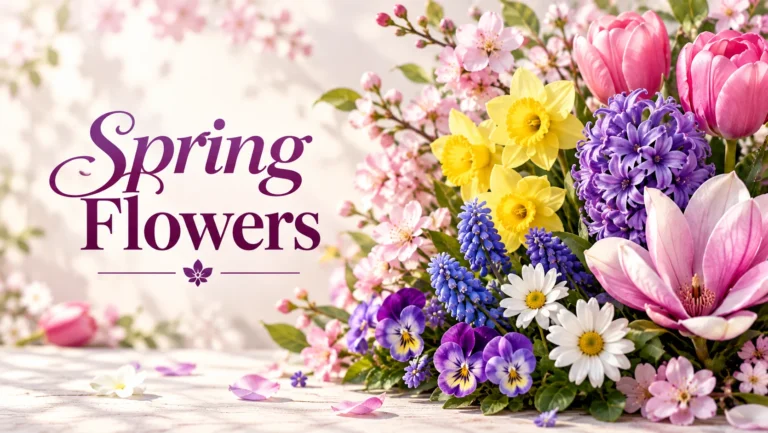
Summer follows spring’s arrival, so if you missed our guide on Spring Flowers, read it to see how your garden journey began this year. Now let’s dive into the most generous season of all.
Why Summer Is the Greatest Season for Flowers
Spring gets the applause for new beginnings, but summer delivers the full performance. This is when the garden stops promising and starts delivering.
It is the most diverse flower season. Roses, lilies, dahlias, salvias, daisies and hundreds of summer flowering plants all reach their stride within a few short weeks of each other.
The days are long. More daylight means more photosynthesis, which means more buds. Plants that sulk in cool weather suddenly race ahead.
Pollinators are everywhere. Bees, hoverflies, butterflies and moths work the borders from morning until dusk. A flower garden in July feels alive in a way no other month quite matches.
The cutting garden peaks. You can pick armfuls without leaving a gap, and the more you cut, the more many plants produce.
Gardens look spectacular. Colour, scent and texture layer together, and even a small plot can feel abundant.
Summer is also when we live outdoors. Breakfast on the patio, dinner under the stars, a book in the hammock. The garden becomes an extra room, and flowers are its finest decoration.
Best Summer Flowers Complete List
Here is a quick overview of the stars of the season. Use it to plan your borders, or to spot the gaps in your own planting.
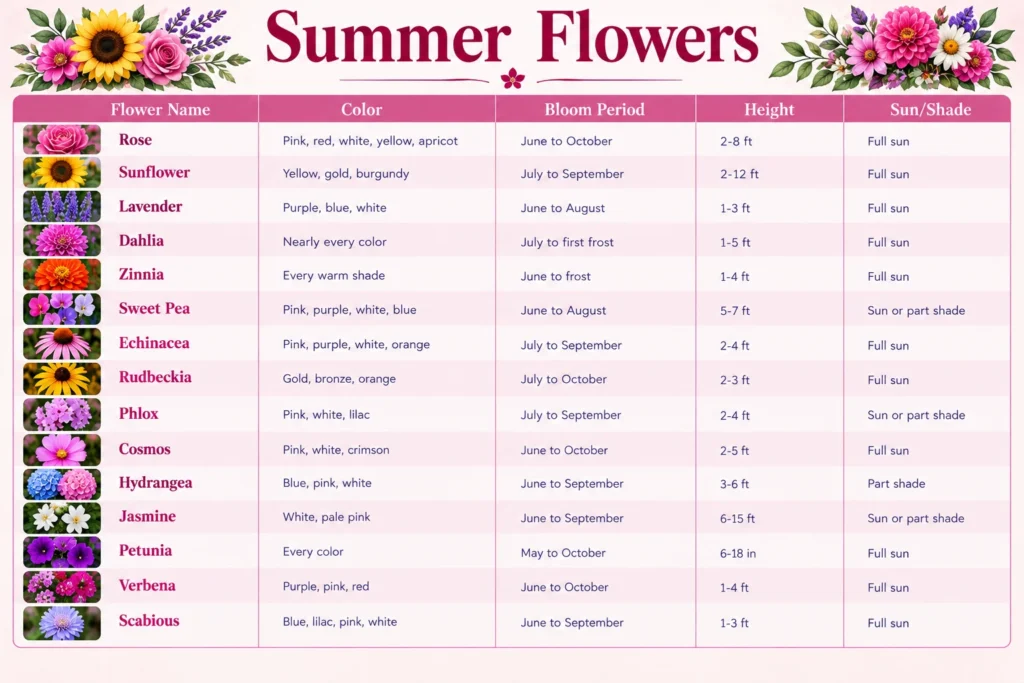
Top Summer Flowers Detailed Guide
If you want a summer flowers names list to build a garden around, start here. Each plant below has earned its place through beauty, reliability or both.
Rose (Summer Varieties)
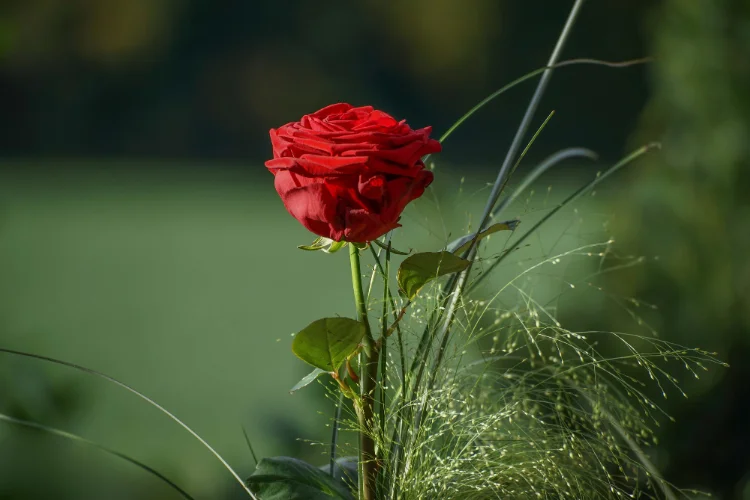
Nothing says summer quite like a rose. Repeat flowering roses bloom in waves from June until autumn, while David Austin English roses bring that old-fashioned, deeply fragrant, many-petalled look. Climbing roses turn walls and arches into towers of colour.
Care tips:
- Plant in full sun with good air circulation.
- Feed after the first flush of flowers.
- Deadhead spent blooms to encourage new buds.
- Water deeply at the base, not over the leaves.
Sunflower (Helianthus)
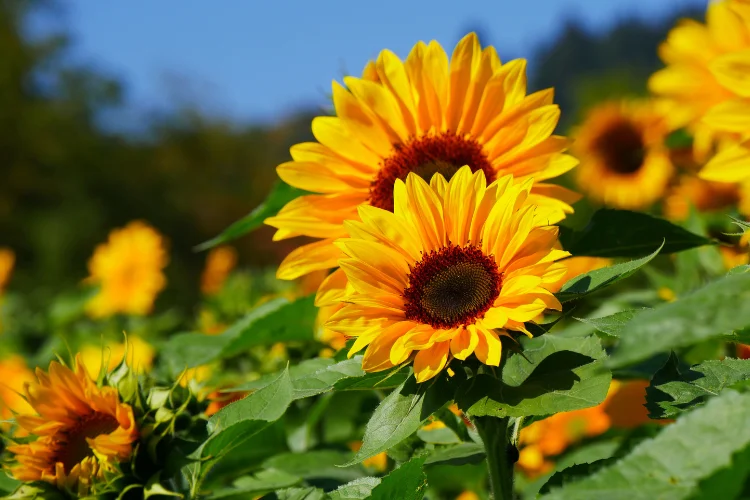
Sunflowers are joy on a stalk. Varieties range from towering giants to compact dwarfs that suit pots, and they grow astonishingly fast from seed. Birds adore the seed heads in autumn.
Care tips:
- Sow directly after the last frost.
- Sow a new batch every two to three weeks for a longer display.
- Stake tall types in windy spots.
- Leave a few heads standing for wildlife.
Lavender
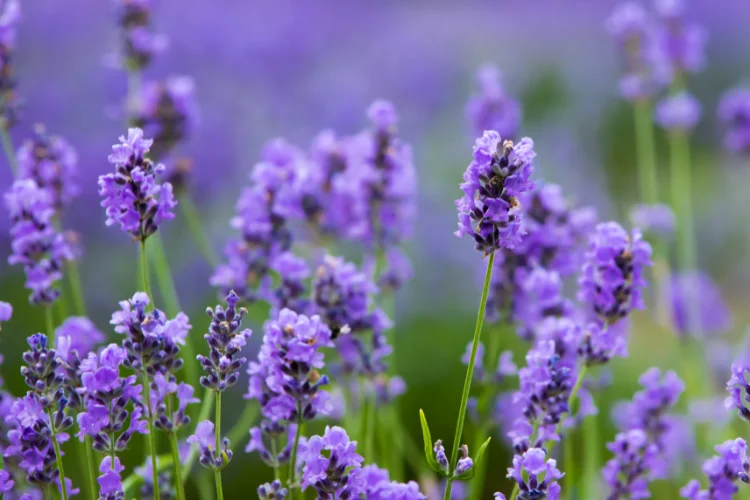
Lavender is a fragrant purple haze that hums with bees. A true Mediterranean heat lover, it thrives in poor, well-drained soil and sunshine.
Care tips:
- Avoid rich soil and heavy watering.
- Trim lightly after flowering, never into old bare wood.
- Plant near paths so the scent releases as you brush past.
- Cut stems for drying just as the first buds open.
Dahlia
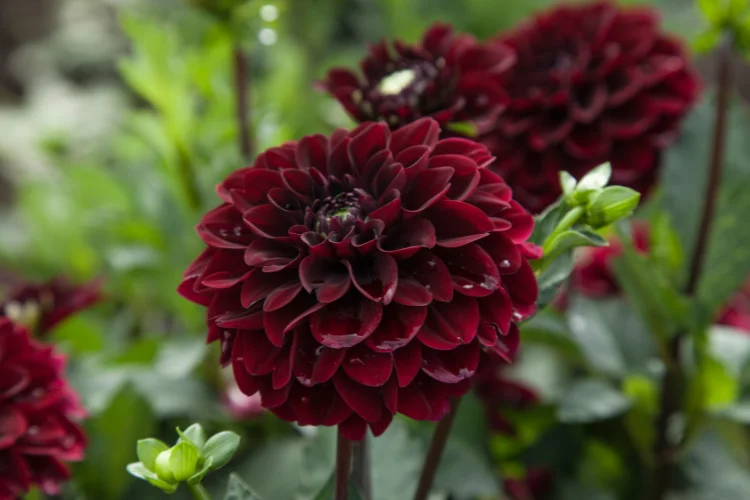
Dahlias are the showstoppers of summer, blooming from midsummer right up to the first frost. Flower shapes run from dinner plate blooms to neat little pompons, and they are a true cutting garden star.
Care tips:
- Plant tubers after frost danger passes.
- Pinch out the growing tip to create bushier plants.
- Lift and store tubers in cool, dry conditions in cold climates.
- Feed weekly with a high potash fertiliser.
Zinnia
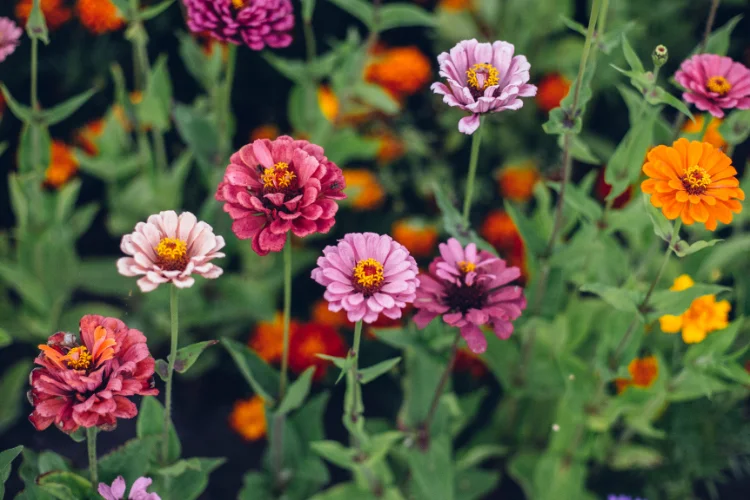
If you want the easiest of all summer flowers, choose zinnias. They love heat, come in hot, vivid colours and pull butterflies in like magnets.
Care tips:
- Direct sow into warm soil.
- Give them plenty of sun and airflow.
- Water at the base to prevent mildew.
- Cut often, because picking triggers more blooms.
Sweet Pea (Summer)
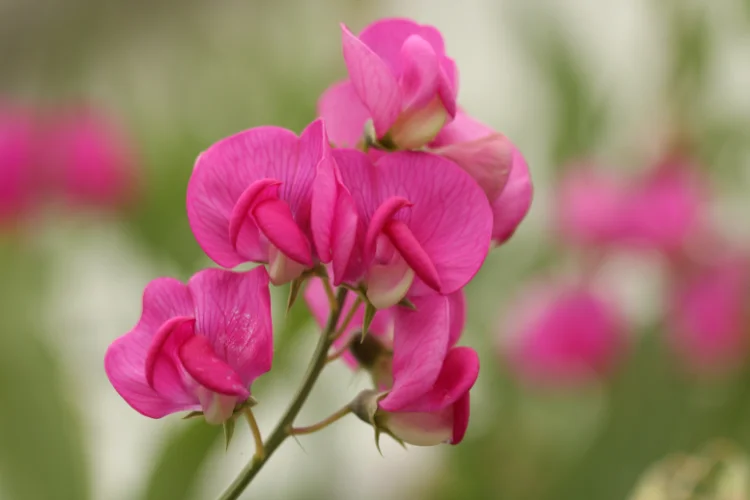
Sweet peas are climbing beauties with a scent that fills the evening air. The more you pick, the longer they keep flowering.
Care tips:
- Provide a sturdy trellis or wigwam.
- Pick every couple of days, before seed pods form.
- Mulch roots to keep them cool in heat.
- Water regularly, since heat stress shortens their season.
Echinacea (Coneflower)
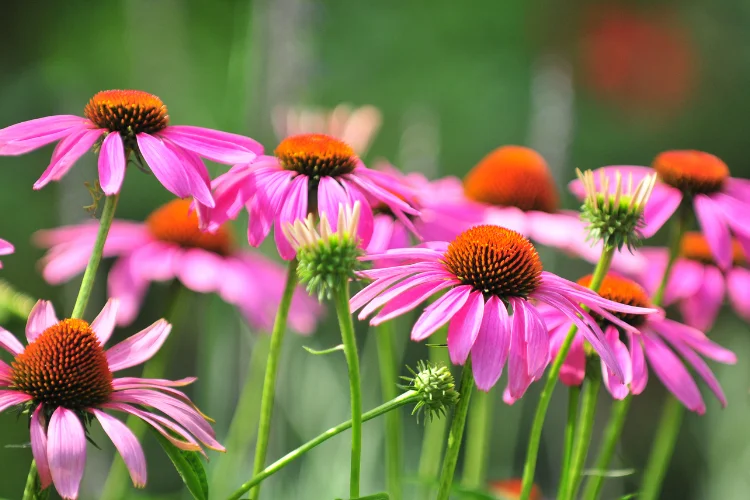
A prairie beauty and a wildlife star, echinacea flowers for weeks on end. Bees love the blooms, and finches feast on the seed heads later.
Care tips:
- Plant in full sun and average soil.
- Water while young, then let it toughen up.
- Deadhead early in the season, then leave seed heads for birds.
- Divide clumps every few years.
Rudbeckia (Black Eyed Susan)
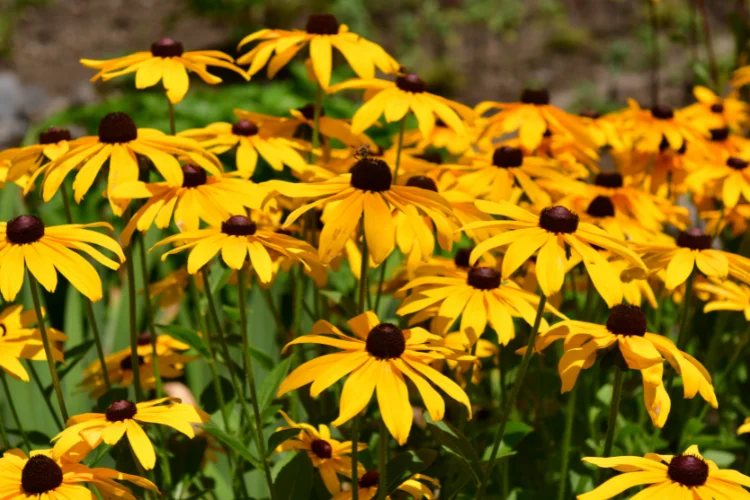
Golden summer daisies with dark centres, rudbeckias are cheerful, drought tolerant and long lasting. They look right at home in a cottage garden.
Care tips:
- Grow in sun with moderate moisture.
- Cut back stems for a tidy second flush.
- Pair with purple salvias for contrast.
- Leave late seed heads for winter interest.
Phlox (Summer)
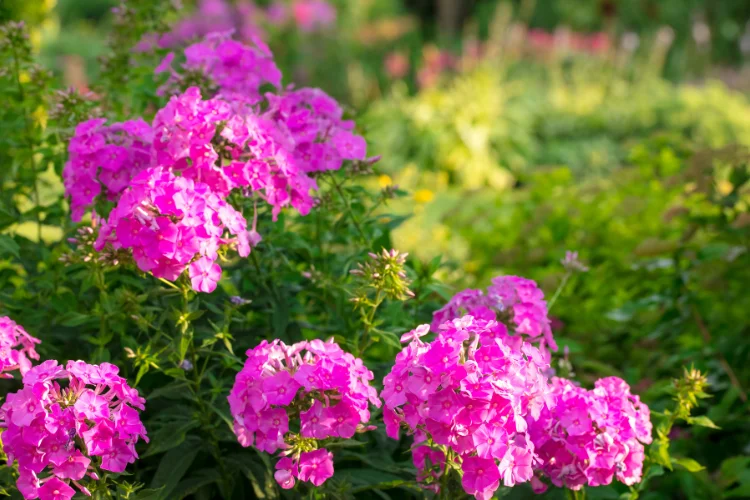
Garden phlox brings big, fragrant clusters in midsummer, and the scent is heavenly on warm nights.
Care tips:
- Choose mildew resistant varieties.
- Space plants generously for airflow.
- Water the soil, not the leaves.
- Thin crowded stems in spring for stronger growth.
Cosmos
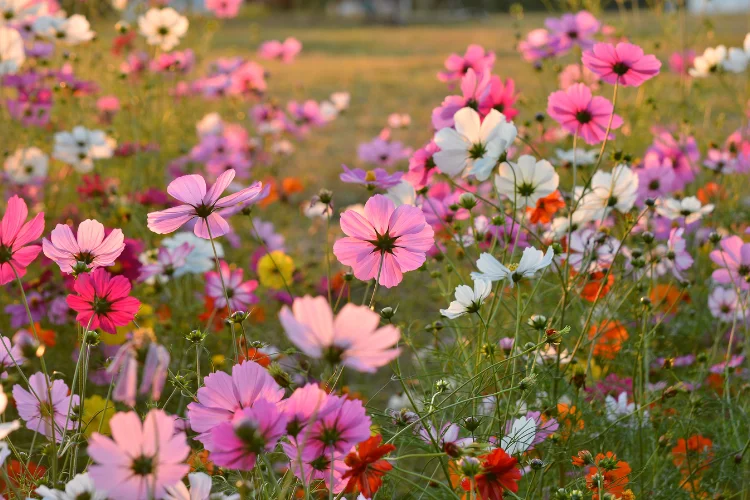
Feathery, airy and endlessly generous, cosmos self seeds happily and blooms from early summer to autumn.
Care tips:
- Sow seed directly in sun.
- Skip rich soil, which makes leaves grow at the expense of flowers.
- Pick blooms regularly to extend the season.
- Let a few flowers set seed for next year.
Hydrangea (Summer)
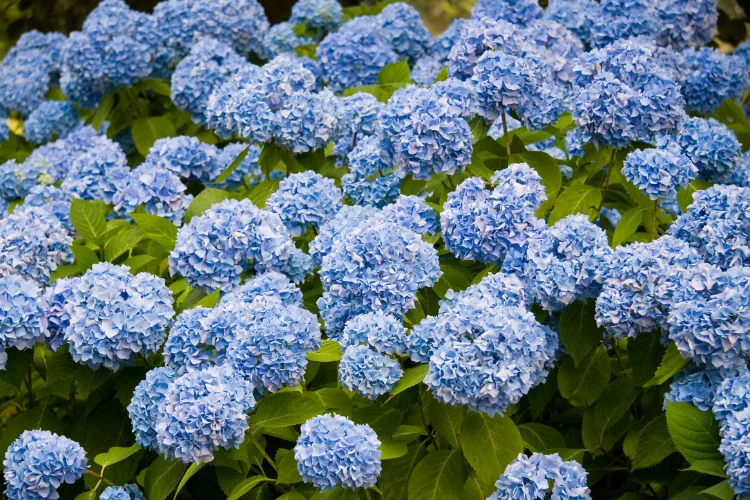
Mophead and lacecap hydrangeas turn shady corners into showpieces. Soil pH affects the colour, with acidic soil giving blue blooms and alkaline soil giving pink.
Care tips:
- Plant in part shade with consistent moisture.
- Mulch to lock in water.
- Cut a few blooms and hang them to dry.
- Prune according to your variety, as timing matters.
Jasmine (Summer)
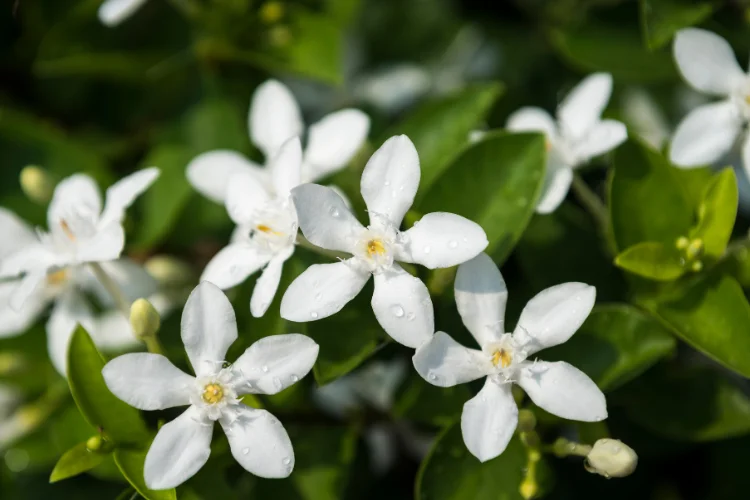
Evening fragrance does not get better than this. Summer jasmine climbs over arches and fences and delivers an intoxicating scent right when you sit down outside.
Summer Jasmine is one of the most fragrant evening flowers, and our complete dedicated guide on Jasmine Flowers covers all jasmine varieties and care tips.
Care tips:
- Give it a warm, sheltered spot with support.
- Water well in dry spells.
- Prune after flowering to keep it tidy.
- Plant near seating for maximum enjoyment.
Petunia
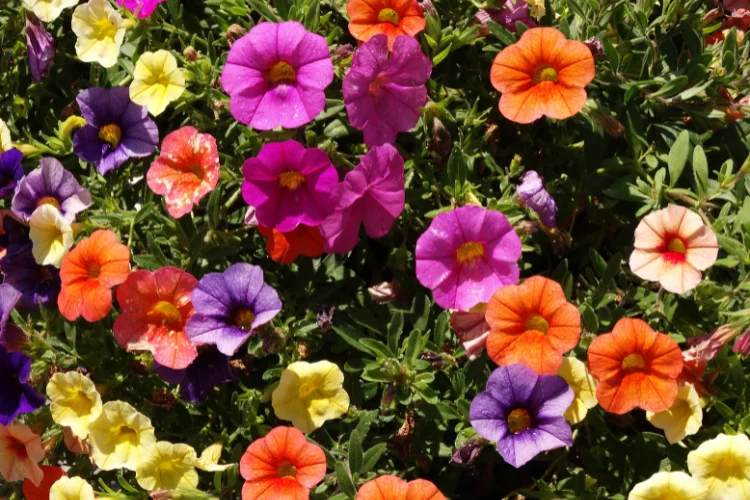
The container star of the season, petunias come in trailing and upright forms and a huge colour range.
Care tips:
- Use hanging baskets and pots in full sun.
- Feed weekly with liquid fertiliser.
- Pinch back leggy stems mid summer.
- Deadhead older varieties, though many modern types are self cleaning.
Verbena
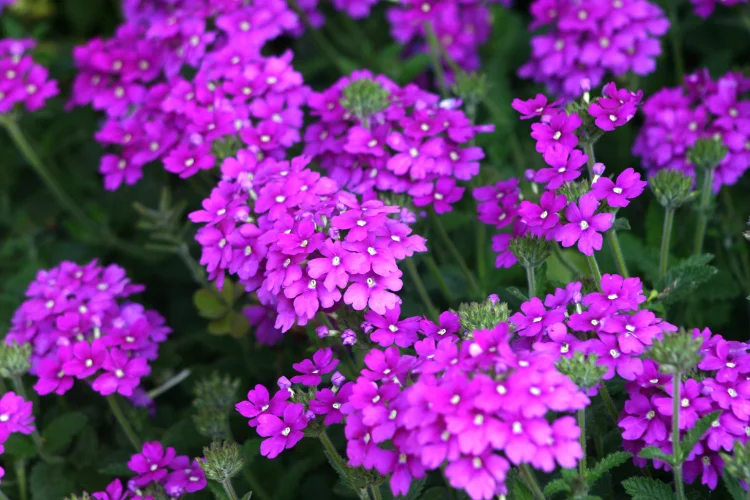
Butterfly magnet, drought tolerant and blooming for months, verbena works in borders and containers alike.
Care tips:
- Choose tall types like Verbena bonariensis for airy height.
- Pick trailing types for pots and edges.
- Water sparingly once established.
- Let it self seed for free plants next year.
Scabious (Pincushion Flower)
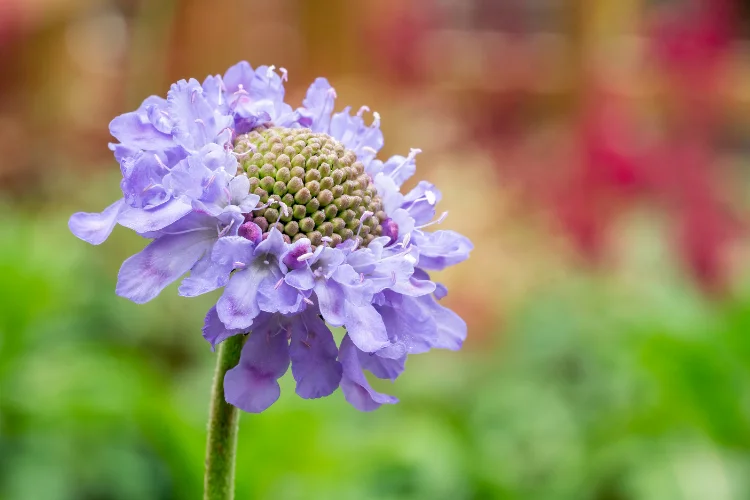
Soft blue and purple blooms on long, wiry stems make scabious a cottage garden favourite. Butterflies love it, and it is superb in vases.
Care tips:
- Grow in sun and well-drained soil.
- Deadhead regularly for extended flowering.
- Cut long stems for arrangements.
- Avoid heavy, wet soil.
Summer Flowers by Month
Summer blooms arrive in waves. Here is a scannable guide so you can plan continuous colour.
Early summer flowers (June)
- Rose
- Sweet pea
- Delphinium
- Lavender
- Allium
- Foxglove
Mid summer flowers (July)
- Dahlia (just beginning)
- Sunflower
- Echinacea
- Hydrangea
- Phlox
- Rudbeckia
- Zinnia
- Jasmine
Late summer flowers (August)
- Dahlia (at peak)
- Rudbeckia
- Cosmos
- Verbena
- Echinacea
- Sedum (beginning)
- Late roses
Summer Flowers for Different Situations
Not every garden is the same, so here is how to match the right plants to your space.
Pots and containers. Petunias, verbena, zinnias, dwarf sunflowers and dahlias in large tubs give the biggest impact. Summer flowers for pots need regular feeding and watering, so keep a close eye on them in heat.
Shady corners. Hydrangeas, begonias, impatiens and fuchsias keep the dimmer spots colourful.
Full sun. Zinnias, rudbeckia, lavender, echinacea and cosmos revel in it.
Wildlife. Scabious, echinacea, lavender and verbena feed pollinators heavily.
Cutting. Dahlias, zinnias, sweet peas, cosmos and scabious are the champions. Summer flowers for cutting reward you with more blooms the more you pick.
Blooming all summer long. Zinnias, cosmos, verbena and petunias are your heroes. These are the summer flowers that bloom all summer without much fuss.
Beginners. Sunflowers, zinnias and cosmos are practically foolproof from seed.
Evening fragrance. Jasmine, sweet peas, phlox and lavender fill warm evenings with scent.
If you love glowing sunset tones, our dedicated guide on Orange Flowers covers stunning warm-toned summer blooms in detail, and summer gardens glow with warm colours all season.
How to Keep Summer Flowers Blooming Longer
The secret to a garden that keeps going is simple habits, done regularly. These tricks give you long blooming summer flowers for months.
Deadheading. Snip spent blooms from roses, zinnias, cosmos, petunias, scabious and rudbeckia. Cut just above a leaf or bud so new growth follows quickly.
Feeding. Use a balanced fertiliser early, then switch to a high potash feed such as tomato food once buds form. Overfeeding with nitrogen gives leaves but few flowers.
Watering. Water deeply and less often, ideally early in the morning. Soak the roots and keep water off the foliage to reduce disease.
Succession planting. Sow sunflowers, zinnias and cosmos every few weeks. Slot in young plants wherever early bloomers fade.
Cutting. Picking flowers is the most enjoyable form of deadheading. Regular harvests keep sweet peas and dahlias in production.
Pest protection. Watch for aphids, slugs and powdery mildew. A blast of water, a hand check at dusk, and good airflow prevent most problems.
Summer Cutting Garden Guide
A cutting garden is pure generosity. Grow a row or two of your favourites and you will never buy supermarket flowers again.
Best flowers to cut: dahlias, zinnias, sweet peas, cosmos, scabious, lavender, sunflowers and roses.
Harvest at the right stage. Cut in the cool of early morning. Zinnias should be firm on the stem, roses in soft bud, and sweet peas with the lowest flowers just open.
Condition your stems. Strip lower leaves and plunge stems into deep, cool water straight away. Let them rest for a few hours before arranging.
Make bouquets last. Change the water every two days, snip stems at an angle, and keep vases away from heat and fruit bowls.
Dry your blooms. Lavender, hydrangea, statice and sunflower heads dry beautifully when hung upside down in a dark, airy place.
Many of these stars are also June birth flowers, so explore our guide on June Birth Flowers for rose and honeysuckle meanings and gifts.
You can enjoy summer flowers indoors too. A jug of cosmos on a windowsill, a bowl of floating dahlia heads, or a pot of trailing begonias by a bright window all bring the garden inside.
Summer Flowers and Wildlife
Summer is peak pollinator season, and your flower choices matter more than you might think.
Bees flock to lavender, echinacea, scabious, borage and single flowered dahlias. Choose open, simple blooms where nectar is easy to reach.
Butterflies adore verbena, zinnias, buddleia, phlox and coneflowers. Sunny spots with flat landing pads suit them best.
Summer wildflowers like ox-eye daisies, poppies and knapweed bring a naturally relaxed charm and are wonderful for insects.
To make a wildlife friendly summer garden:
- Grow a mix of flower shapes.
- Avoid pesticides.
- Leave a shallow dish of water out.
- Let part of the garden go a little wild.
And leave some flowers to seed. Echinacea, sunflowers and rudbeckia will feed goldfinches into autumn, and seed heads look striking with frost on them.
Frequently Ask Questions
Zinnias, cosmos, verbena, petunias, geraniums and repeat flowering roses keep going from early summer to autumn, especially with regular deadheading.
Petunias, verbena, dwarf sunflowers, dahlias, million bells and geraniums all thrive in containers. Use good compost and feed weekly.
Sunflowers, zinnias, cosmos, nasturtiums and marigolds are the easiest. Sow them directly into warm soil.
Jasmine, sweet peas, lavender, phlox, roses, honeysuckle and nicotiana are lovely choices.
Verbena, zinnias, echinacea, buddleia and phlox are favourites.
Deadhead often, feed for flowers rather than leaves, water deeply, and sow successive batches so something is always coming into bloom.
Conclusion
Summer is the most generous, exuberant and spectacular flowering season of all. Every plant seems to give a little more, every evening lasts a little longer, and the garden becomes a place you never want to leave.
This guide completes our seasonal flower series, and I hope it inspires you to squeeze every last bloom out of your summer garden. Plant boldly, cut generously and enjoy every warm, fragrant evening. Whatever you choose, summer flowers will reward you tenfold.
Ready for more inspiration? Keep exploring every seasonal guide at Plant Style Home and keep your garden glowing all year.