There is a moment, just as the sun drops below the tree line, when a garden full of color begins to fade into shadow. Except for one thing. The white flowers keep glowing.
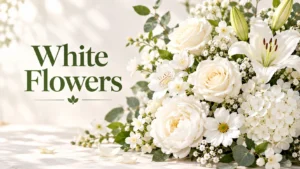
White flowers are the ultimate sophisticates of the garden. They do not compete for attention, they simply command it. While bold reds and cheerful yellows shout for notice in daylight, white blooms wait patiently, then reveal their real magic once the light grows soft and blue.
Ask any garden designer, florist, or bride why they return to white flowers again and again, and you will hear the same answer: white is never boring. It is the most versatile flower color that exists, equally at home in a rustic cottage border, a sleek modern courtyard, or a candlelit wedding altar. White flowers pair effortlessly with every other hue, calm a busy planting scheme, and photograph beautifully in every kind of light.
This guide walks through everything worth knowing about white flowering plants, from the classic white rose to the quietly magical snowdrop, along with practical care tips, seasonal blooming charts, meaning and symbolism, and a full section dedicated to building your own moon garden. At Plant Style Home we celebrate every flower color and variety, so if you fall in love with white blooms here, explore our complete collection of flower and plant guides for even more inspiration.
Why White Flowers Are Never Boring
It is easy to underestimate white flowers. They seem simple at first glance, almost plain next to a border bursting with color. Spend a season with them, though, and that impression disappears completely.
White reflects moonlight. No other flower color behaves quite like white after sunset. As darkness settles in, most colors simply vanish into the gloom, but white petals catch the last light of dusk and the glow of the moon, seeming to hover above the ground like small lanterns.
White works with every color. A garden built around white flowers never clashes. White softens hot pinks, cools down fiery oranges, and gives deep purples somewhere to rest. Designers often call white the “peacemaker” of the plant palette because it makes every neighboring color look more intentional.
White creates calm and peace. There is a reason spas, meditation gardens, and quiet reading nooks so often lean on white blooms. The color has a naturally soothing effect, lowering the visual noise of a space without making it feel empty.
White is the wedding flower of choice worldwide. From white roses to lily of the valley, white flowers have represented purity, new beginnings, and elegance across centuries and cultures, which is exactly why bridal bouquets still lean so heavily on this single color.
White looks luxurious in any setting. A single white orchid on a hallway table, a mass of white hydrangea by a front door, a cascade of white wisteria over a pergola: white flowers instantly elevate a space, adding a sense of quiet richness that colorful plantings often struggle to match.
Best White Flowers: Complete List
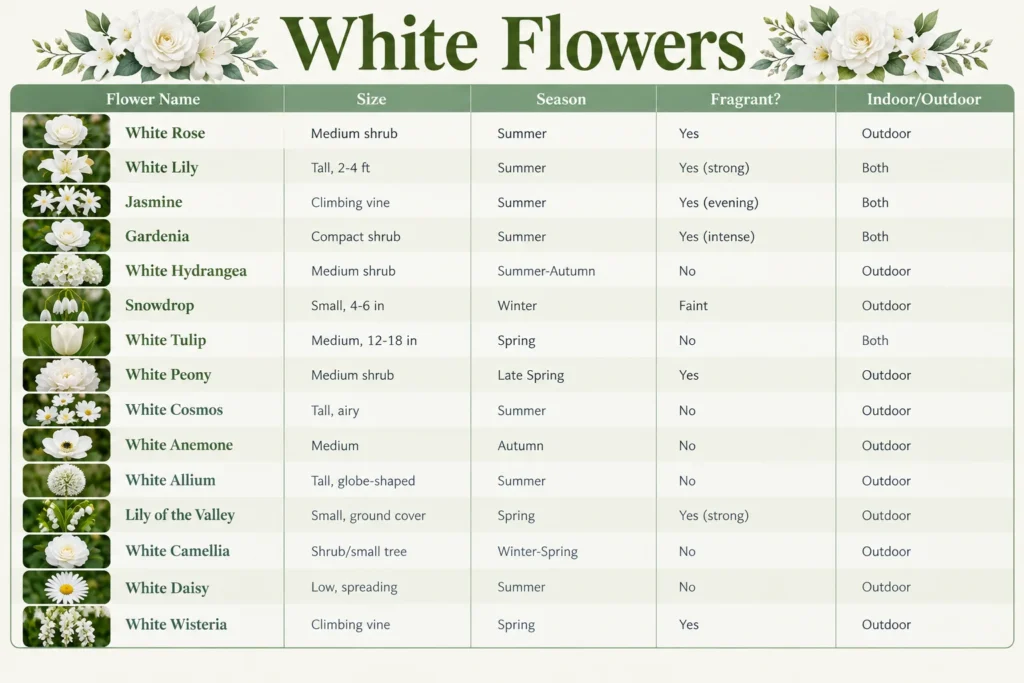
Before diving into detailed profiles, here is a quick reference table covering the most popular white flowering plants, their size, blooming season, fragrance, and whether they thrive indoors, outdoors, or both.
Top White Flowers: A Detailed Guide
White Rose
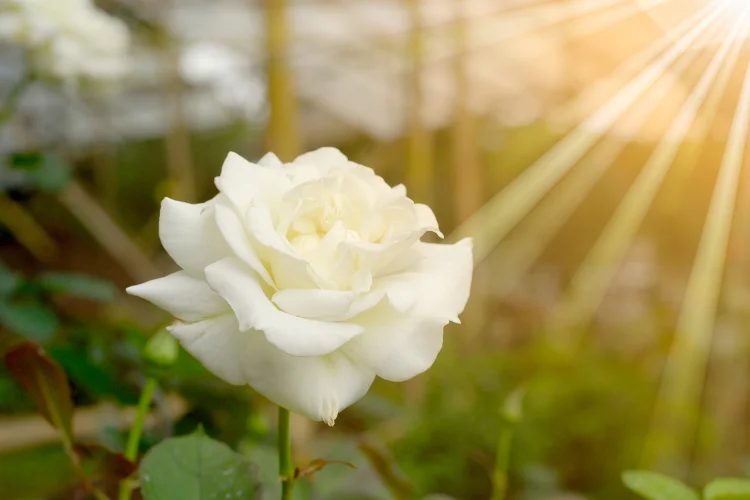
The white rose is the classic bridal flower and, for many people, the very first image that comes to mind when they hear the words white flowers. It represents purity and new beginnings, which is why it remains the top choice for wedding bouquets around the world.
Popular varieties include ‘Mount Shasta’, ‘Iceberg’, and the fragrant ‘White O’Hara’. Some cultivars carry a soft, classic rose scent while others are bred mainly for form and long vase life.
Care tips:
- Plant in full sun with at least six hours of direct light daily
- Water deeply once or twice a week rather than shallow daily sprinkles
- Prune in early spring to encourage strong new growth
- Feed with a balanced rose fertilizer through the growing season
Lily (White)
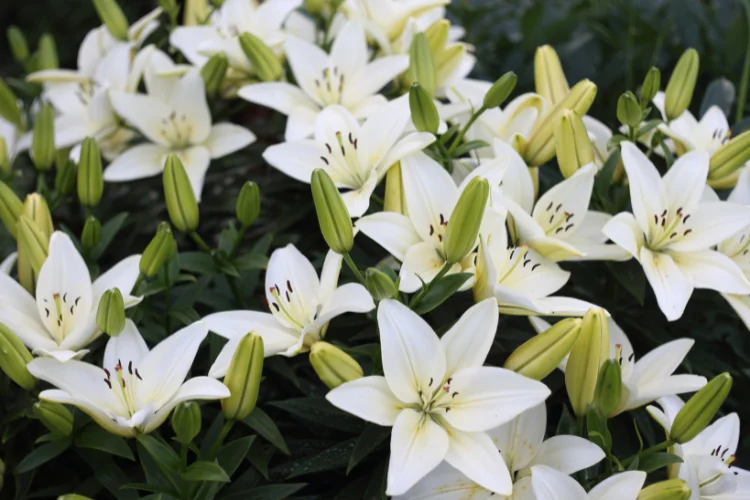
Few flowers make a statement quite like the white lily. The ‘Casa Blanca’ variety is often called the fragrant giant of the flower world, with blooms that can reach eight inches across and a scent that fills an entire room.
The white Easter lily carries deep religious symbolism tied to renewal and rebirth, which is why it appears so often in spring celebrations and church displays.
Care tips:
- Plant bulbs in well-draining soil, pointed side up
- Choose a spot with morning sun and afternoon shade in hot climates
- For indoor forcing, chill bulbs for several weeks before potting
- Stake tall stems to prevent flopping once buds open
Jasmine
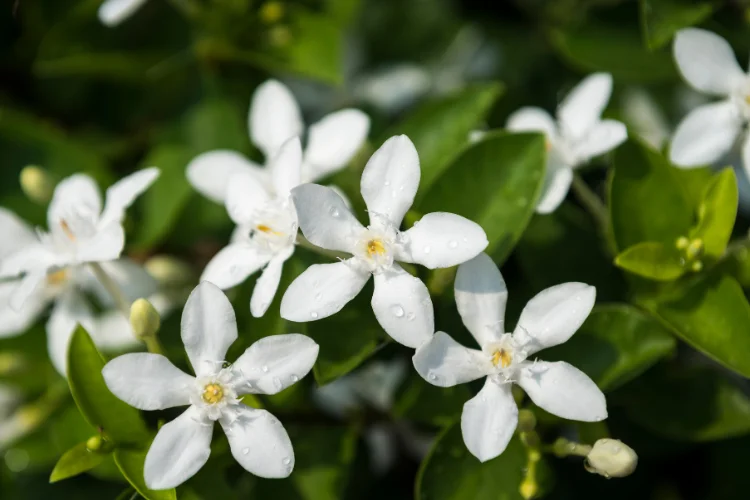
Jasmine is one of the most beloved white fragrant flowers, and its reputation is well earned. This climbing vine releases its sweetest scent in the evening, making it a favorite for patios, arbors, and gardens meant to be enjoyed after dark.
In many South Asian cultures, jasmine is woven into garlands and is a treasured Indian bridal flower. Tea jasmine, a slightly different variety, is prized for scenting green tea leaves.
Care tips:
- Give jasmine a trellis or fence to climb
- Water regularly but allow soil to dry slightly between waterings
- Prune after flowering to keep growth tidy
- Bring potted jasmine indoors before the first frost
Jasmine is one of the most beloved white fragrant flowers, and it deserves its own deep dive. Read our complete dedicated guide on Jasmine Flowers for full care tips and varieties.
Gardenia
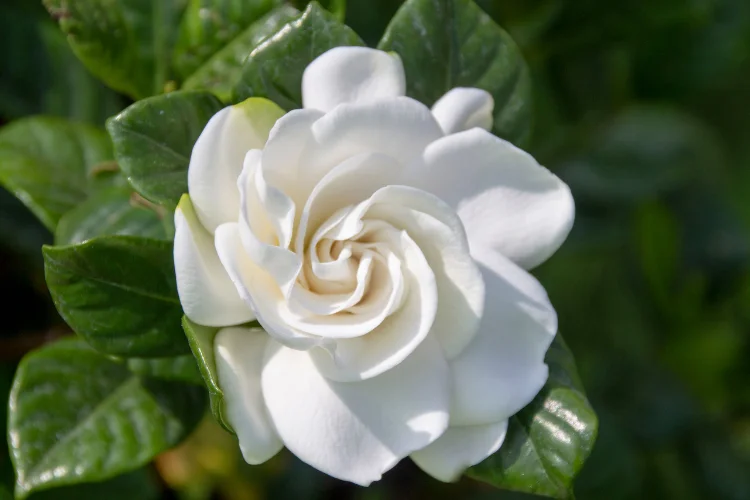
Gardenia is famous for one thing above all: its intoxicating fragrance. A single gardenia blossom can perfume an entire patio, and its glossy, deep green leaves make it attractive even between blooms.
This flower is a classic choice for wedding boutonnieres and corsages, prized for holding its shape and scent through a long ceremony.
Care tips:
- Provide bright, indirect light indoors, or partial sun outdoors
- Keep humidity high, gardenias dislike dry air
- Use acidic, well-draining potting soil
- Avoid moving the plant once buds have formed, as gardenias are sensitive to change
White Hydrangea
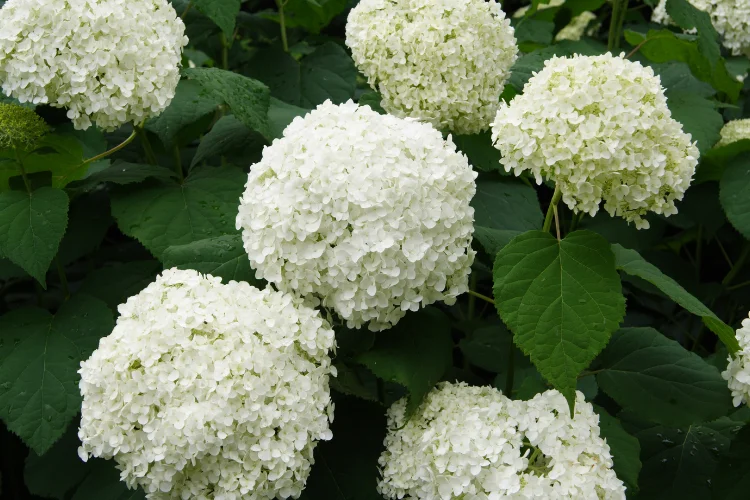
The white hydrangea is a garden workhorse, producing enormous mophead or lacecap blooms that last for weeks. As the season shifts, many varieties age gracefully into soft green or antique pink tones.
These flowers dry beautifully, making them a favorite for everlasting arrangements and wreaths long after the growing season ends.
Care tips:
- Plant in partial shade, especially in warmer climates
- Water consistently, hydrangeas are thirsty plants
- Mulch around the base to retain moisture
- Cut stems for drying just as blooms begin to feel papery
Snowdrop (Galanthus)
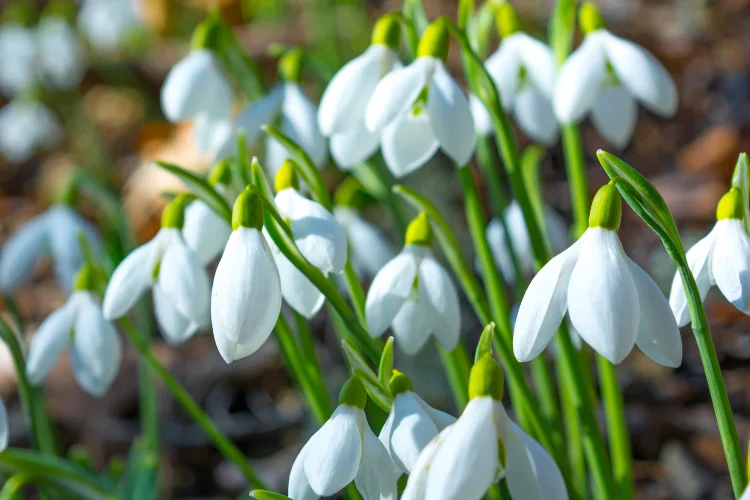
The snowdrop is often the very first flower of winter, pushing up through frost and even snow when almost nothing else in the garden is stirring. Its nodding white bells carry a quiet, hopeful symbolism, a signal that spring is not far away.
Snowdrop is January’s birth flower, connecting it to renewal and resilience in birth flower traditions.
Care tips:
- Plant bulbs in early autumn in a spot with partial shade
- Allow snowdrops to naturalize by leaving foliage intact after blooming
- Divide clumps every few years to encourage spreading
- Avoid letting soil dry out completely during the growing period
Snowdrop is January’s birth flower, and we go into far more depth on its history and meaning in our guide on January Birth Flowers for snowdrop meaning and winter gifting inspiration.
White Tulip
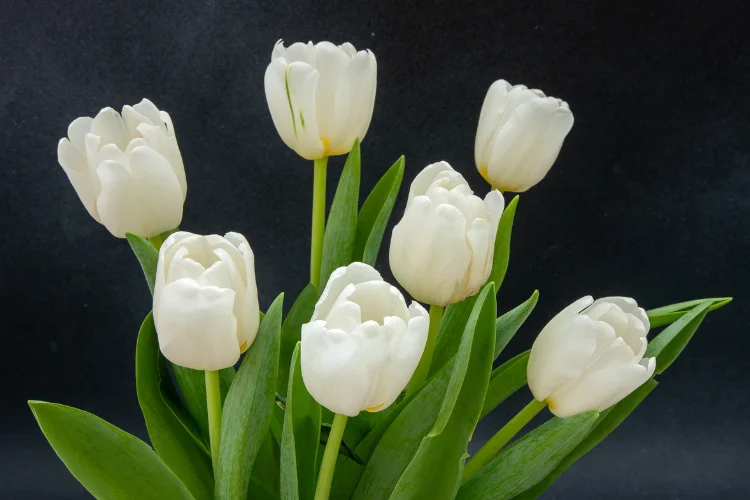
The white tulip is an elegant spring classic, bringing crisp, clean structure to beds, borders, and containers alike. Its simple form makes it endlessly versatile, whether massed together or mixed with other spring bulbs.
Many gardeners force white tulip bulbs indoors during winter for an early taste of spring on a windowsill.
Care tips:
- Plant bulbs in autumn, roughly six inches deep
- Choose a well-draining spot in full sun
- Allow foliage to yellow naturally before removing it
- For indoor forcing, chill bulbs for ten to twelve weeks before planting in soil or water
White Peony
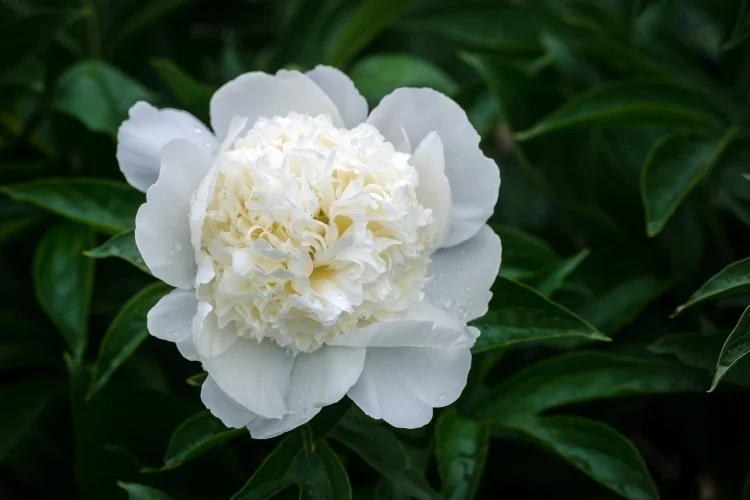
Many gardeners consider the white peony the most romantic white flower of them all. Its enormous, ruffled blooms and soft fragrance have made it a June wedding staple for generations.
Peonies bring an unmistakable luxury feel to any bed or bouquet, and a single mature plant can produce dozens of blooms each spring.
Care tips:
- Plant with the eyes no more than two inches below soil level
- Choose a sunny spot with excellent drainage
- Support heavy blooms with peony rings or stakes
- Be patient, peonies often take two to three years to reach full bloom
White Cosmos
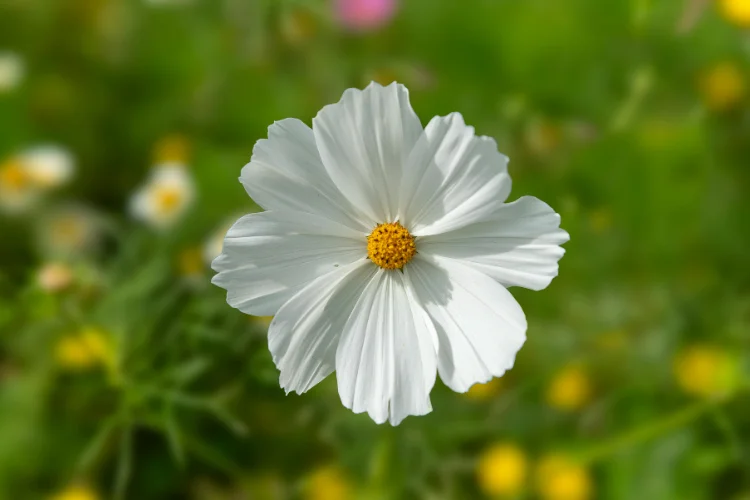
White cosmos brings a delicate, feathery texture to summer borders, moving gently in the slightest breeze. It self-seeds readily, so a single planting can return year after year with almost no effort.
This flower is a genuine moon garden star, its papery petals seeming to glow once the light fades.
Care tips:
- Sow seeds directly in the garden after the last frost
- Choose a sunny location with average, well-draining soil
- Deadhead spent blooms to encourage continuous flowering
- Avoid over-fertilizing, which produces foliage at the expense of flowers
White Anemone
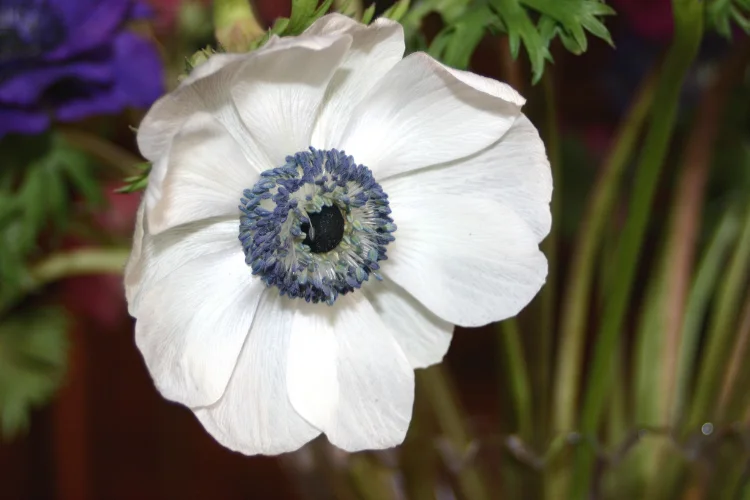
The white anemone, particularly the Japanese anemone, is an autumn bloomer that brings unexpected freshness to a season otherwise dominated by orange and gold. Its elegant simplicity makes it a favorite among minimalist gardeners.
Unlike many white flowers on this list, anemone tolerates and even prefers a bit of shade.
Care tips:
- Plant in partial shade with rich, moisture-retentive soil
- Water regularly during dry spells
- Mulch in colder climates to protect roots over winter
- Divide clumps every few years to maintain vigor
White Allium
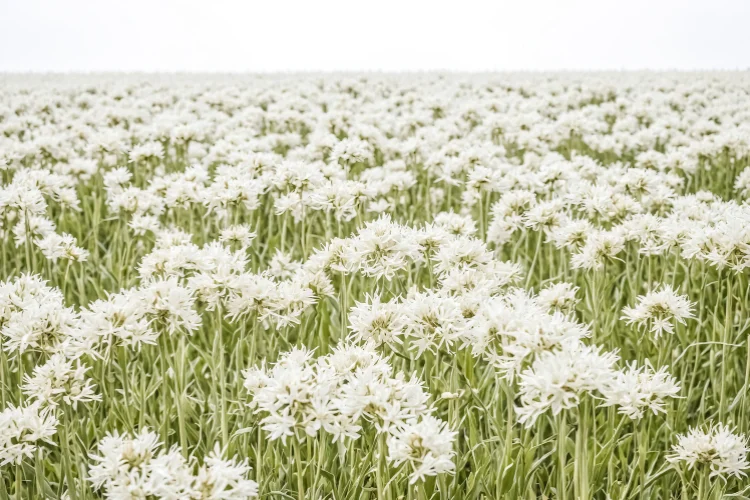
White allium stands out for its architectural, globe-shaped blooms that rise above the surrounding foliage on tall, slender stems. It adds unusual beauty and vertical structure to summer beds.
The rounded flower heads are actually made up of dozens of tiny individual florets, giving them intricate detail up close.
Care tips:
- Plant bulbs in autumn in full sun
- Choose well-draining soil to prevent bulb rot
- Leave dried seed heads in place for winter interest
- Pair with lower-growing perennials to hide fading foliage
Lily of the Valley
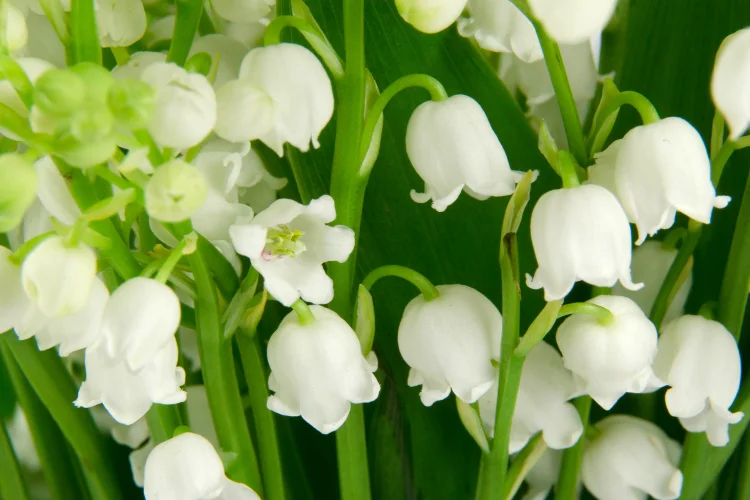
Lily of the valley produces tiny, bell-shaped miniature flowers with an intensely fragrant scent that far outweighs their size. It has long been associated with May as its birth flower and is treasured in bridal bouquets, most famously carried by Kate Middleton at her royal wedding.
This shade lover spreads readily once established, forming a fragrant ground cover beneath trees.
Care tips:
- Plant in full to partial shade
- Provide rich, moist, well-draining soil
- Divide crowded clumps in early autumn
- Handle with care, as all parts of the plant are toxic if ingested
White Camellia
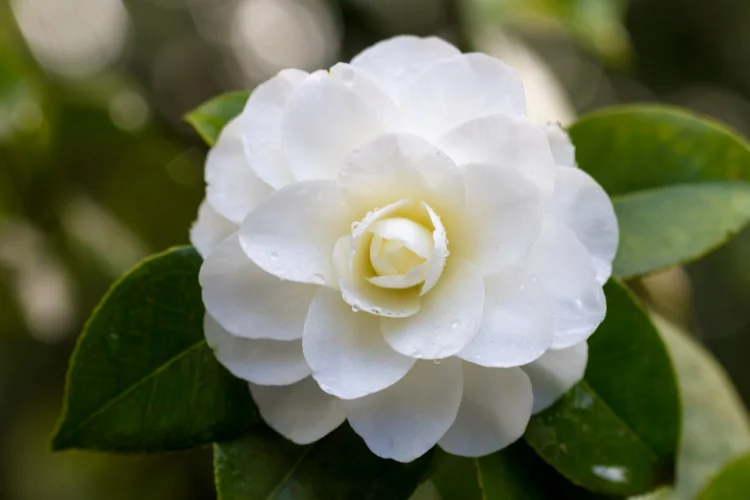
The white camellia is a winter and early spring bloomer prized for its glossy leaves and flawless, waxy petals. In Japanese culture, camellia carries deep significance, historically associated with the samurai class and often featured in tea ceremony settings.
Its structured form and long blooming season make it a garden anchor during the quietest months of the year.
Care tips:
- Plant in partial shade with acidic, well-draining soil
- Protect from harsh winter winds
- Water consistently but avoid soggy soil
- Mulch to retain moisture and regulate soil temperature
White Daisy
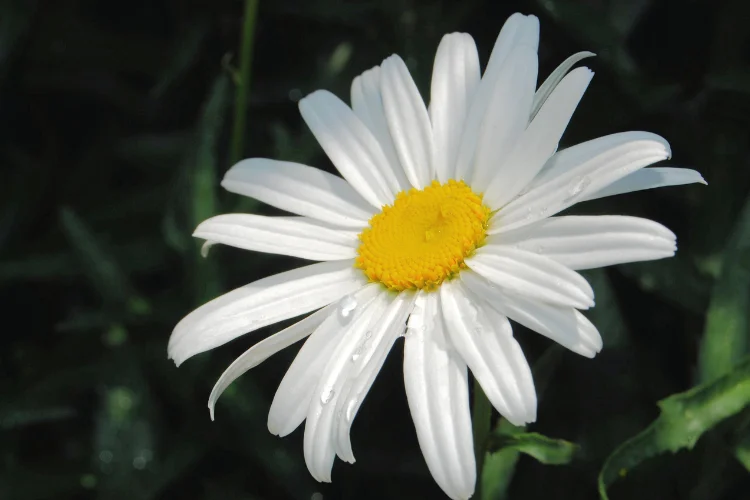
The white daisy brings cheerful simplicity and unmistakable wildflower charm to any planting. Few flowers feel as approachable, and few bloom as generously across an entire summer.
Its long blooming season makes it one of the easiest and most rewarding white flowers for beginner gardeners.
Care tips:
- Plant in full sun with average, well-draining soil
- Deadhead regularly to extend the blooming period
- Divide clumps every few years to keep plants vigorous
- Water moderately, daisies tolerate light drought once established
White Wisteria
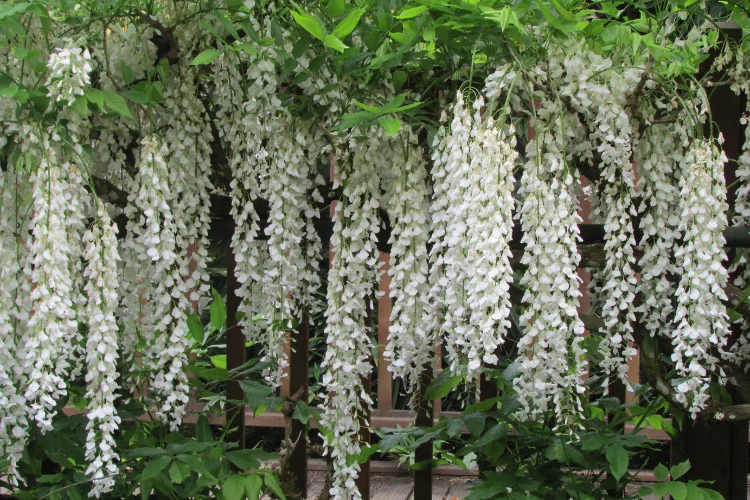
White wisteria is a climbing fragrant cascade that puts on one of the most spectacular displays in the entire garden world. Long, draping clusters of white blooms create a living curtain over pergolas, arbors, and fences each spring.
This is a plant that rewards patience and firm pruning discipline.
Care tips:
- Plant in full sun for the best bloom production
- Provide a sturdy structure, mature vines become heavy
- Prune twice yearly, in summer and again in late winter
- Be patient, wisteria can take several years to reach full flowering maturity
White Flowers by Season
One of the joys of white flowering plants is that something is blooming in nearly every season.
White winter flowers:
- Snowdrop
- Camellia
- Hellebore
- Paperwhite narcissus
White spring flowers:
- White tulip
- Lily of the valley
- White allium
- Cherry blossom
Summer flowers:
- White rose
- Gardenia
- Jasmine
- White hydrangea
- White cosmos
White autumn flowers:
- White anemone
- White cosmos
- White chrysanthemum
Planning with this rhythm in mind means a white garden never has to sit empty, even in the depths of winter.
White Flowers for Different Purposes
Not every white flower serves the same role. Here is how to choose the right one for the job at hand.
Best white flowers for weddings (top favorites): white rose, peony, lily of the valley, gardenia, white ranunculus, white anemone, white hydrangea, white orchid, jasmine, and white tulip.
Top white flowers for shade: white anemone, lily of the valley, hellebore, and astilbe.
Best white flowers for containers: white petunia, white geranium, white begonia, and dwarf white hydrangea.
Ideal white flowers for cutting: white rose, white peony, white cosmos, and white hydrangea.
Favorite white flowers indoors: white orchid, gardenia, jasmine, and white lily.
Standout fragrant white flowers: gardenia, jasmine, white lily, lily of the valley, and white peony.
Best white wildflowers: white daisy, Queen Anne’s lace, white clover, and yarrow.
Great white flowers for beginners: white daisy, white cosmos, and white petunia, all of which forgive minor mistakes and bloom generously.
The Moon Garden: White Flowers at Night
If there is one section that turns casual white flower appreciation into genuine obsession, it is the moon garden.
A moon garden is a planting designed specifically to be enjoyed after sunset, built around pale and white blooms, silvery foliage, and fragrant evening bloomers. It is a garden meant not for midday admiration, but for the quiet hour after dinner when the sky turns violet.
Why do white flowers glow at dusk? White petals reflect nearly all visible light, including the faint blue tones of moonlight, while darker colors absorb it and disappear into shadow. The result is almost theatrical, pale blooms seeming to float above the darkening ground.
Best white flowers for a moon garden: white cosmos, white peony, moonflower vine, white datura, evening primrose, and white nicotiana.
Fragrant white flowers for evening: jasmine, gardenia, and night-blooming jasmine, all of which release their strongest scent once temperatures cool.
White flowers are magical at night, and one plant in particular deserves special attention. Our guide on Night Blooming Jasmine reveals the most enchanting white flower for your moon garden.
Moon garden design layout tips:
- Place pale blooms along the edges of paths where they catch ambient light
- Add reflective elements like white gravel, light stone, or a small water feature
- Position fragrant plants near seating areas so their scent carries in still evening air
- Use silvery foliage plants like dusty miller to bridge the gaps between blooms
- Keep artificial lighting minimal, letting moonlight do most of the work
White Flower Meaning and Symbolism
White flower meaning runs deep across cultures and centuries, and it is rarely just decorative.
In general terms, white flowers represent purity, innocence, peace, and new beginnings. In many traditions they also carry a spiritual meaning tied to reverence and remembrance, which is part of why they appear at both weddings and funerals.
The bridal tradition of white flowers actually has a fairly specific origin. It traces back largely to the Victorian era, when Queen Victoria wore a white gown and carried white flowers for her wedding, cementing white as the standard for bridal elegance ever since.
White flowers for funerals carry a different but related meaning: sympathy, peace, and the honoring of a life. Lilies, in particular, are widely used in funeral arrangements across many Western cultures, symbolizing the restored innocence of the soul.
As gifts, white flowers work well for a surprising range of occasions, from congratulating a new parent to expressing condolences, so the specific flower and arrangement matter more than the color alone. A bouquet of white roses might celebrate a new beginning, while a single white lily might be chosen to express quiet sympathy.
Cultural white flower meanings vary widely around the world. In parts of Asia, white is traditionally the color of mourning rather than celebration, which is worth knowing before sending flowers internationally. In India, white jasmine holds joyful, celebratory associations instead. Understanding these differences matters, especially when white flowers are being chosen as a gift across cultures.
Designing With White Flowers
An all-white garden, often simply called a white garden, has inspired designers for nearly a century, most famously the legendary White Garden at Sissinghurst Castle in England. That single planting scheme proved that restraint in color could feel far richer than a riot of every hue at once.
Pairing white with green only creates a sophisticated, modern look that reads as calm and intentional in almost any climate or architectural style.
A white and blue combination brings a cool, elegant pairing, evoking the feeling of moonlight even in daylight hours.
Adding purple to the mix brings a touch of drama and depth without disrupting the overall sense of serenity.
Cottage garden style leans into abundance, letting white roses, cosmos, and daisies spill loosely over paths and fences.
Modern minimalist gardens take the opposite approach, using structured white blooms like allium or clipped hydrangea in clean, geometric beds.
For containers, try pairing white petunias with silver foliage in matching ceramic pots, lining an entryway with white geraniums, or filling a single oversized planter with layered white blooms of different heights and textures.
Frequently Asked Questions
White roses, white lilies, white hydrangea, jasmine, and gardenia consistently rank among the most popular white flowering plants for gardens, bouquets, and indoor arrangements.
White flowers typically represent purity, respect, sympathy, or new beginnings, though the exact meaning shifts depending on the specific flower, the occasion, and the culture of the recipient.
White roses, peonies, lily of the valley, gardenia, and white hydrangea are among the most requested bridal flowers, each offering a slightly different texture, fragrance, and level of formality.
Gardenia, jasmine, white lily, lily of the valley, and white peony are among the most fragrant white flowers, with several releasing their strongest scent in the evening.
Snowdrop, camellia, hellebore, and paperwhite narcissus all bloom during the winter months, bringing life to the garden when little else is flowering.
A moon garden is a garden planted specifically with white and pale flowers, reflective materials, and evening-fragrant blooms, designed to be enjoyed after dark when white petals catch and reflect the available light.
Final Thoughts
White flowers are never boring. They are the most versatile flower color in the garden, glowing at dusk like nothing else, working effortlessly with every neighboring hue, and carrying centuries of meaning wherever they appear. A garden with white flowers glows at dusk like nothing else, turning an ordinary evening walk into something quietly extraordinary.
Whether it is a single white peony in a vase, a hedge of white hydrangea by the front door, or an entire moon garden built for evening enjoyment, white flowers bring sophistication, purity, and peace to any space they touch. If this guide has sparked an interest in white flowering plants, consider starting small, one white rose or a handful of snowdrop bulbs, and let the collection grow from there.
Explore our complete collection of flower and plant guides at Plant Style Home for more inspiration on building the garden you have been imagining.