If you were born in January, you already know your birthday falls in one of the coziest, most reflective months of the year. New beginnings are in the air, resolutions are being made, and the world feels quietly full of promise. It only makes sense that January babies get not one but two birth flowers to celebrate that spirit.
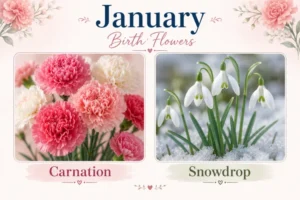
The January birth flowers are the Carnation and the Snowdrop, and together they tell a beautiful story. One represents deep, enduring love and admiration. The other represents hope, resilience, and the courage to bloom even in the coldest season. Honestly, that combination could not fit January babies any better.
Maybe you are shopping for a January birthday gift. Perhaps you are planning a winter garden instead. Or you might simply be curious about the flower that shares your birth month.
Either way, this guide covers everything you need to know about the January birth flower. You’ll find its meanings, its history, and how to grow and gift it well.
At Plant Style Home, we love helping you discover the meaning behind every birth flower. January is a wonderful place to start.
What Are the January Birth Flowers?
January is one of only a handful of months assigned two official birth flowers instead of one. The Carnation is considered the primary birth flower for January, while the Snowdrop serves as its gentle, secondary companion.
The Carnation is bold, ruffled, and long-lasting, a flower that has symbolized love and fascination for centuries. The Snowdrop, on the other hand, is tiny and delicate, often pushing up through frost and snow before almost anything else dares to bloom.
Together they capture the full personality of a January birthday. One flower brings warmth and passion indoors during the coldest months. The other brings quiet strength, blooming outdoors when the rest of the garden is still asleep.
The tradition of assigning flowers to birth months dates back centuries, with roots in ancient Rome and later flourishing during the Victorian era, when flowers carried entire secret languages. Victorians used blooms to express feelings that were considered improper to say out loud, and birth flowers became a way to celebrate someone’s personality and the season of their arrival into the world. That tradition has carried all the way to today, and it is part of why gifting a birth flower still feels so personal.
Carnation: January’s Primary Birth Flower
Carnation Appearance and Colors
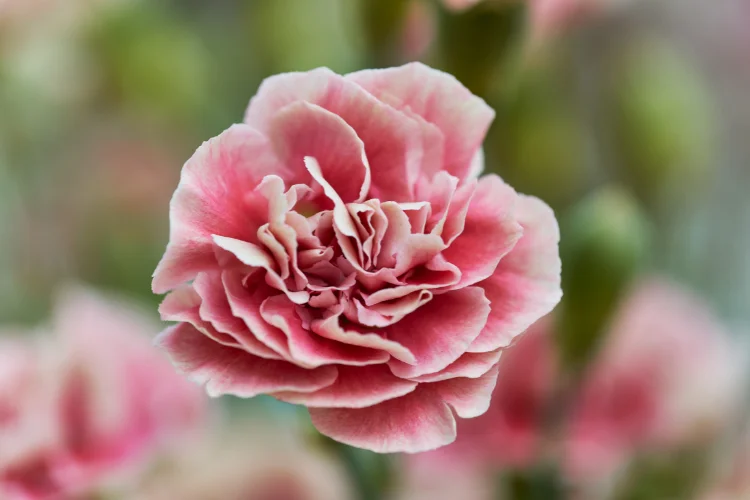
The Carnation, scientifically known as Dianthus caryophyllus, is instantly recognizable by its ruffled, layered petals and sweet, spicy scent. The blooms are full and long-stemmed, which is exactly why they last so beautifully in a vase.
Carnations come in an impressive range of colors, including:
- Red
- Pink
- White
- Yellow
- Purple
- Bi-color and striped varieties
For a January birthday specifically, deep red and soft pink carnations tend to feel the most meaningful, since they lean into themes of love, admiration, and gratitude that suit a winter celebration so well.
Carnation Meaning and Symbolism
At its core, the Carnation symbolizes love, fascination, and distinction. It has long been considered a flower of devotion, given between people who admire each other deeply.
Different colors shift the meaning slightly, which makes the Carnation one of the most expressive flowers you can gift. A red bloom leans romantic, a pink bloom leans grateful, and a white bloom leans pure and heartfelt.
This layered symbolism is part of what makes the Carnation such a fitting birth flower for January. It gives every gift-giver a way to say something specific, not just “happy birthday,” but something closer to “I truly admire you.”
Carnation History and Origins
The name Carnation is believed to come from the Latin word incarnatio, meaning “incarnation” or “flesh,” a nod to its natural pink-toned petals. Some historians instead trace it to corona, referencing its use in ancient Greek ceremonial crowns.
Carnations appear throughout Greek mythology and were used in garlands and coronation ceremonies thousands of years ago. Ancient cultures prized the flower not just for its beauty but for its fragrance, which was often used in early perfumes and medicinal remedies.
Over time, the Carnation became a symbol of Mother’s Day, weddings, and remembrance, cementing its place as one of the most emotionally rich flowers in Western culture.
How to Grow Carnations
Carnations are surprisingly easy to grow, even for beginner gardeners, which makes them a lovely living gift for a January birthday.
- Sunlight: Full sun, at least six hours a day
- Soil: Well-draining, slightly alkaline soil
- Watering: Moderate, allow soil to dry slightly between waterings
- Temperature: Cool climates suit them best, they dislike extreme heat
- Containers: Carnations do very well in pots, making them ideal for small gardens or balconies
With the right care, a single carnation plant can bloom for months, offering a gift that keeps growing long after the birthday candles are blown out.
Carnation as a January Gift
When choosing a Carnation for a January birthday, color matters. A deep red bouquet feels romantic and warm against the cold winter backdrop, while soft pink says gratitude and admiration in the gentlest way.
A few gift ideas worth considering:
- A monochromatic red carnation bouquet for a partner
- A mixed pastel bouquet for a friend or sister
- A single potted carnation plant for someone who loves gardening
- Carnations paired with red flowers for a bold, romantic arrangement (our Red Flowers guide has plenty of inspiration if you want to explore more red bloom pairings)
- Pressed carnation petals turned into a keepsake bookmark or card
Carnations are also famously long-lasting cut flowers, often staying fresh for two to three weeks, which makes them a practical and thoughtful choice for a birthday bouquet.
Snowdrop: January’s Secondary Birth Flower
Snowdrop Appearance and Varieties
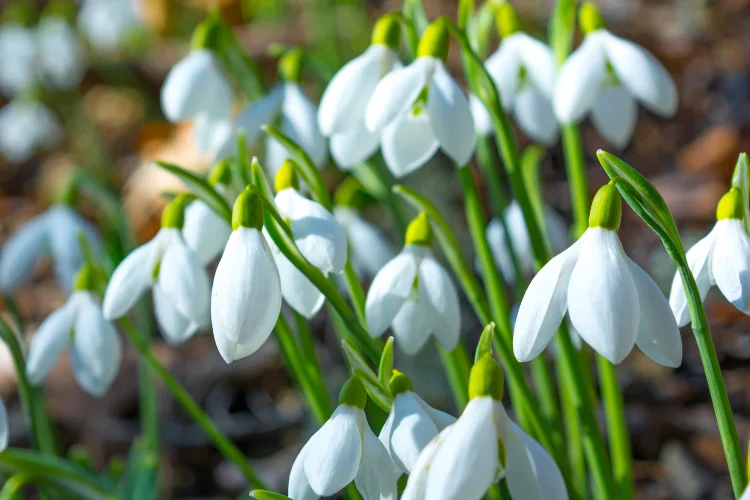
The Snowdrop, or Galanthus, is one of the very first flowers to bloom each year, sometimes even pushing through snow in late winter. Its small, nodding white bell-shaped petals give it an almost fairy-tale quality.
There are dozens of Snowdrop varieties, but the most common is Galanthus nivalis, prized for its pure white petals with a small green marking near the base. Collectors around the world, sometimes called “galanthophiles,” even seek out rare and unusual variations.
Snowdrops bloom in the dead of winter because they have adapted to take advantage of sunlight before taller plants and trees fill in overhead. It is nature’s own quiet symbol of resilience.
Snowdrop Meaning and Symbolism
The Snowdrop represents hope, purity, and new beginnings, which makes it an almost poetic match for a January birthday arriving right alongside the new year.
Because it blooms when almost nothing else will, the Snowdrop has come to symbolize courage in difficult seasons and the promise that warmth and growth are on their way. For anyone born in January, that symbolism feels especially personal.
Many people also associate the Snowdrop with comfort and consolation, a gentle reminder that beauty can still emerge even in life’s coldest, quietest moments.
Snowdrop History and Folklore
Snowdrops carry centuries of folklore across Europe. In some traditions, they were seen as a symbol of purification, often associated with Candlemas in early February.
Victorian flower language, the same system that shaped much of modern birth flower symbolism, listed the Snowdrop as a token of hope and consolation. It was often given as a quiet gesture of comfort during hard times.
Interestingly, in some older folk traditions, Snowdrops were considered unlucky to bring indoors, since their early winter bloom was linked to death and mourning. Today, however, they are far more widely celebrated as a hopeful, cheerful sign that spring is coming.
How to Grow Snowdrops
Snowdrops grow from small bulbs and are wonderfully low maintenance once established, making them a lovely addition to any January-inspired garden.
- Planting time: Late summer to early autumn, so bulbs establish before winter
- Sunlight: Partial shade, ideal for woodland-style gardens
- Soil: Moist, well-draining soil rich in organic matter
- Watering: Regular watering while establishing, then minimal once mature
- Naturalizing: Snowdrops spread beautifully over time when left undisturbed, creating drifts of white each winter
Because they multiply naturally, a small patch of Snowdrops planted today can turn into a stunning winter carpet within just a few years.
Snowdrop as a January Gift
A potted Snowdrop makes a wonderfully symbolic gift for a January birthday, especially for someone starting a new chapter in life.
Gifting Snowdrops carries a quiet, meaningful message: hope, renewal, and the belief that good things are on the way. It is a gentler alternative to a traditional bouquet, and one that keeps blooming year after year if planted outdoors.
For a thoughtful touch, pair a small potted Snowdrop with a handwritten note about new beginnings, perfect for a birthday that lands so close to the start of a brand new year.
January Birth Flowers by Zodiac Sign
January covers two zodiac signs, and interestingly, each one pairs beautifully with a different side of the January birth flowers.
Capricorn (January 1 to 19) Capricorns are grounded, ambitious, and steady, much like the Carnation, which is known for its resilience and long-lasting bloom. The Carnation’s traditional meaning of admiration and distinction suits a Capricorn’s disciplined, achievement-driven nature.
Aquarius (January 20 to 31) Aquarians are independent, forward-thinking, and a little unconventional, traits that mirror the Snowdrop beautifully. Its ability to bloom against the odds, pushing through snow before anything else dares to, reflects the Aquarius spirit of doing things its own way.
Whether your birthday leans Capricorn or Aquarius, both January birth flowers offer something worth celebrating about your personality. If you enjoy exploring how birth month and blooms connect, our guide on December Birth Flower covers the meanings behind Narcissus and Holly in the same way.
January Birth Flower Colors and Their Meanings
Color plays a huge role in what a birth flower gift actually communicates, especially with something as expressive as the Carnation.
- Red Carnation: Deep love and admiration
- Pink Carnation: Gratitude and a mother’s love
- White Carnation: Pure love and good luck
- Yellow Carnation: Friendship and joy
- Purple Carnation: Capriciousness and unpredictability
- White Snowdrop: Hope, purity, and new beginnings
Knowing these color meanings makes it much easier to choose a bouquet that says exactly what you mean, whether that is romantic love or simple gratitude.
Best January Birth Flower Gift Ideas
Choosing a gift built around the January birth flowers instantly makes a present feel more personal and considered.
- A red and pink carnation bouquet for a romantic gesture
- A potted Snowdrop bulb kit for a gardener who loves watching things grow
- Birth flower jewelry featuring a pressed Carnation or Snowdrop charm
- A DIY dried carnation wreath or shadow box for a lasting keepsake
- A candle or bath product scented with carnation notes
- Preserved carnation petals framed alongside a birthday card
If you want to preserve the moment even longer, cut carnations can be air-dried by hanging them upside down in a cool, dark room, keeping their color and shape for months as a lasting reminder of the day.
January Birth Flowers in Your Garden
Bringing both January birth flowers into your own garden creates a beautiful contrast between bold summer blooms and delicate winter ones.
Carnations thrive best planted in spring after the last frost, rewarding you with fragrant blooms through summer and into early fall. Snowdrops, in contrast, are planted in autumn and reward patient gardeners with the very first blooms of the new year.
Pairing the two creates natural companion planting throughout the seasons. While Snowdrops handle the coldest months, Carnations take over once the weather warms, meaning your garden never has to go without a bit of birth flower magic.
For inspiration, consider a small dedicated corner just for your birth flowers, mixing Snowdrop bulbs at the border with a Carnation bed further in, so the display evolves naturally as the year progresses. Once your winter garden is planned out, you might enjoy looking ahead to our guide on July Birth Flowers for ideas on what to plant once summer rolls around.
Frequently Ask Questions
January has two official birth flowers, the Carnation and the Snowdrop. The Carnation symbolizes love and admiration, while the Snowdrop represents hope and new beginnings.
The Carnation traditionally symbolizes deep love, fascination, and distinction, with specific meanings shifting slightly depending on the flower’s color.
Yes, the Snowdrop is officially recognized as January’s secondary birth flower, chosen for its symbolism of hope, purity, and resilience during winter.
Red and pink carnations are especially popular for January birthdays, representing romantic love and heartfelt gratitude, though white and yellow varieties work beautifully too.
Yes, Carnations do well in containers on a sunny windowsill, and potted Snowdrop bulbs can also be forced indoors for an early, cheerful winter bloom.
Celebrating Your January Birth Flowers
January babies get something genuinely special. Two birth flowers, each telling a different part of the same story: love that lasts, and hope that blooms no matter how cold the season gets.
Whether you choose a bold red Carnation bouquet or a gentle potted Snowdrop, gifting or growing the January birth flower is a beautiful way to honor a birthday rooted in resilience, admiration, and fresh starts.
However you choose to celebrate, the January birth flowers are a beautiful reminder that even in the coldest month, something is always ready to bloom.