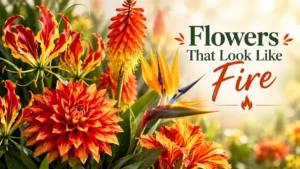
Some flowers don’t just catch your eye. They stop you in your tracks completely. Picture a border at golden hour, low light spilling across petals that seem lit from within, and you understand the pull of flowers that look like fire.
Humans have always been drawn to red, orange and flame-toned blooms. Fire stands for warmth, passion, energy and transformation, and a bed of red and orange flowers carries all of that in living form.
This guide gathers the most stunning blooms that flicker like flames or glow like embers, with honest growing notes for each. You will also find design ideas and care tips. And you can find all our plant and flower guides at PlantStyleHome, your complete resource for growing beautiful blooms and plants.
What Makes a Flower Look Like Fire?
Fire is more than a color. It is color, shape, movement and texture working together, and the best fiery flowers deliver several of these at once.
- Color: Reds, oranges and deep golden yellows do the heavy lifting. Bi-colored blooms are even better, with petals that shift from scarlet at the base to yellow at the tip, just like the core of a flame fading outward.
- Shape: Tubular blooms, upright spikes and torch-like columns echo rising flames. Cascading trumpets look like fire spilling over a wall. Nature has produced plenty of flowers that look like flames, and each one gets there by a slightly different route.
- Movement: Slender stems let the flowers sway and flicker in the slightest breeze, so a planting seems to dance even on a calm afternoon.
- Texture: Silky, crepe-paper petals catch the light and glow when the sun sits behind them.
Gardeners love these plants for more than their looks. Bold colored flowers bring instant visual impact, many are magnets for bees, butterflies and hummingbirds, and plenty keep blooming for months. Many are also excellent cut flowers, so you can carry the blaze indoors.
For a complete guide to bold red blooms, our article on Red Flowers covers dozens of stunning varieties to grow in your garden.
15 Best Flowers That Look Like Fire
Here are fifteen that earn their flame-colored reputation, from easy border staples to exotic fire-like flowers for warmer climates.
1. Crocosmia ‘Lucifer’
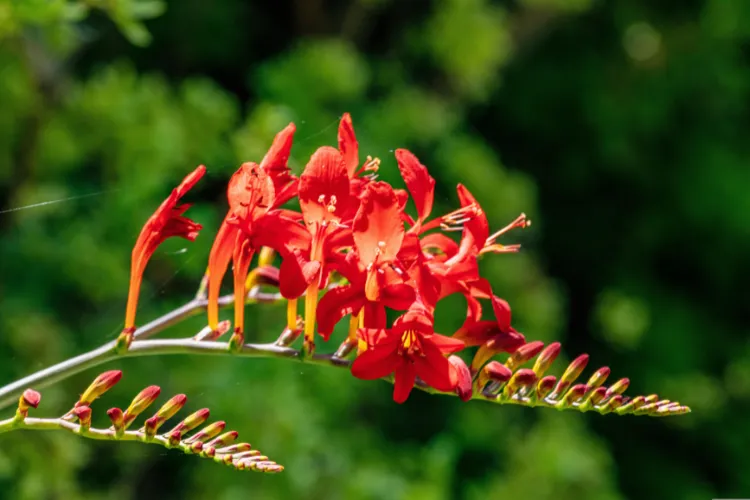
Standing in front of a Crocosmia in full bloom feels like watching a slow-motion firework display. Arching sprays of red-orange flowers burst above sword-shaped leaves in midsummer, and hummingbirds arrive almost on cue. It is easy to grow and spreads steadily by corms, which makes it ideal for filling the back of a border. Most fire-colored flowers peak in summer, and our complete guide to Summer Flowers covers everything that blooms in the hottest, brightest months.
- Care: Full sun, well-drained soil. Hardy in roughly zones 5 to 9. Mulch in colder areas.
2. Kniphofia (Red Hot Poker)
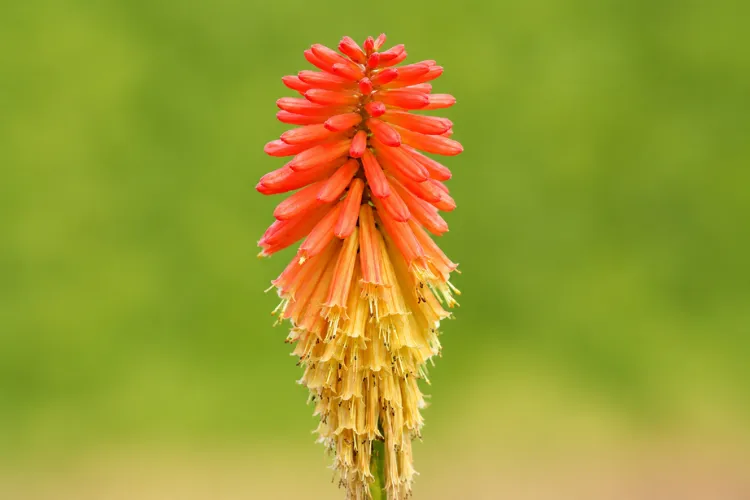
Few plants look as much like a torch as this one. Upright spikes open orange-red at the bottom and fade to yellow at the tip, so each stem resembles a burning brand. Among dramatic garden flowers it gives unmatched vertical interest, and it shrugs off dry spells once established. Try ‘Alcazar’ for a rich orange-scarlet glow.
- Care: Full sun, free-draining soil. Avoid wet winter ground.
3. Gaillardia (Blanket Flower)
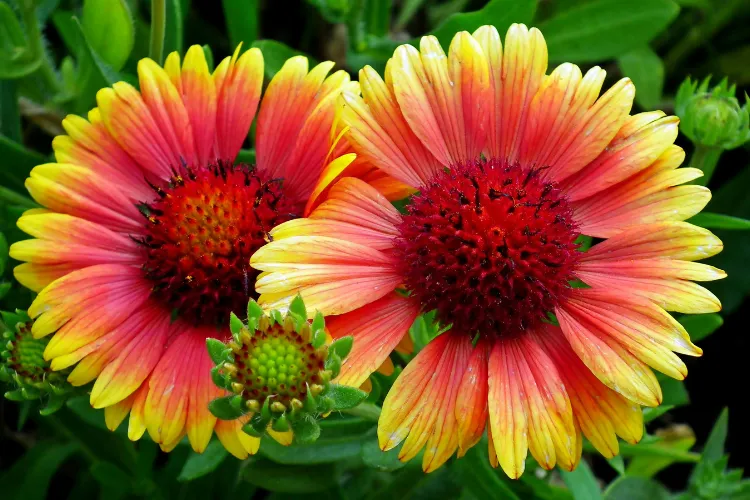
The petals look painted with flame, red at the center fading to orange and golden yellow at the edges. Blooms keep coming from late spring into October, and the plant thrives on neglect. You will find both annual and perennial forms, and ‘Arizona Sun’ stays compact enough for pots.
- Care: Full sun. Poor, sandy soil is perfectly fine. Rich soil makes it floppy.
4. Helenium (Sneezeweed)
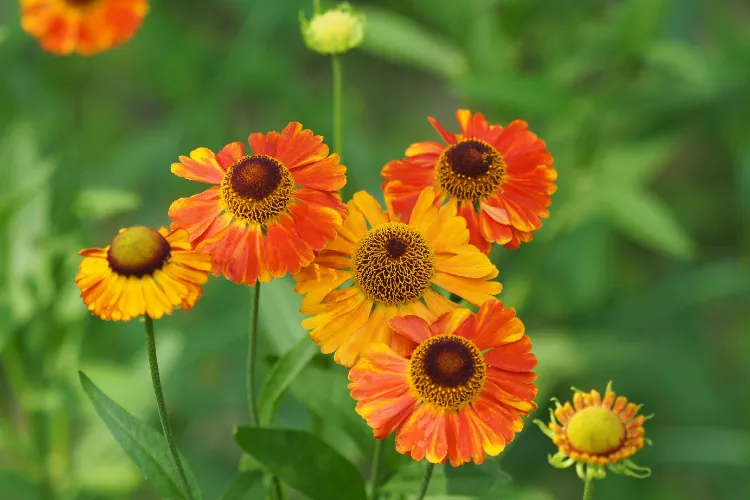
When summer tips toward autumn, Helenium takes over. Daisy-like flowers in burnt orange, copper and deep mahogany sit on tall stems, and bees and hoverflies swarm them. ‘Moerheim Beauty’ is a classic, glowing rust-red like embers in a hearth. For even more inspiration on late-season drama, our guide to Fall Flowers covers the best blooms to keep your garden glowing right into autumn.
- Care: Full sun, reliably moist soil. Divide clumps every few years.
5. Campsis radicans (Trumpet Vine)
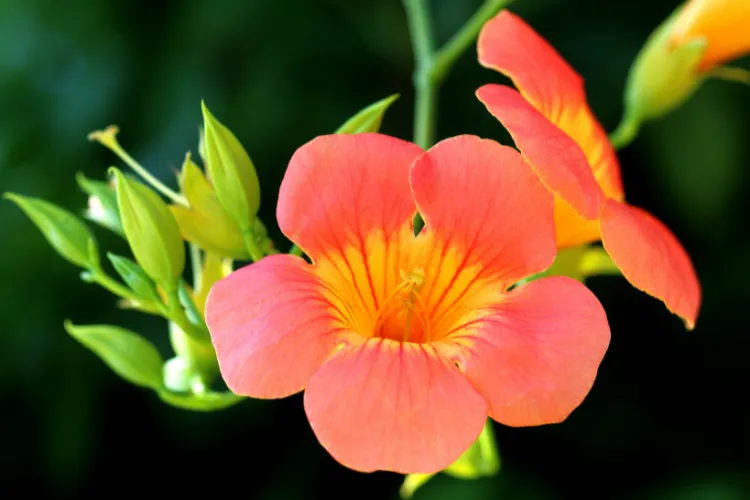
Big orange-red trumpets pour over walls and fences from midsummer onward, and hummingbirds fight over them. It is spectacular on a sturdy pergola. Be warned, though. This vine is vigorous and sends up suckers, so give it strong support and keep it well away from house foundations.
- Care: Full sun. Prune hard each late winter to keep it in check.
6. Tulipa (Flame Tulips)
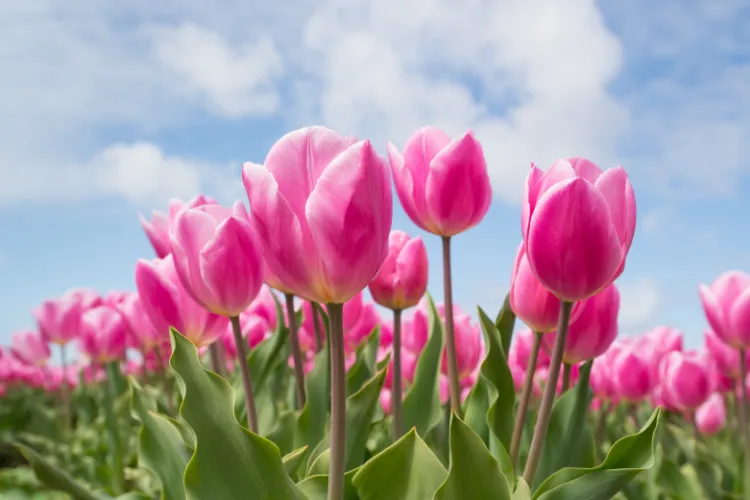
Flamed and feathered tulips look like fire licking up each petal in streaks of red, yellow and orange. The famous broken tulips of seventeenth-century Holland got their stripes from a virus, but modern varieties such as ‘Flaming Parrot’ are bred for the pattern and are perfectly safe to grow. They bring pure spring drama to beds and pots.
- Care: Full sun, well-drained soil. Plant bulbs in autumn, about three times their height deep.
7. Dahlia (Orange and Red Varieties)
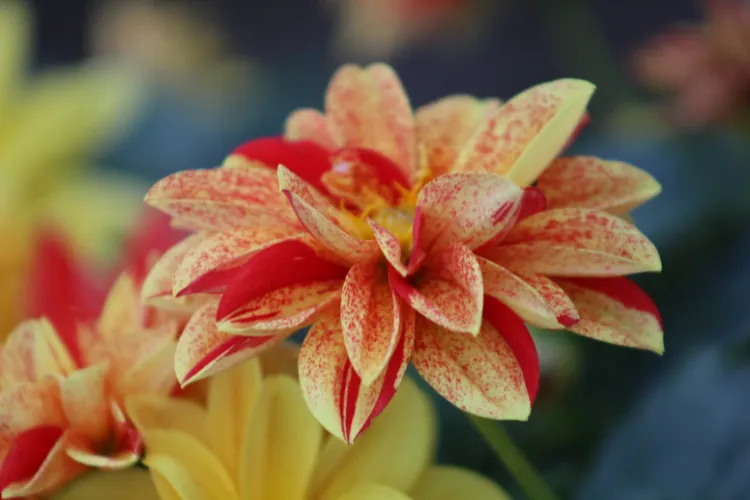
Dahlias come as dinner plates, pompons and spiky cactus forms, all in sunset shades. Hot colored blooms like ‘Bishop of Llandaff’ glow scarlet against dark foliage and keep appearing from midsummer until the first frost. The more you cut them, the more they flower.
- Care: Full sun, rich soil. Lift tubers after frost in cold climates. Guard young shoots from slugs.
8. Echinacea (Orange Meadowbrite)
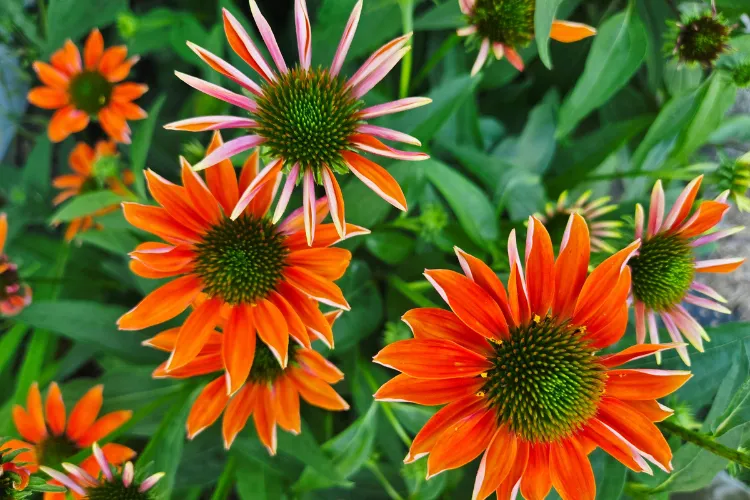
This coneflower glows a warm tangerine orange, with a copper-toned central cone that bees adore. Blooms last for weeks through summer, and the seed heads feed goldfinches in autumn if you leave them standing. Plant it in drifts of three or five and the warm color builds into a real glow, especially beside purple salvias or ornamental grasses.
- Care: Full sun, average soil. Drought tolerant once established.
9. Hemerocallis (Daylily in Hot Colors)
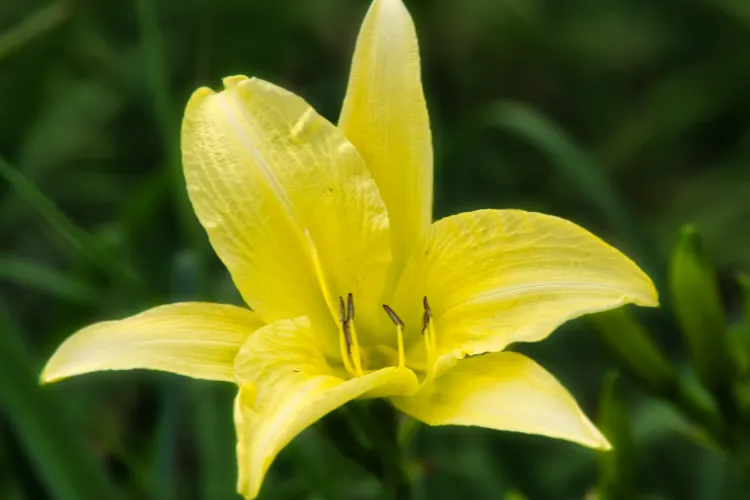
Each flower lasts only a day, yet a healthy clump sends up dozens of buds, so the show never really stops. Choose flame-colored trumpets like ‘Chicago Apache’, a deep red with a gold throat. Daylilies are tough, spread well and do fine in pots.
- Care: Full sun to part shade. Remove spent stems to keep things tidy.
10. Leonotis leonurus (Lion’s Tail)
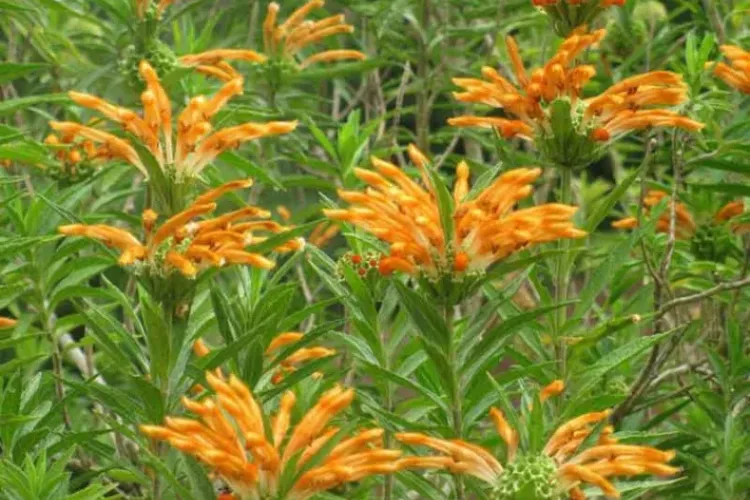
Whorls of brilliant orange flowers climb tall, square stems like tiers of fire. It looks unmistakably exotic, and it flowers from midsummer well into autumn. Sunbirds and hummingbirds love it. Grow it in a warm, sheltered spot or bring cuttings indoors for winter. Among exotic fire-like flowers, it is one of the easiest to raise from cuttings, so a single plant can become a whole hedge of orange by the following year.
- Care: Full sun, free-draining soil. Hardy in zones 8 to 11.
11. Gloriosa superba (Flame Lily)
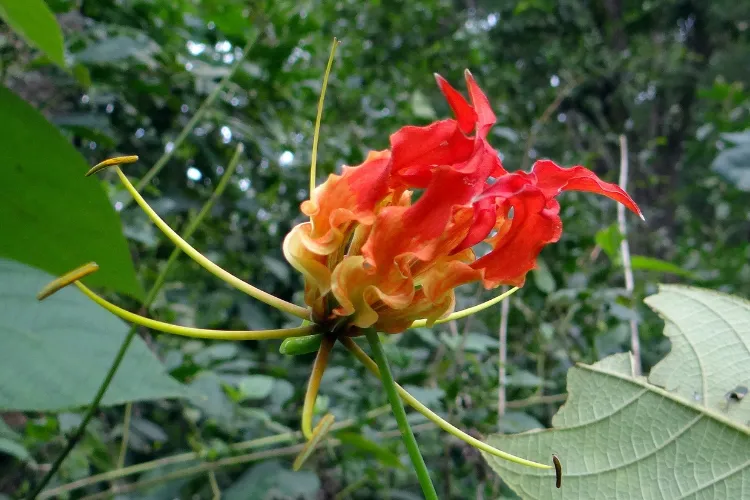
This climbing lily has red petals edged in yellow that sweep backward, so the bloom truly resembles a flame frozen mid-flicker. It is the national flower of Zimbabwe, and it is easy to see why. Handle with care, since every part of the plant is toxic.
- Care: Full sun, well-drained soil, plus something to climb. Grow in a conservatory or pot in cool climates.
12. Strelitzia (Bird of Paradise)
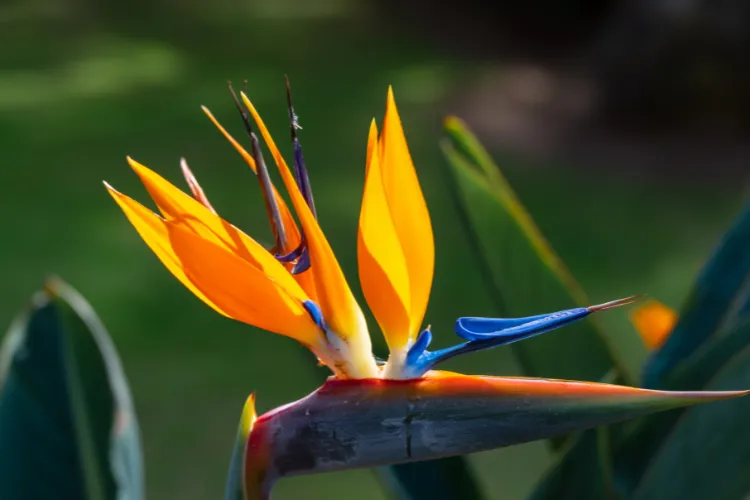
Orange and deep blue petals rise from a stiff green bract like a bird about to take flight, or a flame with a blue heart. Blooms last a long time, which makes this an outstanding cut flower and a statement houseplant when given bright light.
- Care: Full sun or very bright indoor light. Outdoors in warm climates only, zones 9 to 11.
13. Pyrostegia venusta (Flame Vine)
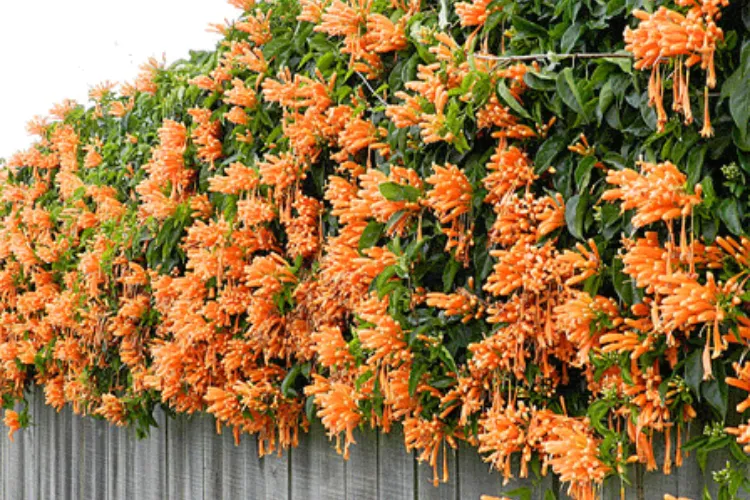
When this vine hits its stride, whole walls vanish under cascades of orange tubular blooms. In warm regions it flowers heavily in winter and early spring, when almost nothing else is bold enough to compete. It is a vine for tropical and subtropical gardens. Give it a fence, pergola or even an old shed to scramble over, and within a season or two the structure disappears beneath a sheet of glowing orange. Hummingbirds and butterflies treat it as a winter feast.
- Care: Full sun, regular water in summer. Frost tender.
14. Monarda (Bee Balm, Red Varieties)
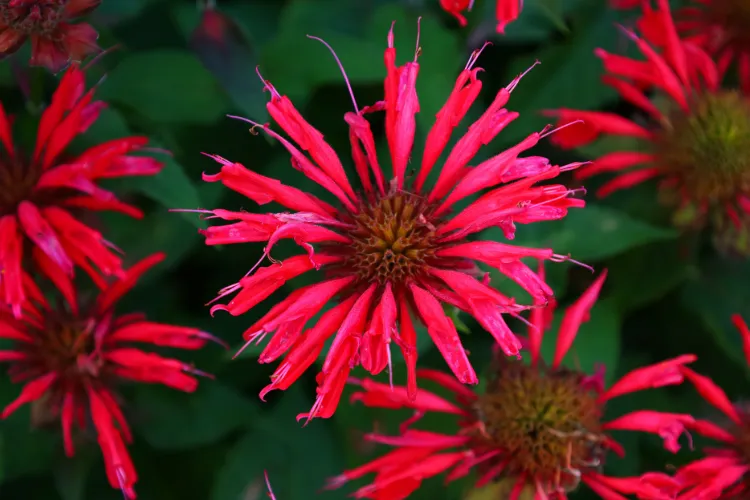
Shaggy, tousled red heads like ‘Cambridge Scarlet’ look like sparks thrown off a bonfire. The leaves smell of mint and bergamot, and pollinators of every kind swarm the flowers all summer. Good air circulation helps prevent powdery mildew. Cut a few stems for a vase and the whole room smells like Earl Grey tea. Plant them in generous clumps so the shaggy heads overlap and the border looks lit from within.
- Care: Full sun to part shade, moist soil.
15. Papaver (Oriental Poppy, Red)
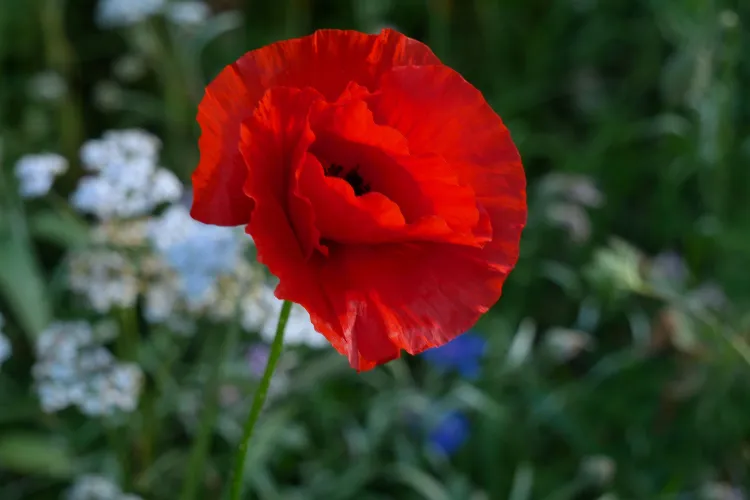
Tissue-paper petals in vivid scarlet unfurl in early summer, each with a black blotch at its heart that adds real drama. The show is brief but spectacular. Plant it among later perennials, since the foliage dies back after flowering. If you love dramatic, intense flowers, our guide to Gothic Flowers explores the darkest, most mysterious blooms in the plant world.
- Care: Full sun, well-drained soil. Goes dormant by midsummer.
Flowers That Look Like Fire for Every Garden Type
You do not need a sprawling estate to enjoy the blaze. Match the plant to your space.
- Small gardens and pots: Gaillardia, Echinacea, compact Dahlias and Daylilies all do well in containers.
- Cottage and wildlife gardens: Helenium, Monarda and Crocosmia mix happily with grasses and wildflowers.
- Tropical and exotic looks: Strelitzia, Gloriosa and Leonotis bring jungle heat. Mix them for flowers that look like flames in the most literal sense, then add Kniphofia nearby for even more dramatic garden flowers.
- Climbing and wall coverage: Campsis and Pyrostegia clothe walls, arches and fences in color.
- Cut flower gardens: Dahlia, Strelitzia, Helenium and Gloriosa all earn a place in a vase.
- Best for pollinators: Crocosmia, Monarda, Kniphofia, Echinacea and Helenium keep bees and hummingbirds busy.
How to Create a Garden Border With Flowers That Look Like Fire
A fire-themed border works best when it behaves like a real flame, shifting from one color to the next. The warm sunset tones in our guide to Orange Flowers make perfect companions for a fire-themed garden border.
- Palette: Run from deep red through burnt orange to golden yellow. The gradient is what sells the effect, and hot colored blooms look best when they flow into one another. Think of red and orange flowers as the heart of the flame, with yellow wrapped around the edges.
- Layering: Put tall spikes at the back (Kniphofia, Campsis on a support), mid-height plants in the center (Helenium, Dahlia, Crocosmia) and low edging in front (Gaillardia, Echinacea).
- Succession: Start with Tulips in spring, move to Crocosmia and Monarda in summer, and finish with Helenium and Dahlia from late summer into autumn. The fire never goes out.
- Foliage contrast: Dark purple or silvery leaves make hot colors pop. Bronze-leaved Dahlias and silver artemisia are good partners. Bold colored flowers always look richer against a calm, quiet background.
- Evening glow: Red and orange flowers seem to smolder in low evening light. Plant them near a seating area so you can watch them at dusk.
Tips for Growing Flowers That Look Like Fire
Most fiery flowers are forgiving once you get the basics right. A little attention in the first season pays off for years afterward.
- Give them sun: Aim for at least six hours of direct light daily.
- Drainage matters: Soggy roots cause rot in most hot-colored species.
- Deadhead often: Removing spent blooms extends the season by weeks.
- Stake tall types: Dahlias and Kniphofia can topple in exposed gardens.
- Feed for flowers: A high-potassium fertilizer encourages better blooming. Too much nitrogen gives you leaves instead.
- Go easy on water: Many are drought tolerant once established, so resist the urge to overwater.
- Watch for slugs: Young dahlia shoots are a favorite snack in spring, so protect them early.
Let the Fire Spread
Flowers that look like fire bring life, drama and energy to any garden or outdoor space. They warm up a gray morning, light up a dusk terrace and keep pollinators humming from spring to frost.
You do not have to plant everything at once. Start with one or two, perhaps a Crocosmia and a Red Hot Poker, and let the fire spread naturally through the garden, season by season. Before long, you will have a border that stops visitors in their tracks.