The first time I came across Yalla Choy, I was wandering through a small Asian market tucked between a hardware store and a bakery. There it was a bundle of bright, glossy greens with soft yellow-green leaves that looked almost too beautiful to eat. I asked the shop owner what it was, and she smiled: “Yalla Choy. Very fast to grow. Very good to eat.” That was all I needed to hear. By the weekend, I had seeds in the ground.
If you love growing your own food, especially vegetables that reward you quickly and generously, Yalla Choy is one you absolutely need to try. At Plant Style Home, we cover everything from exotic vegetables to beautiful flowers and garden design inspiration and Yalla Choy has quickly become one of our most beloved picks for the kitchen garden.
What Is Yalla Choy?
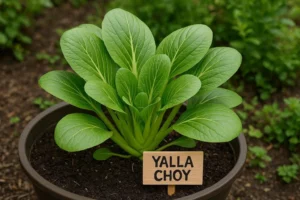
Yalla Choy is a leafy Asian vegetable belonging to the Brassica rapa family the same botanical group that gives us bok choy, napa cabbage, and turnips. The name “Yalla” is believed to reference the soft yellow-green color of its tender inner leaves, which shift to a deeper green toward the outer edges.
Originating from Southeast and East Asian growing traditions, Yalla Choy has been cultivated for generations in countries like China, Vietnam, and Thailand. It thrives in cooler, humid climates but adapts surprisingly well to a range of conditions which is part of why gardeners around the world have fallen in love with it.
What makes Yalla Choy special compared to its brassica cousins isn’t just looks. It’s the combination of fast growth, gentle flavor, and incredible versatility in the kitchen. Home gardeners love it because you can go from seed to harvest in as little as 30–45 days. That kind of turnaround is deeply satisfying especially if you’ve ever waited three months for a head of broccoli.
Yalla Choy Plant Characteristics
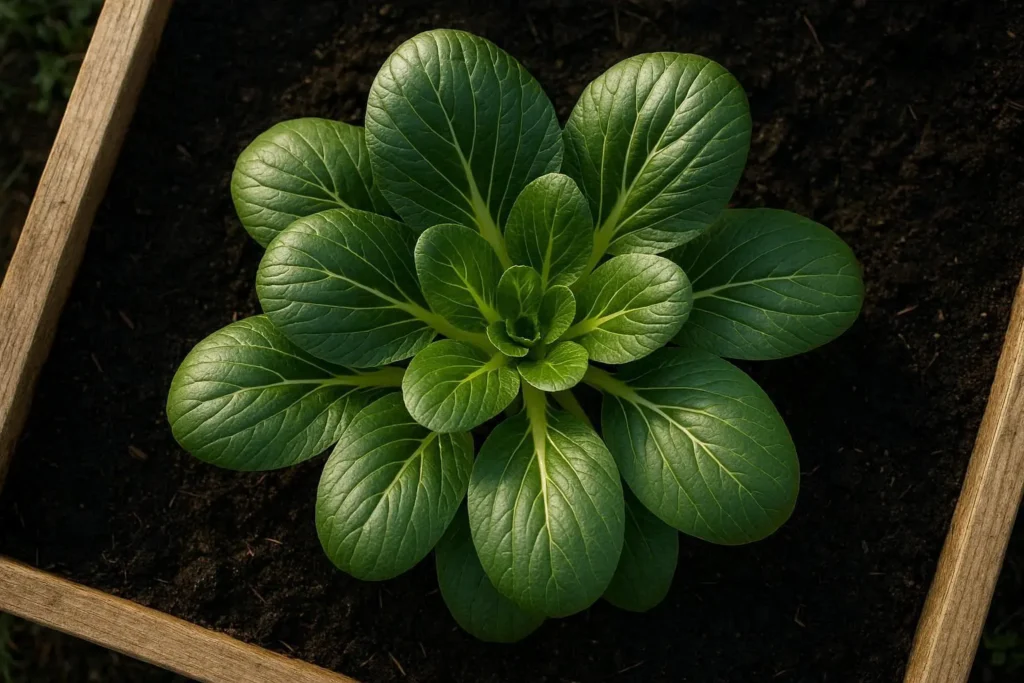
The Yalla Choy plant typically grows 20–35 cm tall with a loose, upright rosette of leaves. The outer leaves are broad, slightly wavy, and a rich medium-green. Move toward the center of the plant and you’ll find the youngest leaves tender, pale yellow-green, and almost luminous.
The texture of the leaves is smooth on top with a slight crisp to the stem, similar to bok choy but a little softer when raw. When you bite into a fresh leaf, there’s a mild, slightly sweet flavor with just a gentle hint of bitterness nothing sharp or overwhelming. It’s the kind of green that even kids who “don’t like vegetables” tend to enjoy.
Yalla Choy is a cool-season vegetable, performing best in spring and autumn. In warm climates, it can also be grown through winter. Bolt risk (when the plant rushes to flower) increases in high heat, so timing your planting right makes all the difference.
How to Grow Yalla Choy
Best Climate & Zones
Yalla Choy grows best in USDA hardiness zones 3–10, which makes it accessible to most home gardeners. It prefers temperatures between 10–22°C (50–72°F). It tolerates a light frost, which actually makes the leaves taste a little sweeter similar to what cold does to kale. Avoid planting when temperatures consistently exceed 28°C (82°F), as this accelerates bolting.
Soil Requirements
This plant isn’t fussy, but it performs best in well-draining, fertile soil with a pH between 6.0 and 7.0. Work in plenty of compost before planting Yalla Choy is a fast feeder and benefits from nutrient-rich soil from the start. If your soil is heavy clay, mix in some perlite or coarse sand to improve drainage.
Sunlight Needs
Yalla Choy needs full sun to partial shade around 4–6 hours of direct sunlight per day is ideal. In hotter climates, afternoon shade is actually a blessing; it slows bolting and keeps the leaves tender longer. Too little light, however, leads to leggy, pale plants that don’t produce well.
Planting Guide
You can direct sow seeds 0.5–1 cm deep in prepared soil, or start them indoors 3–4 weeks before your last frost date. Seeds typically germinate in 5–8 days under good conditions. Once seedlings have two sets of true leaves, thin them to your desired spacing or transplant them outdoors.
If you enjoy growing unique plants, our detailed guide on Pravi Celer is another fascinating edible plant worth growing at home it pairs beautifully with Yalla Choy in both the garden and the kitchen.
Container vs Garden Growing
One of the best things about the Yalla Choy plant is that it adapts well to container growing. Use a pot at least 25–30 cm deep and wide with good drainage holes. A single container can support 2–3 plants comfortably. For raised bed or in-ground growing, it fits neatly into small spaces and companion plants well with herbs and other brassicas.
Spacing & Location Tips
Space plants 20–25 cm apart to allow good airflow and prevent fungal issues. In rows, leave 30 cm between rows. Choose a spot sheltered from strong winds, which can damage the broad leaves and dry out the soil quickly.
Yalla Choy Care Tips
Watering Schedule
Yalla Choy loves consistent moisture think evenly damp, never soggy. Water at the base of the plant to keep foliage dry and reduce disease risk. In warm weather, daily watering may be needed. In cooler seasons, every 2–3 days is usually sufficient. Check the top 2–3 cm of soil; if it’s dry, it’s time to water.
Fertilizing Guide
Because this vegetable grows so quickly, it benefits from regular feeding. Apply a balanced liquid fertilizer (such as a 10-10-10 formula) every 2 weeks. Alternatively, top-dress with compost every few weeks during the growing season. Avoid over-fertilizing with nitrogen alone, as this can cause lush but watery leaves prone to pest damage.
Pest & Disease Control
Common pests to watch for include:
- Aphids look under leaves; blast off with water or use neem oil
- Caterpillars/cabbage worms handpick or use BT (Bacillus thuringiensis) spray
- Flea beetles tiny holes in leaves; row covers help prevent them
- Slugs especially in wet weather; use iron phosphate pellets
For disease, good airflow and avoiding overhead watering are your best prevention tools. Downy mildew and black rot can occur in damp conditions remove affected leaves immediately.
Common Growing Mistakes
- Planting too late in the season when heat causes bolting
- Inconsistent watering that stresses the plant and causes bitterness
- Crowding plants poor airflow leads to fungal problems
- Skipping compost prep thin soil means small, tough leaves
Just like Foenegriek, Yalla Choy is a versatile plant that works beautifully in both the kitchen garden and home cooking and both reward you richly when given the right conditions.
Harvesting Yalla Choy
When to Harvest
The ideal harvest window is when the plant reaches 15–25 cm tall and before it sends up a flower stalk. At this stage, the leaves are at their most tender and flavorful. This typically happens 30–45 days after sowing, depending on your climate and care routine.
You’ll know it’s time when the plant looks full and lush but hasn’t yet elongated its central stem toward flowering. Once you see the flower stalk forming, harvest immediately the leaves become tough and bitter quickly after that point.
How to Harvest Correctly
You have two main options:
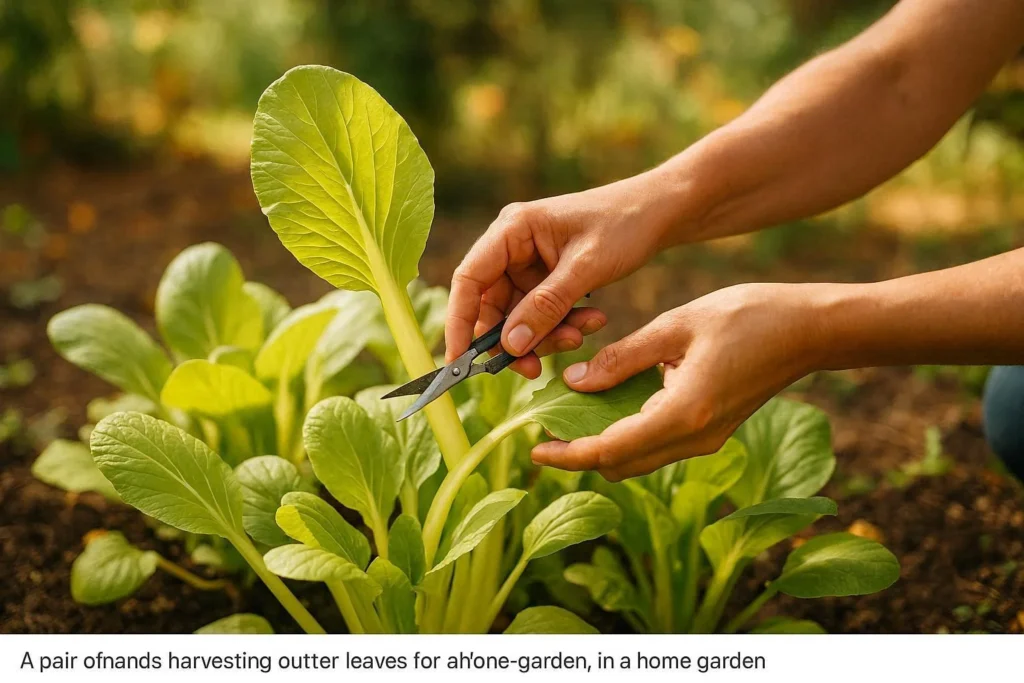
- Cut-and-come-again: Harvest outer leaves individually, leaving the central rosette intact. The plant will continue producing for several more weeks.
- Full harvest: Cut the entire plant at the base with a clean, sharp knife. Great when you need a larger quantity at once.
Always use clean, sharp scissors or a knife to avoid tearing, which opens wounds for disease.
Storage Tips
After harvesting, Yalla Choy stays fresh in the refrigerator for 5–7 days when stored unwashed in a damp paper towel inside a sealed bag. For longer storage, blanch and freeze it keeps well for up to 3 months in the freezer.
How to Keep It Fresh Longer
Don’t wash the leaves until just before using them excess moisture speeds up wilting and decay. If the leaves look a little limp after refrigeration, soak them in ice-cold water for 10–15 minutes and they’ll crisp right back up.
Yalla Choy Uses & Benefits
Culinary Uses & Recipe Ideas
In the kitchen, Yalla Choy shines in quick, high-heat cooking methods. Try it:
- Stir-fried with garlic, ginger, and oyster sauce a classic that takes 5 minutes flat
- Steamed and drizzled with sesame oil and soy sauce
- In soups and broths it softens beautifully in noodle soups
- Raw in salads young leaves work wonderfully with a light sesame dressing
- As a side green alongside grilled fish or tofu
The mild, slightly sweet flavor makes it one of those vegetables that plays well with almost everything.
Nutritional Benefits
Yalla Choy is a genuinely nutrient-dense vegetable, offering:
- Vitamins A, C, and K in significant amounts
- Folate important for cell health and growth
- Calcium and iron especially notable for a leafy green
- Dietary fiber for digestive health
- Low calories typically under 20 kcal per 100g
Health Benefits
Regular consumption of brassica greens like Yalla Choy has been linked to antioxidant support, anti-inflammatory properties, and improved bone health thanks to its vitamin K content. Its high water content also supports hydration, and the fiber aids gut health.
Yalla Choy vs Bok Choy
People often ask how Yalla Choy compares to its close relative, bok choy. Here’s a quick side-by-side:
| Feature | Yalla Choy | Bok Choy |
|---|---|---|
| Leaf color | Yellow-green center, darker outer | White stems, dark green leaves |
| Flavor | Milder, slightly sweet | Slightly more peppery/bitter |
| Texture | Softer, more tender leaves | Crispier, thicker stems |
| Growth time | 30–45 days | 45–60 days |
| Best use | Stir-fry, soups, salads | Stir-fry, steaming, braising |
| Heat tolerance | Moderate | Slightly better |
| Container growing | Excellent | Good |
Both are wonderful, but Yalla Choy’s faster growth and softer texture give it a slight edge for home gardeners who want quicker results and a more delicate eating experience.
Frequently Asked Questions
No while they’re closely related and both belong to the Brassica rapa family, Yalla Choy has softer, more tender leaves with a milder, sweeter flavor. It also grows faster than standard bok choy.
Under good conditions, you can expect to harvest in just 30–45 days from sowing. It’s one of the fastest-growing leafy greens you can grow at home.
Yes! Yalla Choy grows well indoors near a bright window or under grow lights. Use a container at least 25 cm deep, keep the soil consistently moist, and you’ll have fresh greens even through winter.
If you harvest using the cut-and-come-again method (taking outer leaves only), the plant will continue producing new growth. A single plant can provide multiple harvests over 4–6 weeks before it bolts.
Absolutely. Young, tender leaves are wonderful in raw salads with a light dressing. Mature leaves are better cooked, as they can be slightly chewy when raw.
Conclusion: Give Yalla Choy a Spot in Your Garden
If there’s one vegetable I’d recommend to any home gardener looking for something fast, rewarding, beautiful, and delicious, it’s Yalla Choy. From seed to table in under six weeks, it delivers on every front whether you’re growing it in a raised bed, a container on your balcony, or tucked into a corner of your kitchen garden.
The learning curve is gentle, the rewards are generous, and once you’ve eaten your own freshly stir-fried Yalla Choy, you’ll be saving seeds and starting over again before the season even ends.
For more garden inspiration, explore our complete guide on Mesquite Trees for stunning low-maintenance outdoor landscaping ideas because a beautiful garden is about so much more than just what you can eat.
Happy growing and happy eating. 🌱