
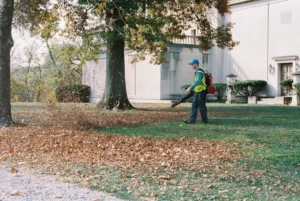
Clearing leaves from a large property takes more than a quick sweep with a garden tool. Long driveways, wide lawns, large gardens, and commercial landscapes can collect heavy piles of leaves and other debris. Choosing the right equipment can make these jobs easier and reduce the time spent on repetitive work.
A gas powered leaf blower offers mobility and sustained airflow for outdoor cleaning tasks. Unlike corded equipment, it doesn’t need a nearby electrical outlet. This makes it practical for properties with extensive lawns, long pathways, and areas far from buildings.
However, engine power isn’t the only factor worth considering. Air volume, airspeed, fuel capacity, handling, and operator comfort all affect everyday performance. Understanding these features helps you decide whether a handheld model or a gas leaf blower backpack suits your outdoor maintenance needs.
Why Large Properties Need Different Leaf Blower Features
Small gardens and large outdoor spaces have different cleaning requirements. A compact blower may handle a patio or short walkway without difficulty. Larger properties often need equipment that can move substantial amounts of leaves across wider areas.
A suitable blower should deliver enough airflow to move dry leaves, grass clippings, and light debris efficiently. It should also remain manageable during extended cleaning sessions. Balancing performance with comfort helps prevent unnecessary fatigue.
Understanding Air Volume and Airspeed
Air volume and airspeed describe two important aspects of leaf blower performance. Air volume, usually measured in cubic feet per minute (CFM), indicates how much air the machine moves. Airspeed, measured in miles per hour (MPH), describes how fast that air travels through the nozzle. A gas leaf blower backpack can offer high airflow and airspeed for moving leaves and debris across larger areas.
Higher air volume helps move large quantities of leaves across open spaces. Higher airspeed can help dislodge wet leaves and debris stuck to surfaces. Neither measurement tells the whole story, so comparing both specifications provides a more useful picture of a blower’s capabilities.
Choosing an Engine for Demanding Outdoor Work
Engine displacement, measured in cubic centimeters (cc), indicates the engine’s size. Larger engines can support higher power output, but displacement alone doesn’t determine overall performance. Engine design, airflow, and nozzle configuration also influence how effectively a blower moves debris.
For properties with extensive lawns or frequent leaf accumulation, consistent airflow can be more useful than simply choosing the largest engine. Consider the type of debris and the size of the area before selecting a model. This approach helps match the machine to the actual workload.
Handheld or Backpack Design: Which Is More Practical?
When a Handheld Gas Blower Makes Sense
Handheld models are useful for routine outdoor cleaning around houses, gardens, and smaller commercial properties. Their compact design makes them easier to carry between storage areas and work locations. They also provide convenient access to narrow spaces around garden beds and outdoor furniture.
However, holding the machine throughout a long cleaning session can become tiring. Engine weight and vibration may affect comfort during extended use. For large properties, these factors deserve attention alongside power specifications.
Why Backpack Models Suit Extended Cleaning
A gas leaf blower backpack distributes much of its weight across the operator’s shoulders and back. This design can reduce the strain associated with holding a heavier engine in one hand. It also leaves the operator’s hands available to control the blower tube.
Backpack models are often considered for large lawns, parks, commercial grounds, and extensive driveways. Their design can make longer cleaning sessions more manageable. Still, harness adjustment, total weight, and vibration levels affect how comfortable each model feels.
Fuel Use, Noise, and Routine Maintenance
Two-Stroke and Four-Stroke Engine Differences
Many gas blowers use two-stroke engines because they offer a relatively compact design with strong power output. These engines often require gasoline mixed with two-stroke oil at a specified ratio. Following the correct fuel instructions helps protect engine components.
Four-stroke engines use a separate oil system and don’t require premixed fuel. Their design and maintenance requirements differ from two-stroke models. Compare fuel handling, engine weight, maintenance needs, and operating instructions before choosing either type.
Fuel Capacity and Operating Convenience
Fuel tank capacity affects how often you need to stop and refill the blower. A larger tank can be useful when clearing extensive properties, especially when the machine consumes fuel quickly under heavy workloads. However, additional fuel also adds weight.
A gas powered leaf blower should have a fuel system that’s easy to inspect and refill. Check the manufacturer’s recommended fuel type and storage instructions. Keeping fresh fuel and suitable maintenance supplies available can help prevent avoidable interruptions.
Noise Levels and Outdoor Conditions
Gas blowers produce engine noise that can affect both operators and nearby residents. Noise levels vary with engine design, throttle setting, distance, and the surrounding environment. Check the manufacturer’s sound ratings when comparing models.
Consider local restrictions on gas-powered equipment and permitted operating hours. Hearing protection is important during blower use, particularly during extended sessions. Directing airflow away from people, pets, and loose soil also helps reduce disruption.
How to Match a Blower to Your Outdoor Space
The size and layout of your property should guide your selection. A large open lawn has different requirements from a wooded yard filled with shrubs, garden beds, and narrow paths.
For properties with scattered leaves and occasional cleanup needs, a handheld model may provide enough airflow and easier storage. Extensive grounds with heavy seasonal leaf buildup may benefit from a backpack design. If you regularly maintain very large areas, consider how engine power, carrying comfort, and fuel capacity work together.
The best choice also depends on the surfaces you need to clear. Grass, gravel, paving stones, and garden beds respond differently to strong airflow. Adjustable throttle controls can help you manage debris without scattering mulch or disturbing delicate plants.
Frequently Asked Questions
Is a gas powered leaf blower suitable for a large yard?
Yes. Gas models can provide sustained airflow and mobility for large lawns, long driveways, and properties with heavy leaf coverage.
What is more important, CFM or MPH?
CFM measures air volume, while MPH measures airspeed. Higher CFM helps move large piles, while higher airspeed can dislodge stubborn debris.
Is a gas leaf blower backpack more comfortable than a handheld model?
A backpack design distributes the machine’s weight across the body. This can make extended use more manageable, although comfort depends on the harness and total weight.
Can a gas leaf blower move wet leaves?
Many powerful models can move damp leaves, but performance depends on airflow and how heavily the leaves are packed. Wet, matted piles may require several passes.
How often should I maintain a gas leaf blower?
Maintenance frequency depends on the model and how often you use it. Follow the manufacturer’s schedule for air filter cleaning, spark plug inspection, fuel system care, and other routine checks.