There is something quietly beautiful about being born in November. The world slows down. Leaves have mostly fallen, families set the table for Thanksgiving, and the air carries that particular gold light that only shows up in late autumn. November babies arrive as the world grows quiet and golden, as if nature itself decided to pause and reflect before winter arrives.
It makes sense, then, that the two November birth flowers carry such rich, layered meaning. Chrysanthemum and Peony are not simple decorative blooms. They are flowers with thousands of years of history behind them. Emperors have painted them, worshippers have honored them in temples, and gardeners have grown them in cottage gardens for generations. If you were born this month, or you are shopping for someone who was, these November birth flowers tell a story worth understanding before you buy a single stem.
At Plant Style Home we cover birth flowers for every month of the year. Explore our full collection here if you would like to look into other months too.
What Are the November Birth Flowers?
November has two official birth flowers, and each one represents a different side of the season.
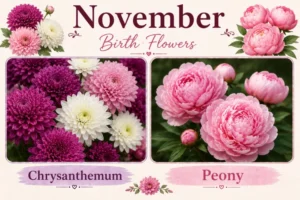
Chrysanthemum is the primary November birth flower, known for its full, layered petals and its almost endless range of colors and shapes. Peony is the secondary flower, prized for its lush, romantic blooms and soft fragrance.
Having two flowers for one month is not unusual. Several months on the birth flower calendar share this pairing, often because different cultures adopted different blooms over time, or because florists wanted to offer more variety for gift-giving occasions. For November, the pairing works beautifully. Chrysanthemum brings the crisp, structured elegance of autumn, while Peony carries a softer, more romantic energy that feels like a warm memory of summer refusing to fade.
The tradition of assigning flowers to birth months dates back centuries, with roots in ancient Rome and later popularized during the Victorian era, when people used flowers as a coded language to express feelings words could not always capture. By the time this tradition reached its modern form in the early 1900s, florists had matched each month with blooms that fit its mood, its weather, and its cultural associations. November, sitting at the edge of Thanksgiving and the first frost, needed flowers with both warmth and depth. Chrysanthemum and Peony deliver exactly that.
Just joining us partway through the calendar? Take a look at our guide on October Birth Flowers for the meanings of Marigold and Cosmos, along with vibrant autumn birthday gift ideas.
Chrysanthemum, November’s Primary Birth Flower
Chrysanthemum Appearance and Varieties
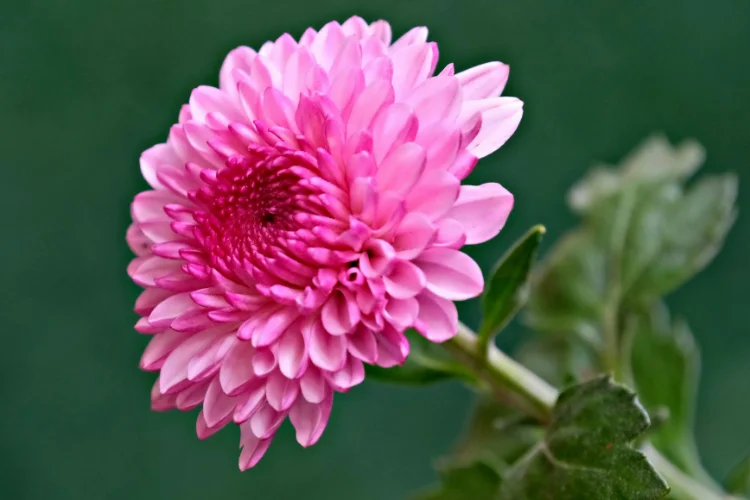
Few flowers offer the sheer visual variety of the chrysanthemum. There are pompom types with tightly packed, ball-shaped blooms. There are spider mums with long, thin petals that curl outward like fireworks frozen mid-burst. Daisy types keep things simple and cheerful, anemone types have a raised center that looks almost like a cushion, and cushion mums form dense, rounded mounds of color.
Chrysanthemums bloom in nearly every shade imaginable, from sunny yellow and deep burgundy to soft lavender and crisp white. The one color you will not find in nature is true blue, which somehow makes the rest of the palette feel even more special. This stunning variety is part of why chrysanthemum has remained one of the world’s most beloved flowers for centuries.
If those warm bronze and burgundy tones catch your eye, our guide on Brown Flowers has even more rich autumnal color inspiration worth exploring.
Chrysanthemum Meaning and Symbolism
In the West, chrysanthemum symbolism leans toward longevity, joy, loyalty, and optimism. Giving someone a bouquet of mums is often a way of wishing them a long, happy life filled with good fortune.
In parts of Europe, however, chrysanthemums carry a very different meaning. Many people strongly associate them with death and remembrance, placing them on graves or bringing them to cemeteries during All Saints Day. This is an important cultural nuance to keep in mind, especially if you are sending flowers internationally.
In Japan, the chrysanthemum holds imperial significance. It represents the sun, and the Emperor claims it as his own. In China, people have long considered the flower sacred, using it both medicinally and symbolically to represent nobility of character and quiet resilience through hardship.
Chrysanthemum History and Culture
People have celebrated chrysanthemums for over 2000 years, first growing them in China as far back as the 15th century BC, with references appearing in the writings of Confucius. What began as a flower grown for its beauty and its uses in traditional medicine slowly became something much greater.
By the 8th century, chrysanthemum cultivation had spread to Japan, where people revered it so deeply that it became the official emblem of the Imperial Family. The Japanese Chrysanthemum Throne, the name still used today for the seat of the Emperor, takes its identity directly from this flower.
Meanwhile in Europe, particularly in France, Italy, Spain, and Poland, people closely tied chrysanthemums to All Saints Day and remembrance of loved ones who have passed. Families gather each November to lay chrysanthemums at gravesites, a tradition that continues strongly today.
Few flowers have traveled such a wide cultural journey, from sacred medicine to imperial emblem to a symbol of remembrance, all while remaining beloved for their beauty at every step.
How to Grow Chrysanthemums
Growing your own chrysanthemums is one of the most rewarding ways to bring late autumn color into your garden. A few tips make a real difference:
- Plant in early fall or late spring to give roots time to establish before extreme temperatures arrive
- Pinch back young stems in early summer to encourage bushier, fuller growth
- Choose a spot with full sun, at least six hours a day, for the strongest blooms
- Mulch heavily before winter to protect roots from freezing temperatures
- Grow in containers if your climate is harsh, and move pots to a sheltered spot for winter
- Divide clumps every 2 to 3 years to keep plants healthy and blooming generously
With just a little patience, chrysanthemums reward gardeners with weeks of color right as the rest of the garden begins to fade.
Chrysanthemum as a November Gift
Because chrysanthemums bloom exactly when Thanksgiving arrives, they make a natural centerpiece for autumn tables. A bouquet mixing bronze, deep orange, and burgundy mums alongside a few dried wheat stems captures the season perfectly.
For a November birthday, consider a bouquet built entirely around chrysanthemums in the recipient’s favorite color, paired with a few sprigs of eucalyptus for texture. If you are sending flowers to someone in Europe, it is worth being culturally aware and perhaps mixing in another bloom rather than gifting chrysanthemums alone, given their association with remembrance in many European countries.
Potted mums also make a lovely gift, offering weeks of blooms rather than just a few days, and they can be replanted outdoors once the flowering slows.
Peony, November’s Secondary Birth Flower
Peony Appearance and Colors
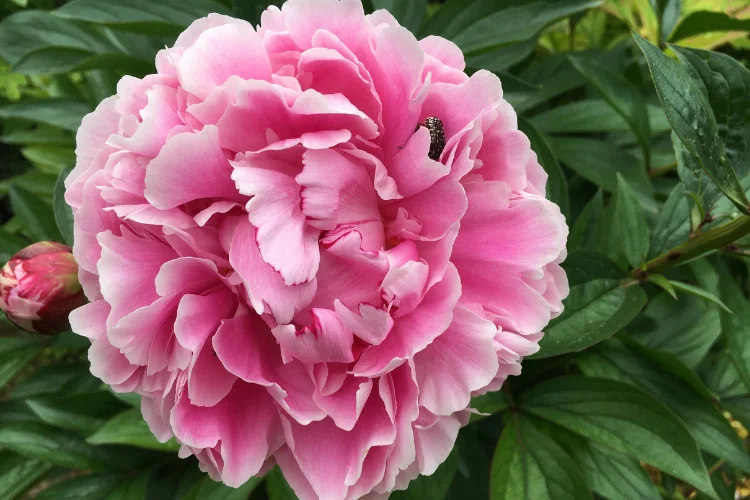
Where chrysanthemum brings structure, peony brings pure romance. These blooms are famously full and lush, often looking as if an artist painted each one by hand. Their fragrance is soft and slightly sweet, filling a room the moment they open.
Peonies come in shades of pink, white, red, coral, and yellow, and their form varies from single, open blooms to double and bomb varieties that look almost impossibly full of petals. Many flower lovers consider the peony the most romantic flower after the rose, and once you see one in full bloom, it is easy to understand why.
If that lush, full-petaled romance appeals to you, our guide on Magnolia Flowers covers another stunning large flower variety worth knowing.
Peony Meaning and Symbolism
Peonies are traditionally associated with prosperity, romance, and good luck. In many cultures, people give them as a wish for a happy marriage, making them a popular choice for weddings as well as birthdays.
The flower also carries meanings of healing and honor. In China, the peony holds the title of national flower and represents wealth, honor, and high social status. There is also a gentler layer to peony symbolism tied to bashfulness, rooted in old legends about nymphs hiding among the petals.
Peony History and Origins
Peonies have a documented history stretching back roughly 2000 years. Growers first cultivated them in China, where they treasured the blooms both in imperial gardens and for their medicinal properties. Ancient physicians used peony root to treat everything from headaches to convulsions, and the plant held a respected place in traditional medicine for centuries.
Greek mythology offers its own origin story. According to legend, the flower takes its name from Paeon, a physician to the gods who used a peony root to heal Pluto after a battle wound. As thanks, the gods transformed him into the flower that now bears his name.
By the Victorian era, peonies had captured European hearts entirely. Wealthy gardeners competed to grow the most spectacular blooms, and peonies became a symbol of refined taste and old-world elegance, a reputation the flower still enjoys today.
How to Grow Peonies
Peonies are famously long-lived, with some plants known to bloom reliably for over 100 years once properly established. A little care upfront pays off for decades.
- Plant the root with the eye no more than 2 inches below the soil surface, since planting too deep is the most common reason peonies fail to bloom
- Choose a spot with full sun and good drainage
- Be patient in the first year or two, as peonies often take time to settle before producing their best blooms
- Add support stakes or a peony ring before buds open, since heavy blooms can bend stems after rain
- Avoid disturbing the roots once established, as peonies dislike root disturbance
Once settled, a peony bed can become a garden heirloom, blooming faithfully year after year with almost no fuss.
Peony as a November Gift
A bouquet of peonies feels genuinely luxurious, making it a beautiful choice for a milestone November birthday. Since fresh peonies typically bloom in late spring, many florists offer preserved or dried peony arrangements during autumn months, letting you gift that same lush beauty even when the season is wrong for fresh stems.
Preserved peony art pieces, framed under glass or pressed into keepsakes, have become a popular gift for peony lovers who want something that lasts. Peony-scented candles and perfumes are another lovely option, bringing that soft floral fragrance into everyday life long after November has passed.
November Birth Flowers by Zodiac Sign
November spans two zodiac signs, and interestingly, each seems to align naturally with one of the November birth flowers.
Scorpio covers November 1 through 21. Known for intensity, depth, and quiet magnetism, Scorpios pair beautifully with the chrysanthemum, a flower that carries layers of meaning beneath its beautiful surface, much like the sign itself.
Sagittarius covers November 22 through 30. Adventurous, optimistic, and warm-hearted, Sagittarius connects naturally to the peony, a bloom that represents good fortune and joyful abundance.
Whether you lean toward the mysterious depth of Scorpio or the bright optimism of Sagittarius, one of these two November birth flowers likely speaks to something true about your personality.
November Birth Flower Colors and Their Meanings
Color adds an entire layer of meaning to these blooms. Here is a quick guide:
- Yellow chrysanthemum, joy and longevity
- White chrysanthemum, purity and truth
- Red chrysanthemum, love and deep passion
- Purple chrysanthemum, a wish for wellness
- Pink peony, romance and prosperity
- White peony, purity and new beginnings
- Red peony, passionate love
- Coral peony, desire and enthusiasm
Choosing a color intentionally turns a simple bouquet into a message, which is part of what makes gifting November birth flowers so meaningful.
Best November Birth Flower Gift Ideas
If you are shopping for a November birthday or a Thanksgiving centerpiece, here are some ideas worth considering:
- A Chrysanthemum Thanksgiving bouquet in warm bronze and burgundy tones
- A luxurious peony birthday arrangement for a milestone celebration
- A mixed late autumn bouquet combining both November birth flowers
- Birth flower jewelry featuring engraved chrysanthemum or peony designs
- A potted chrysanthemum plant that keeps blooming for weeks
- Preserved peony art, framed for a lasting keepsake
- A November birth flower gift basket with candles, tea, and dried blooms
Growing November Birth Flowers in Your Garden
Late autumn gardens do not have to fade into dullness. A dedicated chrysanthemum border along a front walkway can carry color well into the cooler months, especially when paired with ornamental kale and dried grasses for texture.
For peonies, plan ahead. Since they bloom in late spring, plant your bed now for a payoff you will enjoy for years, ideally in a spot near a patio or window where you can appreciate the fragrance up close.
A Thanksgiving garden display combining potted mums, pumpkins, and dried corn stalks creates a festive entrance that welcomes guests warmly. As the season winds down, take time to mulch beds, cut back spent growth, and tuck your garden in for winter, knowing these two beautiful blooms will return when their season comes around again.
Frequently Asked Questions
November has two official birth flowers, the Chrysanthemum and the Peony. Chrysanthemum is considered the primary flower, while Peony serves as the secondary bloom.
Meanings vary widely by region. Western tradition ties it to joy and longevity, while Japan holds it up as a symbol of the Imperial Family. Across much of Europe, it connects closely to remembrance and All Saints Day.
Florists paired peony with November partly for its rich symbolism of prosperity and good fortune, offering a softer, more romantic contrast to the structured chrysanthemum.
Plant in full sun, pinch back stems in early summer for bushier growth, and mulch well before winter to protect the roots.
Yes, though peonies generally prefer being planted directly in the ground for the long term. If growing in containers, choose a deep pot and be prepared to eventually transplant as the root system matures.
Celebrating Your November Birth Flowers
If you were born in November, take a moment to feel genuinely proud of your flowers. Few birth months carry the kind of layered history that chrysanthemum and peony bring, spanning imperial thrones, ancient medicine, Greek mythology, and centuries of quiet gratitude. The most meaningful late autumn birthday gift is not just a bouquet, but an understanding of the story behind it.
Whether you carry the layered depth of the chrysanthemum or the romantic warmth of the peony, real meaning shaped your November birth flowers from the start. As the days grow shorter and the year settles into its final, golden weeks, these two blooms are a fitting reminder that beauty does not fade with the season. It simply changes shape.