Flowers that start with Z are some of the most underrated blooms in the garden world. Once you look past the tricky letter, you’ll find a genuinely striking mix of color and character, from the fiery, layered petals of the zinnia to the smooth, sculptural curves of the calla lily.
This guide walks through every notable flower that starts with Z, complete with care tips, fun facts, and ideas for where each one fits best, whether you’re filling a garden bed, brightening a windowsill, or picking out a gift for someone special.
At Plant Style Home, you’ll find guides to flowers for every letter of the alphabet, explore our full collection here, including our guide to Flowers That Start With Y if you’re curious what comes right before Z.
Grab a cup of tea and get comfortable, because these Z flowers deserve a proper introduction.
Most Beautiful Flowers That Start With Z (Full List)
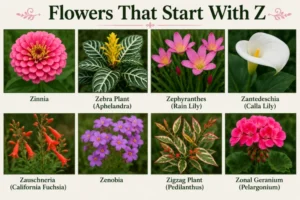
To help you get oriented, here’s a quick snapshot of every flower on this list. Bookmark this table if you’re planning a garden bed or a gift basket, because it’ll save you some scrolling later.
| Flower Name | Color | Season | Difficulty Level |
|---|---|---|---|
| Zinnia | Red, orange, pink, yellow, white | Summer to early fall | Beginner |
| Zebra Plant (Aphelandra) | Yellow bracts, striped foliage | Year round (indoor) | Intermediate |
| Zephyranthes (Rain Lily) | Pink, white, yellow | Summer, after rainfall | Beginner |
| Zantedeschia (Calla Lily) | White, pink, purple, yellow | Late spring to summer | Intermediate |
| Zauschneria (California Fuchsia) | Orange, red | Late summer to fall | Beginner to intermediate |
| Zenobia | White, bell shaped | Late spring | Intermediate |
| Zigzag Plant (Pedilanthus) | Small red or pink blooms | Warm months | Intermediate |
| Zonal Geranium (Pelargonium) | Red, pink, white, salmon | Spring through fall | Beginner |
Eight flowers, endless personality. Let’s meet them properly.
Flowers That Start With Z: Detailed Descriptions
This is where flowers that start with Z really get to shine. Each one has a story, a quirk, and a reason to earn a spot in your garden or on your windowsill.
Zinnia
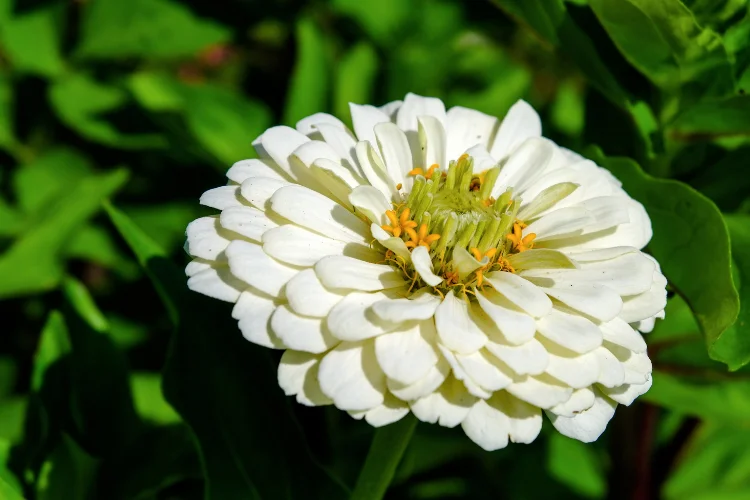
The zinnia is the friend who shows up to every party in the brightest outfit in the room. Its daisy like blooms stack layer upon layer of petals in colors so vivid they almost look painted on, think fiery orange, hot pink, sunshine yellow, and deep burgundy red.
Zinnias trace their roots back to Mexico, where they grew wild in dry, sun baked fields long before European travelers brought seeds home in the 1500s. That tough desert heritage is exactly why they’re so forgiving for beginner gardeners today.
If you want the single easiest flower on this entire Z list to grow, this is it.
Care tips:
- Plant in full sun, at least six hours a day
- Water at the base to keep leaves dry and prevent mildew
- Deadhead spent blooms to encourage more flowers
- Space plants generously for good air circulation
Fun facts:
- Zinnias are one of the top butterfly magnets in the flower world, monarchs especially adore them
- They were once nicknamed “poorhouse flowers” because they were so easy to grow that even the poorest gardens had them
Zebra Plant (Aphelandra)
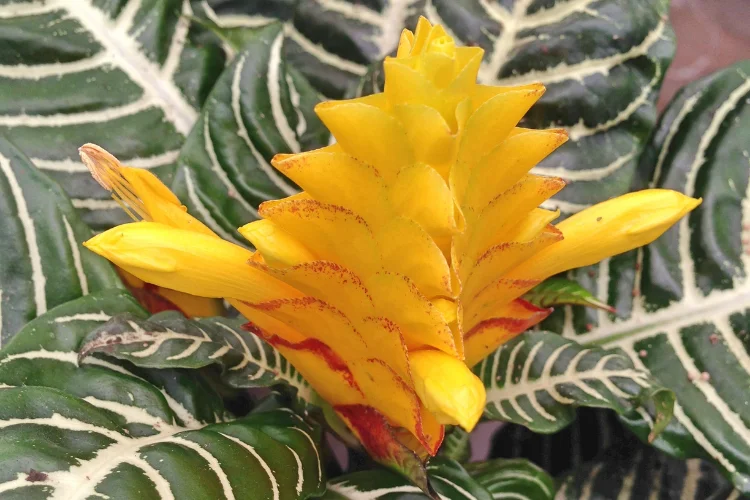
The zebra plant is grown as much for its leaves as its flowers, and honestly, that’s rare praise for any plant. Its dark green foliage is striped with bold white veins, almost like nature got out a paintbrush and went a little wild.
Native to the tropical rainforests of Brazil, this plant loves warmth, humidity, and a bit of pampering. When it does bloom, it sends up a bright yellow, cone shaped flower spike that looks almost architectural.
Care tips:
- Keep it in bright, indirect light, never direct sun
- Maintain high humidity with regular misting or a pebble tray
- Water when the top inch of soil feels dry
- Feed lightly during the growing season
Fun facts:
- Its dramatic striped leaves are why collectors often grow it purely as a houseplant showpiece
- The flower spike can last for several weeks, far longer than most tropical blooms
Zephyranthes (Rain Lily)
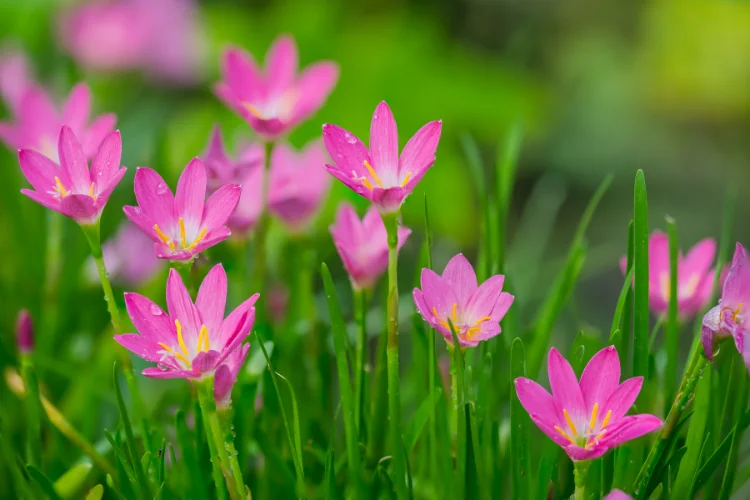
If flowers that start with Z had a magician, it would be the rain lily. These delicate, crocus like blooms seem to appear overnight, popping up in cheerful clusters of pink, white, or pale yellow within days of a good rainstorm.
That habit isn’t a coincidence. Rain lilies have evolved to sense moisture changes in the soil, triggering a rapid bloom response that feels almost theatrical when you catch it happening in your own garden.
Care tips:
- Plant bulbs in well draining soil
- Allow soil to dry between waterings, then water deeply
- Give at least four to six hours of sunlight
- Let foliage die back naturally after blooming
Fun facts:
- A single rainstorm can trigger an entire bed of rain lilies to bloom within 48 hours
- Their fleeting, magical appearance has earned them folk names like “fairy lily” in several cultures
Zantedeschia (Calla Lily)
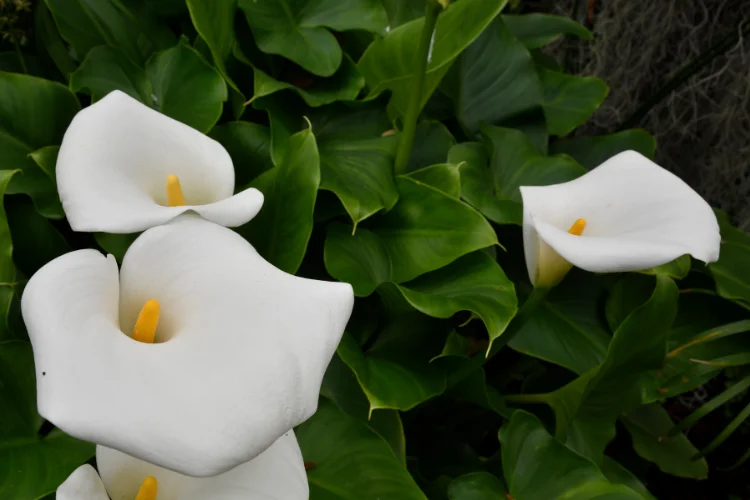
Few flowers that start with Z feel as elegant as the calla lily. Its smooth, trumpet shaped bloom curves around a golden spadix in the center, creating a silhouette so clean and sculptural it looks almost designed rather than grown.
Calla lilies originally come from South Africa, where they grow along marshy riverbanks. That wetland heritage explains their love of moisture, quite different from the drought tolerant habits of many other Z flowers.
Care tips:
- Plant rhizomes in rich, moist soil
- Give partial sun to full sun depending on climate
- Water consistently, calla lilies dislike drying out
- Lift and store rhizomes over winter in cold climates
Fun facts:
- Calla lilies are one of the most requested wedding flowers in the world, symbolizing purity and refined beauty
- Despite the name, they’re not true lilies at all, they belong to the arum family
Zauschneria (California Fuchsia)
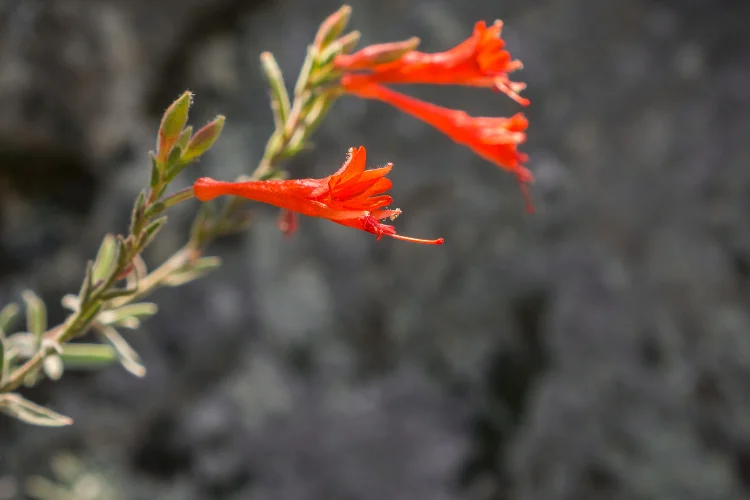
Zauschneria, also known as California fuchsia, is a tough little wildflower with tubular, fiery orange red blooms that look almost like tiny trumpets. It thrives in dry, rocky soil where most flowering plants would give up entirely.
This drought tolerant native is a favorite among gardeners who want color without a demanding watering schedule, and hummingbirds absolutely cannot resist it.
Care tips:
- Plant in full sun with sharp drainage
- Water sparingly once established
- Trim back in early spring to encourage fresh growth
- Avoid heavy fertilizing, it prefers lean soil
Fun facts:
- Its bright red blooms make it one of the most reliable hummingbird attracting plants in western gardens
- It can survive extended drought once its root system matures
Zenobia
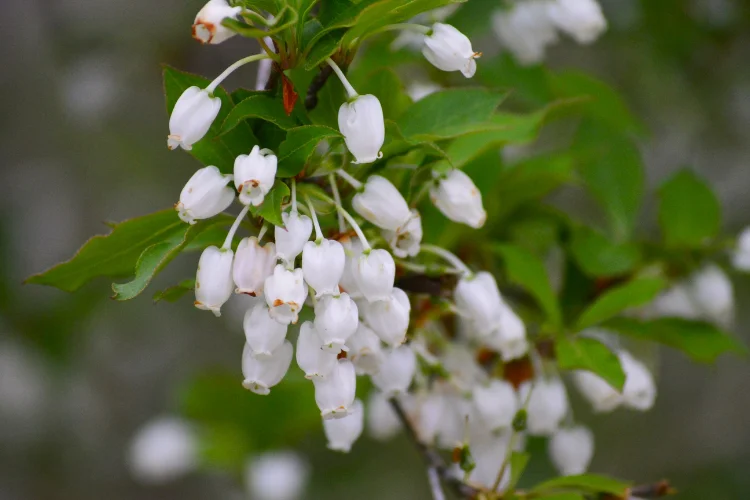
Zenobia is a graceful, semi evergreen shrub native to the southeastern United States, prized for its clusters of white, bell shaped flowers that dangle like tiny lanterns each spring. Some varieties even carry a faint anise like fragrance.
This shrub has quietly earned a devoted following among native plant gardeners who want something a little less common than the usual spring bloomers.
Care tips:
- Plant in slightly acidic, well draining soil
- Provide partial shade in hotter climates
- Water regularly during the first growing season
- Prune lightly after flowering to maintain shape
Fun facts:
- Honeybees are especially drawn to its nectar rich blooms, making it a favorite among pollinator gardeners
- Its foliage can take on a reddish tint in cooler weather, adding interest beyond bloom season
Zigzag Plant (Pedilanthus)
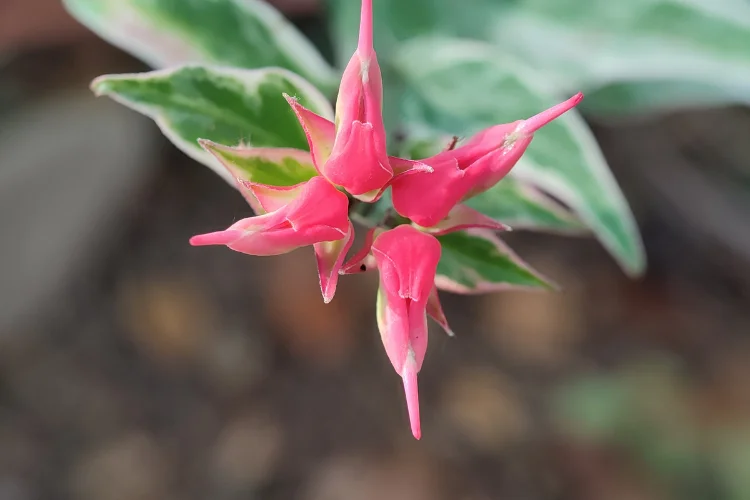
True to its name, the zigzag plant grows stems that bend sharply back and forth at each leaf node, creating a striking angular pattern unlike almost anything else in the plant world. Small red or pink flowers occasionally appear along the stems.
This is technically a succulent relative of the poinsettia family, which explains its milky sap and its love of dry conditions.
Care tips:
- Use well draining, sandy soil
- Water sparingly, allowing soil to dry fully between waterings
- Provide bright light for the best stem coloring
- Handle carefully, the sap can irritate skin
Fun facts:
- Its zigzag stem pattern is thought to help the plant maximize sunlight exposure at every angle
- It’s sometimes called the “devil’s backbone” thanks to that distinctive bending growth
Zonal Geranium (Pelargonium)
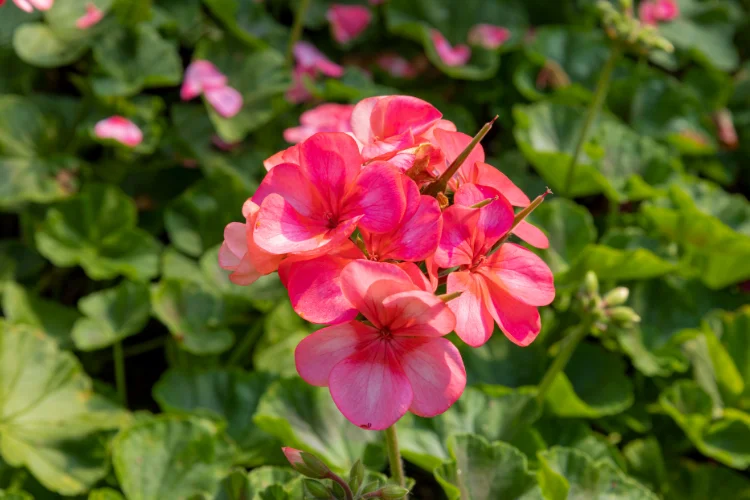
If you’ve ever admired a window box overflowing with color, there’s a good chance a zonal geranium was involved. Its rounded flower clusters come in vibrant reds, soft pinks, crisp whites, and warm salmon tones, often set against leaves marked with a subtle darker “zone” pattern, which is exactly where the name comes from.
Among all the flowers that start with Z, this one is arguably the most popular in home gardens worldwide, and it’s easy to see why.
Care tips:
- Plant in well draining soil with full to partial sun
- Water when the top inch of soil dries out
- Deadhead regularly to keep blooms coming
- Bring indoors before the first frost if growing as a perennial
Fun facts:
- Zonal geraniums have been garden favorites since the Victorian era, when window boxes first became fashionable
- Their leaves release a distinct, slightly spicy scent when brushed or crushed
Flowers That Start With Z For Your Garden
Not sure where to start with your own Z flower collection? Here’s how to match the right bloom to the right goal.
Absolute top pick for beginners is the zinnia, hands down. It germinates quickly, blooms generously, and forgives almost every rookie mistake.
Beginner care tip: Sow zinnia seeds directly in the ground after the last frost, and thin seedlings once they reach a few inches tall for stronger, bushier plants.
Indoor growing shines with the zebra plant, thanks to its tolerance for container life and its show stopping striped foliage.
Indoor care tip: Rotate your zebra plant every week so it grows evenly toward the light instead of leaning to one side.
Gifting occasions call for the calla lily, whose sculptural elegance has made it a staple of weddings, anniversaries, and sympathy arrangements alike.
Gifting care tip: If gifting potted calla lilies, choose plants with several unopened buds so the recipient enjoys blooms for weeks rather than days.
Wildlife lovers will want zauschneria and zenobia in the mix, since both are magnets for hummingbirds and honeybees throughout the growing season.
Wildlife care tip: Plant zauschneria and zenobia near each other to create a staggered bloom time that keeps pollinators fed from late spring into fall.
Flowers That Start With Z: Meanings & Symbolism
Every flower carries a little bit of meaning, and Z flowers are no exception.
Zinnia symbolizes friendship, lasting affection, and endurance, which makes sense given how loyally it blooms all summer long.
Calla Lily represents elegance, beauty, and rebirth, one reason it appears so often at both weddings and memorials.
Rain Lily is tied to magic and new beginnings, a fitting meaning for a flower that seems to appear out of nowhere after a storm.
Even the lesser known members of the Z flower family carry quiet symbolism, often tied to resilience and adaptability, traits that show up again and again in how these plants actually grow.
How to Grow Flowers That Start With Z
Growing flowers that start with Z isn’t complicated once you understand a few shared principles across the group.
General care tips:
- Match sun exposure to each flower’s native habitat, desert natives want more sun, tropical natives want more shade
- Water deeply but less frequently rather than shallow daily watering
- Amend soil with compost before planting for stronger root development
- Watch for pests early, since small infestations are far easier to manage than large ones
Growing zinnias step by step, since this is the easiest Z flower to grow:
- Choose a full sun spot with well draining soil
- Sow seeds directly outdoors after the last frost, about a quarter inch deep
- Water gently until seedlings emerge, usually within a week
- Thin seedlings to allow airflow between plants
- Deadhead consistently to keep new blooms coming through fall
Common mistakes to avoid:
- Overwatering drought tolerant Z flowers like zauschneria and the zigzag plant
- Planting calla lilies in soil that dries out too quickly
- Skipping deadheading, which shortens the blooming season significantly
- Ignoring humidity needs for tropical varieties like the zebra plant
Frequently Ask Questions
The most well known flowers that start with Z include zinnia, zebra plant, zephyranthes (rain lily), zantedeschia (calla lily), zauschneria, zenobia, zigzag plant, and zonal geranium.
Yes, zinnia is widely considered the easiest flower starting with Z to grow. It thrives in full sun, tolerates average soil, and blooms reliably from summer through early fall.
Zinnia symbolizes friendship, lasting affection, and endurance, making it a popular choice for gifts celebrating long term relationships.
Yes, calla lilies can grow indoors in containers with bright, indirect light and consistently moist, well draining soil, though they also do beautifully outdoors in garden beds.
The zonal geranium is often considered the most popular Z flower for home gardens, thanks to its long blooming season and classic appeal in window boxes and containers.
Conclusion
Flowers that start with Z brought us cheerful zinnias, sculptural calla lilies, magical rain lilies, and a handful of quieter, lesser known blooms that deserve just as much love. From the drought tolerant zauschneria to the effortlessly cheerful zonal geranium, this small letter turned out to hold some genuinely rewarding blooms.
If zinnia’s warm, fiery tones caught your eye, you’ll want to see our full guide on Orange Flowers for even more vibrant summer color inspiration. And if the calla lily’s timeless elegance won you over, our Ranunculus Flower guide is another stunning, giftable bloom worth exploring.
Whichever Z flower found a place in your heart today, there’s a spot for it in your garden or on your windowsill. Start with a packet of zinnia seeds if you’re new to gardening, or bring home a calla lily if you’re after instant elegance. Flowers that start with Z prove that even the last letter of the alphabet can hold some of nature’s most memorable blooms.