At Plant Style Home we have been on an incredible A-Z flower journey, and Y is one of our most rewarding discoveries yet. Unlike some of the more common letters we’ve covered, flowers that start with Y are genuinely rare, and that’s exactly what makes them so much fun to dig into.
When we first sat down to research Y flowers, we honestly weren’t sure we’d find enough to fill a proper list. But the deeper we went, the more we fell in love. From a humble roadside weed with battlefield medicine roots to a fragrant vine that scents entire Southern towns each spring, Y flowers list a surprisingly rich cast of characters.
This guide covers everything, appearance, care, symbolism, and the odd historical detail that makes each bloom worth remembering. Whether you’re a beginner gardener or just curious what flower names starting with Y even exist, you’re in the right place.
Most Beautiful Flowers That Start With Y (Full List)
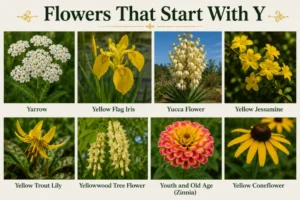
Before we get into the details, here’s a quick overview table so you can see all these beautiful flowers starting with Y at a glance.
| Flower Name | Color | Season | Difficulty Level |
|---|---|---|---|
| Yarrow | Yellow, white, pink, red | Summer | Easy |
| Yellow Flag Iris | Bright yellow | Late spring, early summer | Moderate |
| Yucca Flower | Creamy white | Summer | Easy |
| Yellow Jessamine | Golden yellow | Late winter, early spring | Moderate |
| Yellow Trout Lily | Yellow | Early spring | Moderate |
| Yellowwood Tree Flower | White | Late spring | Difficult |
| Youth and Old Age (Zinnia) | Multicolor | Summer, fall | Easy |
| Yellow Coneflower | Yellow | Summer | Easy |
Flowers That Start With Y: Detailed Descriptions
Now let’s really get to know each of these flowers. We’ve included the growing basics, but also the stories behind them, because a flower is always more interesting once you know where it’s been.
Yarrow (Achillea)
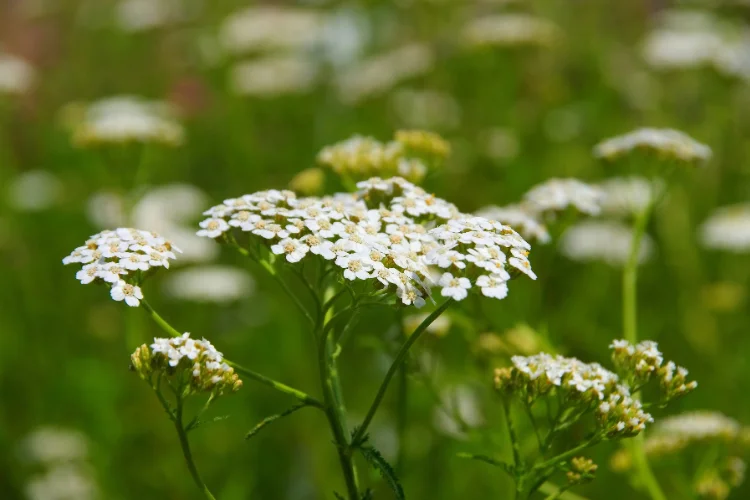
Yarrow is the workhorse of this whole list, a flat-topped cluster of tiny blooms that looks almost like lace laid across a stem of feathery, aromatic foliage. It comes in warm yellow, soft white, dusty pink, and deep red, and it practically shrugs off drought once established.
Its botanical name, Achillea, comes straight from Greek mythology. Legend says the warrior Achilles used yarrow to treat his soldiers’ wounds on the battlefield during the Trojan War, which is why it’s still nicknamed “soldier’s woundwort” in some old herbals.
That medicinal reputation stuck around for centuries. Long before modern bandages, folk healers packed crushed yarrow leaves onto cuts to slow bleeding, and it remains a staple in herbal first-aid gardens today.
Care tips:
- Plant in full sun with well-draining soil
- Water sparingly once established, it prefers to stay on the dry side
- Deadhead spent blooms to encourage a second flush
- Divide clumps every two to three years to keep them vigorous
Fun fact: Yarrow’s ferny foliage is deer-resistant, making it a favorite for gardeners battling backyard browsers.
Yellow Flag Iris
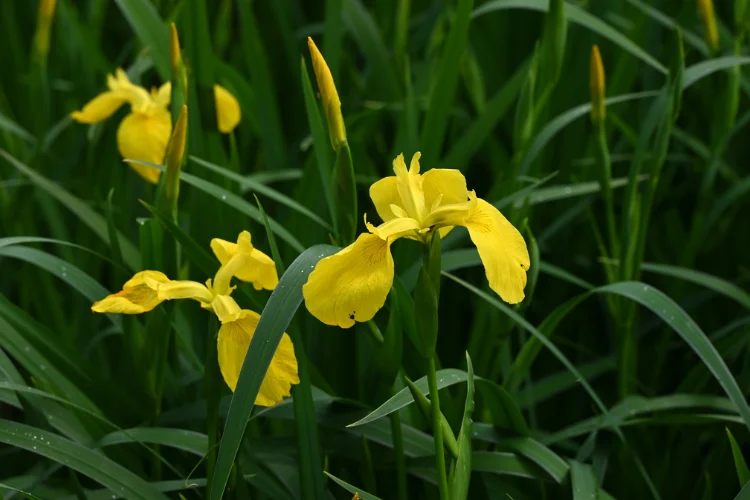
The yellow flag iris rises straight out of shallow water on tall, sword-like stems, unfurling ruffled yellow blooms that look almost sculptural against pond edges. Each flower has that classic iris shape, with drooping falls and upright standards, in a rich buttery yellow.
If you have a pond, stream edge, or even a soggy corner of your yard, this iris was practically made for you. It thrives with wet feet and actually helps filter and stabilize water gardens naturally.
Historically, this iris carries serious heraldic weight. It’s widely believed to be the inspiration behind the fleur-de-lis, the emblem that became synonymous with French royalty and is still used in flags and coats of arms today.
Care tips:
- Plant in boggy soil or shallow water, up to 4 inches deep
- Give it full sun to partial shade
- Divide rhizomes every three to four years
- Watch it closely near natural waterways, as it can spread aggressively
Fun fact: In parts of the world, yellow flag iris is considered invasive near wetlands, so check local guidelines before planting near a natural water source.
Yucca Flower
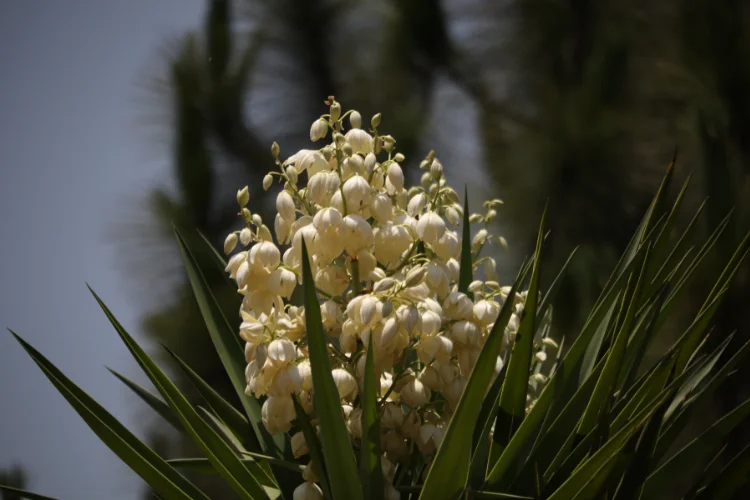
Yucca sends up a dramatic flower spike, sometimes taller than a person, dense with dozens of creamy white, bell-shaped blooms that nod gently in the breeze. Below the flower stalk sits a rosette of stiff, sword-shaped leaves that make the plant unmistakable.
This is a true desert survivor, built to handle blazing heat and long dry spells without complaint. It’s one of the most forgiving flowers that start with Y for anyone who tends to forget to water.
Yucca has deep roots in Native American culture. Various tribes used its fibrous leaves to weave baskets, sandals, and rope, while the roots were pounded into a natural soap still referenced in traditional practices today.
Care tips:
- Plant in full sun with sandy, fast-draining soil
- Water deeply but infrequently
- Remove the flower stalk after blooming to tidy the plant
- Wear gloves, the leaf tips are surprisingly sharp
Fun fact: Yucca flowers rely on a single species, the yucca moth, for pollination, one of nature’s most specific plant-and-insect partnerships.
Yellow Jessamine
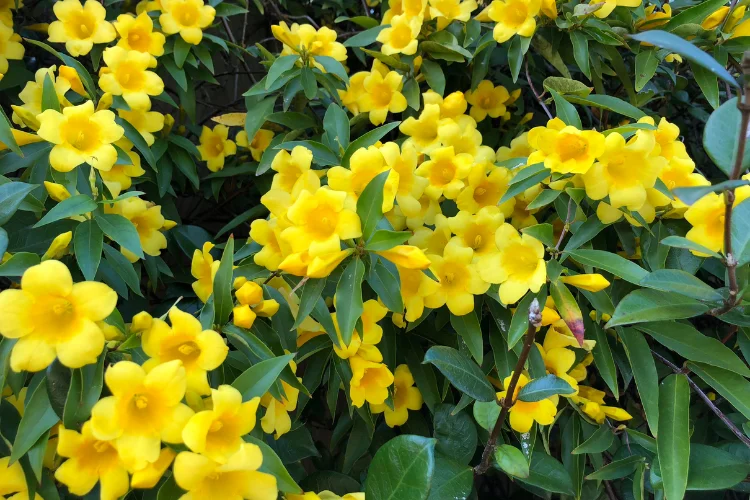
Yellow jessamine drapes itself over fences and trellises in cascades of trumpet-shaped, golden yellow flowers, each one releasing a sweet, unmistakable fragrance that tends to arrive before you even see the vine.
It typically blooms in late winter into early spring, often being one of the very first signs that warmer weather is on its way. In the American South, its scent practically announces the changing season.
Yellow jessamine holds an official honor too, it’s the state flower of South Carolina, chosen for the way it blankets the landscape in cheerful color each spring. If you love its golden hue, you’ll also enjoy exploring beautiful trees with pink flowers that thrive in similar Southern gardens.
Care tips:
- Plant in full sun to partial shade
- Provide a trellis, fence, or arbor for climbing support
- Prune right after flowering to control size
- Keep away from pets and children, as all parts are toxic if ingested
Fun fact: Despite its toxicity, yellow jessamine nectar doesn’t harm the bees and butterflies that visit it.
Yellow Trout Lily
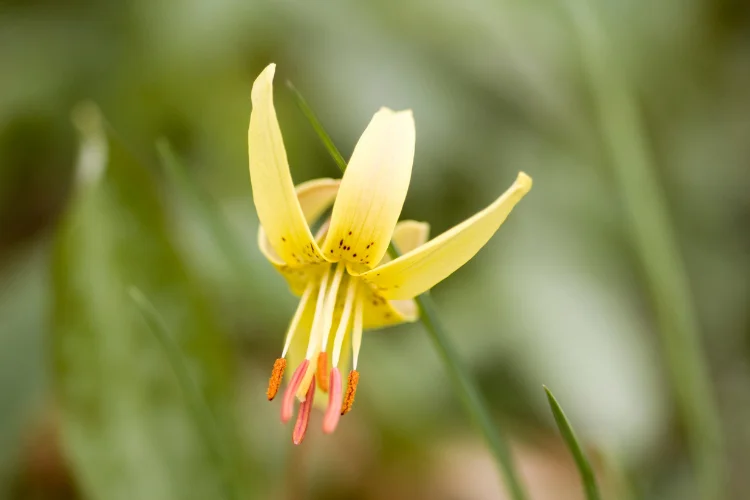
The yellow trout lily is a small, nodding woodland flower with mottled, brownish-green leaves that look uncannily like the speckled skin of a brook trout, hence the name. Its yellow petals curve backward gracefully, almost like a tiny shooting star.
This flower is what botanists call a spring ephemeral, meaning it appears briefly on the forest floor before tree canopies fill in and block the light, then disappears back underground until next year.
It’s a slow grower, sometimes taking years to bloom from seed, which makes stumbling across a wild patch feel like discovering a hidden treasure in the woods.
Care tips:
- Plant in moist, humus-rich soil in dappled shade
- Leave undisturbed once established, it dislikes transplanting
- Let foliage die back naturally after blooming
- Be patient, colonies take years to fully establish
Fun fact: Trout lily colonies can be centuries old, quietly spreading underground through bulb offsets long after the original plant is gone.
Yellowwood Tree Flower
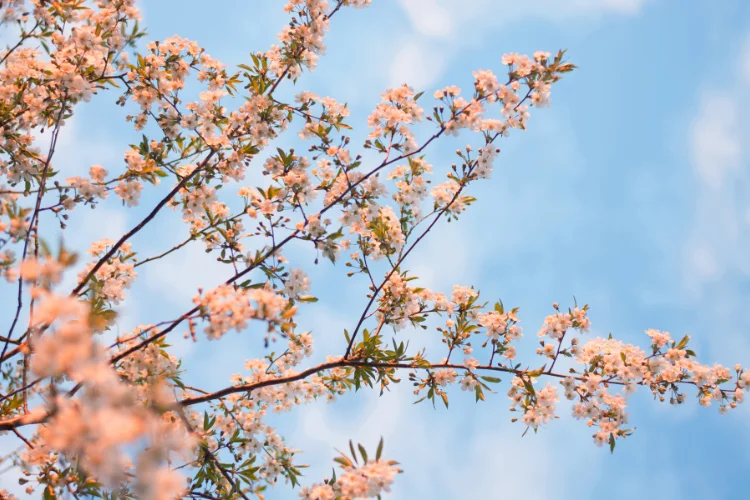
The American yellowwood produces long, drooping clusters of white, wisteria-like flowers that hang from the branches of this native ornamental tree in late spring. The blooms are lightly fragrant and absolutely cover the canopy in a good flowering year.
This is genuinely one of the rarer native trees in North America, found naturally in only a handful of scattered pockets. Because it can take years to flower reliably, it’s often considered a labor of love for patient gardeners.
Care tips:
- Plant in full sun with well-draining soil
- Avoid pruning in spring, as the wood can bleed sap
- Be patient, trees may take 8 to 10 years to flower
- Stake young trees to protect against wind damage
Fun fact: Yellowwood doesn’t bloom every single year, some seasons are simply quieter than others, which only makes a big flowering year more special.
Youth and Old Age (Zinnia elegans)
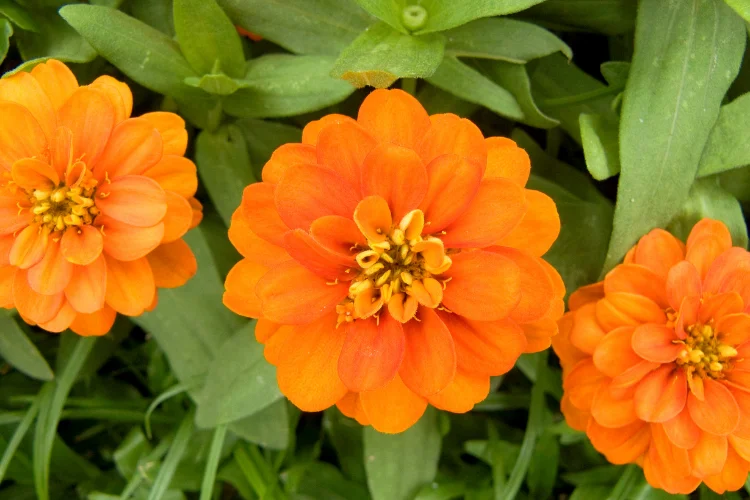
“Youth and Old Age” is actually an old-fashioned nickname for the common garden zinnia, Zinnia elegans, earned because its bright petals stay cheerful and vivid even as the center of the bloom ages and matures. It’s a charming reminder that not everything fades the same way.
Modern zinnias come in nearly every color imaginable, with cheerful daisy-like or fully double blooms that practically beg to be cut for a vase.
Care tips:
- Plant in full sun after the last frost
- Space plants well to prevent powdery mildew
- Deadhead regularly for continuous blooms
- Water at the base rather than overhead
Fun fact: This charming old nickname dates back to Victorian-era flower language, where nearly every bloom carried its own poetic meaning.
Yellow Coneflower
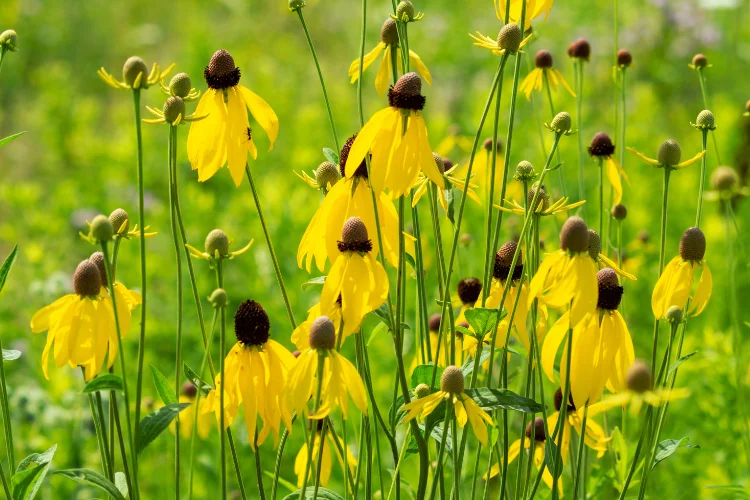
Yellow coneflower stands tall on wiry stems, with drooping yellow petals surrounding a dark, cone-shaped center that pollinators absolutely adore. It has a wild, prairie-native look that brings instant texture to a border.
It’s remarkably tough, thriving in the kind of hot, dry, exposed conditions that would wilt more delicate blooms, which is exactly why it’s such a staple of native prairie restoration projects.
Care tips:
- Plant in full sun with average to dry soil
- Avoid overwatering, it prefers lean conditions
- Leave seed heads standing through winter for birds
- Divide clumps every few years to maintain vigor
Fun fact: Goldfinches are especially fond of yellow coneflower seeds, often visiting spent blooms well into autumn.
Flowers That Start With Y For Your Garden
Not every Y flower suits every gardener, so here’s how to match the right one to your space.
Beginners will have the easiest time with low-maintenance types that forgive an inconsistent watering schedule.
Care tip: Start with yarrow or yucca. Both tolerate poor soil, drought, and general neglect while still rewarding you with reliable blooms.
If you’re gardening indoors or on a small patio, container-friendly options matter most.
Care tip: A young yucca in a large pot with bright light and minimal watering does beautifully indoors, just give it room to grow.
For anyone hoping to support local pollinators, yarrow is the clear standout. Its wide, flat flower clusters act like a landing pad for bees, butterflies, and beneficial insects. It comes in stunning warm yellow and orange tones, and if you love that fiery palette, our full guide to orange flowers has even more inspiration for a vibrant pollinator garden.
Care tip: Plant yarrow in drifts rather than single specimens, bees find larger clusters far more easily.
If you’re growing flowers to share or gift, fragrance and cut-flower staying power matter most.
Care tip: Zinnias and yellow jessamine cuttings both hold up well in a vase and bring color and scent into any room.
Flowers That Start With Y: Meanings & Symbolism
Flower meanings add another layer of joy to growing these blooms.
- Yarrow symbolizes healing, protection, and everlasting love, tied closely to its ancient medicinal reputation.
- Yellow Flag Iris represents faith, wisdom, and valor, echoing its royal heraldic history.
- Yucca stands for purity and protection, fitting for such a resilient desert plant.
- Yellow Jessamine carries a slightly bittersweet meaning of grace despite hardship, since it blooms even in late winter chill.
- Trout Lily symbolizes fleeting beauty, a nod to its brief spring appearance.
- Zinnia represents lasting friendship and remembrance of absent friends.
More broadly, yellow flowers as a whole tend to symbolize friendship, happiness, and new beginnings, which makes this list feel like a genuinely uplifting one to grow.
How to Grow Flowers That Start With Y
Most flowers that start with Y share a few common threads once you understand their basic needs.
General care tips:
- Match sun exposure carefully, most Y flowers want full sun, though a few woodland types prefer shade
- Prioritize drainage, several of these species dislike sitting in soggy soil
- Be patient with slower growers like yellowwood and trout lily
- Mulch to regulate soil moisture and temperature
Common mistakes to avoid:
- Overwatering yarrow and yucca, which both prefer drier conditions
- Planting yellow flag iris in a container without adequate water
- Disturbing trout lily bulbs once they’re settled
- Expecting quick blooms from slow, patient species like yellowwood
If you’re just getting started, yarrow is genuinely the best flower to begin with. It’s forgiving, beautiful, drought-tolerant, and rewards even minimal effort with months of blooms.
Frequently Ask Questions
Some of the most well-known flowers beginning with Y include yarrow, yellow flag iris, yucca, yellow jessamine, yellow trout lily, yellowwood tree flowers, zinnia (nicknamed youth and old age), and yellow coneflower.
Yes, yarrow is one of the easiest perennials around. It tolerates poor soil, drought, and neglect while still producing reliable summer blooms.
Yellow flowers generally symbolize friendship, happiness, and new beginnings, making them a cheerful choice for gifting or planting near a front entrance.
Yes, younger yucca plants do well indoors in bright light with minimal watering, as long as they have a container with excellent drainage.
It varies widely. Yellow jessamine and trout lily bloom in late winter to early spring, while yarrow, yucca, coneflower, and zinnia bloom through summer into fall.
Wrapping Up Our Y Flower Journey
We honestly didn’t expect to fall this hard for a letter we assumed would be a short entry. But flowers that start with Y turned out to be full of surprises, from Achilles’ battlefield remedy to a state flower that scents entire Southern springs.
We’ve now covered 25 letters in our A-Z flower series. If you haven’t already, catch up with our rare guide on Flowers That Start With X before moving on.
We’re now standing right at the edge of the finish line, with just one letter left in this incredible journey. Keep an eye out for our final entry, Z, coming very soon.