Have you ever stopped mid-walk because a flower just stopped you in your tracks? Maybe it was a dinner-plate dahlia, so bold and layered it looked almost unreal. Or a simple daisy nodding in the breeze like it had all the time in the world. Flowers that start with D have that kind of energy; some are showstoppers, some are quiet charmers, but every single one earns its place in a garden.
This is part 4 of our A-Z flower series. If you missed the previous guide, check out Flowers That Start With C first; it’s full of equally wonderful blooms.
Whether you’re a seasoned gardener looking for something new or a total beginner wondering where to start, this guide to flowers that start with D has something for everyone. We’ll walk through ten gorgeous varieties, share honest care tips, explore their meanings, and help you figure out which ones belong in your garden.
Let’s dig in. 🌸
Most Beautiful Flowers That Start With D (Full List)
Before we go deep on each flower, here’s a quick overview of everything we’re covering; handy if you’re scanning for something specific or just want the big picture.
| Flower Name | Color | Best Season | Difficulty Level |
|---|---|---|---|
| Dahlia | Red, pink, orange, purple, white, bi-color | Summer–Fall | Moderate |
| Daisy | White with yellow center | Spring–Summer | Easy |
| Daffodil | Yellow, white, orange | Spring | Easy |
| Delphinium | Blue, purple, pink, white | Summer | Moderate–Hard |
| Dianthus | Pink, red, white, bi-color | Spring–Summer | Easy |
| Dusty Miller | Silver-grey (foliage) | Year-round | Easy |
| Desert Rose | Pink, red, white | Spring–Summer | Moderate |
| Drumstick Flower | Purple, yellow, white | Summer–Fall | Easy |
| Dutch Iris | Purple, blue, yellow, white | Spring–Early Summer | Easy |
| Digitalis (Foxglove) | Purple, pink, white, yellow | Late Spring–Summer | Moderate |
Flowers That Start With D: Detailed Descriptions
Now for the good part. Here’s a closer look at each of these stunning D flowers, including what makes them special and how to keep them thriving.
Dahlia
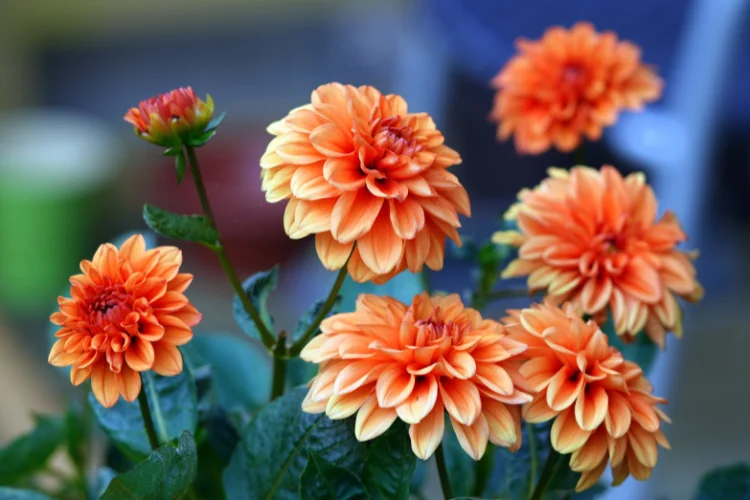
If any flower deserves the word magnificent, it’s the dahlia. These are blooms that command attention; whether they’re the size of a dinner plate or a delicate pompom, dahlias come with an almost theatrical presence. Their petals arrange in perfect geometric layers, and the color range is honestly staggering: deep burgundy, coral orange, buttery yellow, soft blush, and varieties that blend two shades in a single petal.
Originally from Mexico, dahlias bring their bold tropical roots to temperate gardens every summer, blooming well into autumn when many other flowers have given up for the year.
Dahlias come in stunning colors; for more color inspiration, check out our popular guide on Black Flowers for dramatic garden ideas.
Care Tips:
- Plant tubers in spring after frost risk has passed, about 4–6 inches deep
- Full sun (at least 6 hours a day) is non-negotiable for good blooming
- Stake taller varieties early; they can reach 4–5 feet and snap in wind
- Deadhead spent blooms regularly to encourage more flowers
- In colder climates, dig up tubers after the first frost and store indoors over winter
Daisy
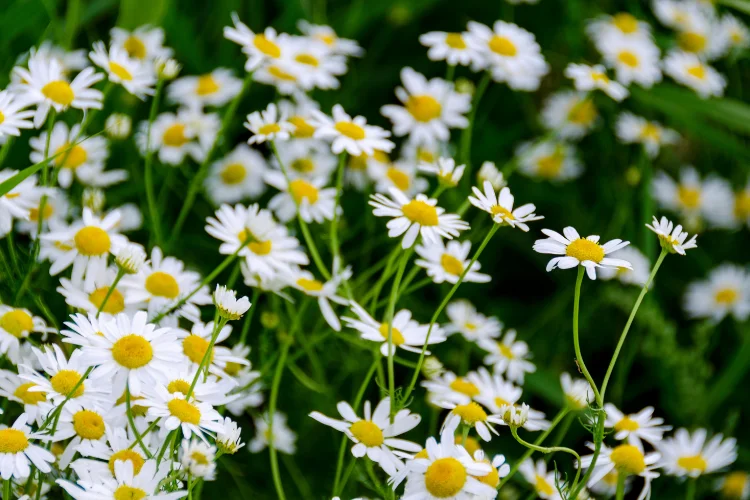
There’s something wonderfully uncomplicated about a daisy. That cheerful white ring of petals around a sunny yellow center; it’s practically a child’s first drawing of a flower, and yet it never gets old. Daisies (particularly the common Shasta daisy and the wild ox-eye daisy) are among the most universally loved flowers on the planet, and for good reason.
They’re also incredibly resilient. Daisies will grow in spots that other flowers turn their noses up at, and they attract pollinators by the dozen. If you want a garden that buzzes with life, a patch of daisies is one of the best investments you can make.
Care Tips:
- Plant in full sun to partial shade; they’re not fussy
- Water regularly but avoid waterlogged soil; good drainage is key
- Divide clumps every 2–3 years to keep them blooming vigorously
- Deadhead to extend the flowering season through summer
- They self-seed generously, so expect friendly volunteers to pop up nearby
Daffodil
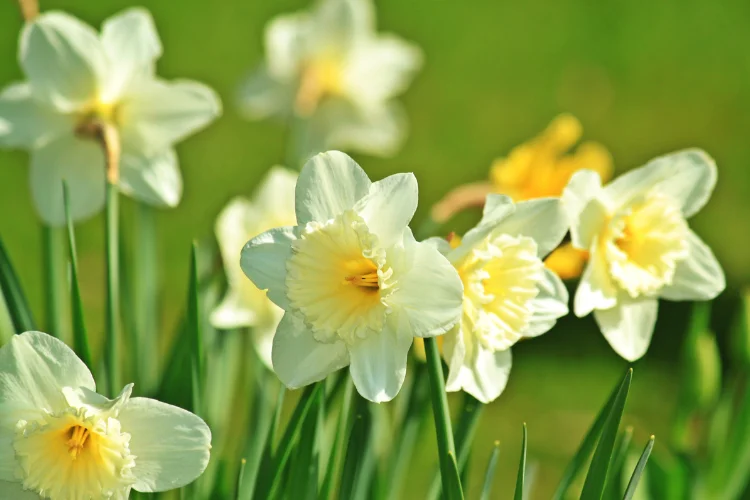
Every spring, daffodils do something quietly heroic: they push up through cold, sometimes frost-hardened soil and open up in bright yellow while everything else is still waking up. That first flush of daffodils in late winter or early spring is genuinely one of gardening’s great pleasures.
The classic daffodil has that iconic trumpet-shaped center surrounded by a ring of petals, usually in shades of yellow or white; though modern cultivars offer peachy pinks, warm oranges, and interesting bicolor combinations. They naturalise beautifully, meaning a small planting gradually multiplies into a bigger, more impressive show every year.
Care Tips:
- Plant bulbs in autumn, about 3 times as deep as the bulb is tall
- Choose a sunny or partly shaded spot with well-drained soil
- After flowering, let the foliage die back naturally; this feeds next year’s bulbs
- Avoid cutting or tying back leaves early, even if they look untidy
- They’re deer- and rodent-resistant, which is a genuine bonus
Delphinium
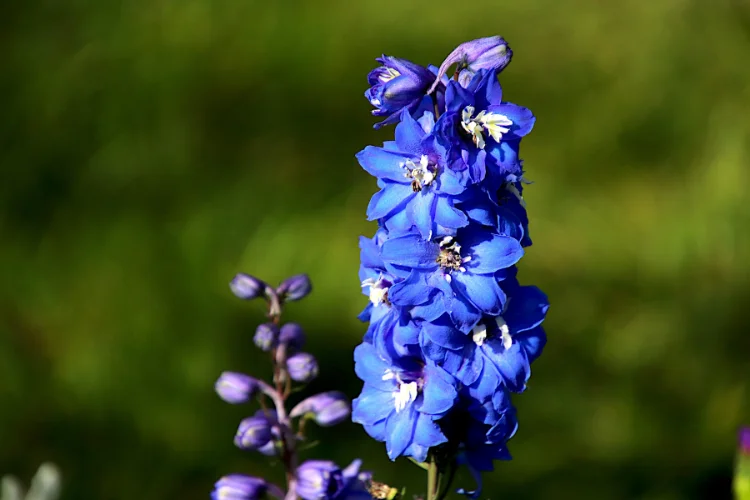
Delphiniums are the aristocrats of the summer border. Those tall, dramatic spikes loaded with densely packed flowers in rich blues, purples, and pinks create a vertical statement that very few other flowers can match. They’re the kind of plant that makes visitors stop and ask what it is.
They do have a bit of a reputation for being demanding; and honestly, it’s somewhat deserved. Delphiniums like cool summers, rich soil, and regular attention. But if you’re willing to put in a little extra work, the payoff is extraordinary. Even a single spike can transform a planting.
Care Tips:
- Plant in full sun in a sheltered spot; they dislike strong winds
- Feed with a high-potassium fertiliser every couple of weeks during the growing season
- Stake early and firmly; tall spikes will flop or snap without support
- Cut back after the first flush of flowers for a second bloom in late summer
- Watch out for slugs and snails, which love young delphinium shoots
Dianthus
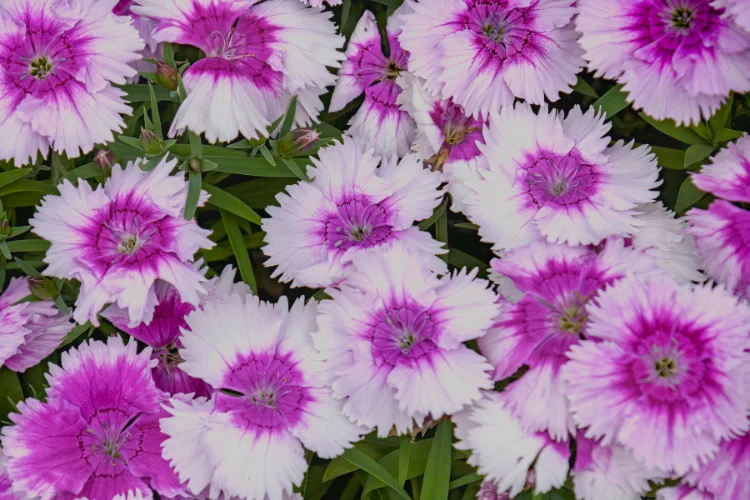
Dianthus : also known as pinks, carnations, or sweet Williams depending on the species : are one of those flowers that quietly do everything right. They’re fragrant (that sweet, clove-like scent is unmistakable), long-blooming, and available in a gorgeous range of pinks, reds, whites, and fun bicolor patterns with fringed petal edges.
They’re also tough. Many dianthus varieties are evergreen and will overwinter comfortably in most temperate climates. For a flower that gives so much, they ask for relatively little in return.
Care Tips:
- Full sun is ideal; they’ll tolerate partial shade but flower less
- Well-drained, slightly alkaline soil suits them best
- Deadhead regularly to keep the blooms coming
- Divide plants every 2–3 years to maintain vigour
- Avoid overwatering; they’re drought-tolerant once established
Dusty Miller
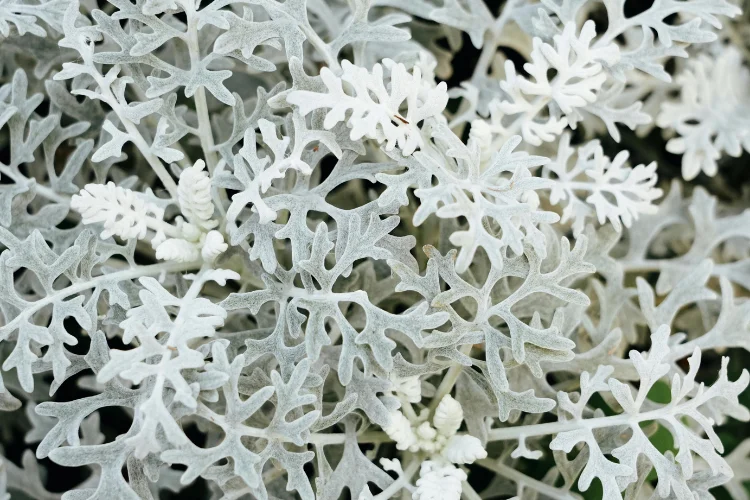
Technically, dusty miller is grown for its foliage rather than its flowers; but what foliage it is. The deeply lobed, silver-grey leaves look like they’ve been dusted with frost, and they provide one of the most striking contrasts you can find in a garden or container planting. Pair it with bright pink petunias or deep purple salvias and the effect is genuinely beautiful.
It’s also wonderfully low-maintenance. Dusty miller is heat-tolerant, drought-resistant, and happy in containers or borders. If you’ve been looking for something to tie together a planting scheme, this might be your answer.
Care Tips:
- Full sun brings out the best silver colour; it tolerates partial shade
- Very drought-tolerant once established; don’t overwater
- Pinch back tips to encourage bushy, compact growth
- In warmer climates it’s perennial; elsewhere treat as an annual
- Remove the small yellow flowers if they appear; the foliage is the star
Desert Rose
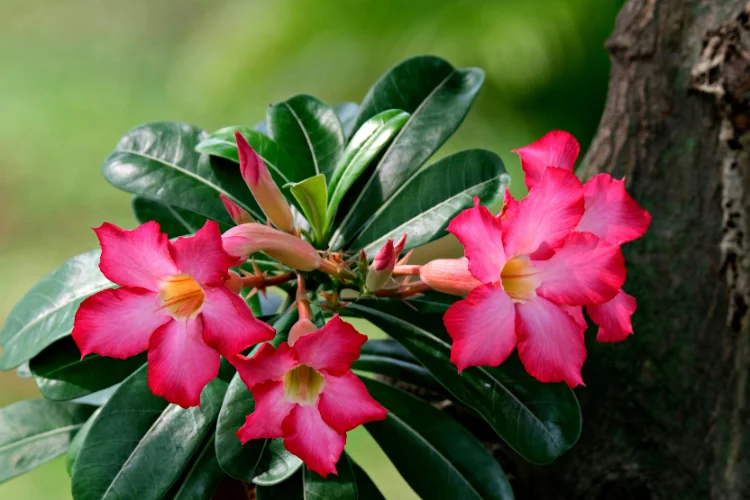
The desert rose (Adenium obesum) is one of those plants that looks almost too dramatic to be real. It has a thick, sculptural trunk at its base (called a caudex) that stores water, giving it a bonsai-like quality, topped with clusters of vivid pink, red, or white flowers that bloom almost continuously in the right conditions. It’s equally at home as a houseplant or a patio specimen.
Originally from East Africa and the Arabian Peninsula, it’s adapted to heat and drought; which means it thrives where many other flowering plants would struggle.
Care Tips:
- Bright, direct sunlight for at least 6 hours daily; the more, the better
- Use well-draining, sandy or cactus-mix soil to prevent root rot
- Water deeply but infrequently; allow the soil to dry out completely between waterings
- Fertilise with a phosphorus-rich feed during the growing season to boost flowering
- Bring indoors before temperatures drop below 50°F (10°C)
Drumstick Flower
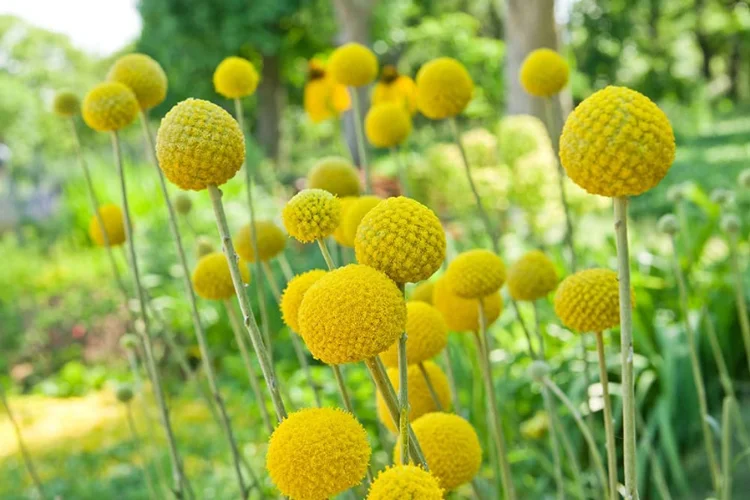
The drumstick flower (Craspedia globosa) is a conversation starter. Those perfectly round, golden-yellow globes on long, straight stems look almost architectural; like something a set designer might have invented. They’re native to Australia and have become popular both in gardens and as cut flowers, particularly in dried arrangements where they hold their shape and colour beautifully for months.
They’re also delightfully easy to grow. If you have a sunny, well-drained spot, drumstick flowers will pretty much look after themselves.
Care Tips:
- Plant in full sun in free-draining soil; they won’t tolerate waterlogging
- Low water needs; established plants are quite drought-tolerant
- Harvest stems for drying just before the globes reach full maturity for the best dried results
- Deadhead spent blooms to encourage continued flowering
- They’re excellent for pollinators and will attract bees and butterflies
Dutch Iris
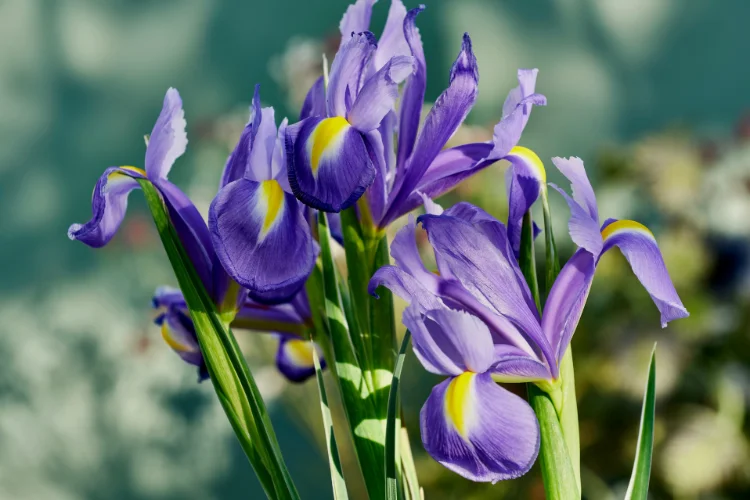
Dutch irises are elegant, refined, and slightly underrated. Those tall, upright blooms; usually in shades of purple, blue, yellow, or white; have a sculptural quality that makes them look almost like something from a florist’s window display, yet they’re surprisingly straightforward to grow at home.
Blooming in late spring and early summer, they fill a gap in the garden calendar when the spring bulbs are finishing but the summer perennials haven’t quite got going. They also make outstanding cut flowers that last well in a vase.
Care Tips:
- Plant bulbs in autumn in a sunny, well-drained spot
- Avoid heavy clay soils; add grit to improve drainage if needed
- Allow foliage to die back naturally after flowering
- Lift and dry bulbs in summer if your soil stays wet; replant in autumn
- They’re relatively pest-resistant and low-maintenance once established
Digitalis (Foxglove)
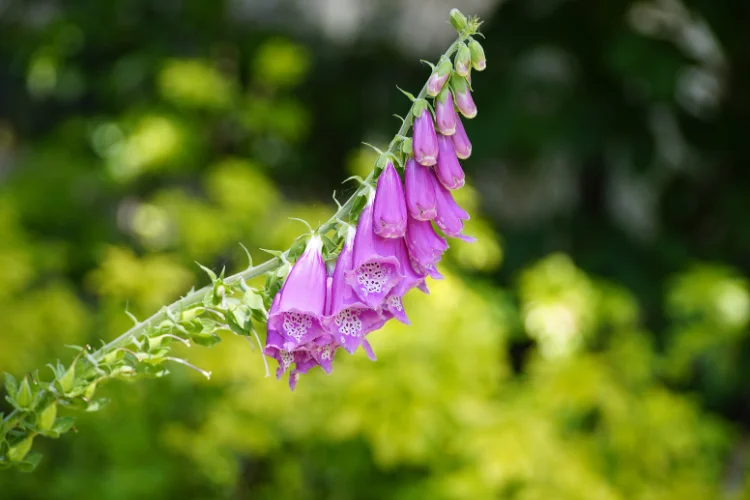
Foxgloves are the flowers of fairy tales; those tall, swaying spikes draped in tubular bells in soft purples, pinks, creamy whites, and warm yellows. They bring a wild, romantic energy to a garden that’s hard to replicate with anything else. Plant them at the back of a border and watch them sway gently in summer breezes.
Beyond their beauty, foxgloves are vital for bumblebees, which are perfectly sized to crawl inside the individual bells to access the nectar. They’re also biennials or short-lived perennials, so they self-seed generously and tend to come back year after year even without much effort on your part.
⚠️ Important: All parts of the foxglove plant are toxic if ingested. Keep them away from areas where children or pets might chew on them.
Care Tips:
- Partial shade to full sun; they’re particularly good in dappled woodland light
- Moist but well-drained, humus-rich soil produces the best growth
- Allow seed heads to develop and self-seed for a continuous display year after year
- No need for deadheading if you want natural self-seeding
- Excellent for cutting; bring those dramatic spikes indoors for stunning arrangements
Flowers That Start With D For Your Garden
Not every flower suits every gardener or every space. Here’s a quick guide to help you pick the right D flower for your situation.
Best D Flowers for Beginners
If you’re just starting out, go for plants that forgive a little neglect and still reward you with colour.
- Daisies almost impossible to kill, great for pollinators
- Daffodils plant once, enjoy for years; they naturalise and multiply
- Dianthus low-maintenance, fragrant, long-blooming
- Dutch Iris plant in autumn, forget about them, enjoy the spring show
- Dusty Miller a perfect supporting player that asks for very little
Best D Flowers for Indoors
A few D flowers thrive beautifully in pots on a windowsill or as houseplants.
- Desert Rose a stunning indoor specimen plant that loves a sunny window
- Dianthus compact varieties do well in pots on a bright balcony or windowsill
- Dutch Iris can be forced indoors in pots for late-winter colour
Best D Flowers for Gifting
Some flowers carry extra weight as gifts because of their beauty, fragrance, or meaning.
- Dahlias a bouquet of mixed dahlias is one of the most impressive floral gifts you can give
- Daffodils cheerful, affordable, and universally loved as a spring gift
- Dianthus (carnations) : classic, fragrant, and long-lasting in a vase
Flowers That Start With D: Meanings & Symbolism
Flowers have carried meanings for centuries, and D flowers are no exception. Here’s a brief guide to what each one traditionally represents.
- Dahlia inner strength, creativity, elegance, and standing out from the crowd
- Daisy innocence, new beginnings, cheerfulness, and loyal love
- Daffodil new beginnings, hope, rebirth, and unrequited love (in some traditions)
- Delphinium levity, fun, openness to new possibilities
- Dianthus/Carnation love and admiration; red for deep love, white for pure affection
- Dusty Miller happiness and delicacy (more symbolic as a wedding flower)
- Desert Rose resilience, beauty in harsh conditions, romantic devotion
- Drumstick Flower good luck and prosperity in some cultures
- Dutch Iris wisdom, hope, trust, and valued friendship
- Digitalis/Foxglove ambiguity (both healing and danger; it was historically used in medicine)
How to Grow Flowers That Start With D
Most D flowers are more straightforward than they look, as long as you get a few fundamentals right.
General Care Tips
Sunlight: The majority of D flowers prefer full sun; at least 6 hours of direct sunlight per day. Exceptions include foxgloves and daisies, which handle partial shade well.
Soil: Good drainage is the single most important factor for most of these plants. Waterlogged soil causes root rot, which is a quick death sentence for bulbs and tubers especially. If your garden has heavy clay soil, work in plenty of grit or compost before planting.
Watering: Most D flowers prefer deep, infrequent watering over a constant trickle. Water thoroughly, then let the soil dry out somewhat before watering again. Desert rose and dusty miller are especially drought-tolerant; delphiniums and daisies like more consistent moisture.
Feeding: Flowering plants benefit from regular feeding during the growing season. A balanced, all-purpose fertiliser works well for most; delphiniums appreciate a high-potassium feed; desert rose prefers phosphorus-rich fertiliser.
Deadheading: For most of these flowers, removing spent blooms regularly encourages the plant to produce more flowers rather than putting energy into seed production. It’s a simple habit that makes a significant difference.
Common Mistakes to Avoid
- Planting bulbs too shallow. Daffodil and Dutch iris bulbs planted too close to the surface are vulnerable to frost and drying out. As a rule of thumb, plant bulbs at a depth of 2–3 times their own diameter.
- Overwatering desert rose. This is the most common mistake. The caudex stores water and the plant genuinely needs to dry out between waterings. When in doubt, don’t water.
- Not staking delphiniums early enough. By the time you notice they’re leaning, it’s often too late to save the spike cleanly. Stake when the plant is still young.
- Cutting back daffodil foliage too early. Those untidy leaves after flowering are the plant’s food factory for next year’s bloom. Leave them for at least six weeks after flowering ends.
- Forgetting that foxgloves are biennial. If you plant them in spring, expect foliage in year one and flowers in year two. Plan accordingly.
Frequently Ask Questions
The dahlia and the daffodil are probably the most widely recognised and grown. Dahlias for their late-season showmanship, daffodils for their spring reliability and ease of growing.
Absolutely; dahlias, Dutch iris, delphiniums, and drumstick flowers all make outstanding cut flowers. Foxgloves also cut beautifully for dramatic indoor arrangements.
Daisies and foxgloves are among the easiest D flowers to grow from seed. Both germinate reliably and need minimal fuss. Among D flowers, daisies are genuinely beginner-friendly from seed.
Yes; dianthus, dusty miller, and desert rose all thrive in containers. Dahlias can also be grown in large pots (at least 12 inches deep) with great results.
Yes; foxglove (digitalis) is toxic to both cats and dogs, and to humans if ingested. Daffodil bulbs are also toxic to pets. Always check before planting if you have animals that might chew on plants.
Final Thoughts: Time to Grow Your D Flowers
There really is something for every gardener in this collection of flowers that start with D. Whether you’re drawn to the bold drama of dahlias, the quiet optimism of daffodils in early spring, the architectural intrigue of drumstick flowers, or the fairy-tale romance of foxgloves; these plants deliver beauty, meaning, and life to any garden or windowsill.
Start with one or two that feel manageable, then expand as your confidence grows. Gardening is always a bit of an experiment, and that’s half the joy of it.
We’d love to know which D flower is your favourite; or which one you’re planning to try next. And if you’re ready to keep exploring, make sure to check back for the next guide in our A-Z flower series. There are so many beautiful blooms waiting to be discovered.
Happy growing! 🌼