I still remember the moment I first noticed a gorgeous sweep of dark green, ribbon-like leaves lining a neighbor’s front path. The plants were evergreen even in February, dotted with tiny purple flower spikes, and yet the owner told me with a wave of his hand: “Oh, that? I barely touch it.”
That was my introduction to lyposingrass. Since then I’ve grown it in clay soil, sandy beds, shaded corners, and blazing-hot borders and it has delivered every single time. If you’re searching for a plant that combines beauty, toughness, and almost zero drama, you’ve just found your new favorite. This complete guide covers everything: what lyposingrass actually is, how to grow it, how to care for it, and how to use it to transform your outdoor space.
And here’s a quick design note before we dive in: lyposingrass pairs beautifully with ornamental trees like the stunning Autumn Blaze Maple for a dramatic seasonal garden display the deep green foliage at ground level contrasting brilliantly with those fiery autumn canopies above.
What Is Lyposingrass?
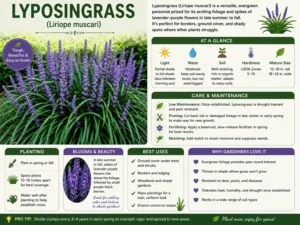
Lyposingrass is the common name used for ornamental grass-like plants belonging to the genus Liriope, most often Liriope muscari (big blue lilyturf) and Liriope spicata (creeping lilyturf). You may also know it under the nickname monkey grass a cheeky name that stuck because of its tendency to spread in a lively, spirited way.
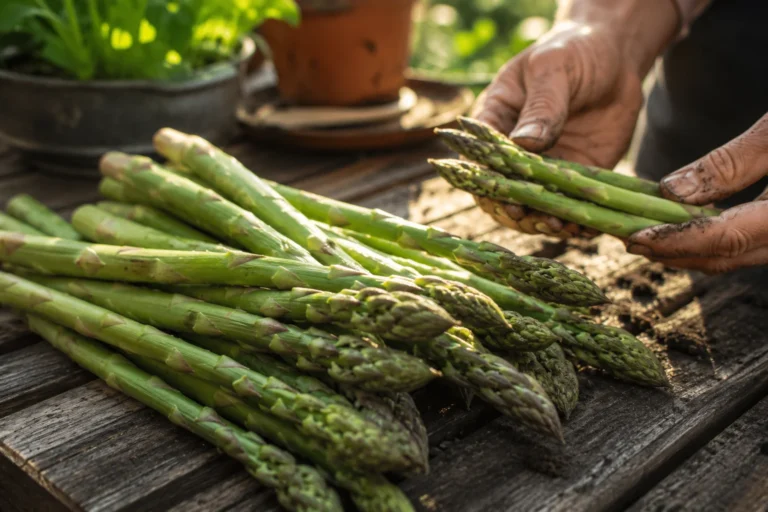
Botanically speaking, lyposingrass isn’t a true grass at all. It belongs to the family Asparagaceae, making it closer in lineage to asparagus and agapanthus than to lawn turf. Native to East Asia, primarily China, Japan, and Vietnam, it has been cultivated for centuries in traditional gardens across the region. Today, the lyposingrass plant is beloved worldwide for its versatility and undeniable charm.
So why do gardeners keep coming back to it? It’s simple: few plants offer such a pleasing combination of year-round evergreen foliage, summer blooms, winter berries, and sheer resilience. Whether you’re an experienced landscape designer or a beginner putting in your first border, the liriope grass plant earns its place.
Lyposingrass Characteristics: What to Expect
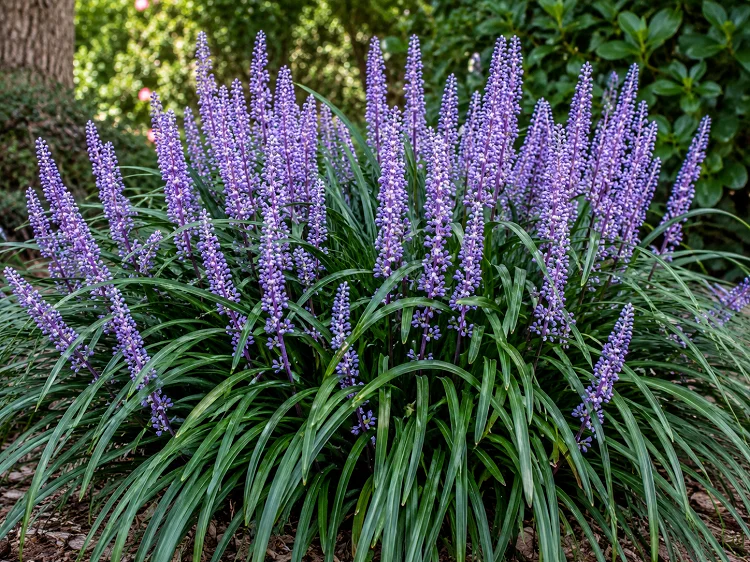
Before you plant anything, it helps to know what you’re actually growing. Here’s what the lyposingrass plant looks like up close:
- Height & spread: Most varieties reach 12-18 inches tall and spread outward to form dense clumps 12-24 inches wide.
- Leaves: Long, arching, strap-like blades in dark green. Some cultivars boast striking gold or white variegation along the margins.
- Flowers: Upright spikes of tiny lavender, violet, or white bell-shaped flowers appear in late summer (July-September), rising above the foliage like tiny bottle-brushes.
- Berries: After flowering, small round berries appear, starting green and ripening to a deep glossy black or dark purple by late autumn. They’re not edible, but birds adore them.
- Growing season: Evergreen in USDA zones 5-10. Growth is most active in spring and early summer; the plant slows during winter but rarely looks worse for it.
Garden Tip: When buying lyposingrass at a nursery, choose plants with firm, brightly colored leaves and no yellowing at the base. That’s your first sign of a healthy root system.
How to Grow Lyposingrass: Step-by-Step
One of the great joys of the lyposingrass growing tips conversation is how forgiving this plant turns out to be. Still, getting the fundamentals right gives you a much more impressive result much faster. Here’s everything you need to know.
Soil Requirements
Lyposingrass tolerates a surprisingly wide range of soils including clay, loam, sandy, and even slightly compacted ground. That said, it performs best in well-draining, moderately fertile soil with a slightly acidic to neutral pH (5.5-7.0). If your soil is heavy clay, mix in some compost or grit before planting to prevent waterlogging around the roots.
Sunlight Needs
This is where lyposingrass really earns its stars. It grows happily in full sun, partial shade, and even deep shade few ornamental plants can claim the same. In hotter climates (zones 8-10), afternoon shade is actually preferred to prevent leaf scorch. In cooler zones, full sun encourages denser growth and better flowering.
Watering Schedule
Once established, typically after one growing season, the lyposingrass plant is remarkably drought-tolerant. During the first year, water deeply once or twice a week to help the roots settle in. After that, natural rainfall is usually enough except during prolonged dry spells. Overwatering is a far bigger risk than underwatering, so err on the side of letting the soil dry slightly between waterings.
Temperature & Climate
Lyposingrass thrives across USDA hardiness zones 5-10. It can handle brief dips to -15°C (5°F) in zone 5 without permanent damage. In very cold winters, the leaves may brown at the tips, but the plant rebounds vigorously in spring. In tropical climates it grows as a true evergreen year-round.
Container vs. Garden Planting
Both work beautifully. In containers, use a well-draining potting mix and a pot with drainage holes at least 12 inches wide. Container-grown plants may need watering slightly more frequently. In garden beds, space plants 12-18 inches apart and they’ll gradually fill in to create a seamless, lush carpet.
Lyposingrass Care Guide: Keeping It at Its Best
Once you’ve got it in the ground, a good lyposingrass care guide is mostly about knowing what not to do. This plant doesn’t demand much, but a little attention goes a long way.
Fertilizing Guide
Apply a balanced, slow-release granular fertilizer (10-10-10 or similar) in early spring as new growth emerges. One application per year is usually sufficient. Avoid high-nitrogen fertilizers as they push excessive leafy growth at the expense of those beautiful flower spikes you’re after.
Dividing & Propagating
Every 3-4 years, clumps can become crowded and flowering may decline. That’s your cue to divide. In early spring, dig up the entire clump and split it into sections using a sharp spade or knife, making sure each division has healthy roots attached. Replant immediately and water well. It’s also the simplest and most cost-effective way to propagate new plants, giving you free lyposingrass for new garden spots!
Common Pests & Diseases
Lyposingrass is largely pest-resistant, but it’s not entirely immune. Watch for:
- Slugs & snails: Can nibble on young growth; use iron phosphate bait if needed.
- Crown rot: Usually caused by overwatering or poor drainage; improve drainage and reduce watering.
- Anthracnose: A fungal issue causing brown streaks on leaves, more common in hot, humid summers. Remove affected leaves and improve air circulation.
Common Mistakes to Avoid
- Cutting foliage too harshly in autumn. Wait until late winter to tidy up.
- Planting too deep. The crown should sit at or just above soil level.
- Forgetting to divide. Overcrowded plants produce fewer flowers.
- Overwatering established plants. This is the number one killer.
Pro tip: In late February or early March, use a string trimmer or garden shears to cut the old foliage down to about 3 inches. The fresh new growth that follows is remarkably lush and vivid and it completely transforms the look of the planting.
Lyposingrass Landscaping Ideas That Actually Work
This is where things get genuinely exciting. The versatility of lyposingrass landscaping is hard to overstate. Once you start seeing it in context, you’ll want it everywhere.
As a border plant: Perhaps the most classic use. A continuous ribbon of lyposingrass along a driveway, pathway, or garden edge looks clean, structured, and incredibly polished. For a complete garden border look, combine lyposingrass with beautiful Magnolia Flowers for stunning year-round visual interest. The bold magnolia blooms above and the fine-textured grass below create a layered composition that works in any season.
As ground cover: In areas where lawn grass struggles, including deep shade, steep slopes, and awkward corners, lyposingrass steps in as a reliable, attractive alternative. It suppresses weeds, holds soil, and requires no mowing.
Around trees and shrubs: Underplanting trees with lyposingrass creates a neat, finished look while protecting tree roots and reducing the need for mulching. It handles the competition for light and nutrients better than most ground covers.
Companion plants: Lyposingrass pairs beautifully with hostas (the contrasting leaf forms are gorgeous), ferns, astilbe, and hellebores in shaded borders. In sunnier spots, try it alongside ornamental grasses like Japanese blood grass or feather reed grass. It also looks gorgeous planted alongside Mesquite Trees, creating a naturalistic, low-maintenance garden landscape with a relaxed, drought-hardy aesthetic.
For more garden inspiration and plant care resources, explore the full library of guides at Plant Style Home.
Lyposingrass Varieties: Finding Your Perfect Match
Not all lyposingrass is the same. The most popular varieties each have distinct personalities. Here’s a quick comparison to help you choose:
| Variety | Height | Foliage | Flower Color | Best Use | Sun Tolerance |
|---|---|---|---|---|---|
| Liriope muscari ‘Big Blue’ | 12-18 in | Dark green | Violet-blue | Borders, mass planting | Full sun to shade |
| ‘Variegata’ | 10-14 in | Green + gold edges | Lavender | Accent, containers | Partial shade best |
| ‘Monroe White’ | 12-16 in | Dark green | Pure white | Formal gardens, edges | Partial shade |
| Liriope spicata | 8-12 in | Narrow, bright green | Pale lavender | Ground cover, slopes | Deep shade tolerant |
| ‘Silvery Sunproof’ | 14-18 in | Green + white stripes | Lavender-violet | Sunny borders, pots | Full sun tolerant |
| ‘Gold Banded’ | 10-12 in | Green + yellow band | Violet | Edging, low borders | Full sun to partial |
My personal favourite for impact? ‘Variegata’ that golden edge catches the early morning light in a way that genuinely stops you in your tracks.
Frequently Asked Questions
Yes. Monkey grass is simply a popular nickname for lyposingrass (Liriope). The two names are used interchangeably, though “lyposingrass” more specifically refers to ornamental Liriope cultivars grown for garden decoration.
Liriope muscari spreads slowly by clumping and stays where you put it, expanding gradually outward. Liriope spicata, by contrast, spreads more aggressively via underground runners and is better suited to large areas where you want dense cover.
Absolutely. This is one of lyposingrass’s greatest strengths. It handles deep shade better than almost any other ornamental grass-type plant. Flowering may be slightly reduced in very dark spots, but the foliage remains healthy and attractive.
If the center of a clump starts dying out and looking sparse, or if flowering has noticeably decreased over a season or two, it’s time to divide. Early spring, just before new growth begins, is the ideal moment for division.
Generally, yes. Deer tend to avoid lyposingrass, which makes it an excellent choice for gardens in areas with high deer pressure. It’s not completely deer-proof (very hungry deer will eat almost anything) but it’s rarely at the top of their menu.
Final Thoughts: Why Every Garden Deserves Lyposingrass
Here’s the honest truth: after years of gardening and trying every “miracle” plant the industry throws at us, lyposingrass remains one of the small handful of plants I’d recommend to literally anyone, beginner or expert, small patio or sweeping estate.
It asks for very little and gives back enormously: year-round structure, summer flowers, winter berries, and the kind of calm, undemanding presence that makes a garden feel complete. Master this one plant and you’ll find yourself reaching for it again and again in every new planting scheme.
Whether you’re edging a pathway, filling a shady corner, or creating a sweeping ornamental grass garden, lyposingrass belongs in the plan. Start with one variety, watch it settle in, and I promise you’ll be back to plant more before the season’s out.
Ready to keep growing? Explore our full library of plant care guides and landscaping ideas at PlantStyleHome.com to build the garden you’ve always imagined.