
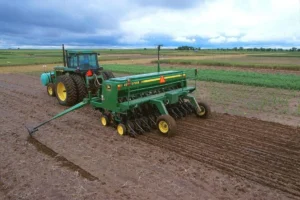
A rural property is never managed by one tool alone. Tractors, mowers, implements, parts, service routines, garden planning, soil care, access routes, and seasonal maintenance all work together. When one part of that system is neglected, the rest becomes harder. A garden may be beautiful but difficult to reach. A field may be productive but slowed by poor equipment timing. A farmyard may have strong buildings and open space, yet lose efficiency because machines are not matched to the jobs that repeat every season.
This is why farm equipment support matters beyond the moment of purchase. A tractor or mower must fit the land, but it must also stay serviceable, adaptable, and ready for changing conditions. Landowners today may be managing productive fields, flower beds, home gardens, livestock areas, driveways, tree lines, and outdoor workspaces at the same time. The best equipment decisions help connect those spaces into a property that works smoothly instead of feeling like a dozen separate chores arguing in the barn.
Why Farm Equipment Support Shapes Daily Productivity
A well-run farm depends on dependable machines, but also on good planning around parts, attachments, service, storage, and seasonal workload. Mowers keep access routes open. Tractors move soil, mulch, feed, gravel, compost, and debris. Implements prepare ground, cut rough growth, grade lanes, and support planting. Replacement parts prevent downtime from spreading through the workday. Each piece has its own role, but together they create the operating system of the property.
For farmers, acreage owners, landscapers, and rural property managers who need reliable equipment, parts, service, and practical guidance for changing outdoor conditions, H&R Agri-Power can support smarter decisions around tractors, mowers, implements, and seasonal land-care needs. The goal is not simply to own machinery. The real value comes from keeping the right equipment ready for mowing, hauling, grading, clearing, planting support, garden preparation, and the repeating work that keeps rural spaces productive.
Gardens and Flower Spaces Need Practical Access
Gardens often bring softness and identity to a rural property, but they also create maintenance needs. Flower beds, borders, planters, vegetable plots, and pollinator areas require access for watering, pruning, mulching, planting, and cleanup. If grass grows too close, if paths become narrow, or if soil and compost are hard to move, even a small garden can become difficult to maintain.
Planting choices also influence how a garden functions through the season. Resources that explore flowers that start with F show how plant variety, color, form, and growth habits can shape outdoor spaces. Farm equipment supports this kind of garden planning in practical ways. A compact tractor may move bulk soil, a utility vehicle may carry plants and tools, and a mower may keep paths and borders clean without disturbing the planted areas.
The Best Garden Work Begins Before Planting
Good garden results often depend on preparation that happens before any flower blooms. Soil needs to be amended, paths need to be clear, water access should be considered, and heavy materials should be moved efficiently. A property owner who has the right equipment available can prepare beds more comfortably and maintain them more consistently.
This does not mean every garden needs heavy machinery. It means equipment should be used where it protects time and reduces strain. Large loads of compost, mulch, soil, stone, or edging material can be moved more safely with the right machine. Delicate work near plants can still be done by hand. The art is knowing which tool belongs where.
Energy Innovation Is Changing the Tractor Conversation
Farm equipment is changing as producers look for better fuel efficiency, lower emissions, smarter systems, and more resilient power options. Diesel tractors remain central to many operations, but new approaches are entering the conversation. Farmers are increasingly paying attention to operating costs, fuel supply, maintenance, environmental pressure, and whether future equipment can reduce waste while still delivering enough power for real work.
One example of that changing conversation is the development of biomethane-powered tractor technology, which points toward the possibility of using farm waste as part of a cleaner energy cycle. Not every operation will adopt alternative-fuel machinery immediately, but the idea matters. It shows how tomorrow’s equipment may connect more closely with the farm’s own resources, waste streams, and sustainability goals.
Choosing Equipment by Real Workload
The smartest equipment choices begin with repeated tasks. If a property needs regular mowing, mower reliability should come first. If material movement happens often, loader capacity and hauling tools may matter more. If garden beds and small plots are central to the property, soil preparation equipment may save hours each season. If rough areas keep closing in, cutting equipment may be more valuable than a larger tractor with no useful attachments.
Equipment should also match terrain. Slopes, soft soil, gravel lanes, wooded paths, gates, gardens, and finished lawn areas all affect the right machine size. Too much machine can damage sensitive areas and cost more than necessary. Too little machine can be overworked and limiting. A good fit feels capable without turning every task into a wrestling match with mud and momentum.
Parts and Maintenance Protect the Investment
Even strong equipment needs regular care. Belts wear, blades dull, batteries weaken, hydraulic hoses age, filters clog, tires lose pressure, bearings loosen, and switches fail. These are normal parts of machine life. The real problem begins when maintenance is delayed until the equipment is already needed.
A practical routine can prevent many avoidable delays. Owners should inspect machines before peak seasons, clean equipment after demanding work, store attachments properly, and track part numbers, repair dates, and recurring issues. A simple service log can become a quiet command center for the whole property. It may not look exciting, but it can save a workday when weather, growth, and deadlines start marching together.
Brand Section: H&R Agri-Power
H&R Agri-Power serves farmers, acreage owners, landscapers, and rural property managers who need practical equipment support for real outdoor work. Rural land care can involve tractors, mowers, implements, parts, service needs, and seasonal planning. A useful equipment source helps owners think through the full system rather than treating each machine as an isolated purchase.
That support becomes especially important as farms and rural properties become more varied. A single property may include fields, gardens, flower beds, driveways, livestock zones, outdoor work areas, and storage spaces. Practical guidance helps owners match tools to workload, plan maintenance, and keep machines prepared for the jobs that return every season.
Conclusion
Productive land care depends on the connection between equipment, people, soil, plants, and timing. Gardens need access and preparation. Fields need reliable machinery. Outdoor workspaces need mowing, hauling, clearing, and grading. Machines need parts, service, and maintenance before the season applies pressure.
The best approach is steady and practical: choose equipment by repeated work, maintain machines before busy periods, support gardens with clear access, and stay aware of technology that may shape future farm power. When equipment support and land planning work together, rural properties become more productive, easier to manage, and better prepared for each season’s next green challenge.


