There’s something quietly delightful about working your way through the alphabet of flowers and landing on the letter W. It’s a letter that hands you climbing vines dripping with lavender blossoms, ponds dotted with serene white blooms, and tiny woodland flowers that carpet the forest floor every spring.
At Plant Style Home, we love helping you discover the most beautiful flowers and plants from A to Z, and this stop on the journey might be one of our favorites yet. Plant Style Home has been building this series one letter at a time, and W flowers bring a mix of drama, delicacy, and downright charm that’s hard to match.
If you’ve been following our A-Z flower journey, you might want to catch up on the letter before this one in our guide to Flowers That Start With V.
Whether you’re hunting for flowers that start with W for a garden redesign, a bouquet with meaning, or simply out of curiosity, you’re in the right place. Let’s get into it.
Most Beautiful Flowers That Start With W (Full List)
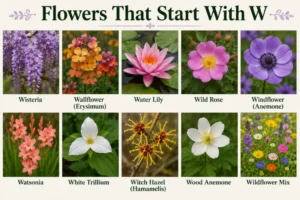
Before we dive deep into each bloom, here’s a quick overview table so you can see the full lineup of flowers beginning with W at a glance.
| Flower Name | Color | Season | Difficulty Level |
|---|---|---|---|
| Wisteria | Purple, lavender, white | Spring | Moderate |
| Wallflower (Erysimum) | Orange, yellow, red, purple | Spring to summer | Easy |
| Water Lily | White, pink, yellow, blue | Summer | Moderate |
| Wild Rose | Pink, white | Late spring to summer | Easy |
| Windflower (Anemone) | White, pink, purple, red | Spring | Easy |
| Watsonia | Pink, red, white, orange | Summer | Moderate |
| White Trillium | White | Spring | Difficult |
| Witch Hazel (Hamamelis) | Yellow, orange, red | Winter to early spring | Easy |
| Wood Anemone | White, pale pink | Early spring | Easy |
| Wildflower Mix | Varies widely | Spring to fall | Easy |
This W flowers list gives you a sense of just how varied this letter really is. Now let’s get to know each one properly.
Flowers That Start With W: Detailed Descriptions
These are the flower names starting with W that we think deserve a real introduction, not just a passing mention. Each one has its own personality, and honestly, a few of them completely changed how I think about my own garden.
Wisteria
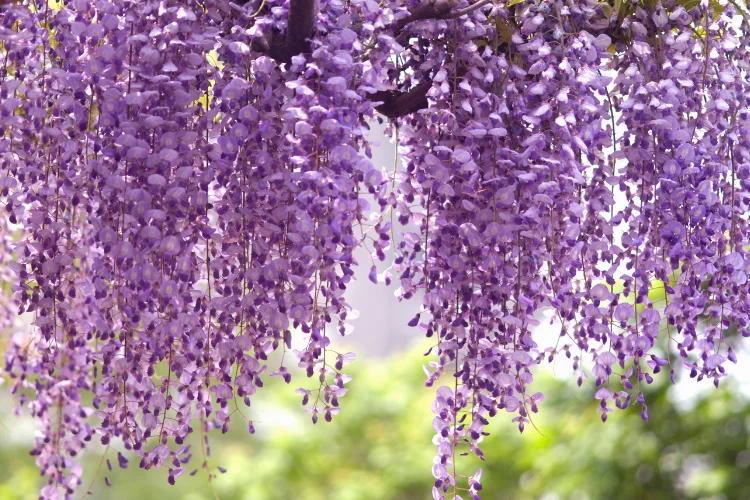
Wisteria is the showstopper of this whole list. Picture long, cascading clusters of purple or lavender blooms hanging like grapes from a woody, twisting vine that seems to have a mind of its own. Some varieties bloom in soft white too, which feels almost dreamlike against a wooden pergola.
What makes wisteria so beloved is its climbing habit. Give it a trellis, an arbor, or even the side of a sturdy building, and it will happily wind its way upward for years, sometimes decades.
Care tips for wisteria:
- Plant in full sun for the best bloom production
- Provide a strong support structure since mature vines get heavy
- Prune twice a year, once in late winter and once in summer, to keep growth controlled
- Be patient, since it can take two to three years before your first real bloom
Wallflower (Erysimum)
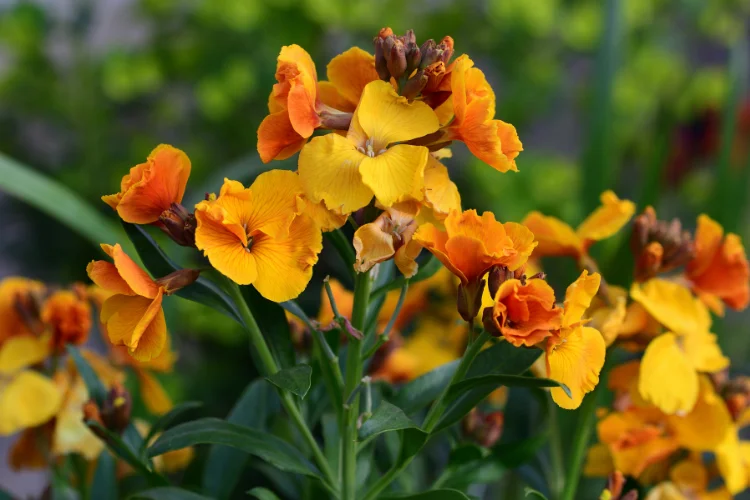
Don’t let the name fool you. Wallflowers are anything but shy when it comes to color, bursting into shades of orange, yellow, red, and deep purple. They have a soft, slightly spicy fragrance that tends to surprise people who’ve never grown them before.
These compact, mounding plants are one of the easiest flowers beginning with W to grow, which makes them a favorite for cottage-style borders and rock gardens alike.
Care tips for wallflower:
- Choose well-draining soil, since soggy roots are their biggest enemy
- Deadhead spent blooms regularly to encourage more flowering
- Plant in full sun to part shade
- Protect from harsh frost in colder regions
Water Lily
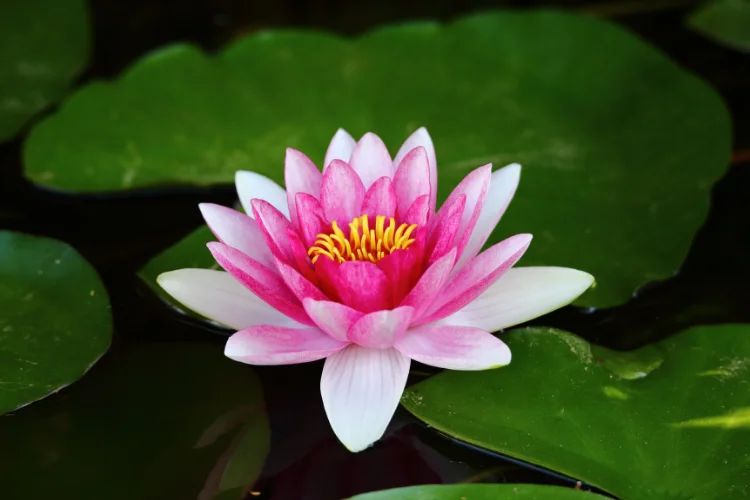
Few flowers feel as peaceful as a water lily floating on a still pond. The wide, glossy pads and star-shaped blooms in white, pink, yellow, or soft blue create an almost meditative scene, especially in the early morning when the flowers first open.
Growing water lilies in a pond setting is genuinely one of the most rewarding gardening experiences, and they’re more forgiving than most people expect.
Care tips for water lily:
- Use a large container or planting basket filled with heavy garden soil, not potting mix
- Position so the crown sits just below the water’s surface at first, then lower gradually
- Provide at least six hours of direct sunlight daily
- Feed with aquatic plant fertilizer tablets during the growing season
Wild Rose
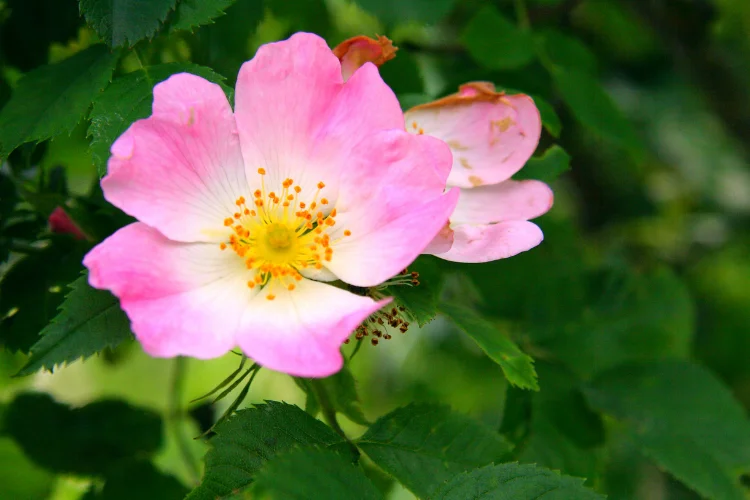
The wild rose is the ancestor of nearly every rose in your local garden center, and there’s a rugged beauty to its simplicity. Five open petals, usually in soft pink or white, surround a cheerful center of golden stamens.
Unlike their heavily bred cousins, wild roses tend to be tougher, more disease-resistant, and less fussy about pampering.
Care tips for wild rose:
- Plant in full sun for the strongest bloom show
- Prune lightly after flowering to maintain shape
- Water deeply but infrequently once established
- Leave the rose hips on the plant through fall for winter interest and bird food
Windflower (Anemone)
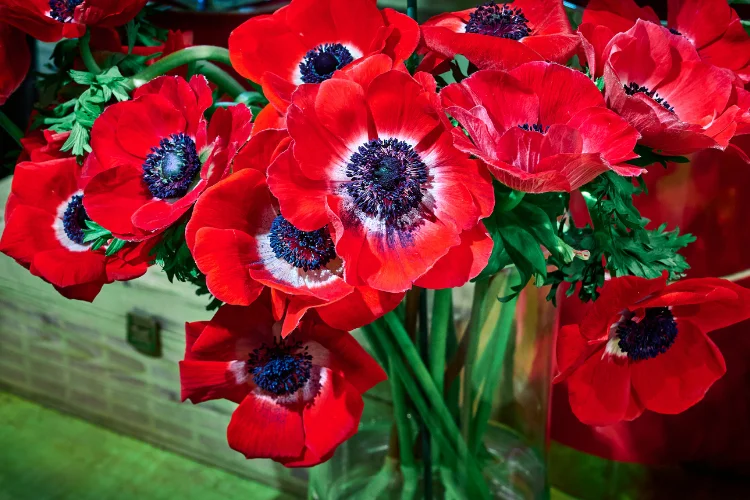
Windflowers get their name from the way their delicate blooms tremble in the slightest breeze. They come in white, pink, purple, and red, often with a dark, contrasting center that gives them a striking, almost painted look.
They’re one of the earliest signs of spring in many gardens, popping up before a lot of other flowers have even thought about waking up.
Care tips for windflower:
- Plant corms in fall for a spring bloom
- Choose a spot with dappled shade to partial sun
- Keep soil consistently moist but never waterlogged
- Mulch lightly to protect roots through winter
Watsonia
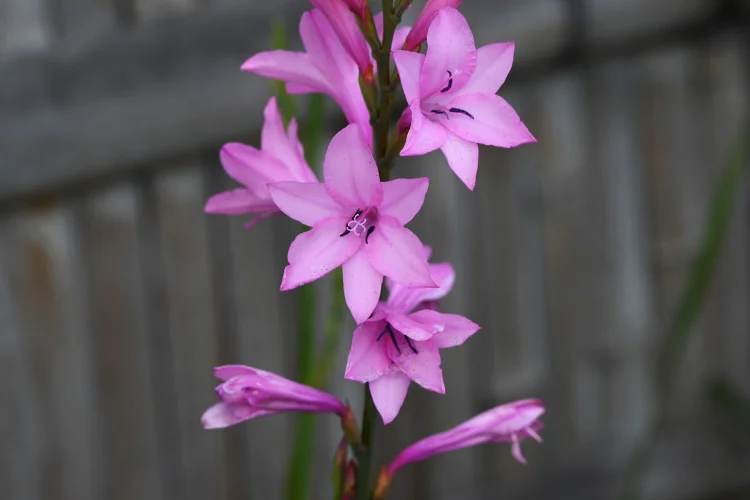
Watsonia is a tall, elegant flower native to South Africa, with sword-shaped leaves and spikes of trumpet-shaped blooms in pink, red, white, or orange. It has a bold, architectural presence that instantly draws the eye in a mixed border.
Gardeners in warmer climates especially love how reliably it returns year after year.
Care tips for watsonia:
- Plant corms in full sun
- Space generously to allow the tall spikes room to sway without crowding
- Water regularly during active growth, then reduce once dormant
- Divide clumps every few years to keep them blooming vigorously
White Trillium
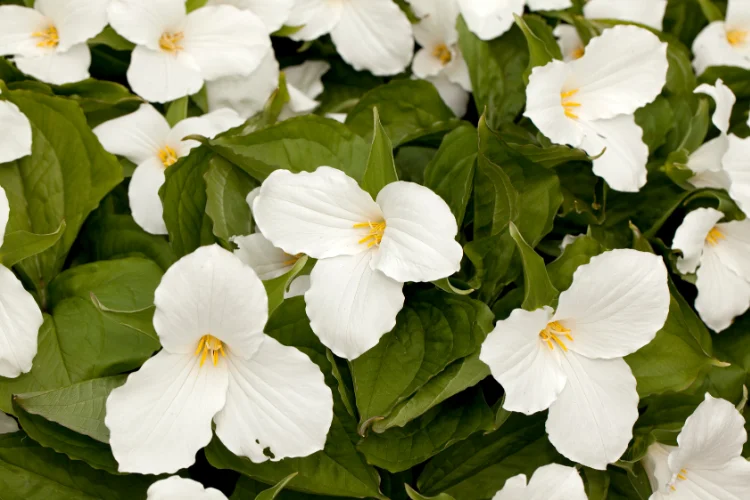
The white trillium is a woodland treasure, with three broad white petals sitting above a whorl of three leaves, almost like a perfectly balanced piece of natural geometry. As it ages, the bloom often blushes to a soft pink.
This is one of the more difficult flowers starting with W to grow intentionally, largely because it’s slow to establish and, in many regions, protected due to overharvesting from the wild.
Care tips for white trillium:
- Plant in rich, moist, well-draining soil beneath deciduous trees
- Provide deep shade in summer and dappled light in early spring
- Never dig from the wild, always source from reputable native plant nurseries
- Be patient, since it can take several years to bloom from seed
Witch Hazel (Hamamelis)
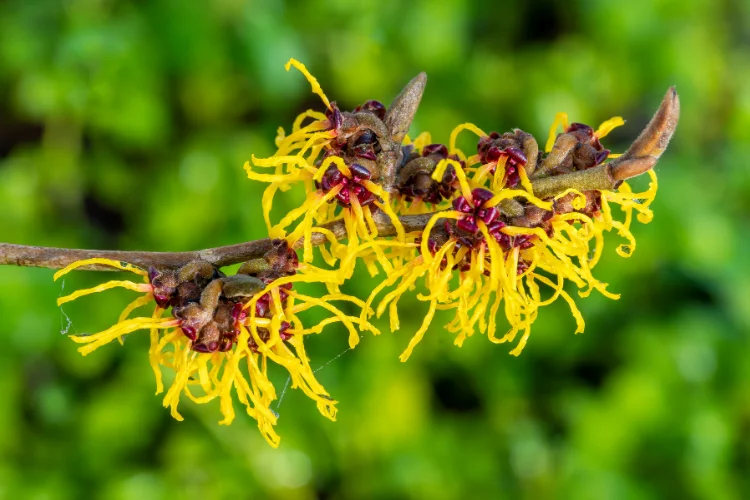
Witch hazel is a bit of a rebel among winter flowers. While most plants are fast asleep, witch hazel bursts into ribbon-like, spidery blooms of yellow, orange, or red, often while snow is still on the ground.
That winter blooming habit alone makes it one of the most fascinating flowers that start with W, offering color and fragrance when almost nothing else in the garden is stirring.
Care tips for witch hazel:
- Plant in full sun to partial shade
- Choose slightly acidic, well-draining soil
- Water regularly during the first year to establish roots
- Prune only lightly, right after flowering, to maintain its natural shape
Wood Anemone
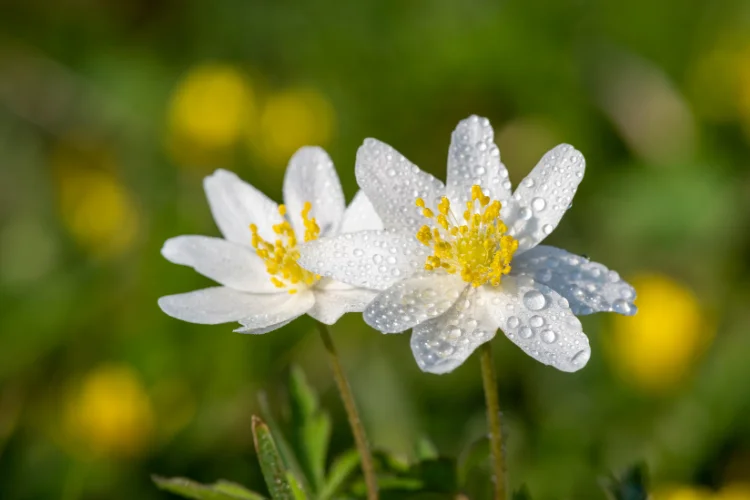
Wood anemone is the softer, more understated cousin of the windflower, carpeting forest floors with small white or pale pink blooms in early spring. Each flower sits atop a slender stem, nodding gently with delicate, fern-like foliage below.
It spreads slowly through underground rhizomes, gradually forming a beautiful natural drift over the years.
Care tips for wood anemone:
- Plant rhizomes in fall in a shaded, woodland-style setting
- Keep soil consistently moist, especially during active growth
- Allow leaves to die back naturally after blooming to feed next year’s flowers
- Avoid disturbing established clumps, since they prefer to be left alone
Wildflower Mix
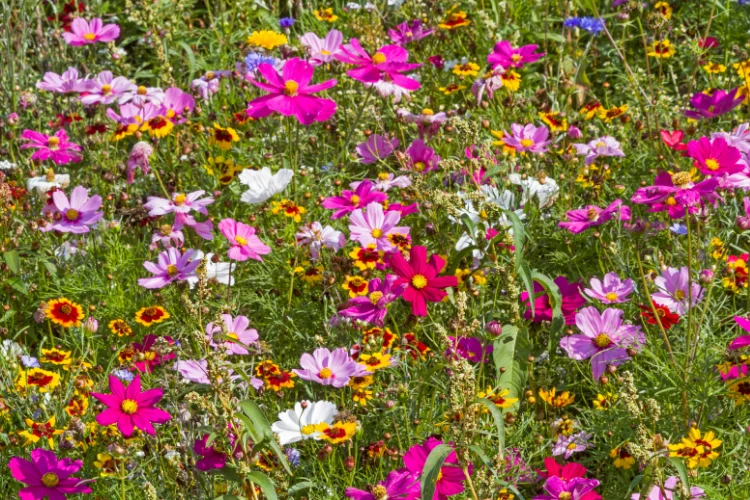
If you want variety without a lot of fuss, a wildflower mix featuring W flowers is a wonderful shortcut. These blends often include wallflowers, windflowers, and other easygoing native species that bloom in waves from spring through fall.
It’s a low-maintenance way to fill a bare patch with color while supporting local pollinators.
Flowers That Start With W For Your Garden
Not every flower fits every garden, so here’s how to match these W flowers to your specific space and goals.
Easygoing Picks for New Gardeners
Wallflowers and wild roses are forgiving, low-maintenance choices that tolerate a bit of neglect without sulking.
Care tip: Start with well-draining soil and full sun, then let these two do most of the work themselves.
Compact Options for Indoor Growing
Windflowers and small wallflower varieties can be grown in containers on a bright windowsill or sheltered patio.
Care tip: Use a pot with drainage holes and rotate it every few days so growth stays even on all sides.
Meaningful Choices for Gifting
Wisteria cuttings, wild rose bouquets, and potted watsonia all make thoughtful, memorable gifts for someone who loves the garden as much as you do.
Care tip: Include a short care card with the gift, since not everyone knows how to handle a climbing vine or a bulb-grown spike flower right away.
Serene Additions for Ponds
For water gardens, the water lily is the obvious star, turning any pond into a calm, postcard-worthy retreat.
Care tip: Start with one or two plants rather than crowding your pond, since water lilies spread more than most people expect.
Flowers That Start With W: Meanings and Symbolism
Flowers have carried meaning for centuries, and W flowers are no exception.
- Wisteria symbolizes love, devotion, and long life, largely because of how long the vine can live and how far it stretches over time
- Wallflower represents faithfulness and lasting affection, ironically given its shy-sounding name
- Water lily stands for purity, rebirth, and enlightenment in many cultures
- Wild rose is tied to simplicity, pleasure, and a love that feels natural and unforced
- Windflower (Anemone) often symbolizes anticipation or fading hope, tied to old folklore about fleeting beauty
Wisteria Deep Dive
Of all the flowers that start with W, wisteria carries the richest symbolism. In Japanese culture, it’s connected to humility and grace, since the vine bends and drapes rather than standing rigid. It also represents patience, which feels fitting given how long it can take for a young wisteria to produce its first bloom.
Because of its incredible longevity, some wisteria vines are passed down through generations, making it a popular symbol for enduring love and family legacy.
How to Grow Flowers That Start With W
Growing a garden full of W flowers isn’t complicated once you understand a few shared basics.
General care tips:
- Match sun requirements to each specific flower, since some like wood anemone want shade while others like wisteria need full sun
- Water deeply and less frequently rather than giving light daily sprinkles
- Feed woodland flowers with organic compost rather than heavy synthetic fertilizer
- Group flowers with similar water and light needs together to make maintenance easier
Common mistakes to avoid:
- Planting sun-loving flowers like watsonia in a shaded corner and wondering why they won’t bloom
- Letting wisteria grow unchecked near a home’s structure, where it can damage gutters, siding, or roofing
- Overwatering water lilies by placing them in constantly moving or fast-draining water
- Digging woodland natives like white trillium from wild areas instead of buying nursery-grown stock
Special Tip: Wisteria Control
Wisteria is beautiful, but it’s also famously vigorous. Left unmanaged, it can pull down fences, invade neighboring trees, and become a real headache. The fix is consistent pruning, ideally twice a year, to keep the vine’s energy focused on blooming rather than aggressive vegetative growth. A little discipline early on saves a lot of frustration later.
Frequently Ask Questions
Wisteria is widely considered the most popular, thanks to its dramatic cascading blooms and long-standing presence in gardens around the world.
It’s moderately easy once established, but it needs full sun, a sturdy support structure, and regular pruning to stay healthy and under control.
Witch hazel typically blooms in late winter to early spring, often appearing while snow is still on the ground, which makes it a rare and welcome burst of color.
Yes, water lilies grow beautifully in large, submerged containers, making them perfect for small ponds or even large water-filled tubs on a patio.
Most W wildflowers, like windflowers and wild roses, are associated with fleeting beauty, natural simplicity, and quiet resilience.
Final Thoughts
From the dramatic sweep of wisteria to the peaceful stillness of a water lily pond, flowers that start with W offer something for nearly every kind of garden and gardener. Some ask for patience, others reward you almost immediately, but each one brings its own quiet magic to the landscape.
If this guide has you itching to plant something new, wisteria is a stunning climbing plant, and for more beautiful climbing flowers our guide on Night Blooming Jasmine is a wonderful read. Wild roses bring natural beauty to any garden too, so if pink blooms are calling your name, explore our dedicated guide on Trees With Pink Flowers for more inspiration.
Whichever W flower you decide to grow first, we hope this guide gave you the confidence and inspiration to get started. Happy planting.