The first time I planted a peony bush outside my kitchen window, I had no idea I was about to fall into a full blown obsession with flowers that start with P. One bloom led to another. Pansies showed up in my window boxes. A poppy patch took over the back corner of the yard. Before I knew it, I had a whole garden built around a single letter of the alphabet, and honestly, I don’t regret a minute of it.
There’s something oddly satisfying about this particular corner of the plant world. Maybe it’s the sheer variety, ruffled peonies, cheerful pansies, wild poppies, tropical plumeria. Maybe it’s that so many of them are forgiving for beginners while still looking like something out of a florist’s window.
Whatever the reason, if you’ve ever typed “flowers that start with P” into a search bar hoping for real, useful answers instead of a generic list, you’re in the right place. Let’s dig in.
We are dedicated to helping you discover the most beautiful flowers from A to Z, and this guide is one of our favorites to share.
This guide continues our A-Z flower series. If you haven’t already, catch up with our guide on Flowers That Start With O first.
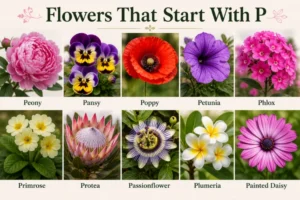
Beautiful Flowers Starting With P (Full List)
Before we get into the details, here’s a quick overview table so you can see everything at a glance. This is a handy reference if you’re planning a garden or just curious about what’s out there.
| Flower Name | Color | Season | Difficulty Level |
|---|---|---|---|
| Peony | Pink, white, red, coral | Late spring to early summer | Easy |
| Pansy | Purple, yellow, white, blue, bicolor | Cool season (fall/spring) | Easy |
| Poppy | Red, orange, pink, white | Late spring to summer | Easy to moderate |
| Petunia | Purple, pink, red, white, yellow | Spring through fall | Easy |
| Phlox | Pink, purple, white, red | Summer | Easy |
| Primrose | Yellow, pink, purple, red | Early spring | Moderate |
| Protea | Pink, red, cream, orange | Winter to spring | Difficult |
| Passionflower | Purple, white, blue | Summer to fall | Moderate |
| Plumeria | White, pink, yellow, red | Summer | Moderate |
| Painted Daisy | Pink, red, white, purple | Late spring to summer | Easy |
That’s a solid P flowers list to work from, but numbers on a page only tell you so much. A table can tell you a peony blooms pink in late spring, but it can’t tell you how it smells after a warm rain, or how a poppy petal feels almost translucent when you hold it up to the sun. Let’s talk about what actually makes each one worth growing.
Flowers That Start With P: Detailed Descriptions
This is where things get fun. Each of these P flowers has its own personality, its own quirks, and its own care routine. I’ve grown most of these myself, so consider this the notes I wish someone had handed me before I started.
Peony
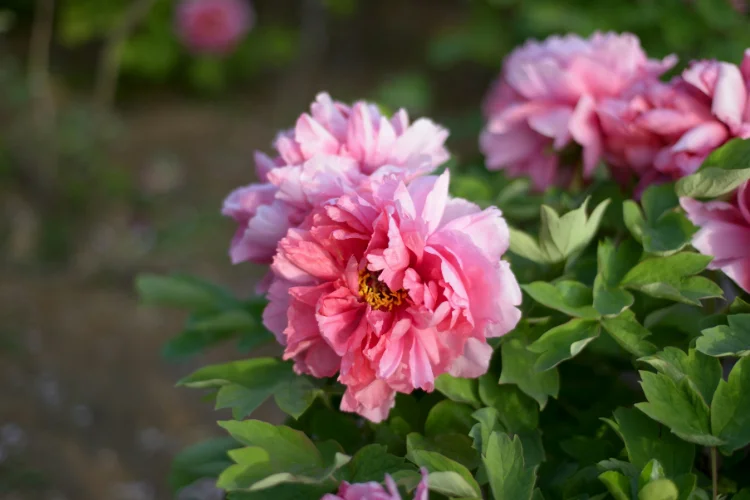
Peonies are the showstoppers of the spring garden. Those huge, ruffled blooms look like they belong in a wedding bouquet, and honestly, they often do.
Appearance and colors: Peonies produce big, layered blooms in shades of blush pink, snowy white, deep red, and soft coral. The petals feel almost like tissue paper, and a single flower can be the size of your palm.
Care tips:
- Plant in full sun for the biggest, healthiest blooms
- Give roots room to breathe, don’t bury the crown too deep
- Stake taller varieties so heavy blooms don’t flop after rain
- Be patient, peonies can take a year or two to really settle in and flower well
Pansy
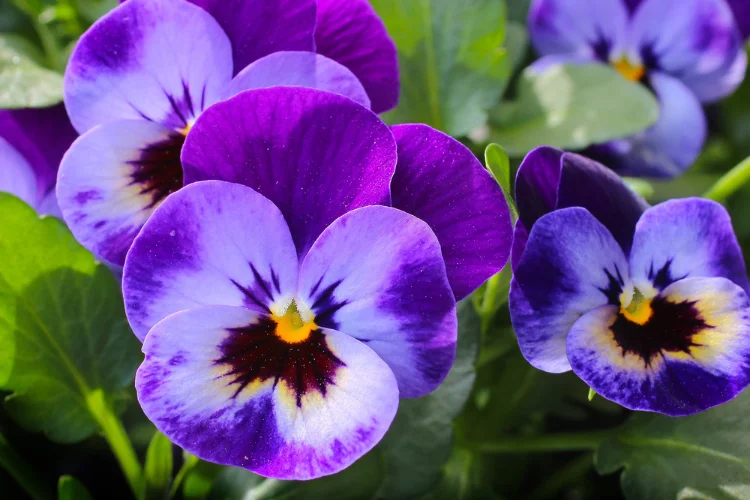
Pansies have that sweet, almost human looking face pattern that makes them impossible not to smile at. They’re one of the easiest flowers beginning with P for beginners, and one of the first I’d hand to anyone just starting out.
Appearance and colors: Pansies come in nearly every color combination imaginable, purple, yellow, white, blue, and plenty of bicolor blends with dark centers.
Care tips:
- Grow in cool weather, they hate summer heat
- Water regularly but avoid soggy soil
- Deadhead spent blooms to keep new flowers coming
- Use in containers, borders, or as cheerful ground cover
Poppy
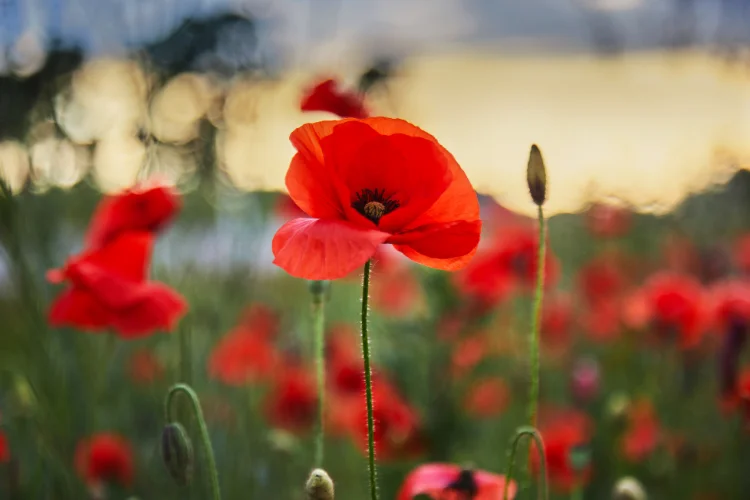
Poppies have this delicate, almost fragile beauty that somehow still manages to look bold in a garden bed. The petals seem to catch light like crepe paper.
Appearance and colors: Classic poppies bloom in fiery red, but you’ll also find soft orange, pink, and white varieties depending on the type you choose.
Care tips:
- Sow seeds directly outdoors, poppies dislike being transplanted
- Choose a sunny spot with well drained soil
- Avoid overwatering, poppies prefer things on the drier side
- Let a few seed heads mature if you want them to self sow next year
Poppy is one of August’s birth flowers. If that catches your interest, read our complete guide on August Birth Flowers for more birth flower inspiration.
Petunia
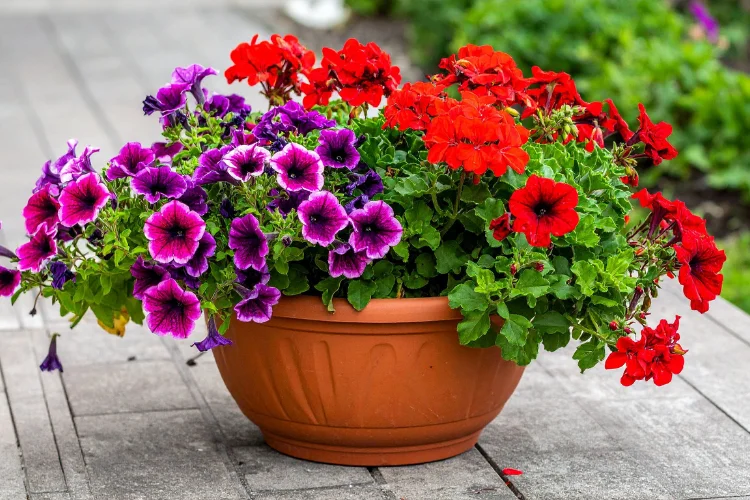
If you’ve ever admired a hanging basket spilling over with color, there’s a good chance petunias were involved. Among flower names starting with P, this one shows up in more front porches and window boxes than almost any other.
Appearance and colors: Petunias bloom in trumpet shaped flowers across purple, pink, red, white, and yellow, often with striped or veined patterns.
Care tips:
- Plant in full sun for continuous blooming
- Pinch back leggy stems to encourage bushier growth
- Feed regularly, petunias are hungry, heavy bloomers
- Deadhead to keep the plant flowering all season long
Phlox
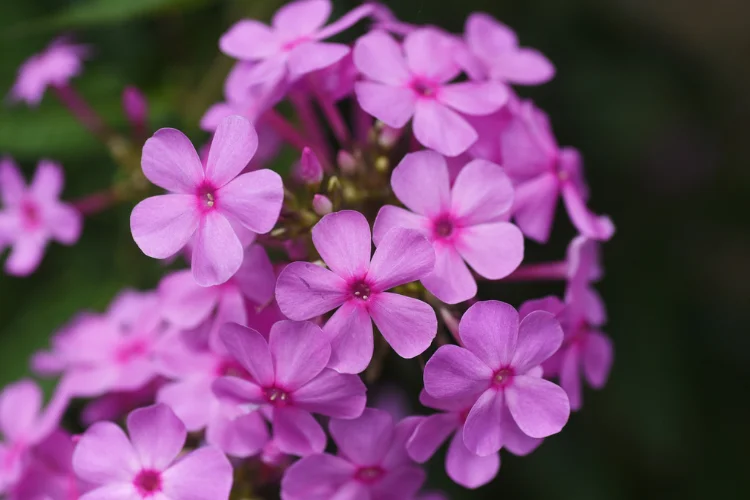
Phlox brings that soft, cottage garden feeling with clusters of small flowers that seem to glow in the evening light. It’s a favorite among gardeners who love a slightly wild, romantic look.
Appearance and colors: Phlox flowers cluster together in shades of pink, purple, white, and red, often with a sweet, noticeable fragrance.
Care tips:
- Space plants well to allow airflow and prevent powdery mildew
- Water at the base rather than overhead
- Divide clumps every few years to keep plants vigorous
- Deadhead to extend the blooming season
Primrose
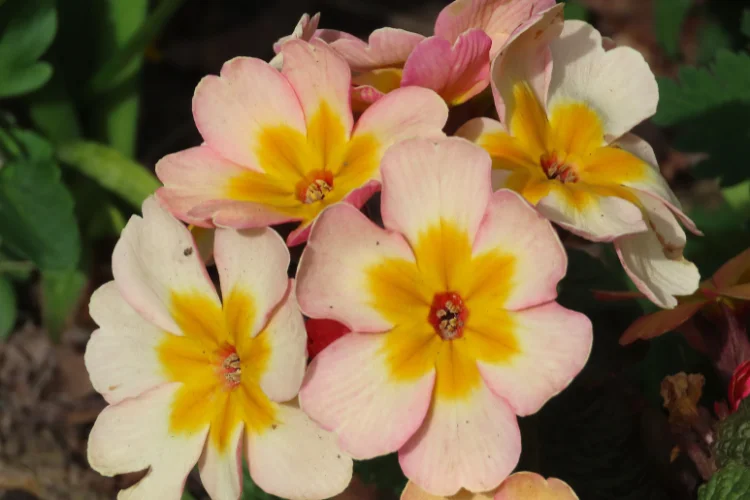
Primroses are one of the first signs that winter is finally loosening its grip. They pop up early, bringing color when everything else still looks a little bare.
Appearance and colors: Primroses have soft, rounded petals in cheerful yellow, pink, purple, and red, often with a contrasting yellow eye at the center.
Care tips:
- Plant in partial shade, they don’t love harsh afternoon sun
- Keep soil consistently moist but never waterlogged
- Add mulch to help regulate soil temperature
- Divide clumps in fall to keep them blooming well
Protea
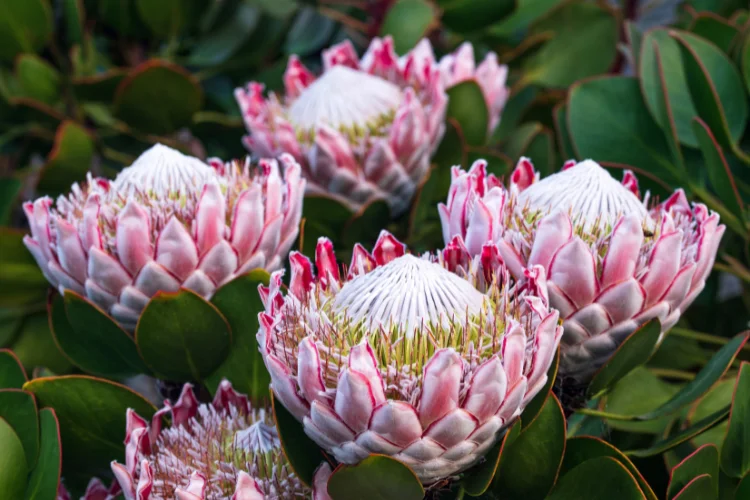
Protea is the flower that makes people stop and ask “wait, what is that?” It looks almost architectural, more like a sculpture than a typical bloom.
Appearance and colors: Protea flowers are large and cone shaped, often in dramatic pink, red, cream, or orange, surrounded by pointed, textured bracts.
Care tips:
- Provide excellent drainage, protea roots hate sitting in water
- Avoid high phosphorus fertilizers, which can harm the plant
- Grow in a warm, frost free climate for best results
- Give plenty of open space, protea shrubs need room to grow
Passionflower
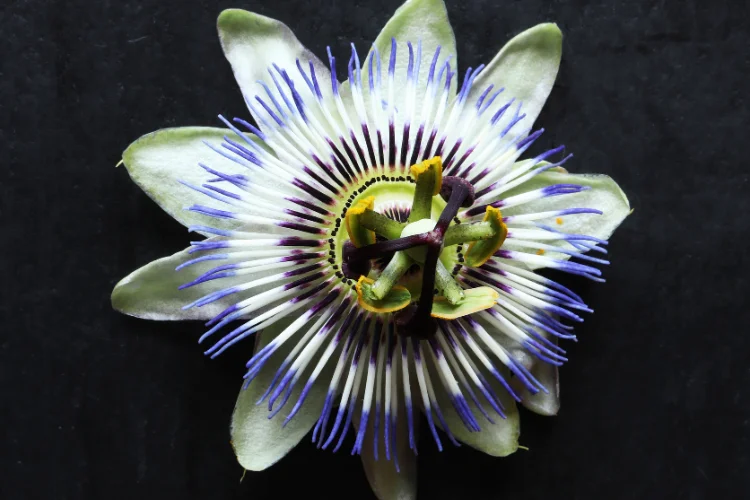
Passionflower vines look almost otherworldly, with intricate, layered blooms that seem too detailed to be real. They’re a favorite among gardeners who want something truly unique.
Appearance and colors: The flowers feature a fringed corona in purple, white, or blue, surrounding a striking central structure.
Care tips:
- Provide a trellis or fence, this is a vigorous climber
- Plant in full sun for the most abundant blooms
- Prune regularly to keep growth under control
- Protect from frost if you’re in a cooler climate
Plumeria (Frangipani)
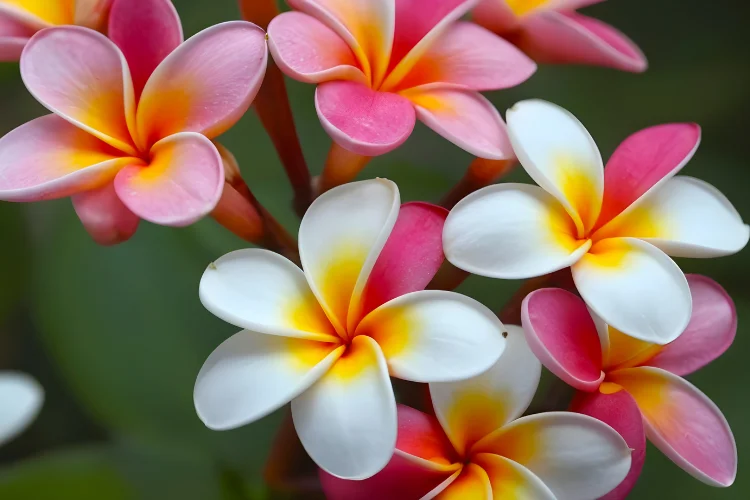
Plumeria is the flower that instantly makes you think of tropical vacations and warm evening air. It’s often used in leis for a reason, that fragrance is unforgettable.
Appearance and colors: Plumeria blooms in soft clusters of white, pink, yellow, and red, usually with a gradient effect from the center outward.
Care tips:
- Grow in full sun with warm temperatures
- Let soil dry out between waterings, overwatering causes root rot
- Bring indoors or protect from frost in cooler regions
- Fertilize during the growing season for fuller blooms
If you love pink blooms like Peony and Phlox, our guide on Trees With Pink Flowers has even more stunning pink flower inspiration.
Painted Daisy (Pyrethrum)
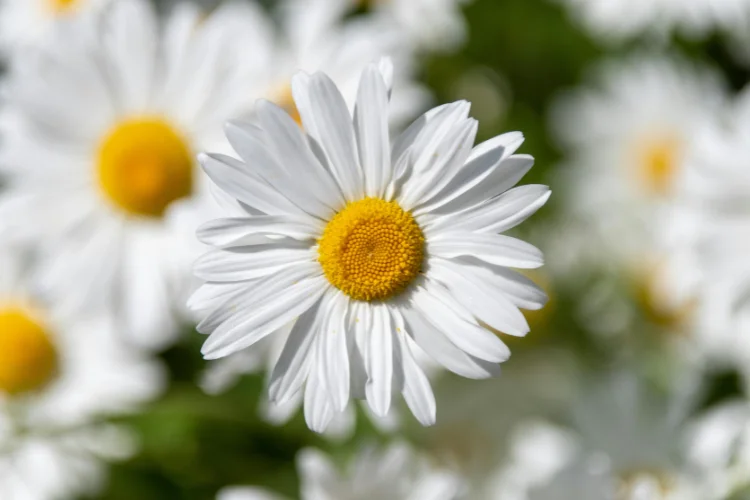
Painted daisies bring that classic, cheerful daisy shape but with a bit more color drama than your average field daisy.
Appearance and colors: These flowers bloom in bright pink, red, white, and purple, with a distinct yellow center that adds a pop of contrast.
Care tips:
- Plant in full sun to part shade
- Deadhead often to extend the blooming period
- Divide every couple of years to maintain healthy growth
- Use well drained soil to prevent root problems
Flowers That Start With P For Your Garden
Not every flower on this list suits every gardener or every space. Here’s how I’d break it down if a friend asked me where to start, based on what you’re working with and what you actually want out of your garden.
Beginners will have the easiest time with forgiving, low maintenance choices that don’t punish a missed watering or two.
Great for beginners: Pansy, Petunia, and Painted Daisy are wonderfully forgiving. They tolerate a bit of neglect, bounce back quickly, and reward you with blooms fast, which makes them perfect for building confidence in your first season.
If you’re working with limited outdoor space, a few of these adapt nicely to pots, balconies, and indoor conditions.
Ideal for indoor growing: Primrose does well in bright, indirect light indoors, and compact petunia varieties can thrive in a sunny windowsill container. Both are small enough to keep on a kitchen counter without taking over the whole room.
And if you’re shopping for someone else, certain flowers just feel like a gift the moment you see them.
Wonderful for gifting: Peony bouquets feel luxurious and celebratory, while plumeria has that romantic, tropical charm that makes any occasion feel special. Both hold up beautifully as cut flowers, which makes wrapping them up for a friend that much easier.
P Flower Meanings and Symbolism
Flowers have carried meaning for centuries, and P flowers are no exception. Knowing what each one symbolizes adds a little extra depth when you’re choosing blooms for a garden or a gift.
- Peony symbolizes romance, honor, and prosperity, often given to celebrate a happy marriage
- Pansy represents thoughtfulness and remembrance, historically linked to loving thoughts of someone far away
- Poppy stands for remembrance and eternal sleep, closely tied to honoring those we’ve lost
- Petunia symbolizes comfort and reassurance, a gentle, calming presence in any bouquet
- Phlox represents unity and sweet dreams, often associated with harmony between people
- Primrose symbolizes young love and new beginnings, fitting for its early spring appearance
- Protea stands for courage, diversity, and transformation, inspired by its bold, unusual shape
- Passionflower represents faith and spiritual connection, tied to its intricate, symbolic structure
- Plumeria symbolizes new beginnings and positivity, often linked to celebration and warmth
- Painted Daisy represents cheerfulness and simplicity, a nod to its bright, uncomplicated beauty
How to Grow Flowers That Start With P
Once you’ve picked your favorites, a little general know how goes a long way. Here’s what I’ve learned after years of trial and error.
General care tips:
- Match sunlight needs to your specific flower, some love full sun while others prefer partial shade
- Water deeply but less frequently to encourage strong root growth
- Use well drained soil for nearly every flower on this list, soggy roots are a common killer
- Feed during active growing seasons to support healthy, abundant blooms
- Deadhead regularly to keep plants blooming longer
Common mistakes to avoid:
- Overwatering, especially with plumeria, protea, and poppies, all of which prefer their roots on the drier side
- Planting sun loving flowers like petunias in shady spots and wondering why they never fill out
- Skipping soil drainage checks before planting, which is often the real reason a plant struggles
- Ignoring spacing needs, crowded plants are more prone to disease and compete for nutrients
- Giving up too early on slow starters like peonies, which can take a season or two before they really show off
Once you get the hang of matching each flower to the right spot, growing this letter of the alphabet gets a lot easier. It’s less about having a green thumb and more about paying attention to what each plant is telling you.
Frequently Ask Questions
Peony, pansy, poppy, and petunia are among the most widely grown and recognized flowers that start with P, thanks to their beauty and relatively easy care.
Many are. Pansies, petunias, and painted daisies are especially beginner friendly, while protea and plumeria require a bit more experience and warmer climates.
Phlox and plumeria are both known for their noticeable, pleasant fragrance, making them great choices if scent matters to you.
Yes, primrose and compact petunia varieties can do well indoors with enough bright, indirect light and consistent watering.
Peonies symbolize romance, honor, and prosperity, which is why they’re such a popular choice for weddings and anniversary gifts.
Final Thoughts
There’s a reason so many gardeners end up quietly obsessed with flowers that start with P. Between the elegance of peonies, the wild charm of poppies, and the tropical warmth of plumeria, this letter offers something for nearly every taste and skill level.
Whether you’re planting your very first pansy or finally attempting a temperamental protea, I hope this guide gave you a real, honest starting point. Flowers that start with P have a way of turning an ordinary garden into something you actually look forward to walking past every day.
If this guide sparked some inspiration, don’t stop here. Explore more of our flower guides at Plant Style Home and keep working your way through the alphabet with us.