I still remember the first time I planted an allium and watched it burst open into this perfect purple sphere floating above my garden beds. It stopped me in my tracks. That’s the thing about flowers that start with O: they don’t get nearly enough attention, but once you start looking, they’re everywhere, and they’re stunning.
At Plant Style Home we help you discover the most beautiful flowers and plants for every type of garden, and this letter is one of my personal favorites to write about. From the elegance of orchids to the wild charm of the oxeye daisy, flowers beginning with O bring texture, color, and a little bit of surprise to any garden.
If you’re building your own A-Z flower journey, this guide walks through every stunning O flower name worth knowing, along with real care advice you can actually use. Let’s get into it.
Before we dive in, if you haven’t already seen our previous letter, we covered some lovely picks in our guide to Flowers That Start With N, which pairs nicely with this one if you’re working through the whole alphabet.
Most Beautiful Flowers That Start With O (Full List)
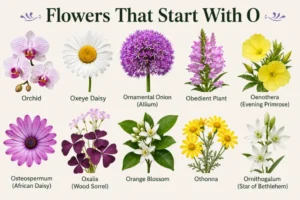
Here’s a quick snapshot of the flowers we’ll cover today. I put together this O flowers list so you can see at a glance what each one looks like, when it blooms, and how much effort it takes to grow.
| Flower Name | Color | Season | Difficulty Level |
|---|---|---|---|
| Orchid | White, pink, purple, yellow | Varies (many bloom year-round indoors) | Moderate |
| Oxeye Daisy | White with yellow center | Late spring to summer | Easy |
| Ornamental Onion (Allium) | Purple, white, pink | Late spring to early summer | Easy |
| Obedient Plant | Pink, white, lavender | Summer to fall | Easy |
| Oenothera (Evening Primrose) | Yellow, pink, white | Summer | Easy |
| Osteospermum (African Daisy) | Purple, white, orange, yellow | Spring to fall | Easy to moderate |
| Oxalis (Wood Sorrel) | Pink, purple, white, yellow | Spring to fall | Easy |
| Orange Blossom | White | Spring | Moderate |
| Othonna | Yellow | Spring to summer | Easy |
| Ornithogalum (Star of Bethlehem) | White | Spring | Easy |
Flowers That Start With O: Detailed Descriptions
Now let’s slow down and actually get to know these blooms. Each of these flower names starting with O has its own personality, and once you learn a bit about them, you’ll start spotting them everywhere.
Orchid
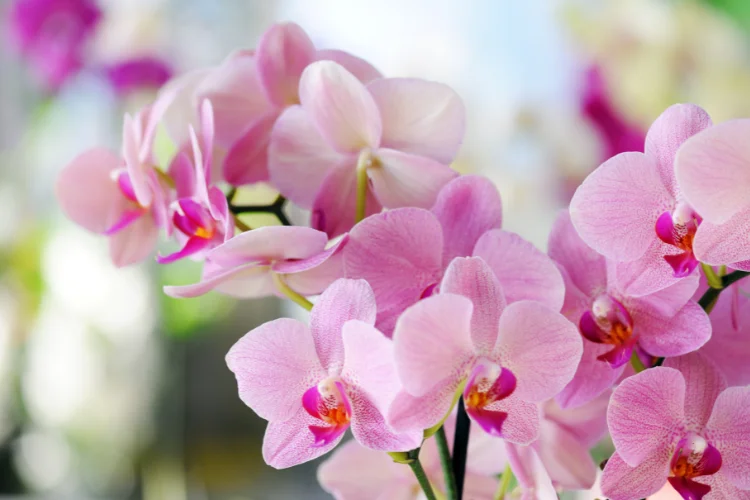
Orchids are the flower most people picture the moment you mention flowers that start with O, and for good reason. Their blooms look almost sculptural, with waxy petals and that unmistakable curved lip in the center.
They come in nearly every color imaginable, from soft blush pink to deep velvety purple, bright yellow, and crisp white. Some varieties even have spotted or striped patterns that look hand painted.
Orchids have a reputation for being fussy, but the popular moth orchid (Phalaenopsis) is actually pretty forgiving once you understand what it wants.
Orchid care tips:
- Water only when the roots turn silvery gray, usually once a week
- Give it bright, indirect light, never direct sun
- Use a chunky orchid mix, not regular potting soil
- Keep it away from cold drafts and heating vents
Oxeye Daisy
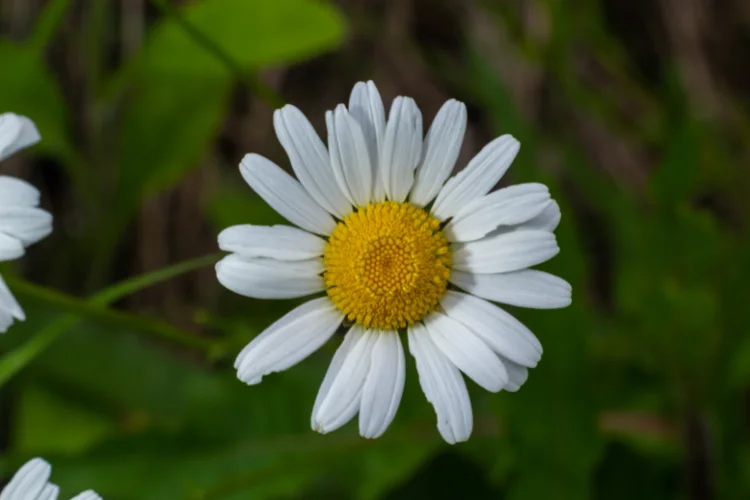
The oxeye daisy is the classic wildflower daisy you probably picture when someone says “daisy.” White petals fan out around a bright yellow center, and the whole plant has this cheerful, sunny feel.
It grows in loose clumps and spreads happily along meadows, roadsides, and cottage gardens. Bees and butterflies love it, which makes it a great choice if you’re trying to bring more pollinators to your yard.
Oxeye daisy care tips:
- Plant in full sun for the best blooms
- It tolerates poor soil and doesn’t need much fertilizer
- Deadhead spent blooms to encourage more flowering
- Divide clumps every couple of years to keep it tidy
Ornamental Onion (Allium)
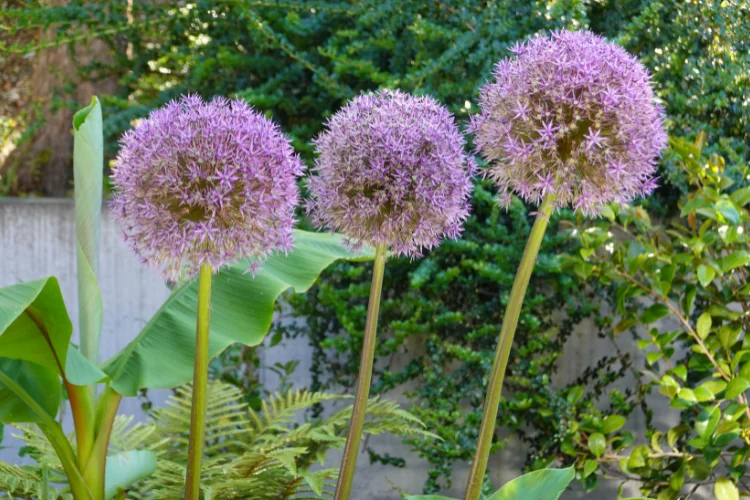
Allium is one of those flowers that makes people stop and ask “what is that?” The blooms form perfect round globes made of dozens of tiny star shaped florets, usually in shades of purple, though white and pink varieties exist too.
They sit atop tall, slender stems, which gives them this floating, almost otherworldly look above the rest of your garden. I love planting them in clusters between other perennials.
Ornamental onion care tips:
- Plant bulbs in fall for spring and early summer blooms
- Choose a spot with full sun and well draining soil
- Let the foliage die back naturally after flowering
- Deer and rabbits tend to leave alliums alone, which is a nice bonus
Obedient Plant (Physostegia)
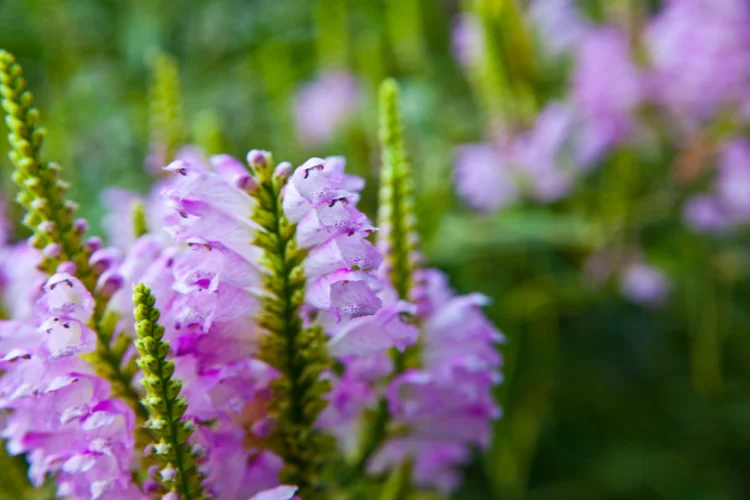
The obedient plant gets its funny name because if you gently push the individual flowers on the stalk, they’ll stay put in whatever position you left them. It’s a small, satisfying party trick.
The blooms grow in tall spikes packed with tubular pink, white, or lavender flowers, similar in shape to snapdragons. It’s a reliable perennial that comes back year after year.
Obedient plant care tips:
- Plant in full sun to partial shade
- Keep soil consistently moist but not soggy
- Stake taller varieties so they don’t flop over
- Divide every two to three years since it spreads via rhizomes
Oenothera (Evening Primrose)
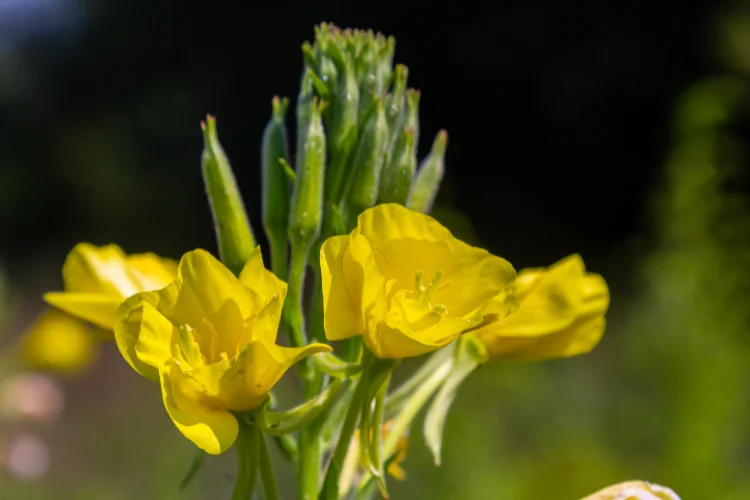
Evening primrose has this lovely little quirk: many varieties open their blooms in the late afternoon and stay open through the night, which is where the name comes from. Watching the petals unfurl in real time is genuinely a fun garden moment.
The flowers are typically soft yellow, though pink and white species exist as well. They have a delicate, papery texture that catches the evening light beautifully.
Oenothera care tips:
- Choose a sunny spot with well draining soil
- It’s drought tolerant once established, so don’t overwater
- Let some seed heads remain to encourage self-seeding
- Cut back after blooming to keep the plant compact
Osteospermum (African Daisy)
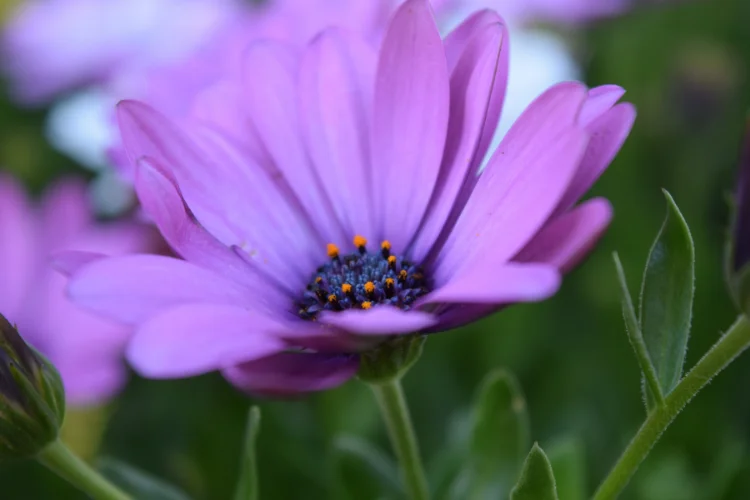
Osteospermum, often called African daisy, has these striking daisy shaped blooms with a dark, almost metallic looking center that seems to shimmer depending on the light. The petals come in purple, white, pink, orange, and yellow.
It’s a fantastic choice if you want long lasting color in containers or border edges, since it blooms steadily from spring right through fall.
Osteospermum care tips:
- Plant in full sun for the most vibrant color
- Deadhead regularly to keep new blooms coming
- Water moderately, letting soil dry slightly between waterings
- Pinch back young plants to encourage bushier growth
Oxalis (Wood Sorrel)
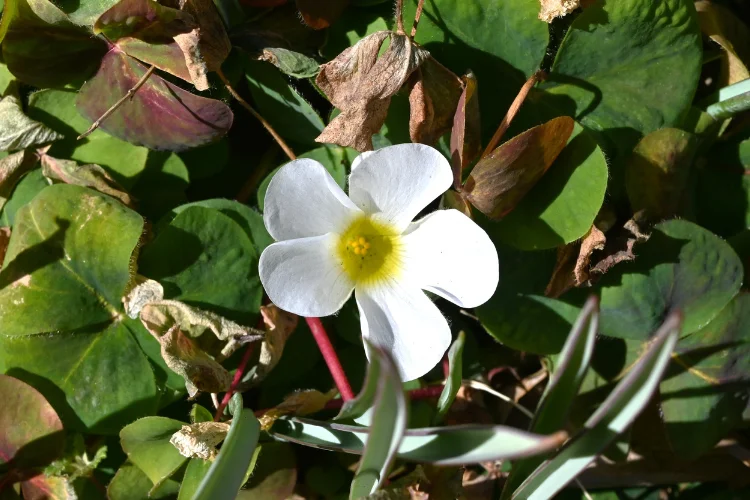
Oxalis is often grown as much for its foliage as its flowers. The clover shaped leaves, sometimes deep purple and sometimes bright green, fold up at night and open again in the morning, almost like they’re breathing with the day.
The small flowers sit just above the leaves in pink, purple, white, or yellow, adding a soft, delicate contrast to the bold foliage below.
Oxalis care tips:
- Grow in bright, indirect light if kept indoors
- Water when the top inch of soil feels dry
- Give it a rest period with less water in winter
- Divide bulbs or clumps every few years to refresh growth
Orange Blossom
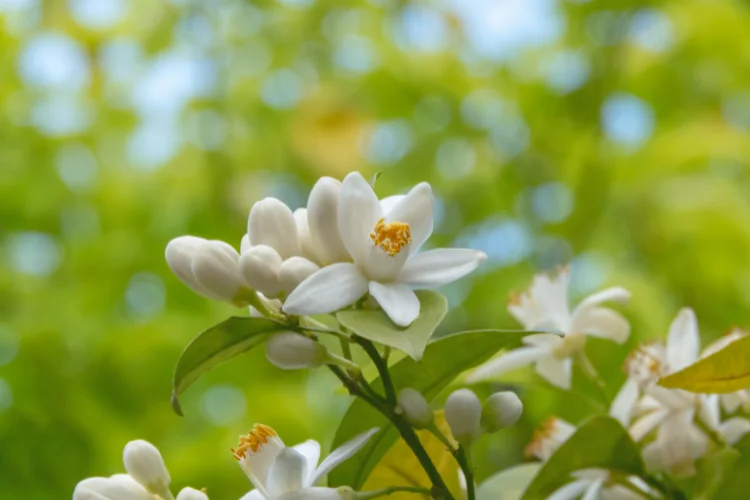
Orange blossom comes from the citrus tree, and the small white star shaped flowers are famous for their incredibly sweet, romantic fragrance. It’s a traditional bridal flower in many cultures, often woven into wreaths and bouquets.
Beyond the scent, the blooms themselves are simple and elegant, with five waxy white petals surrounding a cluster of golden stamens.
Orange blossom care tips:
- Plant citrus trees in full sun with well draining soil
- Water deeply but infrequently to avoid root rot
- Protect from frost, especially in cooler climates
- Feed with a citrus specific fertilizer during the growing season
If you love orange toned blooms in general, our dedicated guide on Orange Flowers covers even more stunning warm colored flower varieties beyond just the blossom.
Othonna
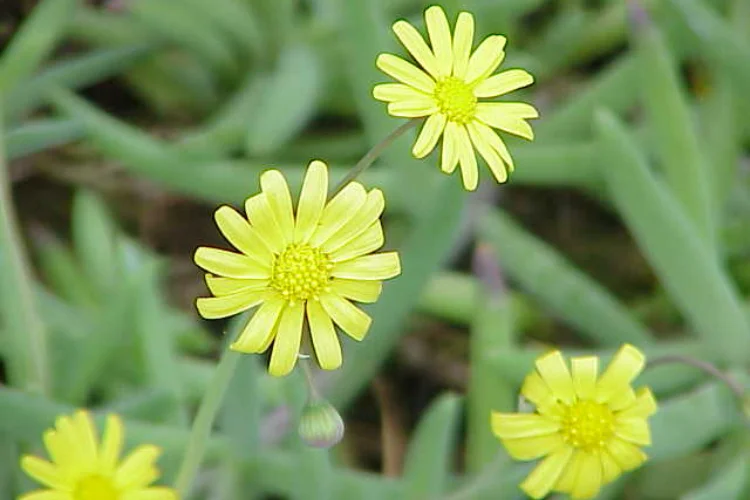
Othonna is a lesser known succulent flowering plant, but it deserves more love. It produces cheerful little daisy shaped yellow flowers above trailing, often blue-green or purple-tinted foliage.
It’s a fantastic option for hanging baskets or rock gardens, where its cascading stems can spill over the edges beautifully.
Othonna care tips:
- Plant in well draining, sandy soil
- Give it bright light with some direct sun
- Water sparingly, letting soil dry out fully between waterings
- Protect from hard frost since it’s a tender succulent
Ornithogalum (Star of Bethlehem)
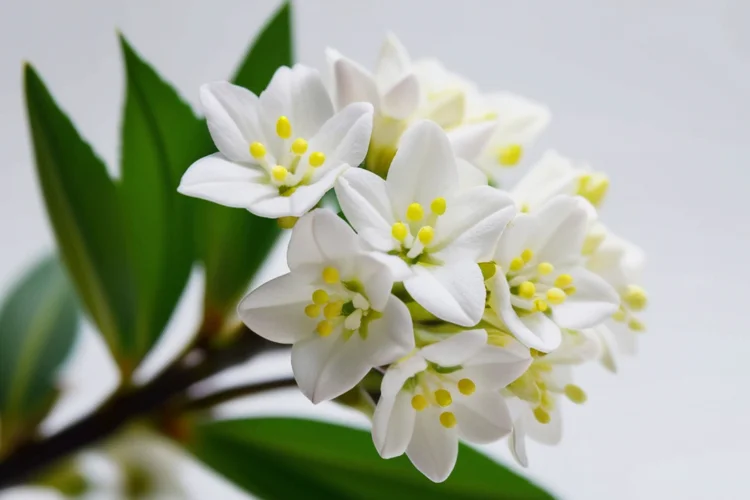
Ornithogalum, commonly called Star of Bethlehem, produces clusters of crisp white star shaped flowers, each with a green stripe running down the back of the petals. They open fully under sunlight and close again on cloudy days.
The blooms sit on slender green stems and look wonderful naturalized in woodland gardens or mixed into spring bulb displays.
Ornithogalum care tips:
- Plant bulbs in fall, about four inches deep
- Choose a spot with full sun to partial shade
- Keep soil moist during the growing season
- Note that the bulbs and leaves are toxic if ingested, so keep pets and kids in mind
Flowers That Start With O For Your Garden
Once you know the individual flowers, the next question is usually which ones actually fit your space and your lifestyle. Here’s how I’d break it down.
Easygoing choices for beginners
If you’re newer to gardening, start with the oxeye daisy, ornamental onion, or evening primrose. They’re forgiving, drought tolerant once established, and don’t demand a strict watering schedule.
Wonderful picks for growing indoors
Orchids and oxalis both thrive as houseplants, and they bring a really different texture into a home compared to typical leafy greenery. Othonna also does well indoors near a bright window if you keep the soil on the drier side.
Lovely options for gifting
Orchids are an obvious favorite for gifting since they last for weeks and feel a bit special. Orange blossom is a beautiful, fragrant choice for weddings or anniversaries, and a small potted allium makes a fun, unexpected gift for a fellow plant lover.
Orchids also pair beautifully with other elegant blooms if you’re building a bouquet or garden bed with an exotic feel. Our guide on the Ranunculus Flower is worth checking out for another stunning exotic flower choice that works well alongside orchids.
Flowers That Start With O: Meanings & Symbolism
Flowers have carried meaning for centuries, and the O flowers list is full of some genuinely lovely symbolism.
Orchid represents beauty, strength, and love, and in many cultures it’s a symbol of luxury and refinement.
Oxeye Daisy stands for innocence and new beginnings, often tied to the simplicity of childhood.
Ornamental Onion (Allium) symbolizes patience and unity, likely because of how its many tiny florets come together into one bloom.
Obedient Plant is associated with discipline and steadiness, a nod to its unusually structured growth habit.
Oenothera (Evening Primrose) represents youth and quiet devotion, tied to its gentle, nighttime blooming habit.
Osteospermum symbolizes joy and positivity, thanks to its bright, sunny appearance.
Oxalis is often linked to good luck, especially the clover shaped varieties, and to joy and positivity in general.
Orange Blossom represents purity, fertility, and everlasting love, which is why it’s so common in wedding traditions.
Othonna doesn’t carry heavy traditional symbolism, but its resilience in tough conditions makes it a nice personal symbol of adaptability.
Ornithogalum symbolizes purity and innocence, much like other white spring blooms.
How to Grow Flowers That Start With O
Growing flowers that start with O really isn’t much different from growing any other flowering plant, but a few habits will save you a lot of trouble.
General care tips
- Match the plant to the right amount of sunlight from the start, since most O flowers prefer full sun to partial shade
- Use well draining soil, especially for bulbs like allium and Ornithogalum, which hate sitting in wet ground
- Water deeply but less often rather than frequent shallow watering
- Feed lightly during the growing season with a balanced fertilizer
Common mistakes to avoid
- Overwatering orchids and oxalis, which are more prone to root rot than most people expect
- Planting bulbs too shallow, which leaves them vulnerable to frost and drying out
- Ignoring spacing needs, especially with allium, which needs room for those big round blooms to develop
- Ignoring dormancy periods for bulbs and succulents, since forcing continuous growth weakens the plant over time
Frequently Ask Questions
The oxeye daisy, ornamental onion, and evening primrose are all great low maintenance choices, even for someone just starting out with gardening.
Yes, absolutely. Most home orchids, especially Phalaenopsis, do well on a windowsill with bright indirect light and a consistent watering routine.
Most do best in full sun, but a few, like oxalis and certain orchid varieties, actually prefer partial shade or bright indirect light instead.
Yes, Ornithogalum and true onion family plants like allium can be toxic to pets if ingested, so it’s worth planting them somewhere curious cats or dogs can’t easily reach.
I’d recommend the oxeye daisy. It’s hardy, spreads easily, tolerates average soil, and gives you that classic, cheerful daisy look with very little effort.
Final Thoughts
There’s something really special about working your way through flowers that start with O. This letter doesn’t get the spotlight that roses or tulips get, but once you start planting orchids, alliums, and oxeye daisies together, you realize just how much variety and personality this group actually holds.
Whether you’re filling a windowsill with orchids or planting a whole bed of alliums for that floating purple effect, I hope this guide gave you a real starting point. Pick one or two flowers from this list, give them a proper home, and watch what happens.
If you enjoyed this guide, explore more of our flower guides at Plant Style Home, where we’re slowly working through the entire alphabet, one beautiful bloom at a time.