I still remember the first time I planted a row of Marigolds along my garden fence, just to see if I could keep something alive that summer. A few weeks later, a neighbor stopped to ask what those bright orange blooms were, and I realized I’d fallen into a whole world of flowers that start with M without even meaning to.
That’s the thing about this letter. It’s packed with some of the most fragrant, colorful, and genuinely easy-to-grow flowers out there. Some, like Magnolia, feel like old souls in a garden. Others, like Moonflower, only reveal themselves after dark, almost like they’re keeping a secret.
If you’re curious about flowers beginning with M, whether you want something for a flower bed, a windowsill, or a bouquet for someone special, this guide walks through ten wonderful options with real care advice, not just pretty pictures.
At Plant Style Home we are dedicated to helping you discover and grow the most beautiful flowers from A to Z. We’re now 13 letters deep into our A-Z flower series, so catch up with our guide on Flowers That Start With L first if you missed it.
Most Beautiful Flowers That Start With M
Before we get into the details, here’s a quick snapshot of the M flowers list we’re covering today. I’ve included color, blooming season, and how easy each one is to grow, so you can pick the right one for your space right away.
| Flower Name | Color | Season | Difficulty Level |
|---|---|---|---|
| Magnolia | White, pink, purple, yellow | Spring | Moderate |
| Marigold | Orange, yellow, red | Summer to fall | Easy |
| Matthiola (Stock Flower) | Purple, pink, white, cream | Spring to early summer | Easy |
| Mimosa | Yellow (fluffy puffs) | Winter to spring | Moderate |
| Muscari (Grape Hyacinth) | Deep blue, purple | Early spring | Easy |
| Monarda (Bee Balm) | Red, pink, purple, white | Summer | Easy |
| Moonflower | White | Summer nights | Moderate |
| Michaelmas Daisy | Purple, pink, blue, white | Late summer to fall | Easy |
| Maltese Cross | Bright red | Summer | Easy |
| Morning Glory | Blue, purple, pink, white | Summer | Easy |
This table alone should give you a feel for how varied types of M flowers really are. Now let’s talk about what makes each one special.
Flowers That Start With M: Detailed Descriptions
Here’s where things get fun. I want to walk you through each flower like I’m showing you around my own garden, pointing out what to expect and how to keep each one thriving.
Magnolia
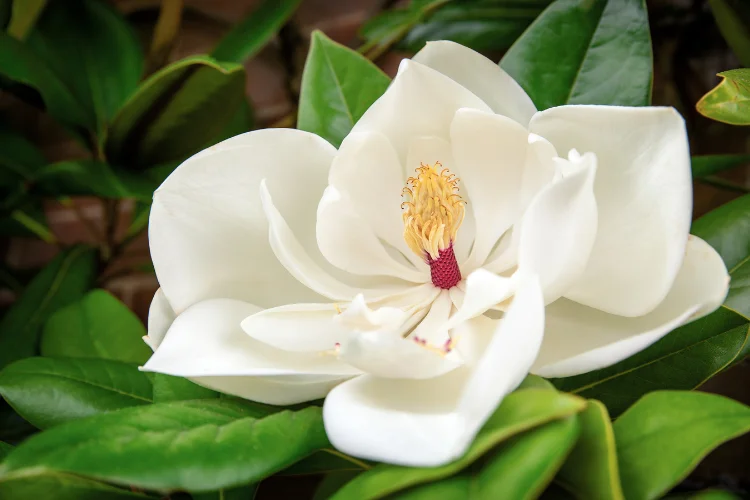
There’s a reason Magnolia shows up in so many front yards and poetry books alike. Its blooms are large, waxy, and almost sculptural, often opening before the leaves even appear on bare spring branches.
Colors range from pure white and soft pink to deep purple and even pale yellow, depending on the variety. The fragrance is warm and a little citrusy, the kind that makes you stop mid-walk.
Care tips:
- Plant in a spot with full sun to partial shade
- Give it well-draining, slightly acidic soil
- Avoid pruning right after flowering, since buds form early
- Protect young trees from strong winds while they establish roots
Magnolia is one of the most loved M flowers, and honestly, it deserves its own spotlight. Read our complete guide on Magnolia Flowers for detailed care tips and growing advice.
Marigold
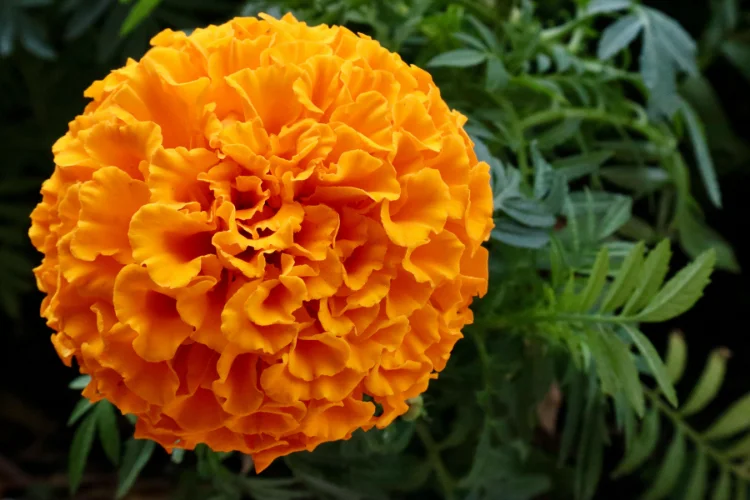
Marigolds are the flowers that make gardening feel easy, even for someone who’s never grown anything before. Their ruffled, pom-pom blooms come in warm shades of orange, yellow, and deep red, and they seem to bloom nonstop from early summer until the first frost.
Beyond looks, Marigolds have a slightly spicy scent that many gardeners use to keep pests away from vegetable beds.
Care tips:
- Plant in full sun for the boldest blooms
- Water at the base to avoid fungal issues
- Deadhead spent flowers to encourage more blooming
- Space plants about 8 to 12 inches apart for airflow
Marigold comes in stunning warm tones, and if that’s the color palette you’re after, explore our complete guide on Orange Flowers for more vibrant garden color inspiration.
Matthiola (Stock Flower)
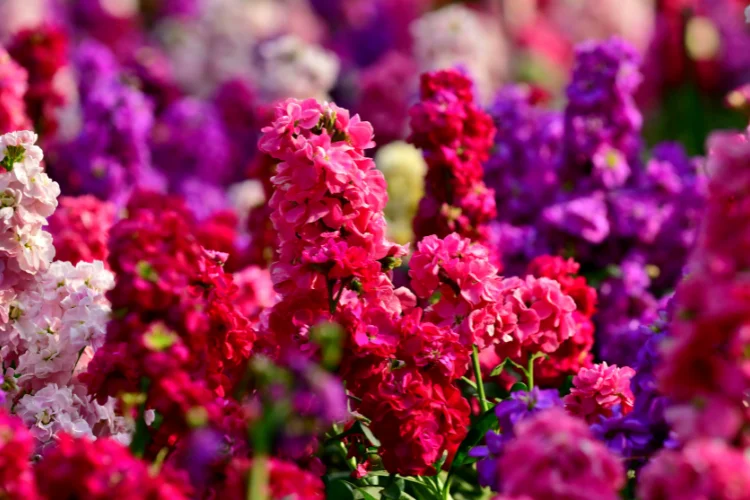
Matthiola, better known as Stock Flower, is one of those blooms people notice before they even see it. The scent is rich, almost like cloves mixed with something sweet, and it tends to fill an entire garden bed or vase.
The flower spikes are tightly packed with ruffled petals in soft purples, pinks, creamy whites, and even lavender tones.
Care tips:
- Grow in cool weather since heat can stop blooming
- Choose a spot with full sun to light shade
- Keep soil consistently moist but never soggy
- Stake taller varieties so stems don’t flop over
Mimosa
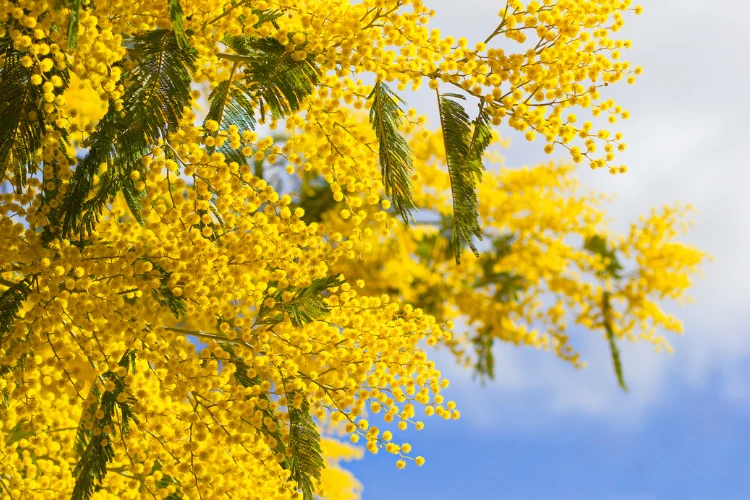
Mimosa trees are hard to miss once they bloom. The flowers look like tiny pink or yellow fireworks, soft and feathery, clustered together across delicate branches.
There’s something almost whimsical about them, like they belong in a storybook garden rather than a backyard.
Care tips:
- Plant in full sun for the fullest bloom display
- Choose well-draining soil, since Mimosa dislikes wet feet
- Prune lightly after flowering to maintain shape
- Watch for pests like webworms during warmer months
Muscari (Grape Hyacinth)
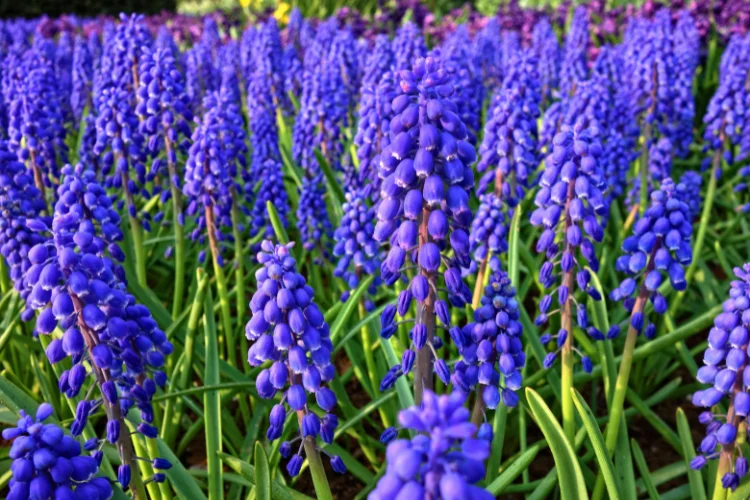
If you’ve ever seen little clusters of deep blue bells poking up in early spring, that’s probably Muscari. Each stem is packed tightly with tiny, bead-like flowers that genuinely resemble upside-down bunches of grapes.
They’re small but mighty when planted in groups, creating a carpet of blue that’s hard to walk past without smiling.
Care tips:
- Plant bulbs in fall for spring blooms
- Choose a sunny to partly shaded spot
- Use well-draining soil to prevent bulb rot
- Let foliage die back naturally after blooming
Monarda (Bee Balm)
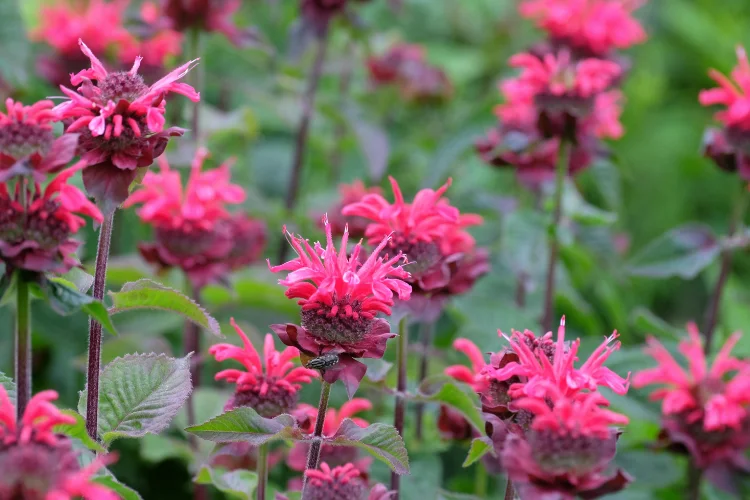
Monarda, also called Bee Balm, is a favorite among gardeners who want to attract pollinators. The shaggy, tubular petals almost look like little fireworks exploding outward in red, pink, or purple.
Bees, butterflies, and hummingbirds genuinely can’t resist it, which makes it a wonderful addition if you love watching wildlife in your garden.
Care tips:
- Grow in full sun with good air circulation
- Water regularly, especially during dry spells
- Divide clumps every few years to keep plants healthy
- Watch for powdery mildew in humid climates
Moonflower
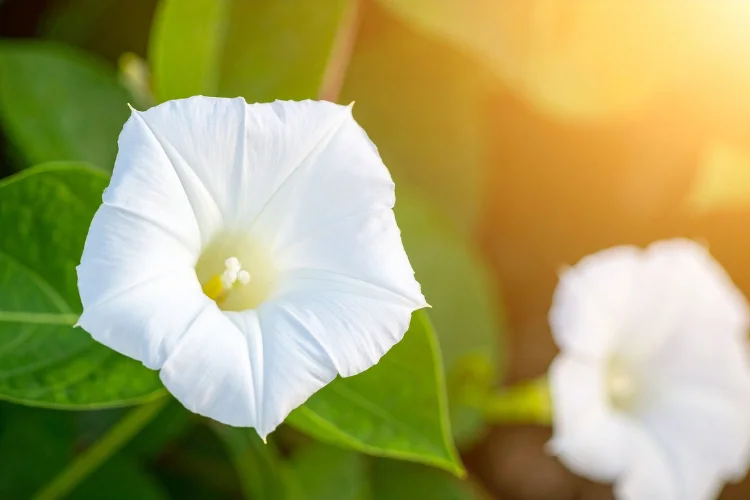
Moonflower is easily one of the most magical flowers starting with M, mostly because of when it blooms. As the sun sets, these large white trumpet-shaped flowers slowly unfurl, releasing a sweet fragrance into the night air.
By morning, they close up again, saving their beauty for the evening crowd.
Care tips:
- Plant near a trellis or fence, since it’s a vigorous climber
- Choose a warm, sunny location
- Soak seeds overnight before planting to help germination
- Water regularly during its active growing season
Michaelmas Daisy
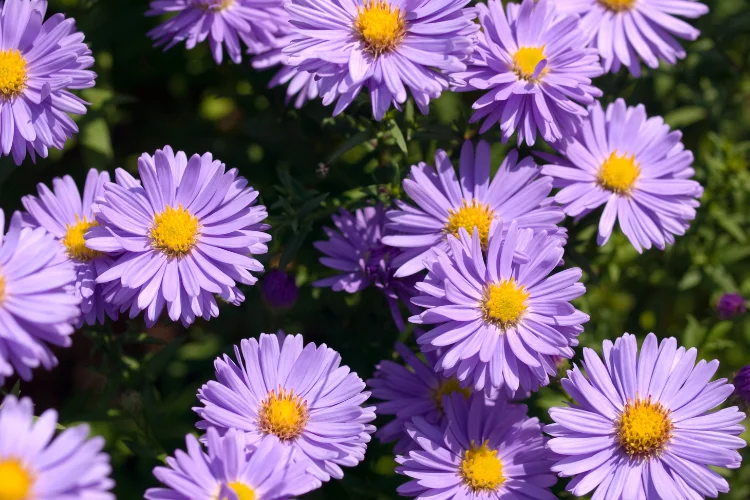
Michaelmas Daisy is the flower that reminds you fall isn’t the end of garden color, it’s just a different chapter. These daisy-like blooms come in shades of purple, pink, and blue, often with a cheerful yellow center.
They tend to flower right when most other plants are winding down for the season.
Care tips:
- Plant in full sun for the strongest color
- Keep soil moist but well-draining
- Pinch back stems in early summer for bushier growth
- Divide every two to three years to keep plants vigorous
Maltese Cross
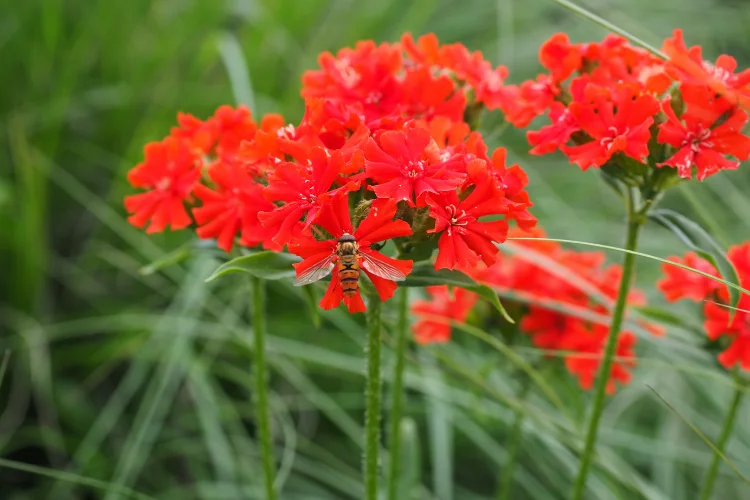
Maltese Cross gets its name from its striking petal shape, which forms a cross pattern in vivid, almost fiery red. It stands tall and proud in a garden bed, impossible to overlook.
This is a flower with real personality, cottage garden charm with a bold, structural twist.
Care tips:
- Grow in full sun for the brightest blooms
- Use well-draining soil, avoiding overly rich mixes
- Stake taller stems to prevent them from bending
- Deadhead regularly to extend the blooming period
Morning Glory
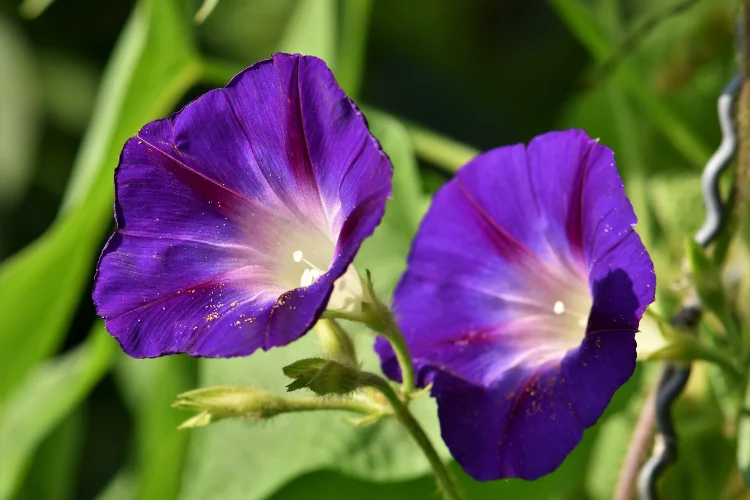
Morning Glory lives up to its name, opening its trumpet-shaped blooms fresh each morning in shades of blue, purple, pink, and white. By afternoon, the flowers often close, only to open again the next day with the same enthusiasm.
It’s a fast, energetic climber that can cover a fence or trellis in no time.
Care tips:
- Provide a trellis or support structure early on
- Plant in full sun for the healthiest vines
- Avoid overly fertile soil, which encourages leaves over flowers
- Water consistently, especially during establishment
Flowers That Start With M For Your Garden
Now that you know the individual flowers, let’s talk about matching them to your actual garden goals.
Top M flowers for beginners:
- Marigold, because it practically grows itself
- Muscari, since bulbs require very little maintenance
- Morning Glory, which forgives a bit of neglect
Best M flowers for indoor growing:
- Muscari in shallow pots near a bright window
- Matthiola in containers on a sunny balcony
- Mimosa as a young potted tree indoors during cooler months
Great M flowers for gifting:
- Magnolia branches for an elegant, fragrant bouquet
- Marigold bunches for warm, cheerful arrangements
- Matthiola for its unbeatable scent in cut flower gifts
Whatever your space looks like, there’s a flower name starting with M that fits it comfortably.
Flowers That Start With M: Meanings & Symbolism
Flowers rarely mean nothing, and M flowers carry some lovely symbolism worth knowing.
- Magnolia represents dignity, nobility, and perseverance
- Marigold symbolizes warmth, passion, and positive energy
- Matthiola stands for lasting beauty and contentment
- Mimosa is associated with sensitivity and secret love
- Muscari represents trust and a sense of calm
- Monarda symbolizes healing and compassion
- Moonflower is tied to mystery and dreams
- Michaelmas Daisy represents farewell and cheerfulness during change
- Maltese Cross stands for military honor and preparedness
- Morning Glory symbolizes affection and a fresh start
These meanings make M flowers wonderful choices for meaningful gifts, memorials, or garden themes with a story behind them.
How to Grow Flowers That Start With M
Whether you’re planting one or all ten of these, a few universal habits will keep them thriving.
General care tips:
- Match sunlight needs to your specific flower before planting
- Water at the base rather than overhead to reduce disease
- Feed with a balanced fertilizer during active growing months
- Mulch around roots to retain moisture and control weeds
Common mistakes to avoid:
- Overwatering bulbs like Muscari, which leads to rot
- Planting sun-loving flowers like Marigold in shade
- Skipping support structures for climbers like Morning Glory and Moonflower
- Ignoring soil drainage, which affects almost every flower on this list
A little attention to these basics goes a long way toward healthy, long-lasting blooms.
Frequently Ask Questions
Marigold, Muscari, and Morning Glory are excellent starting points since they’re forgiving, low-maintenance, and bloom reliably.
Most do, but a few, like Matthiola and young Mimosa, tolerate partial shade, especially in hotter climates.
Matthiola, or Stock Flower, is known for its rich, spicy sweet scent, closely followed by Magnolia’s citrusy fragrance.
Yes, they actually complement each other beautifully, with Morning Glory blooming by day and Moonflower taking over at night on the same trellis.
Absolutely. Monarda, Marigold, and Muscari are all excellent choices for attracting bees, butterflies, and hummingbirds.
Final Thoughts
Exploring flowers that start with M has honestly become one of my favorite little gardening projects. There’s such range here, fragrant trees, tiny spring bulbs, night bloomers, and cheerful summer classics, all packed into one letter of the alphabet.
If you’re just starting out, grab a few Marigold seeds and go from there. Before long, you might find yourself just as hooked on M flowers as I am.