I’ll be honest with you: before I started digging into flowers that start with K, I thought this letter would be a short list. Maybe a Kalanchoe here, a Kiwi flower there, and that would be it.
I was completely wrong.
The K flowers turned out to be one of my favorite letters in this whole A-Z series. Picture a red-hot torch flower that looks like it belongs in a fantasy novel. There’s a shrub covered in tiny cups so perfect they look hand-carved. You’ll even find a pincushion-shaped bloom that pollinators genuinely cannot resist.
At Plant Style Home we help you discover the most beautiful flowers from A to Z for every garden, and this letter did not disappoint. We’re now eleven letters deep into our A-Z flower series, so if you haven’t already, catch up with our guide on Flowers That Start With J first.
Grab a cup of tea, because we’re about to go through the most beautiful flowers starting with K, one gorgeous bloom at a time.
Most Beautiful Flowers That Start With K
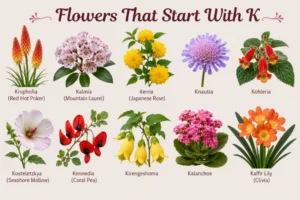
Before we get into the details, here’s a quick overview table so you can see all these K flowers at a glance and decide which ones catch your eye first.
| Flower Name | Color | Season | Difficulty Level |
|---|---|---|---|
| Kniphofia (Red Hot Poker) | Red, orange, yellow | Summer | Easy |
| Kalmia (Mountain Laurel) | Pink, white | Late spring | Moderate |
| Kerria (Japanese Rose) | Golden yellow | Spring | Easy |
| Knautia | Wine red, lavender | Summer | Easy |
| Kohleria | Red, orange, purple | Summer to fall | Moderate |
| Kosteletzkya (Seashore Mallow) | Pink | Late summer | Easy |
| Kennedia (Coral Pea) | Red, coral, purple | Spring | Moderate |
| Kirengeshoma | Pale yellow | Late summer | Moderate |
| Kalanchoe | Red, pink, yellow, orange | Year-round (indoor) | Easy |
| Kaffir Lily (Clivia) | Orange, red, yellow | Winter to spring | Easy |
This list of flower names starting with K covers everything from tough garden perennials to soft-hearted houseplants, so there’s something here no matter what kind of gardener you are.
Flowers That Start With K, Detailed Descriptions
Now let’s slow down and actually get to know these plants. I want you to feel like you’ve met each one personally, not just read a spec sheet.
Kniphofia (Red Hot Poker)
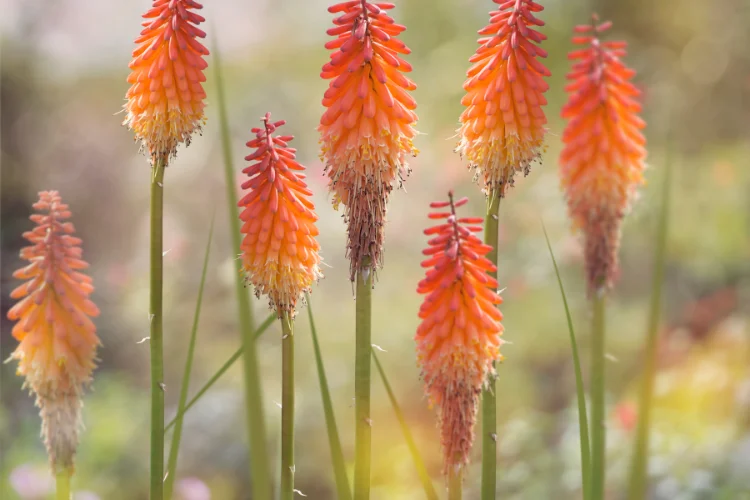
The first time I saw Kniphofia in a garden border, I genuinely stopped walking. Tall, torch-shaped flower spikes shoot straight up on bare stems, glowing orange at the top and fading to yellow near the base.
It looks like something lit on fire, which is exactly why it earned its nickname. Hummingbirds absolutely love it, and honestly, so does everyone who walks past it.
Care tips:
- Plant in full sun for the boldest color
- Give it well-draining soil, since soggy roots are its biggest enemy
- Water deeply but infrequently once established
- Cut back the spent flower spikes to encourage a second bloom
If you love these warm, fiery tones, Kniphofia Red Hot Poker comes in stunning warm colors, and you’ll want to explore our complete guide on Red Flowers for more bold color inspiration.
Kalmia (Mountain Laurel)
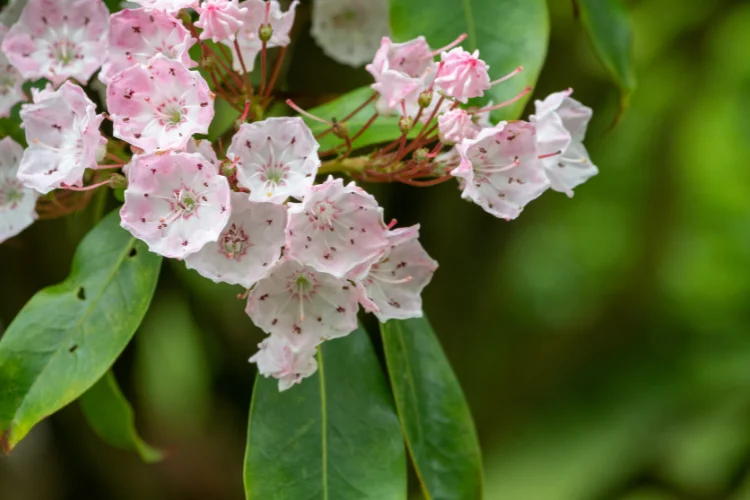
Kalmia is one of those shrubs that makes you look twice. Each flower starts out as a tiny crimped bud, almost like a folded paper origami cup, before opening into a delicate saucer shape.
The blooms cluster together in soft pinks and whites, covering the whole shrub like confetti. It’s a native beauty in many woodland gardens across the eastern United States.
Care tips:
- Plant in partial shade, since harsh afternoon sun can scorch the leaves
- Use acidic, well-draining soil similar to what azaleas prefer
- Mulch around the base to keep roots cool and moist
- Avoid disturbing the shallow root system when weeding nearby
Kerria (Japanese Rose)
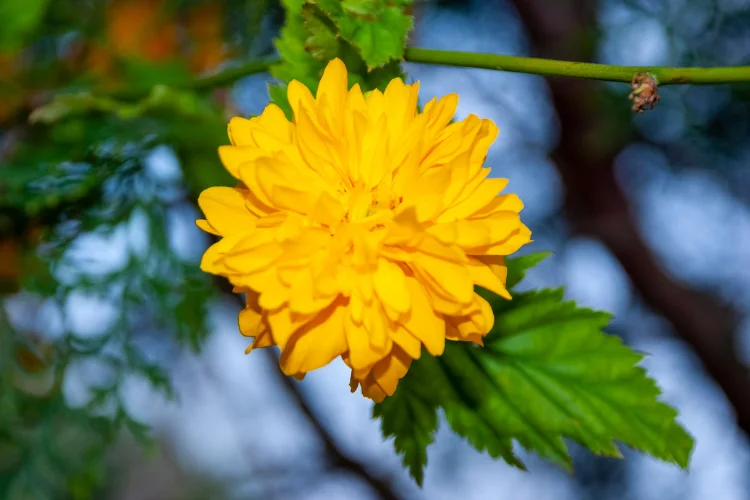
Kerria is a spring showstopper that doesn’t ask for much in return. Its slender green stems arch gracefully and get absolutely covered in bright golden yellow flowers that look like small pom-poms.
Even in winter, the green stems add color to an otherwise bare garden. It’s a plant that just keeps giving.
Care tips:
- Grow in partial shade for the healthiest growth
- Prune right after flowering to keep its shape tidy
- Plant in moderately fertile, well-draining soil
- Divide suckers in fall if it starts spreading too far
Knautia
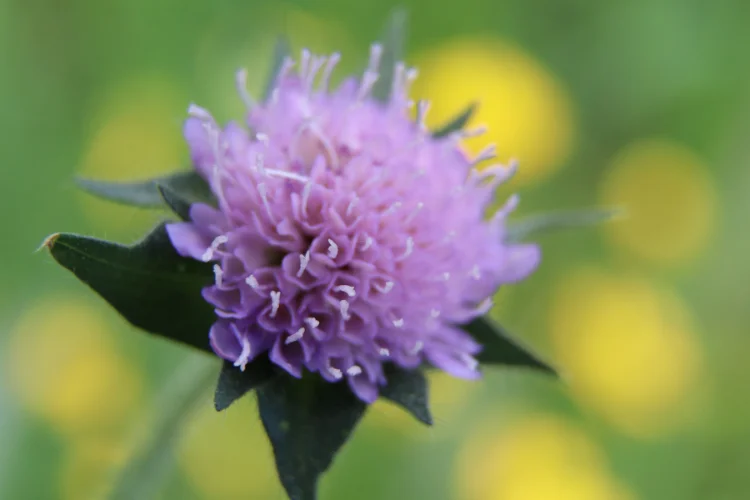
Knautia is the flower I’d recommend to anyone who wants a garden buzzing with life. The wine red pincushion blooms sway on thin wiry stems, and bees and butterflies treat them like an all-you-can-eat buffet.
It has a wild, cottage-garden charm that never looks stiff or formal. I love how it moves in the breeze.
Care tips:
- Plant in full sun for the most abundant blooms
- Deadhead regularly to keep new flowers coming all summer
- Choose well-draining soil, since it doesn’t love wet feet
- Let it self-seed if you want a naturally spreading patch
Kohleria
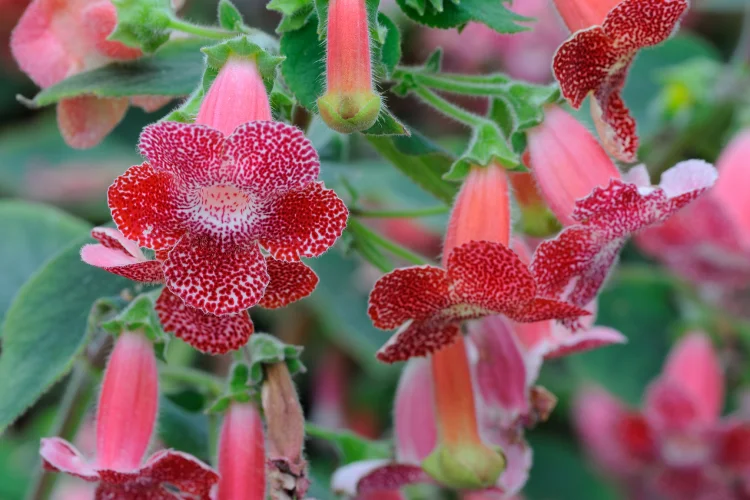
Kohleria is a bit of a hidden gem in the houseplant world. Its tubular, freckled flowers come in fiery reds, oranges, and purples, and the soft velvety leaves feel almost like fabric when you touch them.
It’s related to African violets, so if you enjoy those, this one belongs on your windowsill too.
Care tips:
- Provide bright, indirect light rather than direct sun
- Keep soil evenly moist but never waterlogged
- Feed with a diluted fertilizer during the growing season
- Increase humidity around the plant for the healthiest leaves
Kosteletzkya (Seashore Mallow)
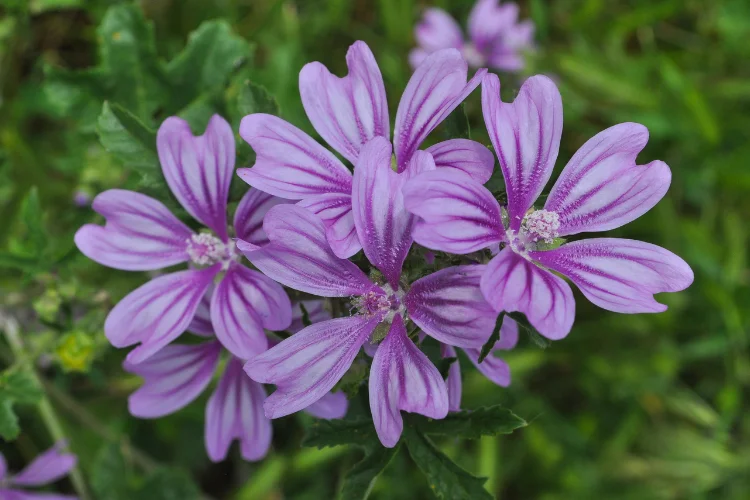
Kosteletzkya is proof that tough plants can still be pretty. This coastal native produces soft pink, hibiscus-like flowers even in salty, marshy soil where most other plants would give up.
It’s a wonderful choice if you garden near the coast or simply want something low maintenance and resilient.
Care tips:
- Plant in full sun for the best flowering
- Tolerates wet or salty soil, so it’s great for damp garden spots
- Water regularly during the first growing season
- Cut back in late fall once flowering finishes
Kennedia (Coral Pea)
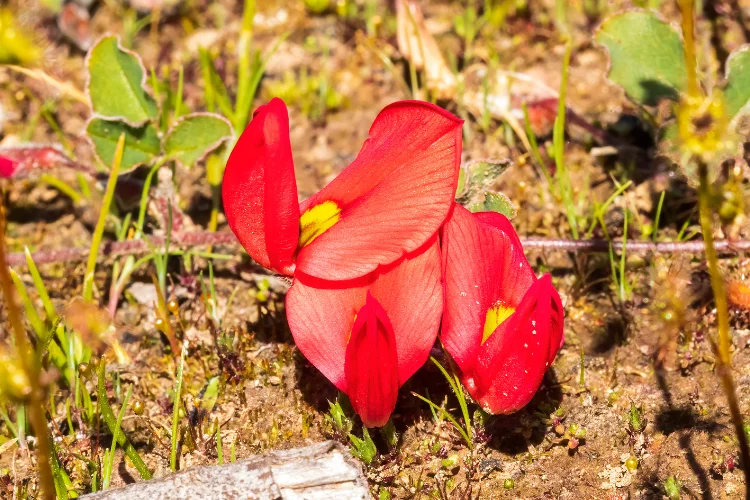
Kennedia is an Australian climber that puts on a real show. Clusters of pea-shaped flowers in rich reds, corals, and purples scramble along fences and trellises, and the plant grows fast once it gets going.
If you want quick coverage on a bare wall, this is your flower.
Care tips:
- Give it full sun and something sturdy to climb
- Plant in well-draining soil, since it dislikes wet roots
- Water moderately, allowing soil to dry slightly between waterings
- Prune after flowering to keep growth under control
Kirengeshoma
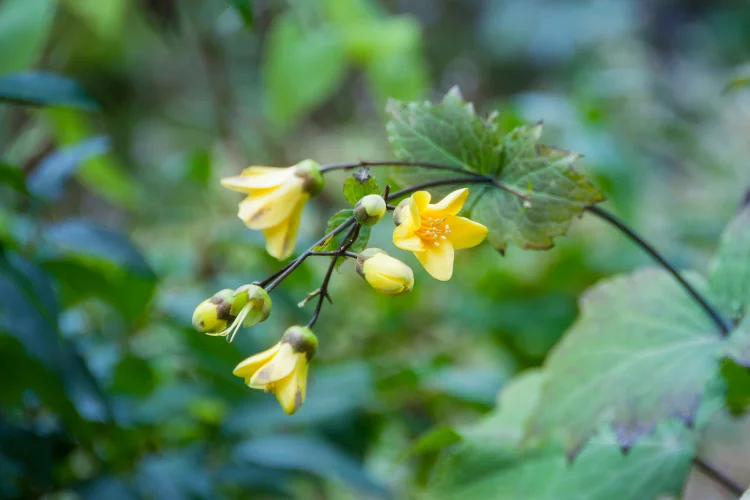
Kirengeshoma is a quieter beauty, and that’s exactly why I love it. Its pale yellow, bell-shaped flowers hang gently from arching stems in late summer, right when many other blooms are starting to fade.
It brings a soft glow to shaded borders when everything else looks tired.
Care tips:
- Grow in partial to full shade for best results
- Use rich, moisture-retentive soil
- Protect from strong winds, since stems can be delicate
- Mulch in autumn to protect roots through winter
Kalanchoe
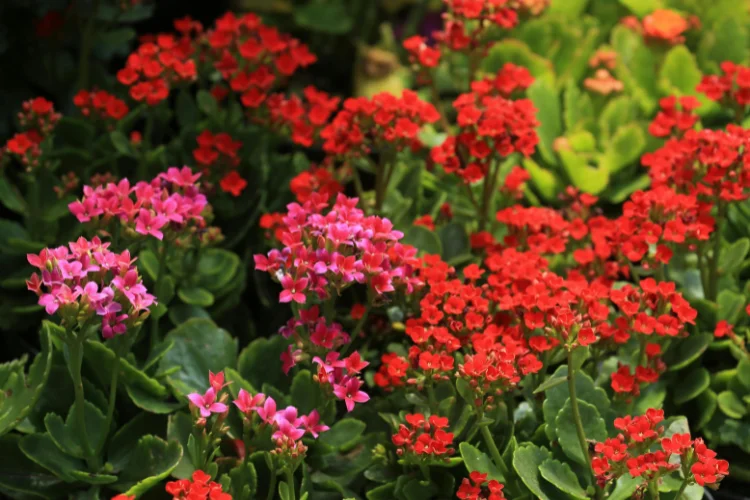
Kalanchoe might be the most familiar name on this list, and for good reason. Thick, waxy leaves support clusters of small, long-lasting flowers in reds, pinks, yellows, and oranges.
It thrives on neglect, which makes it perfect for anyone who forgets to water sometimes.
Care tips:
- Place in bright light, ideally near a sunny window
- Water only when the soil is completely dry
- Use a well-draining succulent potting mix
- Remove spent flowers to encourage new blooms
Kalanchoe is a fantastic indoor plant, and if you want more indoor flowering inspiration, check out our guide on Asiatic Lily.
Kaffir Lily (Clivia)
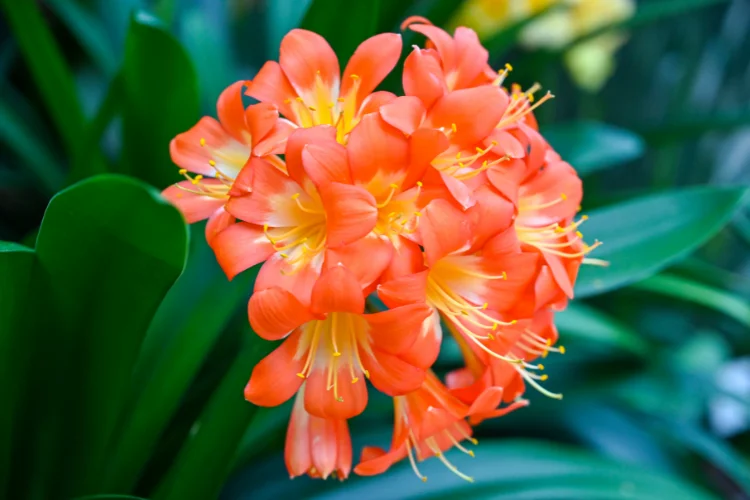
Clivia, often called Kaffir Lily, is a plant I recommend to anyone who wants drama without effort. Thick, strappy leaves frame bold clusters of trumpet-shaped orange, red, or yellow flowers that bloom right when winter is dragging on.
It’s a plant that rewards patience with a genuinely stunning payoff.
Care tips:
- Grow in bright, indirect light indoors
- Allow soil to dry out between waterings
- Give it a cool, dry rest period in winter to trigger blooming
- Repot only when it becomes rootbound, since it prefers snug pots
Flowers That Start With K For Your Garden
Not every K flower suits every gardener, so let’s break it down a bit.
Best K flowers for beginners:
- Kalanchoe, since it tolerates missed waterings without complaint
- Kerria, which grows reliably with minimal fuss
- Kniphofia, a hardy perennial that thrives once established
Top K flowers for indoor growing:
- Kalanchoe for its long-lasting color
- Kohleria for its unusual velvety texture
- Kaffir Lily for a striking winter bloom indoors
Ideal K flowers for gifting:
- Kalanchoe in a small decorative pot
- Kaffir Lily as a long-term flowering gift
- Kniphofia cut stems for a bold, unexpected bouquet
Flowers That Start With K, Meanings & Symbolism
Flowers carry meaning, and K flowers are no exception.
- Kniphofia is often linked to enthusiasm and bold energy, thanks to its fiery color
- Kalmia symbolizes admiration and ambition in traditional flower language
- Kerria represents elegance and grace because of its gentle, arching form
- Knautia is associated with liveliness, fitting for a flower that pollinators adore
- Kalanchoe carries meanings of endurance and lasting affection
- Kaffir Lily (Clivia) is often gifted to represent good fortune and admiration
How to Grow Flowers That Start With K
Once you start growing a few flowers that start with K, some general patterns emerge across the group.
General care tips:
- Check each plant’s sun requirements individually, since this group ranges from full sun lovers to shade dwellers
- Prioritize well-draining soil for most K flowers, as few of them tolerate soggy roots
- Deadhead spent blooms regularly to encourage more flowering
- Mulch outdoor perennials to protect roots through temperature swings
Common mistakes to avoid:
- Overwatering Kalanchoe and other succulent-leaved varieties
- Planting shade lovers like Kirengeshoma in full, harsh sun
- Skipping soil drainage checks before planting Kniphofia or Kennedia
- Forgetting Clivia’s winter rest period, which can prevent it from blooming
Frequently Ask Questions
Kalanchoe, Kerria, and Kniphofia are all considered easy to grow and forgiving of minor care mistakes.
Yes, Kalanchoe, Kohleria, and Clivia (Kaffir Lily) all do well as houseplants with bright, indirect light.
Many do. Knautia and Kniphofia are especially popular with bees, butterflies, and hummingbirds.
Yes, as long as the container has excellent drainage and gets plenty of sun, Kniphofia can grow well in a large pot.
Kalanchoe is widely considered the easiest, since it tolerates dry soil and low maintenance routines better than most.
Final Thoughts
Going through this list of flowers that start with K reminded me why I love the A-Z approach to gardening in the first place. You end up discovering plants you might have walked right past otherwise, like the fiery Kniphofia or the quietly graceful Kirengeshoma.
Whether you’re drawn to bold garden perennials or soft indoor bloomers, there’s a K flower here worth adding to your collection.
If this guide got you excited about growing something new, explore more of our A-Z flower guides and keep building your garden one letter at a time.