There’s something wonderfully satisfying about learning your flowers alphabet, and the letter L might just be the most rewarding stop on the journey. Think about it: lavender fields stretching to the horizon, lilies opening their trumpet-shaped blooms in the morning sun, and delicate lily of the valley hiding in shady corners like little secrets waiting to be found.
At Plant Style Home we love helping you discover and grow the most beautiful flowers for every garden, and flowers that start with L happen to be some of our absolute favorites to recommend to both new and experienced gardeners.
We’re working our way through the alphabet one bloom at a time. If you haven’t already, catch up with our guide on Flowers That Start With K first.
Whether you’re planning a fragrant cottage garden, looking for the perfect gift bouquet, or just curious about flower names starting with L, you’re in the right place. Let’s dig in.
Most Beautiful Flowers That Start With L
Before we go deep into each one, here’s a quick overview table so you can see the full picture at a glance. This L flowers list covers color, blooming season, and how easy each one is to grow.
| Flower Name | Color | Season | Difficulty Level |
|---|---|---|---|
| Lavender | Purple, blue, white | Summer | Easy |
| Lily | Pink, white, orange, yellow | Summer | Moderate |
| Larkspur | Blue, pink, white, purple | Late spring to summer | Easy |
| Lantana | Orange, yellow, pink, red | Summer to fall | Easy |
| Lisianthus | Purple, white, pink | Summer | Moderate |
| Lobelia | Blue, purple, white | Spring to fall | Easy |
| Lupine | Blue, purple, pink, white | Late spring to summer | Moderate |
| Lily of the Valley | White, pale pink | Spring | Easy |
| Lychnis (Campion) | Red, magenta, white | Summer | Easy |
| Leucanthemum (Shasta Daisy) | White with yellow center | Summer | Easy |
Now let’s talk about what makes each of these beautiful flowers starting with L so special.
Flowers That Start With L: Detailed Descriptions
Lavender
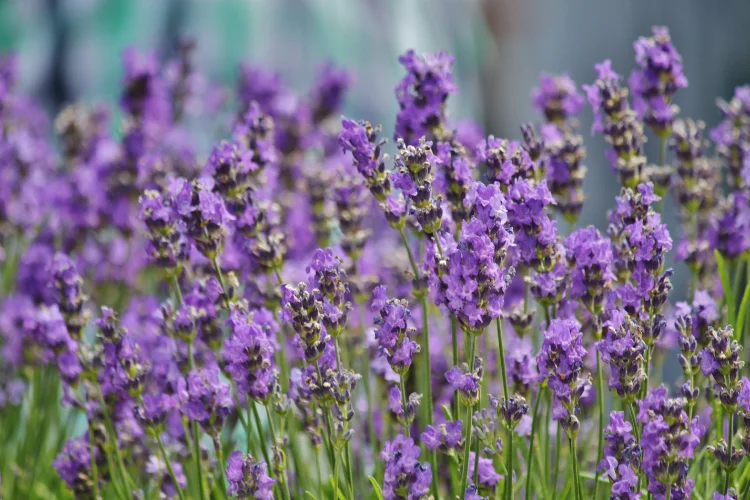
Lavender is one of those plants that works its way into your heart the moment you brush against it and catch that unmistakable scent. Its narrow, silvery-green leaves and tall spikes of tiny purple flowers make it instantly recognizable in any garden.
While purple is its signature shade, you’ll also find lavender in soft blues and even white. It looks equally at home lining a garden path or growing in a simple terracotta pot on a sunny windowsill.
Care tips:
- Plant in full sun with well-draining, slightly sandy soil
- Water sparingly once established, lavender hates soggy roots
- Prune after flowering to keep the plant compact and healthy
- Avoid heavy mulch or organic-rich soil that holds moisture
Lily
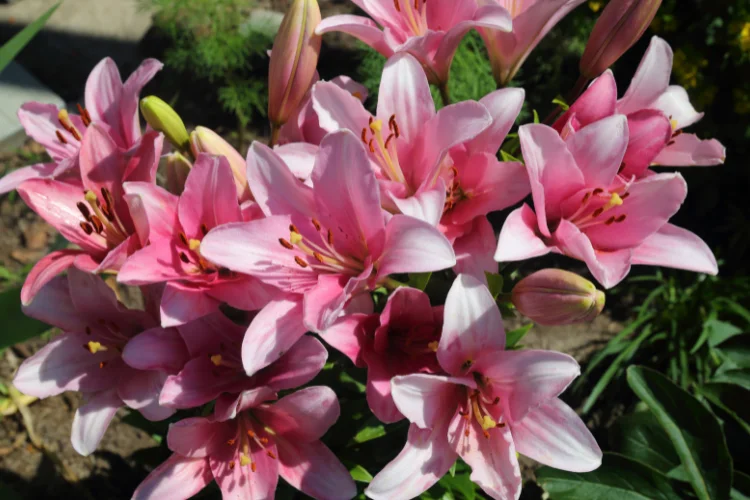
Ask anyone to name flowers that start with L and lily is usually the first word out of their mouth. With large, trumpet-shaped blooms and a bold presence, lilies bring instant drama to any garden bed or vase.
They come in a stunning range of colors including pink, white, orange, and buttery yellow, often with freckled petals that add extra charm.
If you love lilies, our detailed guide on Asiatic Lily covers one of the most stunning lily varieties for your garden.
Care tips:
- Plant bulbs in well-draining soil with morning sun
- Keep soil consistently moist but never waterlogged
- Stake taller varieties to prevent flopping in wind or rain
- Remove spent blooms to encourage the plant’s energy to return to the bulb
Larkspur
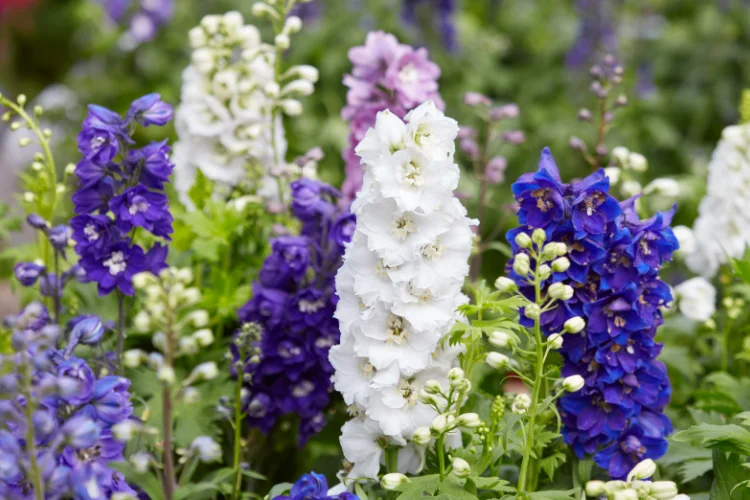
Larkspur has this old-fashioned cottage garden charm that instantly makes any flower bed feel a little more romantic. Its tall, airy spikes are covered in delicate, spurred flowers that sway beautifully in the breeze.
You’ll find it in gorgeous shades of blue, pink, white, and purple, and it pairs wonderfully with roses and daisies in a cut flower arrangement.
Larkspur is the birth flower for July. Read our complete guide on July Birth Flowers for more birth flower inspiration.
Care tips:
- Sow seeds directly outdoors in early spring or fall
- Choose a spot with full sun and rich, well-draining soil
- Stake plants in windy areas since stems can be tall and slender
- Deadhead regularly to extend the blooming season
Lantana
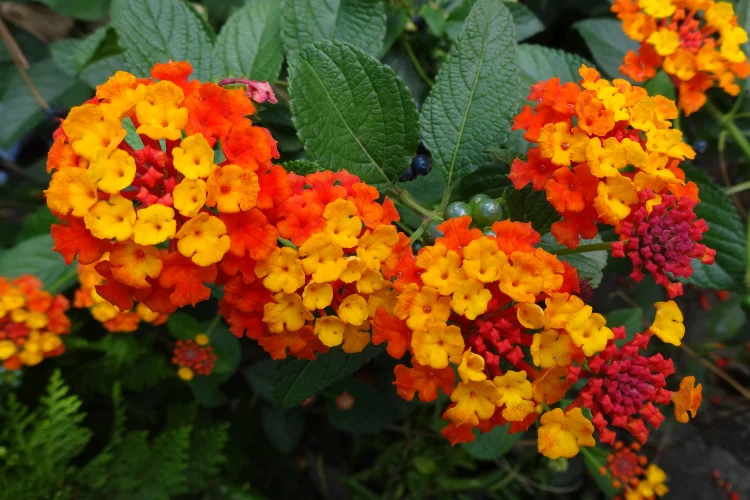
Lantana is basically nature’s confetti. Each cluster of tiny flowers can hold multiple colors at once, shifting from yellow to orange to pink as the blooms mature, which gives the whole plant a fireworks-like effect.
It’s also a magnet for butterflies, so if you’re hoping to turn your garden into a pollinator hotspot, this is a fantastic pick.
Care tips:
- Grow in full sun for the most vibrant color display
- Allow soil to dry out between waterings, it’s quite drought tolerant
- Trim back regularly to keep growth bushy rather than leggy
- Bring potted lantana indoors before frost if you’re in a cooler climate
Lisianthus
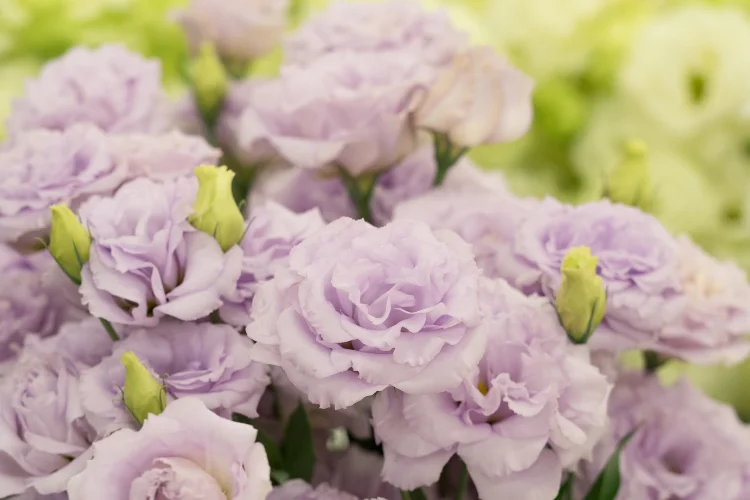
Lisianthus often gets mistaken for a rose at first glance, thanks to its ruffled, layered petals. But its slender stems and delicate texture give it a softness that’s entirely its own.
Popular in wedding bouquets, lisianthus comes in gorgeous shades of purple, white, and blush pink that photograph beautifully.
Care tips:
- Plant in rich, well-draining soil with plenty of sunlight
- Water at the base to keep petals and foliage dry and rot-free
- Support stems with stakes or a grow-through grid since they can be top-heavy
- Be patient, lisianthus is slow growing but well worth the wait
Lobelia
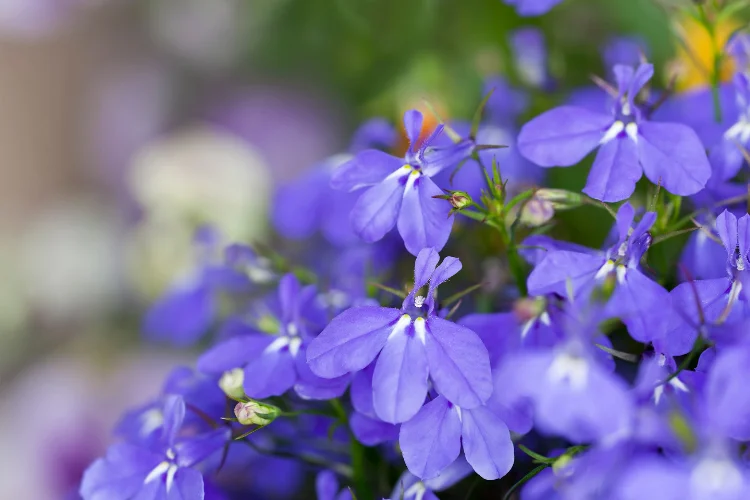
Lobelia is the kind of plant that quietly steals the show once you notice it. Its tiny, two-lipped flowers form a dense carpet of color, making it a favorite for hanging baskets, borders, and container edges.
The most beloved shade is a rich, almost electric blue, though you’ll also find purple and white varieties.
Care tips:
- Plant in partial shade in hot climates, full sun in cooler areas
- Keep soil consistently moist, lobelia doesn’t like to dry out
- Trim back midsummer if plants start looking leggy
- Feed lightly every few weeks for continuous blooming
Lupine
Lupine flowers stand tall like colorful spires, packed with pea-like blossoms stacked from bottom to top. They bring a wildflower-meadow feel to any garden, even in a small backyard space.
Look for lupine in striking shades of blue, purple, pink, and white, sometimes even bicolor.
Care tips:
- Plant in full sun with slightly acidic, well-draining soil
- Avoid overwatering since lupines prefer things on the drier side
- Deadhead spent flower spikes to encourage a second flush of blooms
- Let a few seed pods mature if you want the plant to self-sow next season
Lily of the Valley
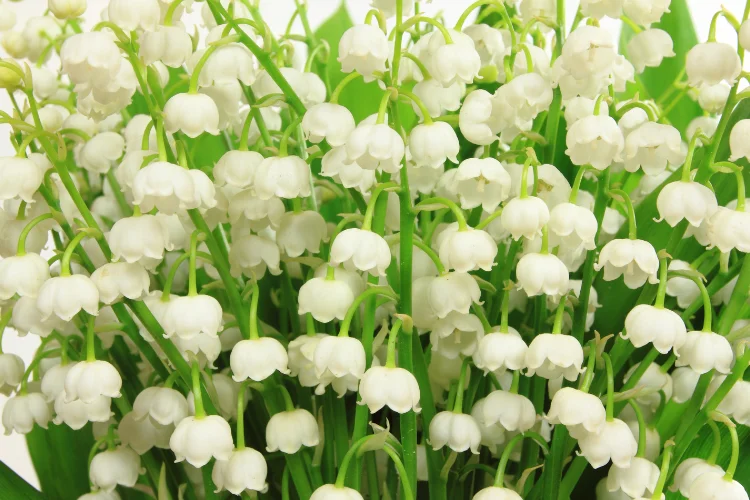
Lily of the valley is proof that good things really do come in small packages. Its dainty, bell-shaped white flowers dangle gracefully from arching stems, releasing a sweet fragrance that’s completely disproportionate to its tiny size.
It’s a classic shade-loving groundcover, often found tucked beneath trees or along woodland garden edges.
Care tips:
- Plant in partial to full shade with moist, rich soil
- Water regularly, especially during dry spells
- Divide clumps every few years to prevent overcrowding
- Keep pets and children away since all parts of the plant are toxic if ingested
Lychnis (Campion)
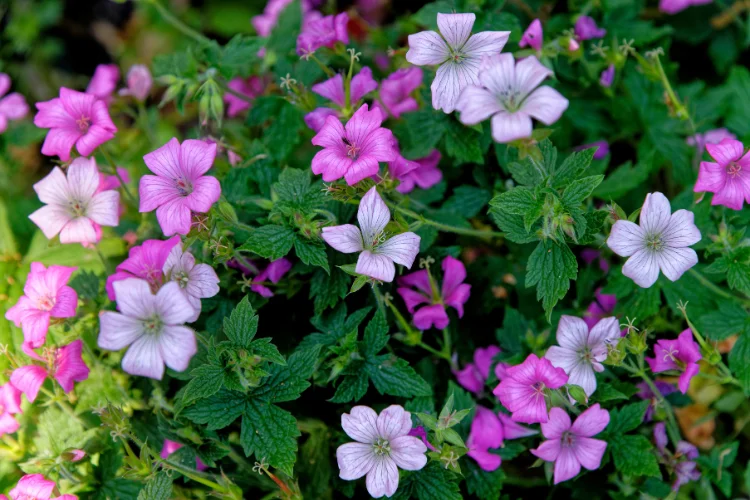
Lychnis, often called campion, brings a pop of vivid color that’s hard to ignore. Its brilliant magenta or red blooms sit atop silvery, felt-like foliage, creating a striking contrast in any border or rock garden.
It’s a tough, low-maintenance perennial that rewards very little effort with a lot of visual payoff.
Care tips:
- Plant in full sun for the boldest flower color
- Choose well-draining soil, lychnis dislikes wet feet
- Cut back after the first bloom flush to encourage reblooming
- Divide every two to three years to keep plants vigorous
Leucanthemum (Shasta Daisy)
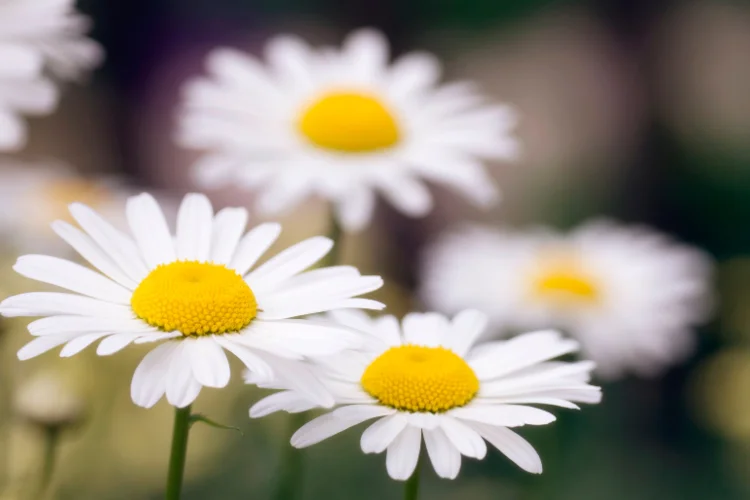
The Shasta daisy is the flower most people picture when they think of a classic daisy. Crisp white petals surround a sunny yellow center, and the effect is cheerful without trying too hard.
It’s a reliable perennial that comes back year after year, filling gaps in the garden with clean, bright color.
Care tips:
- Plant in full sun with moderately fertile, well-draining soil
- Water regularly during the first growing season to establish roots
- Deadhead often to keep new blooms coming through summer
- Divide clumps every two to three years to maintain healthy growth
Flowers That Start With L For Your Garden
Once you’ve fallen in love with a few names on this L flowers list, the next question is where they’ll actually thrive best in your own space.
Top L flowers for beginners:
- Lavender, thanks to its drought tolerance and minimal fuss
- Lantana, which practically takes care of itself in warm climates
- Lobelia, easy to grow from nursery starts in containers or borders
Best L flowers for indoor growing:
- Lisianthus, when grown in bright, indirect light near a window
- Lobelia, especially trailing varieties in hanging pots
- Lavender, in a sunny spot as a fragrant houseplant
Ideal L flowers for gifting:
- Lily, for its elegance and long vase life
- Lisianthus, a romantic rose alternative for bouquets
- Lily of the valley, traditionally given to mark new beginnings
Flowers That Start With L: Meanings and Symbolism
Flowers have always carried meaning beyond their beauty, and L flowers are no exception.
- Lavender represents devotion, calm, and grace
- Lily symbolizes purity, renewal, and refined beauty
- Larkspur stands for positivity, an open heart, and strong bonds of love
- Lantana is often linked to rigor and sensitivity
- Lisianthus represents outgoing nature, charisma, and appreciation
- Lobelia symbolizes malevolence in old Victorian flower language, though today it’s more often associated with distinction
- Lupine represents imagination and a voracious pursuit of dreams
- Lily of the valley stands for humility, sweetness, and the return of happiness
- Lychnis symbolizes worthiness and steady affection
- Leucanthemum (Shasta daisy) represents innocence and cheerful simplicity
How to Grow Flowers That Start With L
Most flowers that start with L share a few common needs, which makes them a rewarding group to grow together in the same garden bed.
General care tips:
- Give most L flowers at least six hours of sunlight daily
- Use well-draining soil since many, like lavender and lupine, dislike wet roots
- Water deeply but less frequently to encourage strong root systems
- Feed lightly during the growing season rather than over-fertilizing
Common mistakes to avoid:
- Overwatering drought-tolerant types like lavender and lantana
- Planting shade-lovers like lily of the valley in full, harsh sun
- Skipping deadheading, which shortens the overall blooming period
- Crowding plants too closely, reducing airflow and inviting disease
Frequently Ask Questions
Lavender, lantana, and lobelia are excellent choices since they’re forgiving, low-maintenance, and adapt well to different garden conditions.
Lavender and lily of the valley are the top picks for fragrance, each offering a completely different but equally lovely scent.
Yes, lobelia, lantana, and lavender all grow beautifully in pots, making them perfect for balconies, patios, or small yards.
Absolutely. Lantana, lavender, and lupine are all known for attracting bees, butterflies, and even hummingbirds.
Lily is easily the most well-known and widely grown flower on this list, admired for its elegant blooms and rich symbolism.
Final Thoughts on Flowers That Start With L
From the calming scent of lavender to the graceful curves of a lily petal, flowers that start with L offer something for every kind of gardener, whether you’re drawn to bold color, delicate fragrance, or effortless low-maintenance blooms.
Pick even just two or three from this list to start, and you’ll quickly see why so many gardeners keep coming back to the letter L for inspiration.
Ready to keep exploring? Head over to Plant Style Home for more flower guides, growing tips, and garden inspiration to help your outdoor space bloom all year round.