Have you ever noticed how some of the most gorgeous flowers in the world share one thing in common: they all start with the letter G? From the intoxicating scent of Gardenia to the towering drama of Gladiolus, flowers that start with G have a way of stopping you in your tracks. Whether you’re building a new garden bed, searching for the perfect gift bouquet, or simply curious about flower names starting with G, you’ve come to the right place.
At Plant Style Home we are passionate about helping you discover and grow the most beautiful flowers and plants, and this guide is one of our favourites to write. The G flower family is wildly diverse: some are bold and architectural, others soft and delicate, and a few are downright wild and meadow-ready.
Before diving in, if you missed our previous guide, check out Flowers That Start With F, and it’s full of equally wonderful blooms.
Let’s explore every gorgeous petal together.
Most Beautiful Flowers That Start With G (Full List)
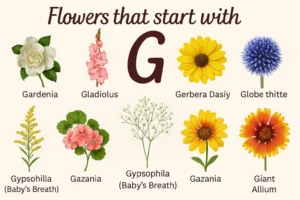
Here’s a quick-glance overview of all the flowers we’ll be covering perfect for when you need a fast reference.
| Flower Name | Color | Best Season | Difficulty Level |
|---|---|---|---|
| Gardenia | White, Cream | Spring–Summer | Moderate |
| Gladiolus | Every color except blue | Summer–Fall | Easy |
| Geranium | Pink, Red, White, Purple | Spring–Fall | Easy |
| Gerbera Daisy | Red, Orange, Yellow, Pink | Spring–Summer | Easy–Moderate |
| Globe Thistle | Steel Blue, Violet | Summer | Easy |
| Goldenrod | Golden Yellow | Late Summer–Fall | Easy |
| Gypsophila (Baby’s Breath) | White, Pink | Summer | Easy |
| Gazania | Orange, Yellow, Red | Summer–Fall | Easy |
| Gaillardia (Blanket Flower) | Red, Orange, Yellow | Summer–Fall | Easy |
| Giant Allium | Purple, Violet | Late Spring | Easy |
Now let’s get to know each one properly.
Flowers That Start With G: Detailed Descriptions
Gardenia
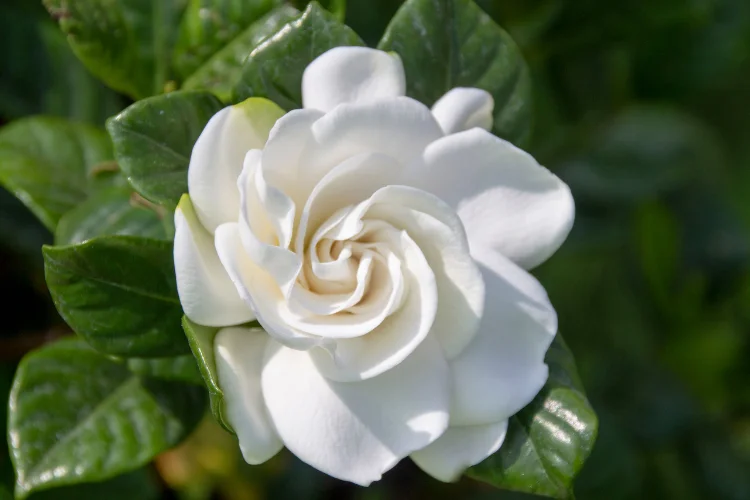
If there’s one flower in this entire list that could be described as luxurious, it’s the Gardenia. Those creamy white, waxy blooms look like they were carved from porcelain, and the fragrance… oh, that fragrance… is rich, sweet, and completely unforgettable. Gardenias bloom in late spring to summer and are a popular choice for wedding bouquets, corsages, and any garden that deserves a touch of elegance. They’re native to tropical and subtropical regions of Asia and Africa, which tells you a lot about what they need: warmth, humidity, and a little extra care.
Care Tips:
- Plant in acidic, well-draining soil (pH 5.0–6.5)
- Keep soil consistently moist but never waterlogged
- Place in bright, indirect light; direct sun can scorch the leaves
- Feed with an acid-loving fertiliser every 2–4 weeks during the growing season
- Humidity is key indoors; use a pebble tray with water or a humidifier nearby
Gladiolus
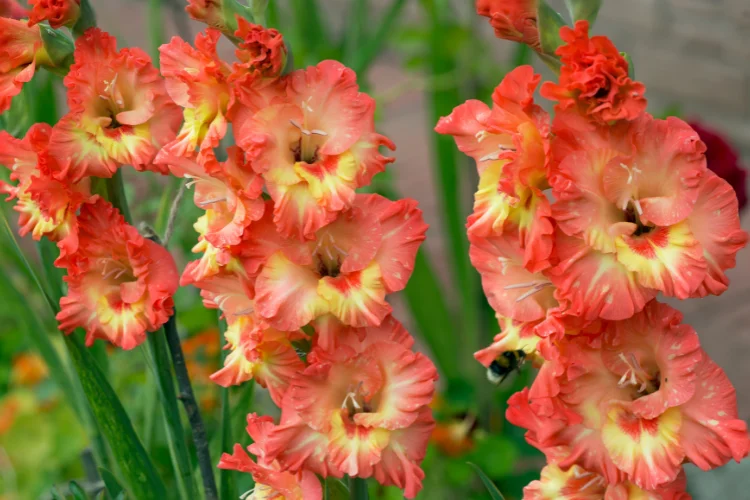
The Gladiolus is the show-off of the garden and we mean that in the best possible way. Those tall, elegant spikes loaded with ruffled blooms in every imaginable colour (reds, pinks, purples, yellows, oranges, whites) are pure visual theatre. They can grow anywhere from 2 to 5 feet tall, making them brilliant as a backdrop in mixed borders or as dramatic cut flowers for a vase. Each spike blooms from the bottom upward, giving you a week or more of staggered colour.
Gladiolus is also the birth flower for August, so explore our complete guide on August Birth Flowers for more birth flower inspiration. It’s one of the most iconic entries in any G flowers list.
Care Tips:
- Plant corms (not bulbs) in spring, 4–6 inches deep, after frost has passed
- Full sun is a must: at least 6 hours a day
- Water deeply once a week; more during dry spells
- Stake tall varieties to prevent wind damage
- In cold climates, dig up corms in autumn and store indoors over winter
Geranium
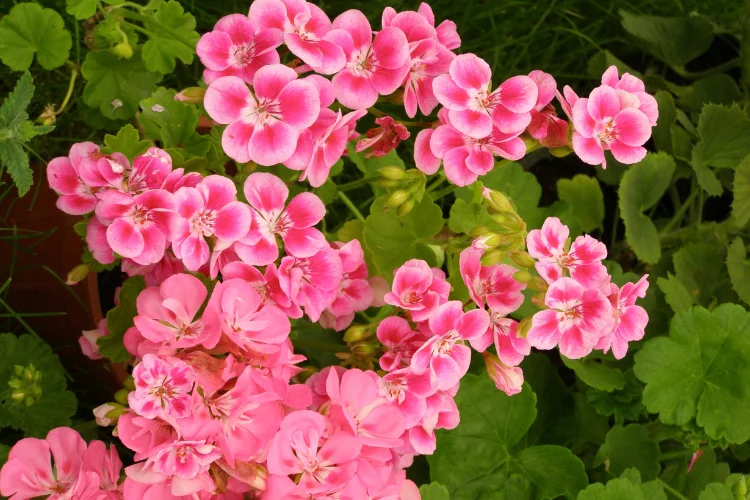
Don’t let the familiarity fool you: Geraniums are endlessly charming and incredibly versatile. The name covers both true Geraniums (cranesbills) and Pelargoniums, which are the classic window-box type most people picture: clusters of bright blooms in red, pink, salmon, white, or purple, often with interestingly patterned leaves. True cranesbill Geraniums are hardier perennials with a more delicate, open flower shape that sits beautifully in cottage gardens and borders.
Both types are among the most rewarding flowers beginning with G for anyone new to gardening. They’re tough, cheerful, and nearly impossible to ignore.
Care Tips:
- Full sun to partial shade suits both types well
- Allow the soil to dry slightly between waterings; Geraniums hate soggy roots
- Deadhead spent blooms regularly to encourage continuous flowering
- Pinch back leggy stems to keep plants compact and bushy
- Bring Pelargoniums indoors before the first frost if you want to overwinter them
Gerbera Daisy
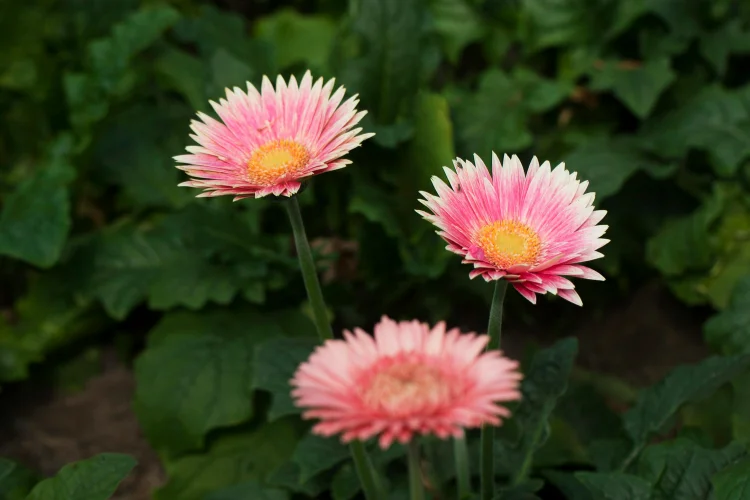
If happiness had a flower, it would be the Gerbera Daisy. Those oversized, perfectly symmetrical blooms in blazing shades of red, orange, yellow, pink, and cream are genuinely mood-lifting. They’re one of the most popular cut flowers in the world, and rightly so. Gerbera Daisies look stunning in bouquets, in patio containers, and tucked into sunny garden beds. What’s lovely about them is that they hold their colour beautifully in a vase, often lasting a week or more.
They’re an excellent choice if you’re building a collection of beautiful flowers starting with G that offer long-lasting visual impact.
Care Tips:
- Full sun (at least 6 hours) is essential for the best blooms
- Water at the base, not overhead; wet leaves can invite fungal problems
- Use well-draining, slightly acidic soil
- Feed every two weeks with a balanced liquid fertiliser during the growing season
- Remove spent flowers promptly to encourage new buds
Globe Thistle
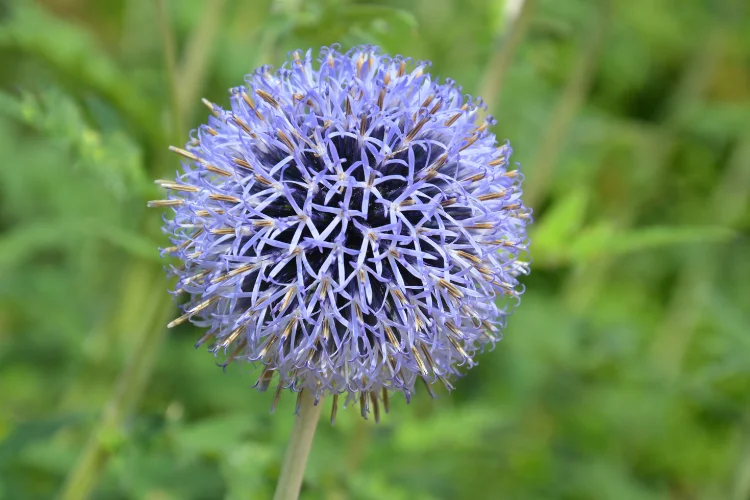
If you love flowers with an architectural edge, Globe Thistle (Echinops) will immediately win you over. Those perfectly spherical, steel-blue flower heads sitting atop silver-green stems look almost otherworldly, like something from a sci-fi film set in a meadow. They bloom in midsummer and are absolute magnets for bees and butterflies. Globe Thistle is also one of the best flowers for dried arrangements because the globe shape holds perfectly once dried.
It’s one of those types of G flowers that makes a garden feel genuinely designed rather than just planted.
Care Tips:
- Full sun and very well-draining soil; Globe Thistle is drought-tolerant once established
- Plant in poor to average soil; too much fertility leads to floppy stems
- Minimal watering once established; avoid overwatering
- Cut back after the first flush of blooms to encourage a second flowering
- Wear gloves when handling; the foliage is prickly
Goldenrod
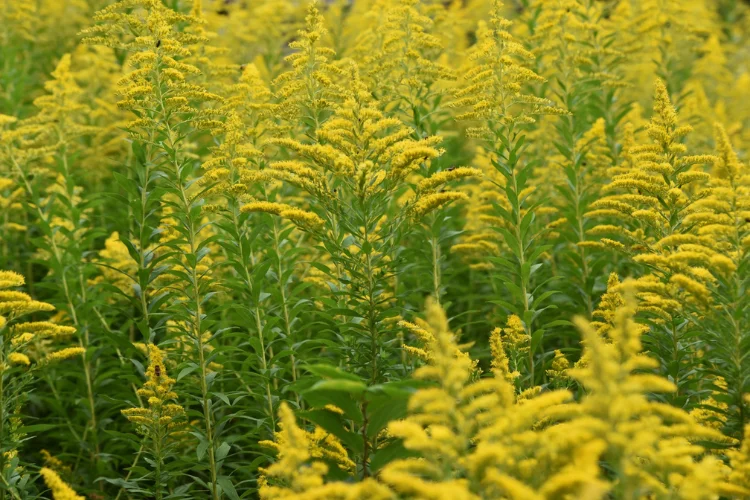
Goldenrod (Solidago) gets a bad reputation it simply doesn’t deserve. It’s often blamed for hay fever, but the real culprit is ragweed, which blooms at the same time. Goldenrod’s heavy pollen is carried by insects, not wind. Once you clear its name, you can appreciate it for what it truly is: a glorious late-season perennial covered in cascading plumes of golden yellow flowers that positively glow in the autumn garden.
It’s one of the most important G flowers for garden wildlife: pollinators absolutely love it, and the seeds feed birds well into winter.
Care Tips:
- Thrives in full sun and average, well-draining soil
- Very drought-tolerant once established; minimal watering needed
- Divide clumps every 2–3 years to prevent overcrowding
- Cut back in late autumn or early spring
- Avoid overly rich soils, which encourage lanky growth
Gypsophila (Baby’s Breath)
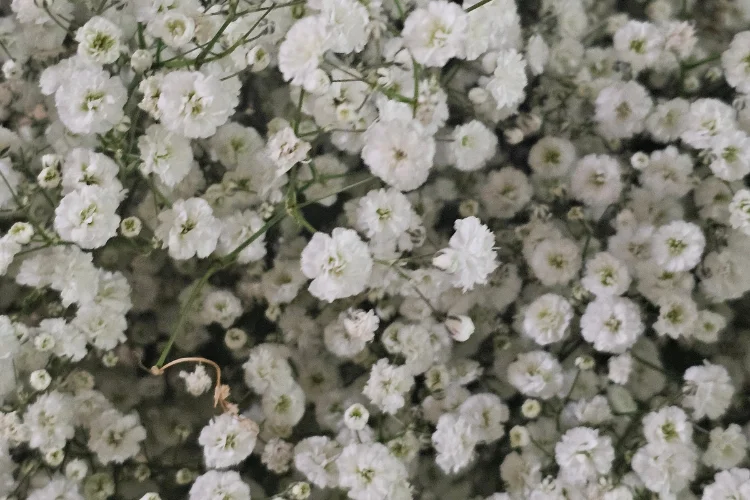
There’s something genuinely magical about Gypsophila, better known as Baby’s Breath. Those delicate clouds of tiny white (or pale pink) flowers look like they’ve been frosted directly onto the stems. In the garden, Gypsophila softens everything around it it’s the perfect filler plant that somehow ends up being the star. As a cut flower, it’s the classic companion to roses, but it also looks absolutely beautiful on its own, massed in a vase or woven through a bridal bouquet.
It earns its place on any flower names starting with G list for being both effortlessly beautiful and incredibly easy to grow.
Care Tips:
- Plant in full sun in alkaline to neutral, well-draining soil
- Water moderately; Gypsophila dislikes wet feet
- Shear back after the first flush of blooms to encourage a second wave
- Annual varieties can be direct-sown from seed in spring
- Perennial varieties benefit from staking in windy spots
Gazania
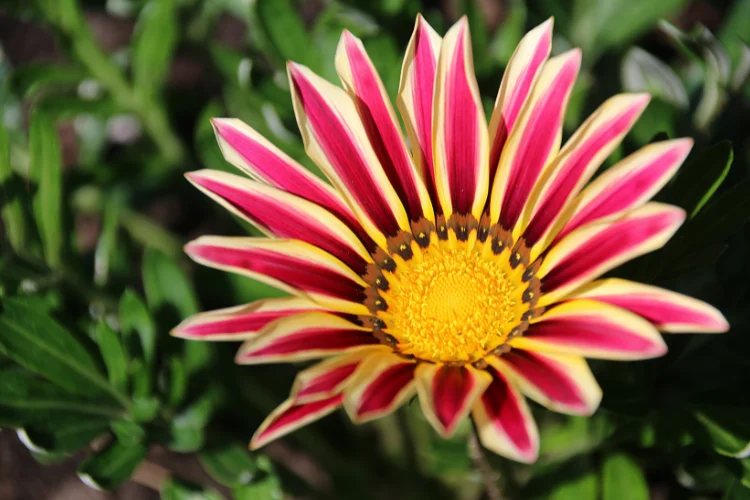
Gazania sometimes called the Treasure Flower is pure sunshine in plant form. The blooms are big, bold, and brilliantly coloured in shades of gold, orange, red, pink, and white, often with striped or contrasting patterns near the centre that make each flower look like a tiny mandala. They’re native to South Africa, which means they thrive in hot, dry conditions that would cause other flowers to sulk. Gazanias are excellent for G flowers for garden situations involving poor soil, steep banks, or dry borders.
Care Tips:
- Full sun is essential Gazanias actually close their blooms on cloudy days
- Sandy or gritty, very well-draining soil is ideal
- Water sparingly; overwatering is the quickest way to kill them
- Deadhead regularly to keep the display going all season
- In frost-prone areas, treat as annuals or take cuttings in late summer to overwinter indoors
Gaillardia (Blanket Flower)
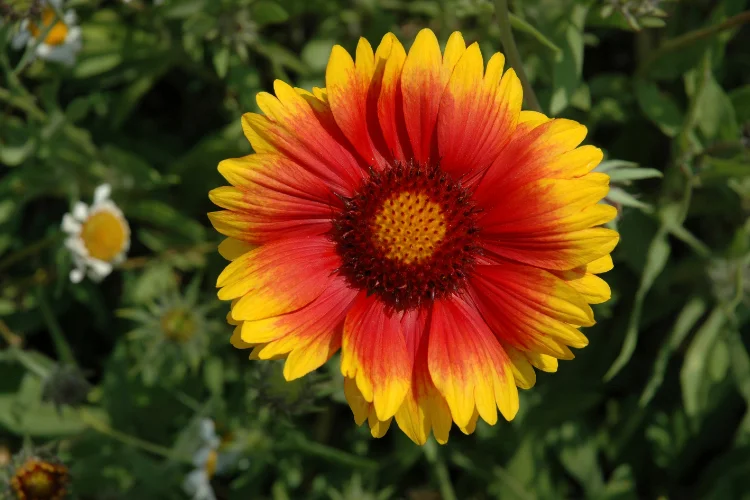
Gaillardia, or Blanket Flower, is one of those plants that simply refuses to stop blooming. From early summer right through to the first frosts, those daisy-like flowers in fiery combinations of red, orange, and yellow keep pumping out colour. The name “Blanket Flower” comes from its resemblance to the bold, warm-toned patterns used in Native American blankets and it’s a fitting name. Gaillardia is native to North America and is wonderfully tough, tolerating heat, drought, and poor soil like a champ.
It’s one of the most rewarding beautiful flowers starting with G for low-maintenance gardeners.
Care Tips:
- Full sun; Gaillardia struggles in shade
- Excellent drainage is critical; it rots quickly in wet soil
- Deadhead spent blooms to prolong flowering
- Cut back by about a third in midsummer for a fresh flush
- Short-lived perennial; divide every 2–3 years or allow to self-seed
Giant Allium
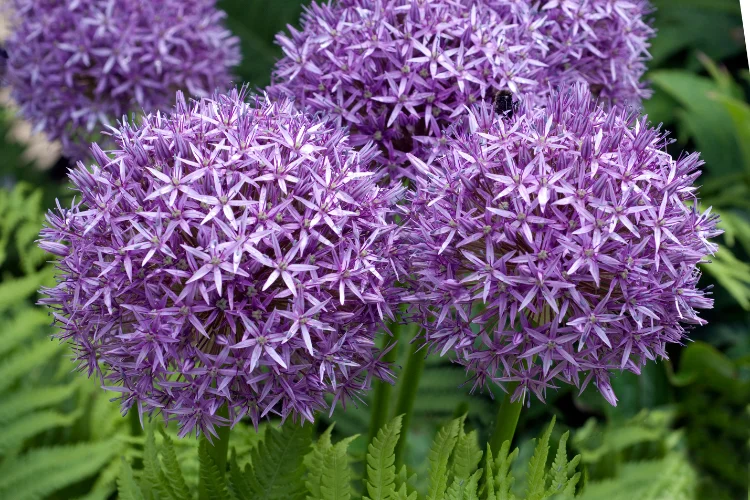
Save the most dramatic for last. Giant Allium (Allium giganteum) produces those iconic, perfectly round purple flower heads, up to 6 inches across, sitting at the top of tall, architectural stems. They bloom in late spring, bridging the gap between spring bulbs and summer perennials, and they bring an almost surreal sculptural quality to any garden. Even after the blooms fade, the dried seed heads remain beautiful for months, catching morning light like spun glass.
Giant Allium is hands-down one of the most striking flowers that start with G on this entire list.
Care Tips:
- Plant bulbs in autumn, pointed side up, at a depth of 3–4 times the bulb’s diameter
- Full sun and well-draining soil are essential
- Water during dry spells in spring but allow to dry out after flowering
- The foliage dies back before the flowers appear, so plant alongside leafy perennials to camouflage it
- Leave bulbs in the ground year-round in most climates; they’ll naturalise beautifully
Flowers That Start With G For Your Garden
Not all G flowers are created equal when it comes to where and how you’ll grow them. Here’s a quick guide to help you pick the right ones.
Best G Flowers for Beginners
If you’re new to gardening, these are your friends:
- Geranium: forgiving, cheerful, and almost impossible to kill
- Gaillardia: thrives on neglect and blooms for months
- Gladiolus: plant the corms and step back; they do the work
- Gypsophila: direct-sow from seed and watch it fill in beautifully
Best G Flowers for Indoors
A handful of G flowers make excellent houseplants or pot plants for a sunny windowsill:
- Gardenia: the ultimate indoor luxury plant (just keep the humidity up)
- Geranium (Pelargonium): a classic windowsill flower with near year-round colour
- Gerbera Daisy: bright and cheerful in a well-lit room; great for lifting your mood
Best G Flowers for Gifting
When you need flowers that say something meaningful, reach for:
- Gardenia: elegance and deep affection
- Gerbera Daisy: joy, warmth, and cheerfulness
- Gladiolus: strength, integrity, and infatuation
- Gypsophila (Baby’s Breath): innocence and everlasting love; wonderful filler in any bouquet
If you love dramatic garden flowers, our guide on Gothic Flowers covers the most stunning dark and mysterious blooms for your garden, perfect if you want to contrast your G flowers with something moody and bold.
Flowers That Start With G: Meanings and Symbolism
Flowers have carried meaning for centuries, and the G flower family is rich with symbolism:
- Gardenia: Secret love, purity, and refinement. Often given to express deep, unspoken affection.
- Gladiolus: Strength of character, faithfulness, and moral integrity. Also symbolises remembrance.
- Geranium: Friendship, happiness, and positive emotions. True Geraniums (cranesbills) also represent gentility.
- Gerbera Daisy: Cheerfulness, innocence, and loyal love. One of the happiest flowers you can give.
- Globe Thistle: Solitude and independence, but also healing and protection in folk traditions.
- Goldenrod: Encouragement, good fortune, and growth. A wonderful flower to give someone starting a new chapter.
- Gypsophila: Innocence, purity, and everlasting love. Essential in wedding floristry for this reason.
- Gazania: Wealth, appreciation, and looking on the bright side of life.
- Gaillardia: Warmth, exuberance, and a joyful spirit.
- Giant Allium: Patience, good luck, and unity. The round shape symbolises wholeness and togetherness.
How to Grow Flowers That Start With G
Whether you’re growing one G flower or all ten, the fundamentals are surprisingly consistent across the group.
General Care Tips
- Sun matters most. The majority of flowers that start with G prefer full sun, at least 6 hours of direct sunlight per day. Shade leads to leggy growth and fewer blooms.
- Drainage is non-negotiable. From Gazania to Giant Allium, most G flowers will rot in soggy soil. Raise beds, add grit, or choose well-draining spots.
- Don’t over-fertilise. Rich soil encourages leafy growth at the expense of blooms. Most G flowers prefer average, not overly fertile, conditions.
- Deadhead consistently. Removing spent flowers redirects the plant’s energy into producing new ones. It takes five minutes and makes an enormous difference.
- Water at the base. Overhead watering encourages fungal disease on many flowering plants. Use a watering can or drip irrigation where possible.
Common Mistakes to Avoid
- Overwatering. This is the number one killer of G flowers, particularly Gazania, Gaillardia, Gypsophila, and Globe Thistle. When in doubt, wait an extra day before watering.
- Planting too close together. Good air circulation prevents fungal problems. Check the recommended spacing on your plant label and stick to it.
- Skipping the autumn prep. Gladiolus corms and some Gardenia plants need to come indoors before frost. Don’t leave it too late.
- Ignoring pH for Gardenias. Gardenias are fussy about soil acidity. If leaves turn yellow despite plenty of light, test your soil pH and adjust accordingly.
- Deadheading Goldenrod. Actually, don’t deadhead Goldenrod if you want birds to feed on the seeds through autumn and winter. Leave those flower heads on the plant.
Frequently Asked Questions
The most popular are Gardenia, Gladiolus, Geranium, Gerbera Daisy, and Gypsophila (Baby’s Breath). These five appear regularly in gardens, florist shops, and wedding arrangements worldwide.
Geranium, Gaillardia, Goldenrod, and Gladiolus are all excellent choices for beginners. They’re tolerant, reliable, and rewarding without demanding a lot of technical skill.
Yes! Gardenia, Geranium (Pelargonium), and Gerbera Daisy all grow well indoors given enough light. Gardenias are the trickiest due to their humidity requirements, but worth the effort.
Globe Thistle, Goldenrod, Gaillardia, and Giant Allium are outstanding pollinator plants. Bees, butterflies, and hoverflies absolutely love them.
Yes, Gladiolus can cause mild toxicity in cats and dogs if ingested (particularly the corms). Gardenias are mildly toxic to pets too. If you have curious animals, keep these out of reach or choose pet-safe alternatives like Gypsophila or Goldenrod.
Final Thoughts: Time to Grow Your G Flower Garden
From the heady perfume of a Gardenia to the spiky blue globes of Echinops, flowers that start with G offer something for every gardener, every style, and every season. They’re bold and delicate, common and unusual, easy and rewarding, sometimes all at once.
The best part? You don’t need to grow all ten at once. Start with one or two that speak to you: maybe a pot of Geraniums on the windowsill, or a row of Gladiolus corms tucked into a sunny bed in spring. Then let your garden grow from there.
We hope this guide to flowers that start with G has given you genuine inspiration, not just information. For more plant guides, flower lists, and growing tips, explore everything we have at Plant Style Home, and we’d love to help you grow something beautiful.