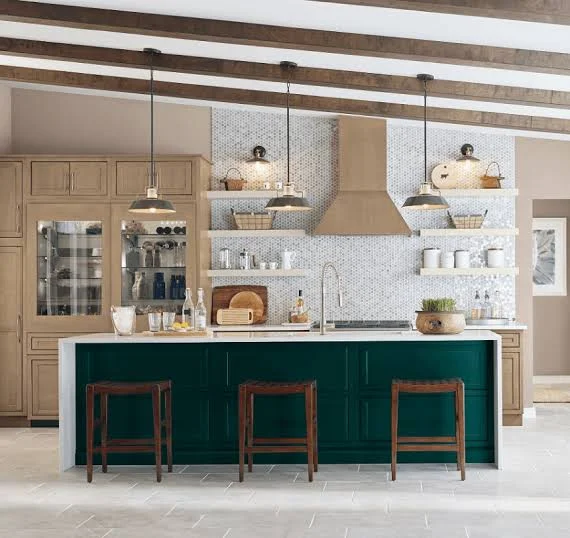
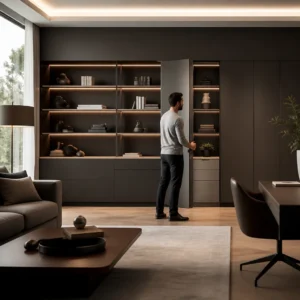
Modern living demands efficient use of space, yet many homeowners struggle with clutter that accumulates in closets, garages, and utility rooms. The difference between a chaotic environment and a serene sanctuary often comes down to implementing thoughtful organizational strategies. When every item has a designated place, daily routines become smoother, stress levels decrease, and homes feel more spacious regardless of actual square footage.
The foundation of any successful home organization project lies in understanding your specific needs and lifestyle patterns. A family with young children requires different storage solutions than empty nesters or urban professionals. Before investing in bins, shelving, or closet systems, assess which areas of your home cause the most frustration and where items tend to pile up most frequently.
The Psychology Behind Clutter and Organization
Research consistently shows that physical clutter correlates with elevated stress hormones and decreased productivity. When our surroundings feel chaotic, our minds mirror that disorder, making it harder to focus on tasks or relax after demanding days. Conversely, an organized environment promotes mental clarity and creates a sense of control over our personal spaces.
The emotional attachment we form with possessions often prevents effective decluttering. Items carry memories, represent aspirations, or symbolize investments we’re reluctant to abandon. Recognizing these psychological barriers is the first step toward developing a healthier relationship with material goods. Many organizational experts recommend the practice of mindful evaluation holding each item and genuinely assessing whether it serves a current purpose or brings authentic joy.
Closet Systems That Actually Work
Closets represent some of the most underutilized spaces in typical homes. Standard builder-grade closets feature a single rod and shelf, wasting valuable vertical space and failing to accommodate diverse storage needs. A closet transformed through Organized Living principles maximizes every dimension, incorporating adjustable shelving, specialized hanging areas, and designated zones for shoes, accessories, and seasonal items. When closets function efficiently, getting dressed becomes effortless rather than overwhelming.
The key to sustainable closet organization involves categorization and visibility. Grouping similar items together all short-sleeve shirts in one section, pants in another reduces decision fatigue and prevents the “I have nothing to wear” syndrome despite full closets. Clear storage containers allow you to identify contents at a glance, while drawer dividers prevent smaller items from becoming tangled messes.
Seasonal Rotation Strategies
Climate variations mean most wardrobes contain items inappropriate for current weather. Implementing a seasonal rotation system frees up prime closet real estate for frequently worn pieces while protecting off-season garments from dust and damage. Store winter coats during summer months and vice versa, using vacuum-sealed bags to compress bulky items and maximize storage capacity.
Label all storage containers clearly with contents and the season they’re intended for. This simple step eliminates frantic searching when temperatures shift unexpectedly. Consider photographing container contents before sealing them, attaching printed images to container exteriors for instant visual reference.
Budget-Friendly Organization Tactics
Professional closet installations and custom cabinetry deliver impressive results but carry substantial price tags. Fortunately, numerous affordable closet organization ideas achieve similar functionality without straining household budgets. Tension rods create additional hanging space, over-door organizers capture wasted vertical area, and repurposed furniture pieces like bookshelves or dressers can be adapted for storage purposes.
Thrift stores and discount retailers stock organizational supplies at fraction-of-retail prices. Baskets, bins, and drawer organizers need not match perfectly to function effectively. A cohesive color scheme unifies mismatched pieces, creating visual harmony without requiring expensive matching sets. Paint or contact paper can refresh tired storage furniture, giving outdated pieces new life at minimal cost.
DIY Shelving Projects
Basic carpentry skills open possibilities for custom shelving tailored to specific dimensions and needs. Simple floating shelves require minimal materials boards, brackets, screws yet provide substantial storage capacity for books, decorative items, or frequently used supplies. Wall-mounted pegboards offer infinitely adjustable organization for tools, craft supplies, or kitchen utensils.
For those lacking carpentry confidence, professional handyman services in Queens and other metropolitan areas provide affordable installation assistance. These professionals efficiently mount shelving systems, ensuring proper weight distribution and secure attachment to wall studs. Their expertise prevents costly mistakes and potential wall damage from improper installation attempts.
Maintaining Organization Long-Term
Initial organization represents only half the challenge sustaining those systems requires ongoing commitment and realistic habits. The “one in, one out” rule prevents gradual accumulation: for every new item entering your home, one similar item should exit. This principle maintains equilibrium and forces conscious evaluation of purchases.
Schedule brief daily maintenance sessions rather than allowing disorder to accumulate. Spending ten minutes each evening returning items to designated locations prevents weekend-consuming organizational marathons. Involve all household members in maintenance responsibilities, ensuring everyone understands where items belong and why maintaining order benefits the entire family.
Quarterly Decluttering Reviews
Even well-organized spaces require periodic evaluation. Set quarterly reminders to assess whether current systems still serve their intended purposes or need adjustment. Life circumstances change children grow, hobbies evolve, work situations shift and organizational systems should adapt accordingly. These reviews also identify items that have outlived their usefulness and can be donated or discarded.
During these assessments, be honest about items you’ve been storing “just in case.” If you haven’t used something in twelve months despite having easy access to it, you likely never will. Release these items guilt-free, knowing they might benefit someone else more than they benefit you gathering dust.
Creating Functional Living Spaces
Organization extends beyond closets into every room of your home. Kitchen pantries benefit from clear containers and tiered shelving that prevent items from disappearing into dark corners. Bathroom cabinets function better with drawer dividers separating toiletries by category. Home offices require filing systems that balance accessibility with space efficiency.
Consider traffic patterns and frequency of use when designing organizational systems. Items used daily deserve prime real estate at eye level and within easy reach. Rarely needed items can be stored higher, lower, or in less accessible locations. This strategic placement reduces physical strain and streamlines daily routines.
Conclusion
Transforming cluttered spaces into organized sanctuaries requires intentional effort, but the rewards reduced stress, increased efficiency, and enhanced quality of life justify the investment. Whether implementing comprehensive closet systems or adopting simple daily habits, every step toward organization improves your living environment. Start with one manageable area, experience the benefits, then expand your efforts throughout your home. The journey toward organized living is ongoing, but each improvement compounds, creating spaces that truly support the life you want to live.