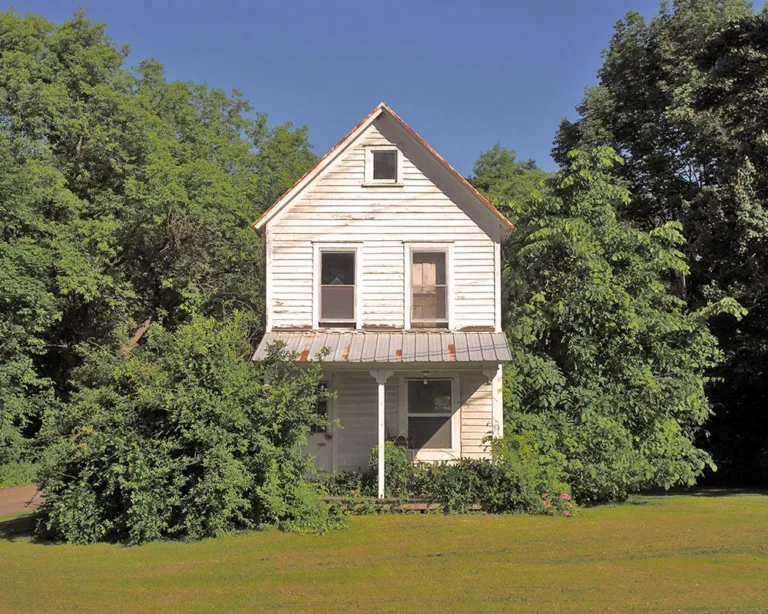

Imagine a prospect drives past, sees peeling paint and a cracked sign, and never calls. Deep down, you know why they walked away.
This happens more often than most owners think. Multiple consumer surveys and market research studies confirm that ninety-five percent of shoppers say a store’s exterior matters when they choose where to shop. The same first impression applies to people looking for office or retail space. They decide in seconds, long before they see the inside.
The good news is that you don’t need a full renovation for these old commercial buildings. A few well-chosen updates can change how the whole property looks and feels. Some cost very little. Others need more planning but pay off for years.
Here are ways to make your old commercial property more attractive and win over shoppers and tenants alike.
1. A Fresh Coat of Paint
Paint gives you the biggest change for the least money. A fresh color hides years of fading, stains, and weather damage in a matter of days. It also makes the building look newer than it is.
However, for a large commercial building, it is better to hire professional commercial painting services for a lasting result.
Professionals know how to prep surfaces, repair cracks, and pick coatings that hold up outdoors. They can also work around business hours, so your tenants aren’t dealing with fumes or scaffolding during their busiest times.
Color choice matters too. Soft neutrals like warm grey, stone and off-white look current and suit most buildings. Add one bolder accent on the doors or trim to give the place some personality. You can also test a few sample patches and check them in morning sun and evening light.
2. Artwork on Blank Walls
An empty wall of your commercial building can be more inviting than you think. You can transform its worn appearance by adding artwork. Reliable exterior painting services can clean, patch, and prime the surface before the artist begins. They may also apply a protective coating to the finished work to help protect it from sun and rain. With proper preparation and care, the artwork can maintain its appearance for years.
For example, a mural can turn a plain wall into a landmark. It gives people something to photograph, share, and talk about. Local artists are often happy to take on a wall, and many price it fairly because the project builds their portfolio.
Choose a blank wall facing the street or parking area. Ask artists to share past work, then agree on a theme that fits your tenants and the neighborhood.
3. Budget-friendly Landscaping
Bare soil, dead grass, and overgrown shrubs make a commercial building look neglected. Many shoppers and customers pay close attention to a store’s exterior appearance. Research shows that 95% of shoppers say a store’s exterior appearance matters when deciding where to shop.
Also, new customers increased after stores remodeled and upgraded their appearance.
Therefore, native grasses, hardy shrubs, and ground covers are great choices to refresh your building’s look. Gravel beds, mulch, and stone edging also reduce weeds and cut the time your crew spends on upkeep. For example, a strip of mulch and ornamental grass along the front wall takes only a few hours to install and looks tidy all year.
Drip irrigation is worth a look as well. It delivers water straight to the roots, lowering your water bill and keeping plants healthy. Avoid tall hedges near windows and entrances, because dense screens can make a building feel closed off.
4. Customer-friendly Amenities
Amenities give people a reason to choose your building over a newer one. Think about what your tenants and visitors would actually use. For instance, a shaded seating area gives staff a place to take lunch breaks. Bike racks and an EV charging point suit people who commute in different ways. In common areas and reception lounges, updating soft furnishings and utilizing specialized reupholstery services from Bespoke Furniture of Cheshire offers commercial property managers an efficient way to elevate worn interiors without structural overhauls.
A small courtyard with tables can also work as a spot for tenant events. Ask your tenants what they want before you spend anything. A short survey shows you which upgrades will be used daily and which will sit empty. Start with one or two, then add more as the budget allows.
5. Revamp Your Signage
Signs are often the first thing visitors read. Cracked panels, faded letters, and dead bulbs send the wrong message about everything inside. Research states that about two-thirds of consumers (68%) believe a store’s signage reflects the quality of what it sells, and just over half (52%) are less willing to enter a store with misspelled or poorly made signs.
Clean, readable signs make the building easier to find. Use large lettering, strong contrast between the text and the background, and a simple layout. Lighting matters as well. LED-lit signs stay visible after dark and use less power than older neon or fluorescent types. This saves energy while making the building easier to spot at night.
6. Add Some Greenery
Landscaping covers the ground around the building. Plants add life to spaces near the door.
Large planters on both sides of the entrance make a welcoming first step. Window boxes, hanging baskets, and potted trees near seating areas soften hard concrete and brick.
Choose sturdy plants such as snake plants, lavender, or small evergreens that handle heat and need little care. Inside, a few plants in the lobby carry the same look through the entrance. For example, a pair of tall planters beside a reception desk can make a plain lobby feel more finished. Set up a simple watering schedule or hire a plant service so nothing wilts.
7. Modernize the Fixtures
Over time, old fixtures can undo fresh paint. Rusted door handles, yellowed light covers, and dated railings draw attention straight to the building’s age.
You can revive the look with lighting. Swap old exterior lights for LED fixtures in a warm, even tone. They look sharper, last longer, and cost less to run. Then look at door hardware, house numbers, mailboxes, handrails, and bins. Matching black or bronze finishes can pull a mixed set of fixtures into one clean look.
Safety is part of this too. Brighter paths and entrances help people feel secure after dark. Replace any broken or flickering lights first, then upgrade the rest as your budget allows.
Final Thoughts
Refreshing an older building doesn’t mean tearing it down or starting over. A mix of paint, plants, better signs, and updated fixtures can change how the whole property is seen.
Tenants and customers pay close attention to how a space looks and feels. Buildings that make an effort will keep standing out as more properties compete for the same people. So start with the upgrades that deliver the most value for money, then build from there. Small steps add up faster than most owners expect.