
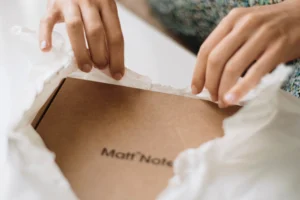
Books seem robust enough, but shipping them can prove quite difficult. Covers can get scratched, corners bent, and the free space within the packaging can make books move during shipping. The publisher, bookstore, author, subscription brand, and retailer need to go beyond just packing the book.
The ideal Custom Book Boxes should not only protect the book but create a good first impression when the customer unboxes their order.
It is crucial to find the optimal balance of all those criteria. Here is what you need to consider before choosing the packaging for your book.
Start With the Book’s Exact Dimensions
The first step is simple: measure the book.
Consider its:
- Length and width
- Thickness
- Weight
- Cover type
- Number of books per shipment
- Additional items included with the order
A paperback novel requires a different structure from a large coffee-table book or a hardcover collector’s edition.
Avoid choosing an oversized box simply because it can accommodate multiple book sizes. Excess space allows products to move during shipping and may require additional protective material.
Think About How the Book Will Be Shipped
The shipping journey should influence the box design from the beginning. Packages can be stacked, handled repeatedly, transported over long distances, and exposed to pressure from other shipments. A box that looks excellent on a retail shelf may not provide enough protection for direct-to-consumer delivery.
Think about where your books are going and how they will be handled. For regular e-commerce orders, lightweight corrugated or sturdy paperboard structures may be practical. For premium editions, gift sets, or collector’s books, a more substantial construction may make sense.
Choose the Right Material
Material selection affects protection, weight, appearance, and shipping costs.
Corrugated Material
Corrugated packaging is useful when books need additional protection during transportation. Its layered construction provides strength while remaining relatively lightweight.
It is particularly practical for heavier books, multiple-book shipments, and e-commerce orders.
Paperboard
Paperboard can work well for lighter books and presentation-oriented packaging. It offers a smooth surface for printing and can be customized with different finishes.
Rigid Construction
Rigid packaging creates a more substantial presentation and is often associated with premium products. It can be suitable for limited editions, luxury publications, special releases, and giftable books.
The important point is that there is no universal material for every book. The right choice depends on the product and shipping conditions.
Decide Whether You Need an Insert
Not every book shipment needs an internal insert. A single lightweight paperback may sit securely inside a well-sized mailer without one. A premium hardcover, boxed collection, or book-and-gift combination may benefit from additional internal support.
Inserts can:
- Keep books centered
- Separate multiple products
- Reduce movement
- Hold promotional materials
- Create a cleaner unboxing experience
The insert should serve a purpose rather than simply taking up space.
Use Printing to Build Recognition
Packaging is also a branding opportunity. With thoughtful packaging box printing, brands can turn a plain shipping container into an extension of their visual identity.
The exterior might feature a logo, book title, author name, illustration, or recognizable brand pattern. The interior can carry a message, artwork, publishing details, or a thank-you note.
Printing does not need to cover every available surface. Strategic placement can often create a stronger visual result than excessive graphics.
Think About Storage and Fulfillment
If your business ships hundreds or thousands of books, packaging also needs to work operationally.
Ask:
- Can boxes be stored efficiently?
- Are they easy to assemble?
- Can warehouse staff pack them quickly?
- Do they require additional tape?
- Can different book sizes use the same basic packaging system?
- Will the finished package fit standard shipping requirements?
A beautiful package that slows down fulfillment can create unnecessary operational costs.
Packaging should work for the warehouse just as well as it works for the customer.
Use Finishes Carefully
Finishing techniques can add visual and tactile interest to book packaging.
Depending on the material and budget, options may include:
- Matte or gloss coating
- Spot UV
- Foil accents
- Embossing
- Debossing
- Textured finishes
These details are particularly useful for premium editions and gift-oriented books. However, finishes should support the design rather than compete with the book itself. A simple package with one carefully chosen accent can look more refined than a box overloaded with effects.
The Right Box Balances Protection and Presentation
Book packaging has two jobs that need to work together: getting the product to its destination safely and making the customer feel good about receiving it. The best approach depends on the book, shipping method, budget, fulfillment process, and brand identity.
A carefully sized structure can reduce movement. Appropriate materials can improve durability. Internal support can protect vulnerable areas. Meanwhile, smart design and packaging box printing can turn an ordinary delivery into a branded experience. When all of these elements are considered together, Custom Book Boxes become more than shipping containers. They become a practical part of the product experience, helping books arrive in good condition while giving readers another reason to remember the brand behind them.