

Buying a home in Karen involves more than finding the right number of bedrooms. Two houses described as being in the same area may offer very different journeys, surroundings and maintenance responsibilities. A detached house with a generous garden may suit one household, while a home in a managed compound may suit another. Photographs can show finishes, but they cannot tell you whether the road is easy to use in rain, whether the rooms stay comfortable or whether the documents match the property. This guide helps you compare actual homes in Karen through their location, daily function, condition and ownership records.
Property rules and transaction procedures can change. Confirm current requirements with the relevant Kenyan authority and an independent qualified property lawyer before committing to a purchase.
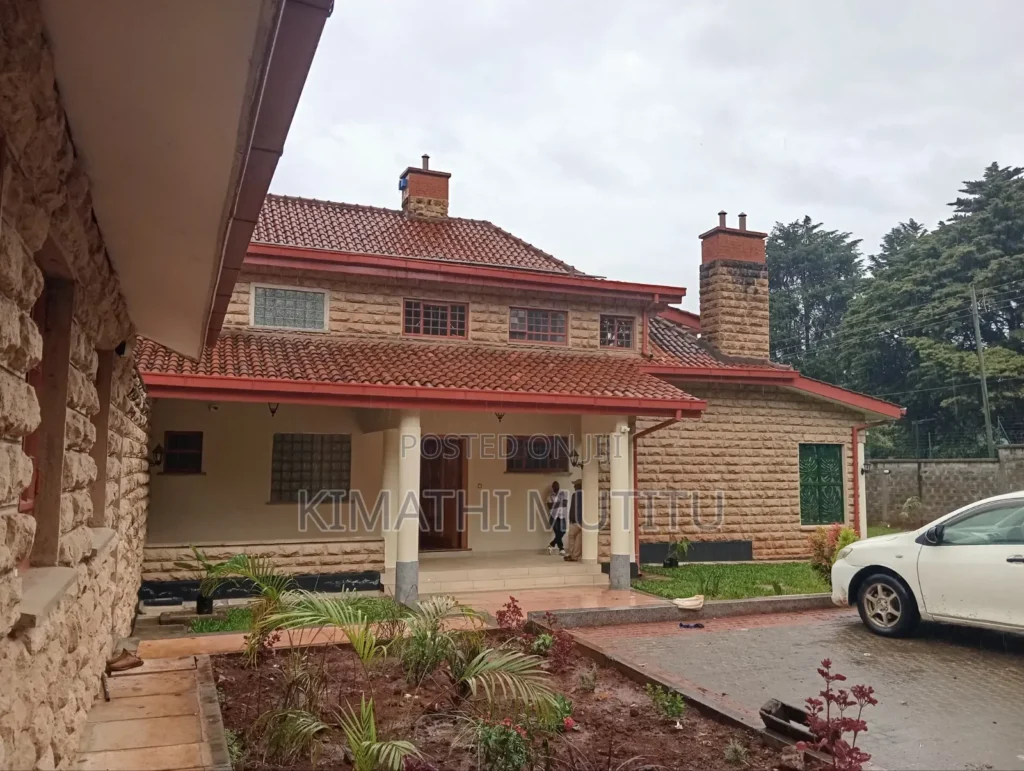
Set your priorities before choosing a street
Begin with the journeys that happen every week. Map the routes to work, school, relatives and essential services, then test them at realistic travel times. A shorter distance on a map can still be inconvenient if access roads are slow or difficult. Consider who uses the house during the day and what they need nearby. If several people travel in different directions, a good location for one person may create a daily burden for the others.
Next list the features you genuinely need: perhaps a ground-floor bedroom, quiet workspace, garden, parking or room for guests. Separate these from things that simply look appealing in an advert. Decide how much maintenance you are willing to manage yourself and what you would prefer a compound or estate to handle. Those choices will help you compare different property types fairly.
Reviewing houses for sale in Karen can give you a shortlist of houses, maisonettes and villas with different layouts and settings. The category may also include other residential property, so read each listing rather than assuming the label guarantees a detached house. Ask for the precise location, floor plan, plot details and what fixtures are included before arranging a viewing.
Visit the neighbourhood, not just the gate
Walk the approach to each property. Look at the road surface, drainage, lighting, pedestrian access and the ease of turning into the entrance. Visit at more than one time of day if possible. A quiet midday viewing may not show school traffic, evening activity or noise from neighbouring uses. Notice how close other buildings are and whether the privacy promised in the description exists from the garden and main rooms.
Ask about nearby development plans through appropriate local channels and observe vacant plots around the house. No seller can guarantee that a view or quiet setting will remain unchanged. Think about the practical side of visitors, deliveries and emergency access as well as your own commute. A home should work during ordinary weeks, not only during a relaxed weekend viewing.
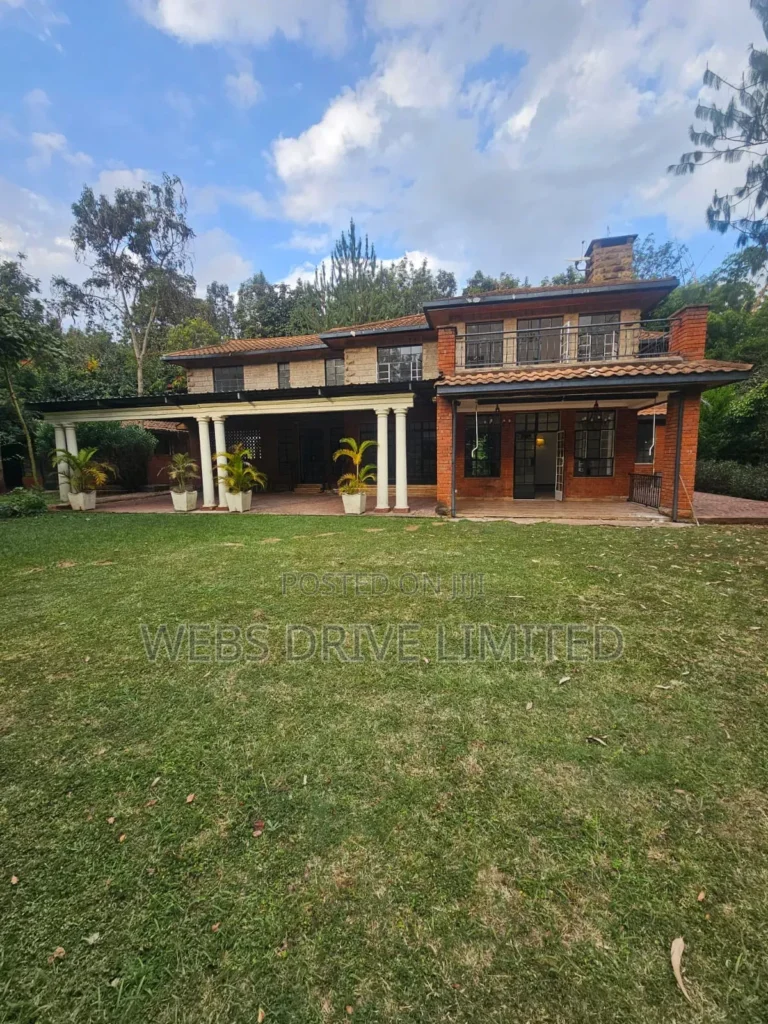
Compare detached homes and managed compounds
A detached home may offer more control over the building and grounds, but it also places more upkeep on the owner. Check the condition of boundary walls, gates, gardens, driveways and outbuildings. Ask who maintains any shared access road or common infrastructure. A large plot is an advantage when you will use it; otherwise it may become a recurring obligation that adds little to daily life.
A house in a managed compound may offer shared services or a more structured maintenance arrangement. Request the written rules, service charge details and a clear account of what the charge covers. Find out who makes decisions about repairs and how disputes are handled. Check whether parking, outdoor changes, pets or visitors are subject to rules that would affect your household. The value of a compound depends on how well its arrangements match the way you want to live.
Walk through an ordinary day inside the house
During a viewing, move from parking to the entrance, from kitchen to dining space and from bedrooms to bathrooms. Observe the number and position of stairs. Check whether the rooms can hold your furniture without blocking doors or windows. A house may have many bedrooms but too little storage, poor circulation or a kitchen far from the places where people usually eat. Ask to see all rooms, including those described as storage, staff accommodation or utility space.
Notice light and ventilation at different sides of the building. Open windows and doors with permission, and consider whether privacy screens or neighbouring walls restrict airflow. Look for dampness, particularly in bathrooms, cupboards and rooms used less often. If someone in the household may need easier access in future, examine entrances, door widths, steps and whether a bedroom and bathroom can be used without climbing stairs.
Inspect the fabric and working systems
Fresh paint and attractive fittings can coexist with expensive problems. Look for cracks, water stains, uneven floors and doors that do not close properly. Ask about roof repairs, drainage work and any alterations to the original structure. An independent building inspector or engineer can assess concerns that a casual viewing cannot settle. Request records for major work and verify that extensions or conversions have the approvals required for the property.
Test taps, showers, toilets, lights and ventilation. Ask how water is supplied and stored, how power interruptions are handled and who maintains any backup system. Have electrical or mechanical installations checked by suitable professionals when they are central to your decision. Where a property has a pool or other specialist feature, include its condition and maintenance needs in the inspection. The cost of a system is not limited to fixing it once.
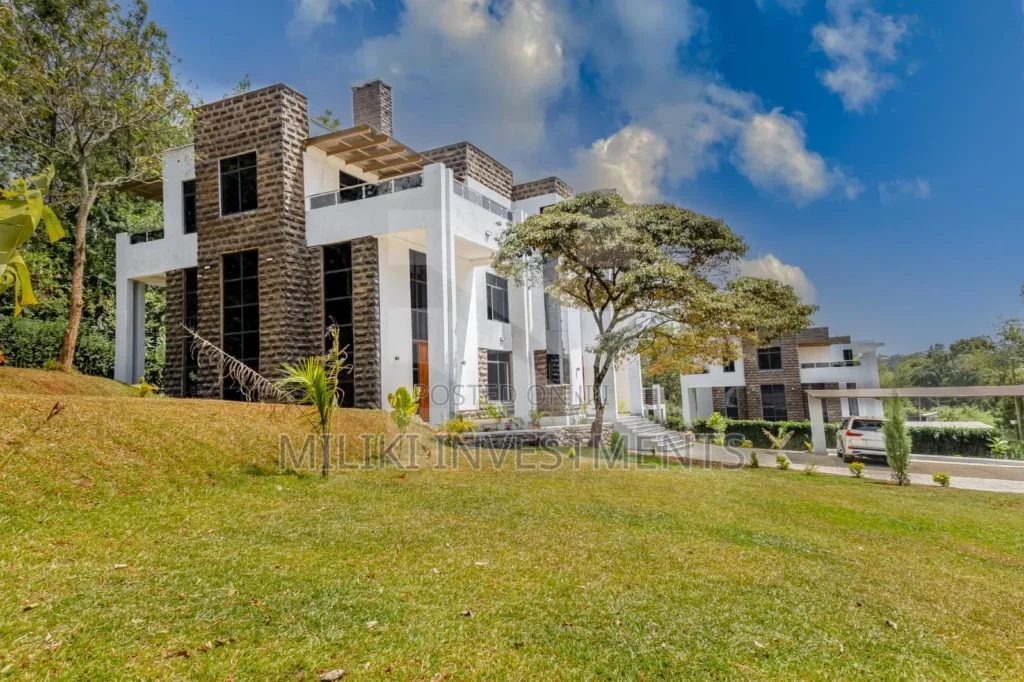
Consider the grounds and outdoor use
A garden can be a valuable extension of the living area, but evaluate its actual usability. Is there level space for the activities you want? Does water collect near the house? Are large trees close to the roof, drains or boundary walls? Walk the edges of the plot and check how rainwater leaves it. A dry visit cannot settle every question, so ask neighbours, an inspector or a drainage professional when you see warning signs.
Check that fencing, gates and outdoor lighting operate reliably. If the listing mentions a separate guest room or staff quarters, inspect them for safety, ventilation and suitable facilities. Confirm whether those structures are reflected in the property documents and whether their use fits your plans. Avoid treating extra buildings as a bonus until their condition and status are clear.
Work out the complete ownership cost
Compare more than asking prices. Include immediate repairs, planned improvements, insurance, utilities, security, gardening and any estate charge in your assessment. Ask for service records and recent bills where available, while recognising that your own usage may differ. A property that costs less to buy can demand substantial work before it is comfortable. Obtain independent estimates for known issues rather than accepting a rough assurance that a repair is simple.
Leave room in the budget for unexpected findings after moving in. Think about how easy it will be to maintain the home’s roof, exterior surfaces and special equipment over time. If you expect to change the layout, ask a qualified professional whether the structure allows it and whether approvals would be required. Paying for rooms you will rarely use is also a cost, even when nothing is broken.
Verify title, boundaries and the proposed sale
Have an independent lawyer arrange an official land search and review the seller’s authority, title and any registered interests. The State Department for Lands describes the official search certificate as a way to verify ownership and encumbrances. A survey professional can help compare the registered boundaries with the physical plot. Check access rights, building approvals and any rules affecting a compound property. Resolve inconsistencies before making a binding commitment.
Put agreed fixtures, repairs and included items in writing. Verify the identity of the person receiving payment and use a documented transaction process advised by your lawyer. A final walkthrough before completion should confirm that the house remains in the agreed condition. If you cannot inspect essential documents or the seller resists independent checks, pause rather than relying on assurances from the listing.
Use the same questions for every candidate
- Location: Does the route work at the times your household travels?
- Layout: Can the rooms support daily life and future accessibility needs?
- Condition: What would an independent inspector repair first?
- Grounds: Are drainage, boundaries and outdoor upkeep manageable?
- Terms: Do official records, estate rules and the sale agreement match what was shown?
After each viewing, write down both strengths and unresolved questions. Revisit the most promising homes with an adviser rather than trying to remember details from photographs. A consistent comparison makes it easier to recognise a property that fits your life even if another has more dramatic finishes.
The bottom line
The right house in Karen is the one whose location, layout and upkeep fit your household, with condition and ownership supported by independent checks. Visit the area at realistic times, inspect the entire property and verify title and boundaries through official records and qualified professionals. A clear understanding of daily use will serve you better than an attractive headline description.