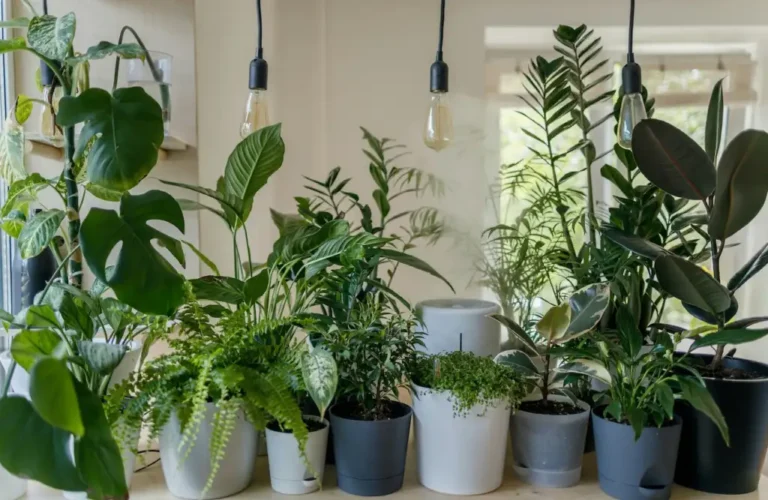

If you love plants, you are probably always looking for ways to bring more of that natural, earthy feeling into your home. Pots on the windowsill are wonderful, but there is only so much shelf space to go around. So here is a thought that might make your eyes light up. Have you ever thought about dyeing your own fabrics with colors from the garden?
Onion skins, flower petals and even tree bark can turn a plain cotton cushion cover into something that feels like it grew right alongside your houseplants. It is one of the most tactile, satisfying ways I know to keep the plant love going.
The colors hiding in your garden
The range of colors is honestly the part that gets me. Those papery onion skins you usually toss out give glowing yellows and golds, and chamomile, goldenrod and St John’s wort do something similar with their own personality. Blackberries, raspberries and hollyhock petals lean toward soft pinks and mauves. Red cabbage is a fun one too, though it is a bit of a diva and fades faster than most.
Nettles, bracken and tansy can coax out gentle greens. Then you get the cozy neutrals: walnut husks, tea, coffee and oak galls all give browns, tans and warm taupes. Tea towels the color of your morning cuppa? Yes, really.
Why dyed fabric suits a plant-filled home
Here is what I love most. Naturally dyed cloth is never perfectly even, and no two pieces come out exactly alike. A little blotch here, a softer patch there. In a home full of plants, which are never identical either, that imperfection feels right.
The palette plays nicely with greenery too. Ochre, blush, sage, mushroom and bark tones sit beautifully beside leafy plants, wood and woven baskets. Cushions, throws, placemats, napkins and even yarn for knitting are all fair game.
There is something really special about a cushion that is the exact shade of the eucalyptus in your living room, because it basically came from the same kind of plant.
Don’t overlook bark
If I could nudge you toward one underrated material, it would be tree bark. It gives gorgeous warm tans, rich browns and rusty earth tones that are hard to get any other way, and they look right at home next to a fiddle leaf fig or a trailing pothos.
Bark has a long history in dyeing as well. People have been simmering it into cloth colors for centuries, so you would be joining a very old tradition. If you want to try it, natural botanical bark for dyeing projects can be found at mhrbusa.com, a US-based shop that stocks it for exactly this kind of craft.
Starting small (really small)
Good news: you do not need a lot of gear. A large pot that you will only use for dyeing and never for food, some water, a mordant and your dye material will get you going. A mordant is just a helper that makes the color stick, and alum is the most beginner-friendly one.
Natural fibers take dye best, so reach for wool, cotton, linen or silk. Polyester will not play along. For a first project, think small. A tea towel, a skein of yarn or a plain cotton tote bag is plenty.
Expect a few surprises, too. The shade you get is rarely the one you pictured, and that is part of the charm. Wash dyed pieces gently and keep them out of harsh sun to help the colors last.
The first time you pull a piece of fabric out of the dye bath and see that it has actually worked, that the plant gave up its color to your cloth, it is a genuinely satisfying moment. You might even do a little happy dance in the kitchen. I won’t tell.
A home with a story
A home that reflects a love of the natural world is not just about pots and prints. It is about the textures, the colors and the stories behind the things you choose to live with.
A napkin dyed with onion skins from last night’s dinner or a throw colored by bark carries a little of that story with it. So the next time you are tending your plants, take a look around the garden and the kitchen compost with fresh eyes. Your next favorite color might be growing right there, waiting for you.