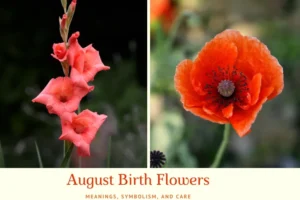
If you or someone you love was born in August, you are connected to two of the most striking and symbol-rich blooms in the floral calendar. The August birth flowers are the gladiolus and the poppy, a duo that blends bold drama with delicate charm. Whether you are looking to gift a meaningful bouquet, grow these flowers in your garden, or simply learn more about the blooms that represent your birth month, this guide covers everything you need to know. From color varieties and growing tips to history, symbolism, and gift ideas, let’s explore what makes these August birth flowers so special.
What Are the August Birth Flowers?
Each month of the year is associated with one or more birth flowers, much like birthstones. These floral connections have roots in ancient Roman, Victorian, and folk traditions, where flowers were used to convey emotions, values, and wishes.
August has two birth flowers:
- The gladiolus is the primary August birth flower, celebrated for its tall, dramatic spikes and vibrant color range.
- The poppy is the secondary August birth flower, admired for its papery petals and layers of meaning across cultures.
Together, these two blooms represent the spirit of August beautifully: warm, intense, full of life, and deeply symbolic. Whether you prefer the stately elegance of the gladiolus or the wild, windswept beauty of the poppy, there is an August birth flower that speaks to every personality.
Gladiolus: August’s Primary Birth Flower
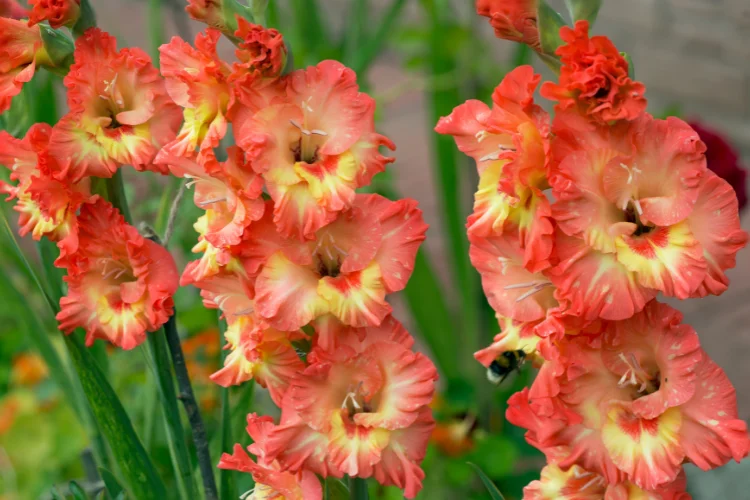
Gladiolus Meaning and Symbolism
The gladiolus takes its name from the Latin word gladius, meaning sword, a nod to its long, pointed leaves. This floral “sword” has come to symbolize strength of character, moral integrity, and sincerity. In the Victorian language of flowers, giving someone a gladiolus meant “you pierce my heart,” making it a deeply romantic gesture.
Today, the gladiolus birth flower meaning extends to:
- Strength and resilience: the flower stands tall even in strong winds
- Honor and loyalty: a popular choice for commemorating achievements
- Sincerity: expressing genuine admiration or affection
- Remembrance: often used at memorials and tribute ceremonies
Fun fact: In ancient Rome, gladiators were sometimes showered with gladiolus flowers after a victorious battle, cementing the bloom’s association with strength and triumph.
Gladiolus Colors and Varieties
One of the most exciting things about the gladiolus birth flower is the extraordinary range of colors available. Modern hybridization has produced over 250 species and thousands of cultivars, meaning you can find a gladiolus to suit virtually any taste or occasion.
Popular gladiolus colors and their meanings:
- Red: passion, love, and deep respect
- White: purity, innocence, and new beginnings
- Pink: compassion, gentleness, and admiration
- Purple: grace, elegance, and dignity
- Yellow: positivity, friendship, and warmth
- Orange: enthusiasm, energy, and creativity
- Salmon/Coral: desire and devotion
Notable varieties include ‘Priscilla’ (white with pink edges), ‘Black Star’ (deep burgundy), and ‘Traderhorn’ (vivid red), each beloved by gardeners and florists alike.
How to Grow Gladiolus
Growing gladiolus from corms (bulb-like structures) is surprisingly straightforward, making them a rewarding choice for beginner and experienced gardeners alike.
Step-by-step growing guide:
- Choose a sunny spot: gladioli need at least 6 to 8 hours of full sun per day.
- Plant after the last frost: typically from mid-spring onward, once soil temperatures reach around 60°F (15°C).
- Plant corms 4 inches deep and about 6 inches apart, pointed end up.
- Stagger your plantings every two weeks for continuous blooms through summer.
- Water regularly: about 1 inch of water per week, especially during dry spells.
- Use stakes or cages to support tall stems in windy areas.
In colder climates (USDA zones 7 and below), dig up corms after the first frost and store them in a cool, dry place over winter.
Gladiolus Care Tips
Once planted, gladioli are fairly low-maintenance, but a little extra attention goes a long way.
- Fertilize lightly with a balanced fertilizer when plants reach 10 inches tall, and again when the first flower bud appears.
- Remove spent blooms to encourage the remaining buds on the spike to open.
- Watch for thrips, tiny insects that can cause streaking on petals. Treat with insecticidal soap if needed.
- Cut stems in the morning when using for arrangements, just as the lowest bud on the spike is starting to open. They will continue to bloom in the vase over the following week.
Fun fact: A single gladiolus spike can carry up to 20 individual florets, all opening from the bottom up over about a week, making it one of the longest-lasting cut flowers you can grow.
Poppy: August’s Secondary Birth Flower
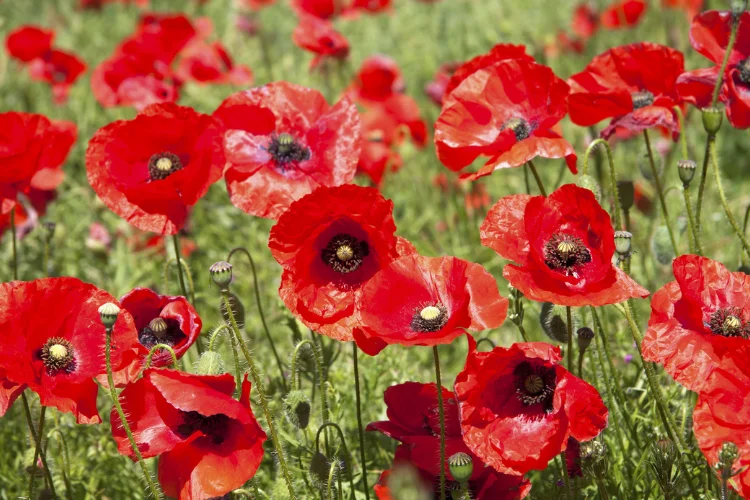
Poppy Meaning and Symbolism
Few flowers carry as much cultural and emotional weight as the poppy. As the secondary birth flower for August, the poppy is layered with meaning across centuries and civilizations.
Key symbolic meanings of the poppy:
- Remembrance and consolation: especially the red poppy, famously associated with honoring fallen soldiers since World War I
- Rest, peace, and sleep: in Greek mythology, poppies were associated with Hypnos, the god of sleep, and Morpheus, the god of dreams
- Imagination and creativity: the poppy’s vivid colors and delicate beauty have inspired poets and artists for centuries
- Eternal life and resurrection: in ancient Egyptian culture, poppies were placed in tombs as symbols of eternal sleep and rebirth
- Success and luxury: in some traditions, a red poppy given as a gift signals confidence in the recipient’s success
The poppy birth flower meaning is particularly meaningful for August-born individuals, who are often associated with warmth, creativity, and a deep sense of loyalty.
Poppy Colors and Types
Like the gladiolus, poppies come in a wonderful range of species and colors, each carrying its own nuance of meaning.
Common poppy types:
- Oriental Poppy (Papaver orientale): large, flamboyant blooms in red, orange, pink, or white; a summer garden showstopper
- Iceland Poppy (Papaver nudicaule): delicate, cup-shaped flowers in pastel shades; popular as cut flowers
- Corn Poppy (Papaver rhoeas): the classic red field poppy associated with remembrance
- California Poppy (Eschscholzia californica): technically a different genus but often called a poppy; bright orange and easy to grow
- Shirley Poppy: a cultivated variety of the corn poppy in shades of pink, red, white, and bicolor
Color symbolism at a glance:
- Red: love, passion, and remembrance
- White: peace and purity
- Purple: success and luxury
- Pink: feminine energy and romance
- Yellow: wealth and achievement
Fun fact: The poppy is one of the fastest-germinating wildflowers. Seeds can lie dormant in the soil for decades and spring to life when the ground is disturbed, which is why poppies so dramatically covered the battlefields of Flanders after World War I.
How to Grow Poppies
Poppies are wonderfully rewarding to grow, and many varieties thrive with minimal fuss.
Tips for growing poppies successfully:
- Sow seeds directly where they are to grow, as poppies dislike being transplanted since their taproots are fragile.
- Choose a sunny, well-drained spot, as most poppies do not like sitting in waterlogged soil.
- Scatter seeds thinly over prepared soil in early spring (or autumn for a head start), and press gently. Do not bury them, as they need light to germinate.
- Thin seedlings to about 6 to 12 inches apart once they are a few inches tall.
- Water during dry periods, but avoid overwatering once established.
- Allow some plants to self-seed at the end of the season for a natural, naturalized display the following year.
Oriental poppies die back after flowering but will reappear from their roots the following spring. Annual varieties like the Shirley poppy will need to be resown each year.
August Birth Flowers in History and Culture
The gladiolus and the poppy have both played fascinating roles in human history and culture far beyond the garden.
The gladiolus was prized by the ancient Romans not only for its association with gladiators but also as a medicinal plant. The corms were ground and mixed with goat’s milk and used to treat minor ailments. During the Victorian era, the flower became a staple of elaborate floral arrangements and was prized for its ability to convey layered messages through the language of flowers.
The poppy has one of the richest cultural histories of any flower on Earth. In ancient Mesopotamia, the poppy was known as the “joy plant” and was used ceremonially. In Greek and Roman mythology, it was sacred to Demeter, the goddess of the harvest, who is often depicted holding poppies as a symbol of the cycle of life and death. In modern times, the red poppy has become a globally recognized symbol of remembrance for those who lost their lives in armed conflict, a tradition that began after Lieutenant Colonel John McCrae’s poem “In Flanders Fields” was published in 1915.
Both flowers have appeared repeatedly in art, literature, and architecture, from ancient Egyptian tomb paintings and medieval tapestries to the works of Claude Monet, whose famous poppy field paintings remain some of the most beloved impressionist works in existence.
August Birth Flowers as Gifts
If you are shopping for someone born in August, a gift incorporating their birth flowers is always a thoughtful and personal choice. The August birth flowers translate beautifully into a wide range of gift ideas.
Gift ideas featuring gladiolus and poppy:
- Fresh flower bouquets: a mixed gladiolus arrangement in the recipient’s favorite color makes a dramatic, heartfelt statement for birthdays, anniversaries, or congratulations
- Potted plants: a potted poppy plant offers a lasting, living gift that the recipient can enjoy in their garden or on a balcony
- Pressed flower art: framed pressed gladiolus or poppy petals make elegant, botanical wall art
- Jewelry: look for pendants, earrings, or rings featuring gladiolus or poppy motifs in gold, silver, or enamel
- Personalized birth flower prints: illustrated botanical prints with the recipient’s birth month and flower are a popular and affordable keepsake
- Seed kits: gift a curated seed kit with a mix of poppy and gladiolus corms so the recipient can grow their own birth flowers
- Scented candles or bath products: many artisan brands offer poppy-scented collections with beautiful floral packaging
For a meaningful personal touch, pair the gift with a card that shares the symbolism behind the flowers: the strength and sincerity of the gladiolus, or the remembrance and imagination of the poppy.
If you are exploring more birth flower gift ideas by month, take a look at our guide to July birth flowers and our detailed feature on the December birth flower for more seasonal inspiration. You can also browse all of our flower guides for in-depth growing and gifting advice.
August Birth Flowers for Garden and Home Decor
The August birth flowers are not just meaningful gifts. They are also stunning additions to any garden or home interior.
In the garden:
Gladioli are natural focal points. Plant them in bold clusters of 10 or more at the back of a border, where their tall spikes create dramatic vertical interest. Pair them with lower-growing summer flowers like zinnias, marigolds, or dahlias for a layered, cottage-garden look.
Poppies work beautifully in wildflower meadow plantings or naturalistic borders. Mixed with cornflowers, ox-eye daisies, and grasses, they create a breezy, romantic aesthetic that attracts pollinators and brings movement to the garden.
For home decor:
- Cut gladioli last up to two weeks in a vase with clean water changed every couple of days, making them one of the best value cut flowers available
- Dried gladiolus can be pressed or air-dried and used in botanical wreaths, wall hangings, or shadow box frames
- Poppy seed heads are architectural and beautiful when dried, making them a popular addition to autumnal wreaths and dried flower arrangements
- Poppy motifs appear frequently in vintage and Scandinavian-inspired homewares. Look for poppy-printed textiles, ceramics, and wallpapers to bring the flower into your interiors year-round
Frequently Asked Questions
The two August birth flowers are the gladiolus (primary) and the poppy (secondary). Both flowers have rich histories, striking appearances, and layers of symbolic meaning that make them perfect representatives of this vibrant summer month.
The gladiolus birth flower symbolizes strength, integrity, and sincerity. It is also associated with honor, remembrance, and the idea of “piercing the heart,” making it a meaningful choice for romantic and commemorative occasions alike.
That depends on the message you want to send. Red symbolizes passion, pink represents admiration and gentleness, white conveys purity and new beginnings, and yellow expresses friendship and warmth. Any color makes a beautiful and thoughtful August birthday gift.
Yes! Gladioli can be grown successfully in large, deep containers (at least 12 inches deep) on a sunny patio or balcony. Poppies also grow well in containers, especially smaller varieties like Iceland poppies, as long as the container has good drainage and receives plenty of sunlight.
Annual poppies, such as the Shirley poppy and corn poppy, are among the easiest flowers to grow from seed. Simply scatter seeds onto prepared soil in spring, water gently, and thin the seedlings when they appear. They require very little ongoing care and are exceptionally rewarding.
Conclusion
The August birth flowers, the gladiolus and the poppy, are two of the most beautiful, meaningful, and historically rich blooms in the floral world. Whether you are drawn to the stately elegance of the gladiolus with its message of strength and sincerity, or the dreamy, layered symbolism of the poppy with its connections to remembrance and imagination, both flowers offer something genuinely special.
Growing them in your garden, gifting them to a loved one, or simply learning about their stories is a wonderful way to celebrate the month of August and the people born within it. If you found this guide helpful, explore our wider collection of flower guides for more seasonal inspiration, and share this article with anyone who loves the beautiful, sun-drenched world of August birth flowers.