March babies are the harbingers of spring, arriving right as the earth wakes up from winter and bursts into color again. If you were born in March, your birth flowers are the daffodil and the jonquil, two sunny blooms that feel like nature’s own welcome party. There is nothing quite like sharing a birth month with the very first flowers of the year.
While most months get one official birth flower, March gets two. That’s not a coincidence. The daffodil and jonquil both bloom right as winter loosens its grip, and together they capture everything spring stands for: hope, renewal, and the quiet joy of something new beginning. If you’re a March baby, consider yourself lucky. Your flowers practically announce that better days are here.
In this guide, we’ll walk through everything worth knowing about March birth flowers, from their meanings and mythology to how you can grow them yourself or find the perfect spring birthday gift.
At Plant Style Home, we celebrate every birth month with beautiful dedicated flower guides and inspiration, and March might just be our favorite one to write about.
What Are the March Birth Flowers?
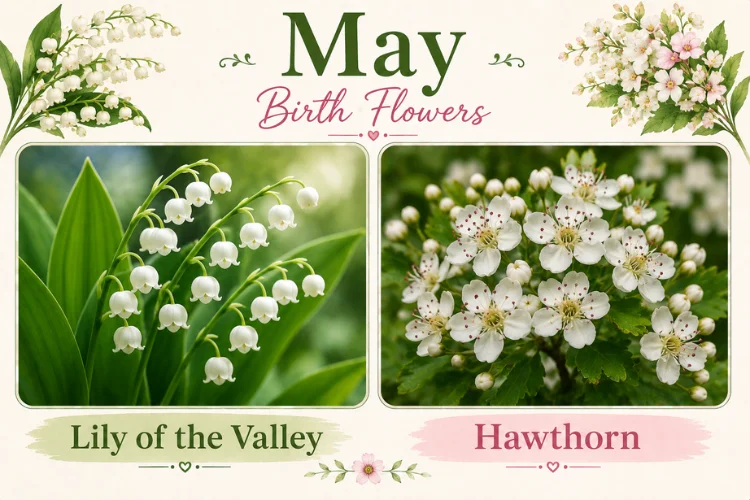
March birth flowers are the daffodil and the jonquil, two members of the Narcissus family that bloom in early spring across gardens, meadows, and roadsides.
The daffodil is considered the primary March birth flower, recognized by its trumpet-shaped center and cheerful yellow petals. The jonquil is its smaller, sweeter cousin, known for clustered blooms and an unmistakable fragrance.
Why does March have two flowers instead of one? Part of the answer is tradition. Different regions historically claimed different blooms as March symbols, and rather than pick a winner, the modern birth flower calendar simply kept both. The other part is timing. Daffodils and jonquils tend to bloom in overlapping windows in early spring, so it made sense to pair them.
Spring officially begins in March, and these two flowers are often the very first color gardeners see after a gray winter. That arrival timing is exactly why they became linked to the month.
The tradition of birth flowers itself stretches back centuries, likely rooted in ancient Roman customs of associating flowers with specific times of year, later formalized during the Victorian era when flowers were used to express emotions and identity. By the time birth flower charts became popular in the 1900s, March had already claimed daffodils and jonquils as its own.
Daffodil: March’s Primary Birth Flower
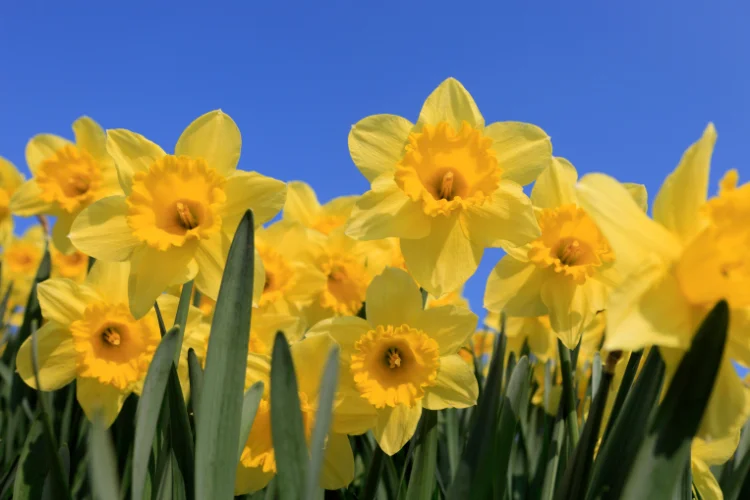
Daffodil Appearance and Varieties
Daffodils are instantly recognizable for their trumpet-shaped center, called a corona, surrounded by six petal-like segments. Most people picture a classic yellow daffodil, but the variety within this flower family is genuinely surprising.
You’ll find:
- Trumpet daffodils with a long, prominent center cup
- Miniature daffodils, compact versions perfect for small gardens or pots
- Double daffodils, with ruffled, layered petals that look almost peony-like
- White and cream daffodils with soft, pale coronas
- Bicolor daffodils mixing yellow, orange, and white in a single bloom
Each variety brings its own personality, but they all share that same trumpet silhouette that says spring has arrived.
Daffodil Meaning and Symbolism
The daffodil’s meaning centers on new beginnings, rebirth, and hope. It makes sense given how the flower emerges just as winter fades, often pushing up through the last patches of snow.
Daffodils are also tied to good luck and prosperity in many cultures. In China, a blooming daffodil around the Lunar New Year is considered a sign of fortune for the year ahead. In Wales, the daffodil holds an even bigger role: it’s the country’s national flower, worn proudly on St. David’s Day every March 1st.
Given all this symbolism, it’s easy to see why the daffodil suits March so well. Both the flower and the month represent a fresh start.
Daffodil History and Origins
The daffodil’s story begins in Greek mythology, with the tale of Narcissus, a beautiful young man who became so entranced by his own reflection in a pool of water that he wasted away staring at it. The flower that grew where he sat became known as narcissus, the daffodil’s botanical name.
The Welsh connection runs deep too. Daffodils have symbolized Wales for generations, appearing on everything from rugby jerseys to national celebrations.
Literature lovers will also recognize the daffodil from William Wordsworth’s famous poem describing a “host of golden daffodils” dancing in the breeze, a piece so beloved it helped cement the flower’s romantic, joyful reputation in English-speaking culture.
A fun fact worth sharing: daffodils are actually toxic if eaten, which is exactly why deer and rabbits tend to leave them alone in the garden, a small mercy for anyone tired of wildlife nibbling their flower beds.
How to Grow Daffodils
Daffodils are famously easy to grow, which makes them a favorite for beginner gardeners and March babies who want to plant something meaningful.
- Plant bulbs in early autumn, about 6-8 weeks before the ground freezes
- Bury bulbs 6 inches deep, pointed end facing up
- Choose a spot with full sun to partial shade
- Water well after planting, then let nature take over through winter
- Allow foliage to yellow and die back naturally after blooming, since this feeds next year’s bulb
- For naturalizing, scatter bulbs and plant them where they land for a wild, effortless look
- Daffodils also grow beautifully in containers, making them perfect for patios or apartment balconies
Once established, daffodils will return year after year with almost no effort, multiplying into bigger, showier clusters over time.
If you’re drawn to their sunny yellow color, our complete guide on Flowers That Start With D covers even more beautiful blooms worth exploring.
Daffodil as a March Gift
A bouquet of daffodils makes one of the most joyful spring birthday gifts you can give. Their bright color and cheerful shape practically guarantee a smile.
Gift ideas include:
- A simple bunch of fresh-cut daffodils tied with twine
- A potted daffodil bulb the recipient can replant and enjoy for years
- A mixed spring bouquet combining daffodils with tulips or hyacinths
- A daffodil-themed card or gift tag referencing the March birth flower meaning
In Welsh tradition, gifting daffodils on St. David’s Day is considered a gesture of pride and good fortune, a lovely sentiment to borrow for any March birthday.
Jonquil: March’s Secondary Birth Flower
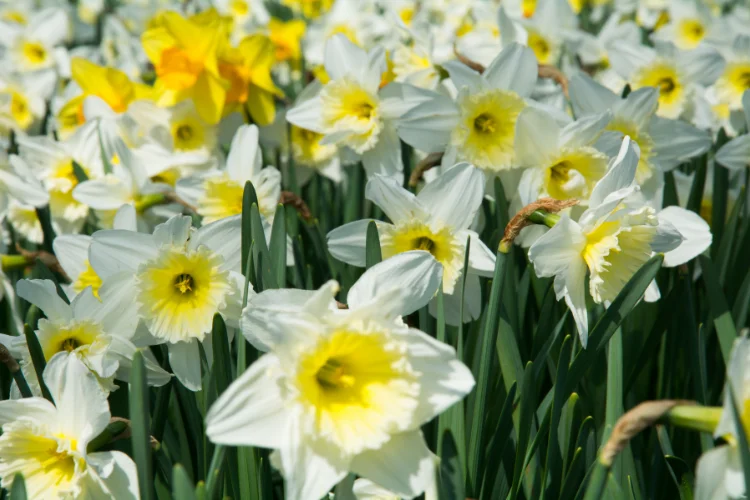
Jonquil Appearance and Colors
Jonquils are technically a type of Narcissus, closely related to daffodils but noticeably different in a few key ways. Their blooms are smaller, their stems are rounder and rush-like, and they grow in clusters of several flowers per stem rather than one large bloom.
Most jonquils appear in soft yellow or golden tones, sometimes with a paler cup at the center. What really sets them apart, though, is their scent. Jonquils carry an intensely sweet fragrance that fills an entire garden or room, far stronger than the more subtle daffodil.
Jonquil Meaning and Symbolism
The jonquil’s meaning leans romantic. It’s associated with desire, affection, and the return of affection, making it a popular choice for expressing feelings between close friends or loved ones.
There’s also a layer of sympathy and remembrance tied to jonquils in some traditions, often given as a gesture of comfort. Much of this symbolism traces back to the flower’s powerful fragrance, historically linked to emotion and memory.
Jonquil vs Daffodil
People mix these two up constantly, and honestly, it’s understandable since they belong to the same plant family.
Here’s the simple breakdown:
- Size: Daffodils have larger, single blooms. Jonquils are smaller and grow in clusters.
- Fragrance: Jonquils are noticeably more fragrant than daffodils.
- Leaves: Daffodil leaves are flat, while jonquil leaves are rounded and rush-like.
- Bloom count: A daffodil stem usually holds one flower. A jonquil stem can hold three to six.
If you’re standing in a garden trying to tell them apart, follow your nose first. That fragrance is the easiest giveaway.
How to Grow Jonquils
Jonquils share many growing habits with daffodils but reward a bit of extra planning around placement.
- Plant bulbs in fall, roughly 4-6 inches deep
- Choose a sunny spot near a walkway or window, since the fragrance is meant to be enjoyed up close
- Water moderately, avoiding soggy soil
- Group bulbs in clusters of 8-10 for the fullest fragrant effect
- Deadhead spent blooms to keep energy focused on the bulb
Because their scent is so strong, jonquils work beautifully planted near patios, front doors, or bedroom windows where the fragrance can drift indoors.
Jonquil as a March Gift
Jonquils make a wonderfully fragrant birthday bouquet, especially for someone who loves scented flowers over purely visual ones.
Consider pairing jonquils with daffodils in a single arrangement to represent both March birth flowers at once, a meaningful nod to the full spirit of the month. They also suit meaningful, sentimental occasions, since their symbolism of affection makes them a heartfelt choice beyond just birthdays.
March Birth Flowers by Zodiac Sign
March spans two zodiac signs, and interestingly, each pairs naturally with one of the birth flowers.
Pisces (March 1-20) aligns beautifully with the daffodil. Pisces are known for their dreamy, imaginative nature, and the daffodil’s soft trumpet shape and gentle symbolism of hope mirror that same emotional depth.
Aries (March 21-31) pairs well with the jonquil. Aries energy is bold, passionate, and direct, matching the jonquil’s intense fragrance and its symbolism of desire and strong affection.
Whether your March birthday falls under dreamy Pisces or fiery Aries, there’s a flower here that captures your personality perfectly.
March Birth Flower Colors and Their Meanings
Color adds another layer of meaning to March birth flowers. Here’s what each shade represents:
- Yellow daffodil: happiness and joy
- White daffodil: purity and hope
- Orange daffodil: energy and warmth
- Pink daffodil: romance
- Yellow jonquil: affection
- White jonquil: sweet desire
Choosing a color isn’t just decorative. Picking a shade that matches the message you want to send turns a simple bouquet into something far more personal.
Best March Birth Flower Gift Ideas
Finding the perfect spring birthday gift doesn’t have to be complicated. These are some of the most thoughtful ways to celebrate a March birthday with birth flowers in mind.
- Spring daffodil bouquet: A classic bunch of fresh daffodils, simple and joyful
- Potted daffodil arrangement: A living gift that keeps blooming year after year
- Daffodil birth flower jewelry: Necklaces, earrings, or bracelets featuring daffodil charms
- DIY pressed daffodil craft: Pressed flowers framed or turned into bookmarks and cards
- Combined spring birthday basket: A mix of daffodils, jonquils, and other spring blooms for a full sensory gift
Handmade and living gifts tend to mean the most, since they last far longer than a store-bought card and carry the sentiment of the birth flower itself.
Growing March Birth Flowers in Your Garden
If you want to bring the spirit of March birth flowers into your own backyard, a little planning in fall pays off beautifully come spring.
- Naturalizing daffodils in lawn areas creates a wild, effortless meadow look, especially under trees or along fence lines
- Fragrant jonquil borders near patios or entryways let you enjoy their scent daily
- Forcing bulbs indoors lets you enjoy blooms in late winter, even before outdoor flowers appear, a nice trick for March birthdays that fall early in the month
- Spring container combinations pairing daffodils, jonquils, and pansies create a colorful, layered display on porches or balconies
Once planted, both flowers are low maintenance and reliably return each year, growing a little fuller with every passing spring.
March truly signals the return of color to the landscape, and if you love that seasonal shift, our guide on Trees With Pink Flowers is a great next stop for more spring blossom inspiration.
Frequently Ask Questios: March Birth Flowers
March has two official birth flowers: the daffodil and the jonquil. The daffodil is considered primary, while the jonquil serves as its fragrant companion.
Daffodils have larger, single blooms with flat leaves, while jonquils are smaller, grow in fragrant clusters, and have rounded leaves.
Daffodils symbolize new beginnings, rebirth, hope, and good luck, fitting given their early spring bloom time.
Daffodils and jonquils typically bloom in early to mid-spring, often between late February and April depending on climate.
Plant bulbs in fall about 6 inches deep in a sunny spot, water after planting, and let them naturalize over the following years for fuller blooms each season.
A Fresh Start, Just Like March Babies
March birth flowers capture something special about being born in this month. The daffodil and jonquil aren’t just pretty blooms, they’re symbols of hope, renewal, and the kind of fresh start that only spring can bring.
The perfect spring birthday gift doesn’t need to be complicated. Sometimes a simple bunch of daffodils, still holding onto that first-bloom energy, says everything.
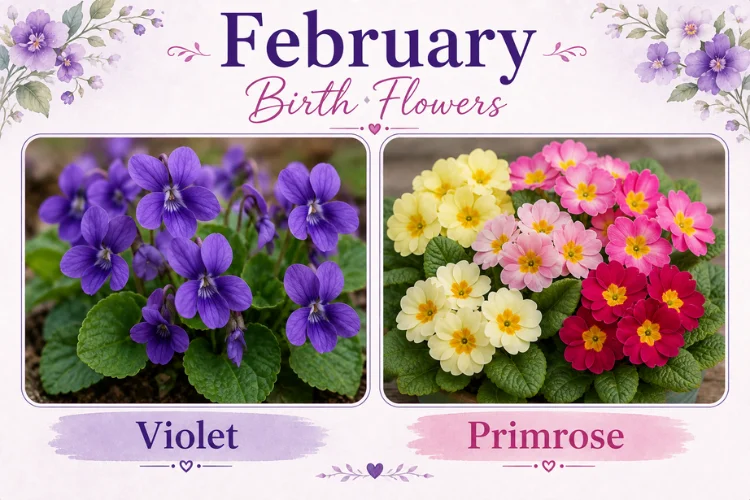
If you enjoyed this guide, explore the full birth flower series, including our guide on February Birth Flowers, covering violet and primrose meanings along with Valentine’s gift ideas. And for more seasonal flower inspiration all year round, discover the story behind every birth month.