The first time I planted a bed of tulips, I honestly didn’t expect much. I stuck the bulbs in the ground on a chilly afternoon, forgot about them all winter, and then one April morning I walked outside to a riot of red and yellow that stopped me in my tracks. That’s the thing about flowers that start with T. They tend to sneak up on you with color, drama, and a little bit of personality you didn’t see coming.
From the elegant curves of a tiger lily to the sweet, almost intoxicating perfume of tuberose, T flowers cover an incredible range of shapes, scents, and growing conditions. Some are cottage garden classics. Others are wild, whimsical, or downright exotic.
At Plant Style Home, we are passionate about helping you discover and grow beautiful flowers from A to Z, and this guide is your complete roundup of flowers beginning with T. Whether you’re a total beginner or a seasoned gardener looking to fill a gap in your border, you’ll find something here worth planting.
Most Beautiful Flowers That Start With T
Before we dig into the details, here’s a quick snapshot of all the T flowers we’re covering, so you can see at a glance what might work for your garden.
| Flower Name | Color | Season | Difficulty Level |
|---|---|---|---|
| Tulip | Red, yellow, pink, purple, white | Spring | Easy |
| Tuberose | White, cream | Summer to fall | Moderate |
| Tickseed (Coreopsis) | Yellow, orange, red | Summer to fall | Easy |
| Toadflax (Linaria) | Purple, yellow, pink, white | Spring to summer | Easy |
| Trillium | White, pink, red, maroon | Spring | Moderate |
| Tiger Lily | Orange with black spots | Summer | Easy to moderate |
| Tweedia | Sky blue | Summer to fall | Moderate |
| Tritoma (Red Hot Poker) | Red, orange, yellow | Summer | Easy |
| Tithonia (Mexican Sunflower) | Orange, red | Summer to frost | Easy |
| Torenia (Wishbone Flower) | Purple, blue, pink, white | Summer to fall | Easy |
This table alone is proof of just how diverse flower names starting with T really are. You’ve got shade lovers, full-sun fanatics, delicate woodland natives, and bold architectural bloomers all sharing the same letter.
Flowers That Start With T: Detailed Descriptions
Now let’s get into what actually makes each of these flowers special, because a table only tells you so much. Here’s the personality behind each bloom.
Tulip
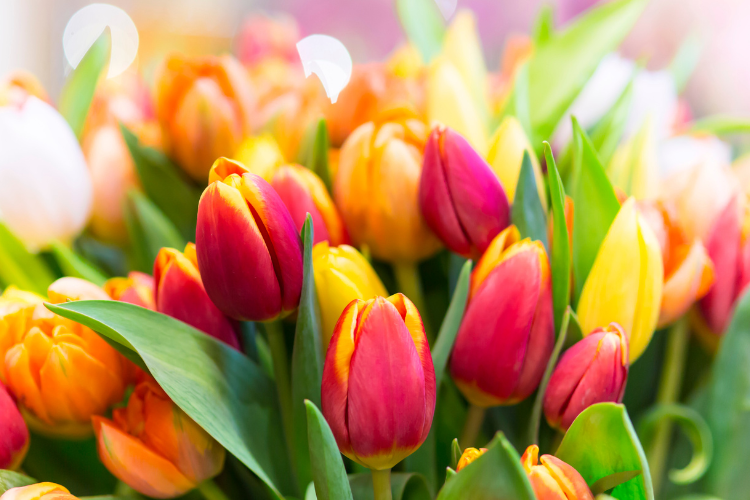
Tulips are the flower most people picture first when they think of spring gardens, and for good reason. Their smooth, cup-shaped petals sit atop a single sturdy stem, opening wide on sunny days and closing back up at night like they’re tucking themselves in.
They come in nearly every color except true blue, including deep purples, fiery reds, soft pastels, and even ruffled or striped varieties that look hand-painted.
Care tips:
- Plant bulbs in fall, about 6-8 inches deep, before the ground freezes
- Choose a spot with full sun and well-draining soil
- Water after planting, then let winter do the rest
- Deadhead after blooming but leave the foliage until it yellows naturally
Tuberose
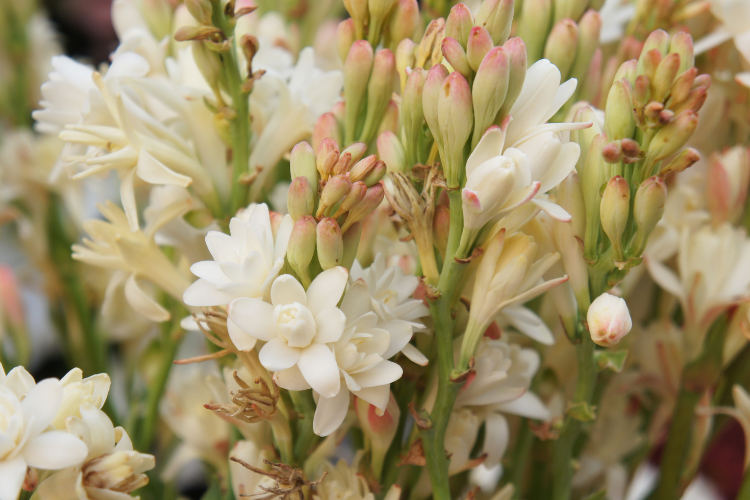
Tuberose is one of those flowers you smell before you see. Its narrow, waxy white blooms grow in clusters along tall spikes, and the fragrance is heady, sweet, and unmistakable, often used in perfumes for that exact reason.
The flowers themselves are understated, almost simple, which makes the intensity of their scent even more surprising.
Care tips:
- Plant tubers in spring once the soil has warmed
- Give them full sun and rich, well-drained soil
- Water regularly during the growing season, but avoid soggy roots
- Dig up and store tubers indoors if you live somewhere with cold winters
Tickseed (Coreopsis)
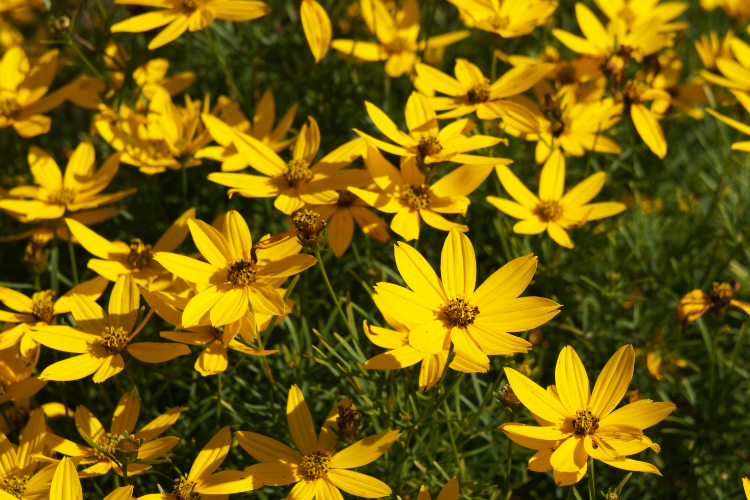
Tickseed is the kind of flower that just keeps giving. It produces cheerful, daisy-like blooms in sunny yellows, warm oranges, and sometimes deep reds, all summer long without much fuss.
It’s a favorite among gardeners who want color without a lot of babysitting, and pollinators absolutely love it.
Care tips:
- Plant in full sun for the best bloom production
- Coreopsis tolerates poor, dry soil better than most flowers
- Deadhead spent blooms to encourage more flowers
- Divide clumps every few years to keep plants vigorous
Toadflax (Linaria)
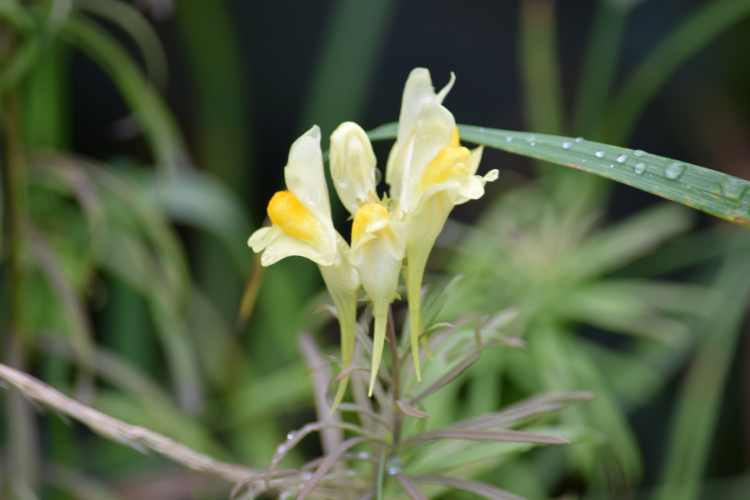
Toadflax looks a bit like a miniature snapdragon, with delicate spurred flowers packed onto slender stems. Despite its slightly unglamorous name, this is a genuinely pretty, airy flower that adds movement to a garden bed.
Colors range from soft lavender and pink to sunny yellow, often blooming in mixed shades on the same plant.
Care tips:
- Sow seeds directly in the garden after the last frost
- Plant in full sun to light shade with well-drained soil
- Water moderately and avoid overwatering
- Let a few plants self-seed for natural, effortless returns each year
Trillium
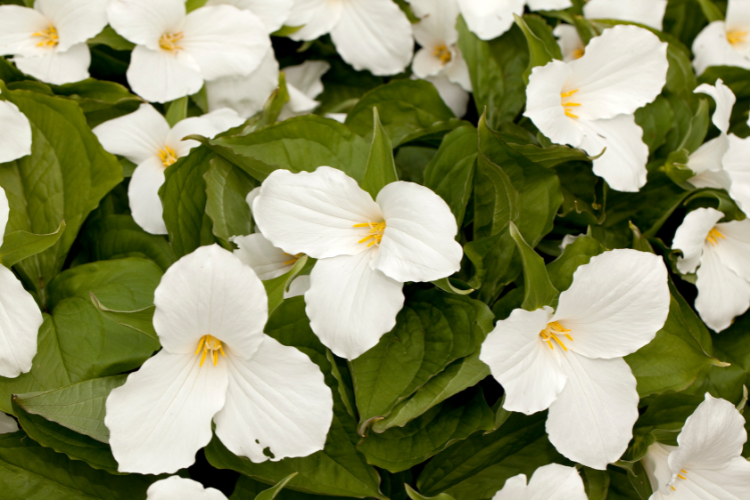
Trillium is a true woodland treasure. Everything about this plant comes in threes: three leaves, three petals, three sepals, which is actually where its name comes from.
You’ll find it growing quietly in shaded forests, often among ferns and moss, with blooms in white, soft pink, deep red, or maroon depending on the species.
Care tips:
- Plant in dappled shade under trees or shrubs
- Give it rich, moist, well-drained soil high in organic matter
- Avoid disturbing the roots once established, since trillium resents transplanting
- Be patient. Trillium can take a couple of years to establish and bloom well
Tiger Lily
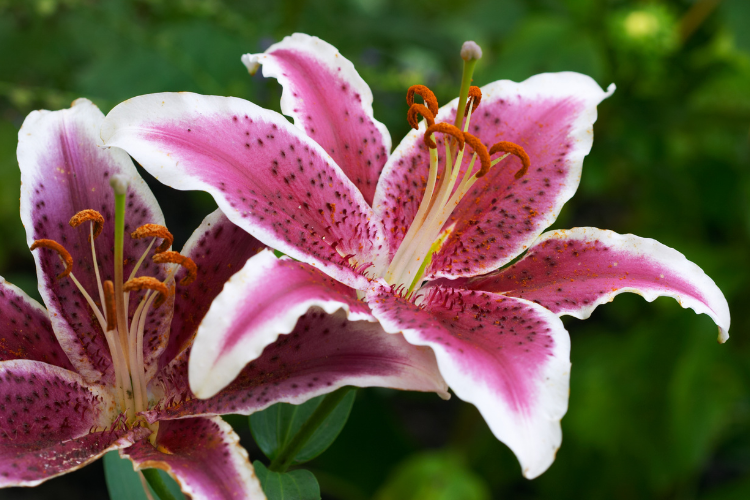
Tiger lily is bold, unapologetic, and impossible to miss. Its bright orange petals curl backward dramatically and are speckled with dark spots, giving it that wild, exotic look its name promises.
It grows tall and stately, often reaching several feet, making it a natural focal point in any border.
Tiger Lily is one of the most stunning lily varieties, and if this one catches your eye, read our complete guide on Asiatic Lily for more beautiful lily inspiration.
Care tips:
- Plant bulbs in fall or early spring in full sun to partial shade
- Use well-draining soil, since soggy roots lead to bulb rot
- Stake taller stems if they start to lean under the weight of blooms
- Mulch in winter to protect bulbs in colder climates
Tweedia
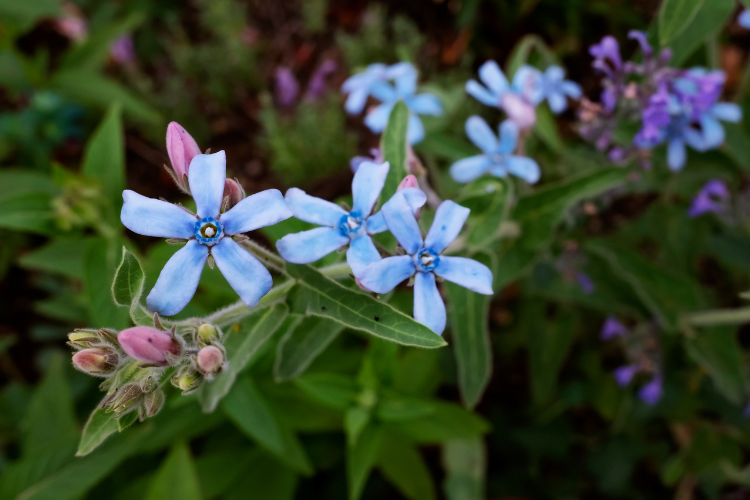
Tweedia is a bit of a hidden gem. Its star-shaped flowers open a soft, dusty green before shifting into the most gorgeous sky blue you’ll ever see on a flower, a color that’s genuinely rare in the plant world.
It has a relaxed, sprawling habit that works beautifully in cottage gardens or cutting gardens.
Care tips:
- Plant in full sun with warm temperatures for best color development
- Use well-drained soil and avoid overwatering
- Provide light support, as stems can be a bit floppy
- Cut stems for arrangements just as the color begins to shift blue
Tritoma (Red Hot Poker)
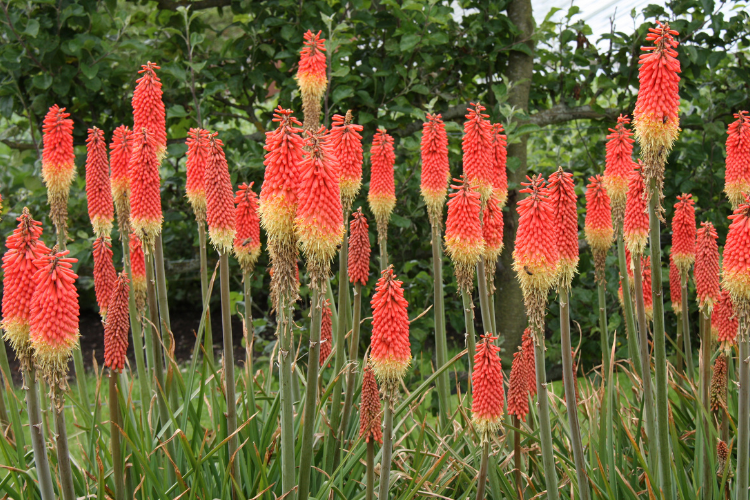
You cannot mistake tritoma for anything else. Its tall, torch-like flower spikes blaze in shades of red, orange, and yellow, often all on the same spike, fading gradually from base to tip like an actual flame.
It’s a striking architectural plant that pollinators, especially hummingbirds, absolutely adore.
Care tips:
- Plant in full sun with well-drained soil
- Established plants are quite drought-tolerant once settled in
- Remove spent flower spikes to keep the plant tidy and encourage new blooms
- Divide clumps every few years if growth becomes crowded
Tithonia (Mexican Sunflower)
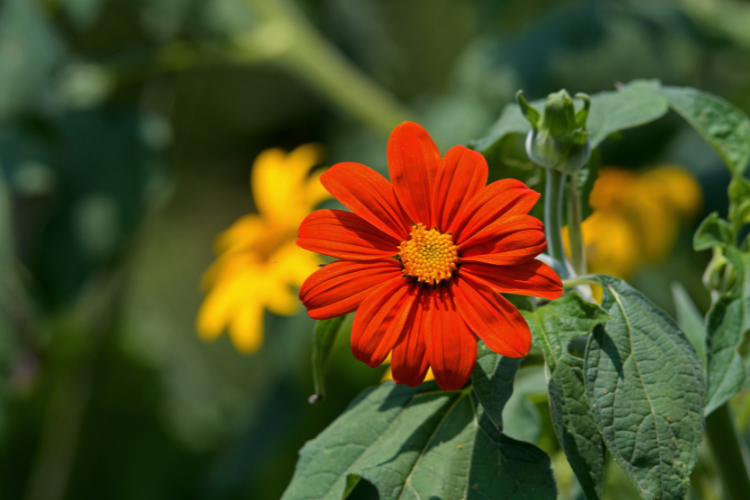
Tithonia is a summer showstopper. Its vivid orange-red flowers resemble oversized daisies and sit atop tall, sturdy stems that can reach six feet or more in the right conditions.
Butterflies flock to this plant, and honestly, it’s hard to blame them.
Care tips:
- Sow seeds directly after the last frost in full sun
- Give it plenty of space, since plants grow large and bushy
- Water regularly while young, then reduce once established
- Deadhead to keep blooms coming right up until the first frost
Torenia (Wishbone Flower)
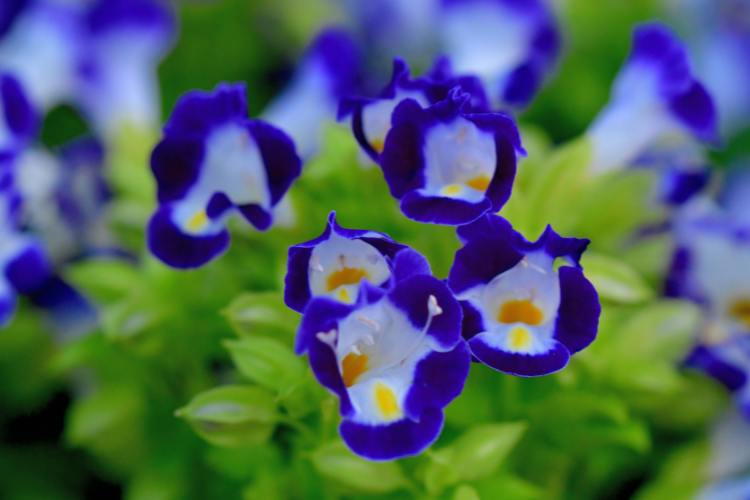
Torenia gets its nickname from the tiny wishbone-shaped stamens hidden inside each bloom. The flowers themselves are trumpet-shaped and come in gorgeous shades of purple, blue, pink, and white, often with a contrasting throat.
It’s a fantastic shade-loving annual that keeps blooming through the hottest part of summer when other flowers start to fade.
Care tips:
- Plant in partial to full shade, especially in hot climates
- Keep soil consistently moist but not waterlogged
- Feed lightly every few weeks during the growing season
- Pinch back leggy stems to encourage bushier growth
Flowers That Start With T For Your Garden
Not every T flower suits every gardener or every space, so let’s break things down by what you actually need.
For beginners, start simple
If you’re new to gardening, forgiving plants make all the difference.
Try Tulips, Tickseed, and Tritoma. All three tolerate a bit of neglect, need minimal fuss, and reward you with reliable color year after year.
For indoor growing, think fragrance and containers
Not every T flower is suited to pots, but a few genuinely thrive indoors or in containers on a sunny patio.
Tuberose does beautifully in large containers where you can enjoy its fragrance up close, and Torenia works wonderfully in hanging baskets or shaded porch containers.
For gifting, lean into elegance and meaning
Some flowers just feel like a gift, thanks to their color, shape, or symbolism.
Tulips are the classic choice here, along with Tiger Lily for a bolder, more dramatic bouquet that really stands out.
Tulips are classic gift flowers, and if you’re planning something special around a birthday, explore our guide on December Birth Flower for more gifting and birth flower inspiration.
Flowers That Start With T: Meanings & Symbolism
Flowers have always carried meaning, and T flowers are no exception. Here’s what each one traditionally represents.
Tulip symbolizes perfect love and, depending on color, everything from deep passion (red) to forgiveness (white) and cheerful thoughts (yellow).
Tuberose represents dangerous pleasure and sensuality, largely thanks to its intoxicating scent.
Tickseed (Coreopsis) stands for cheerfulness and is often associated with love and lasting happiness.
Toadflax doesn’t carry a strong traditional meaning, but its wild, self-sustaining nature makes it a quiet symbol of resilience.
Trillium represents modesty and elegant simplicity, fitting for a flower that thrives quietly in the forest understory.
Tiger Lily symbolizes wealth, pride, and confidence, a fitting meaning for such a bold, striking bloom.
Tweedia is associated with tranquility, thanks to that soft, calming blue.
Tritoma often represents warmth and passion, mirroring its fiery, torch-like color.
Tithonia symbolizes admiration and unwavering positivity, much like the sunflowers it resembles.
Torenia represents patience and delicate beauty, a nod to its small but intricate blooms.
How to Grow Flowers That Start With T
Once you’ve picked a few favorites, a little general know-how goes a long way toward success.
General care tips:
- Match sun requirements to your specific flower. Most T flowers love full sun, but woodland types like trillium and torenia prefer shade
- Amend heavy clay soil with compost to improve drainage before planting
- Water deeply but infrequently to encourage strong root systems
- Mulch around plants to retain moisture and suppress weeds
Common mistakes to avoid:
- Overwatering bulbs like tulips and tiger lily, which leads to rot
- Planting shade-loving trillium or torenia in harsh full sun
- Ignoring deadheading, which shortens the overall bloom season
- Skipping soil prep and expecting healthy blooms from poor, compacted ground
Frequently Ask Questions
Some popular flowers that start with T include tulip, tuberose, tickseed, toadflax, trillium, tiger lily, tweedia, tritoma, tithonia, and torenia.
Tulip is by far the most widely grown and recognized flower beginning with T, especially in spring gardens.
Yes. Trillium and torenia both thrive in shady or partially shaded spots, making them great choices for gardens with limited direct sun.
Tulips, tickseed, and tritoma are all fairly low-maintenance and forgiving, making them ideal starting points if you’re new to gardening.
Absolutely. Tuberose and torenia both do well in pots, and tulips can also be grown in containers as long as they have good drainage.
Final Thoughts
There’s something genuinely satisfying about learning a whole new group of flowers, and flowers that start with T happen to be one of the most varied, colorful letters in the entire alphabet. Between the elegance of tulips, the drama of tiger lily, and the quiet charm of trillium, there’s truly a T flower for every kind of garden and every kind of gardener.
If this guide got you excited to keep exploring, don’t stop here. Check out more of our A-Z flower guides to keep building your garden knowledge, one letter at a time, right here at Plant Style Home.