I still remember the first time I caught a whiff of jasmine drifting over a garden wall at dusk and thought, what on earth is that smell, and where can I get some? That little obsession sent me down a rabbit hole of flowers that start with J, and honestly, it’s one of the most underrated letters in the flower alphabet.
Most people can rattle off roses, tulips, and daisies without blinking. But ask someone to name a flower starting with J, and you’ll usually get a long pause followed by “jasmine?” That’s fair, jasmine is the most famous one, but it’s far from the only star in this lineup.
From woodland shade lovers to sun-worshipping shrubs, flowers beginning with J cover a surprising amount of ground. Some smell incredible, some are tough as nails for beginners, and a few have stories and symbolism that make them worth growing just for the meaning behind them.
At Plant Style Home we are passionate about helping you discover and grow beautiful flowers from A to Z, and today we’re diving into one of the most fragrant, charming letters yet.
We’re working our way through the alphabet one bloom at a time, so if you haven’t already, catch up with our guide on Flowers That Start With I first.
Most Beautiful Flowers That Start With J (Full List)
Before we get into the details, here’s a quick snapshot of the J flowers list we’ll be covering, so you can jump straight to whichever one catches your eye.
| Flower Name | Color | Season | Difficulty Level |
|---|---|---|---|
| Jasmine | White, yellow, pink | Spring to summer | Easy |
| Jonquil | Yellow, white | Early spring | Easy |
| Japanese Anemone | White, pink, lavender | Late summer to fall | Moderate |
| Jacob’s Ladder | Blue, purple, white | Spring to early summer | Moderate |
| Jacobinia | Orange, red, yellow | Spring to fall | Moderate |
| Jewelweed | Orange, yellow | Summer to fall | Easy |
| Johnny Jump-Up | Purple, yellow, white | Spring to fall | Easy |
| Jatropha | Red, coral | Year-round (warm climates) | Moderate |
| Joe Pye Weed | Pink, purple | Summer to fall | Easy |
| Jasminum Nudiflorum | Yellow | Winter to early spring | Easy |
Keep this table handy because we’re about to get into the good stuff, the actual look, feel, and personality of each one of these flower names starting with J.
Flowers That Start With J: Detailed Descriptions
This is where things get fun. Each of these J flowers has its own quirks, and once you start growing a few, you’ll understand why this letter has such a loyal fan base among gardeners.
Jasmine
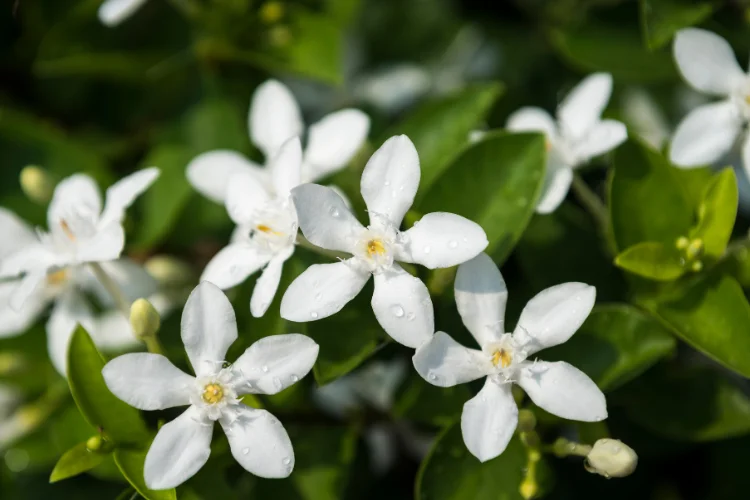
Jasmine is the flower most people picture when they hear flowers that start with J, and for good reason. Its small, star-shaped blooms in white or pale yellow pack an unbelievable amount of fragrance into a tiny package.
The vines can climb trellises, fences, or arbors, filling entire patios with scent on warm evenings. Some varieties bloom during the day, others save their show for nighttime.
Care tips:
- Plant in well-draining soil with full sun to partial shade
- Water regularly but avoid soggy roots
- Prune after flowering to keep growth tidy
- Give it a trellis or support structure to climb
Jasmine deserves its own spotlight, so read our complete guide on Jasmine Flowers for everything about types, care and meaning.
Jonquil
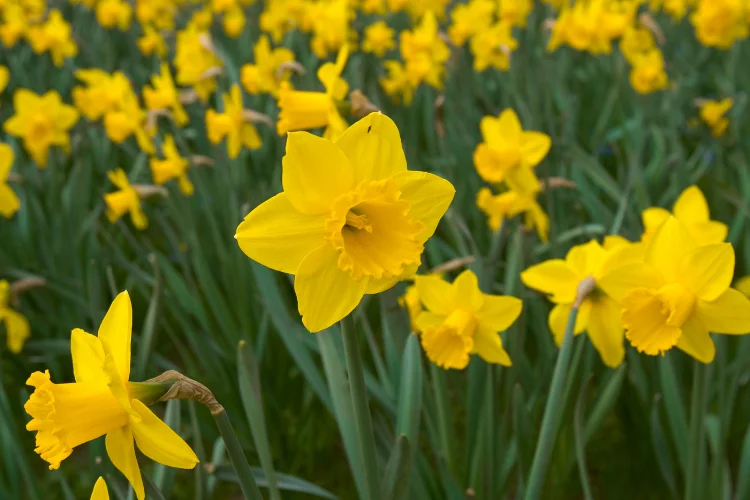
Jonquils are often confused with daffodils, and honestly, they’re close cousins. What sets them apart is their slender, rounded leaves and clusters of smaller, intensely fragrant yellow flowers.
They pop up in early spring almost like clockwork, often before much else in the garden has woken up. Their sweet scent is stronger than a typical daffodil’s, which makes them a favorite for cutting gardens.
Care tips:
- Plant bulbs in fall, about 4-6 inches deep
- Choose a spot with full sun
- Let foliage die back naturally after blooming to feed next year’s bulb
- Divide clumps every few years if blooming slows down
Japanese Anemone
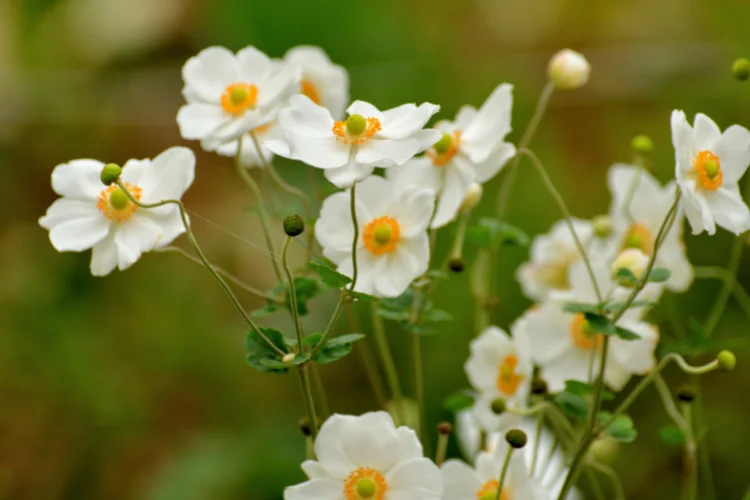
Japanese Anemone brings a graceful, almost ethereal quality to the late-season garden. Its delicate pink or white petals sit on tall, wiry stems that sway gently in the breeze.
It blooms right when most summer flowers are calling it quits, which makes it incredibly valuable for extending color into fall. Bees absolutely love it too.
Care tips:
- Plant in partial shade with rich, moist soil
- Water consistently, especially in dry spells
- Stake taller varieties if they flop in wind
- Cut back stems after the first hard frost
Jacob’s Ladder
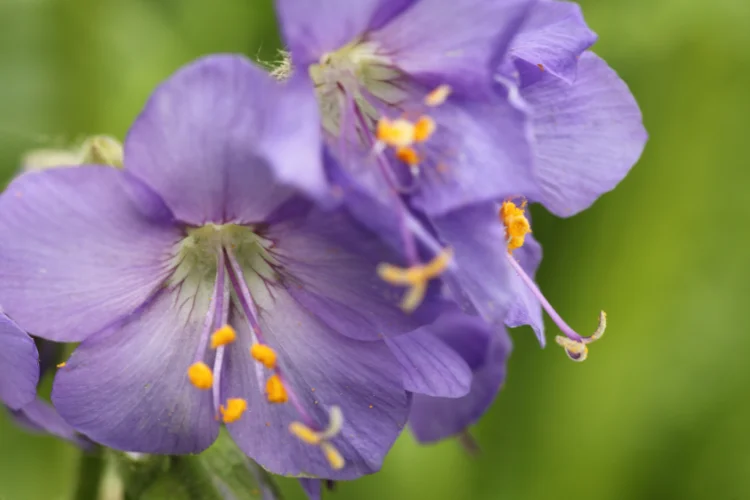
Jacob’s Ladder gets its charming name from the way its leaflets line up in neat little rows, resembling a tiny ladder climbing up the stem. The flowers themselves are bell-shaped clusters in soft blue, lavender, or white.
It’s a woodland-style perennial that thrives in cooler, shadier corners of the garden where other plants might struggle. Once established, it returns reliably year after year.
Care tips:
- Plant in partial to full shade
- Keep soil consistently moist but not waterlogged
- Add compost to enrich soil before planting
- Deadhead spent blooms to encourage a longer flowering window
Jacobinia
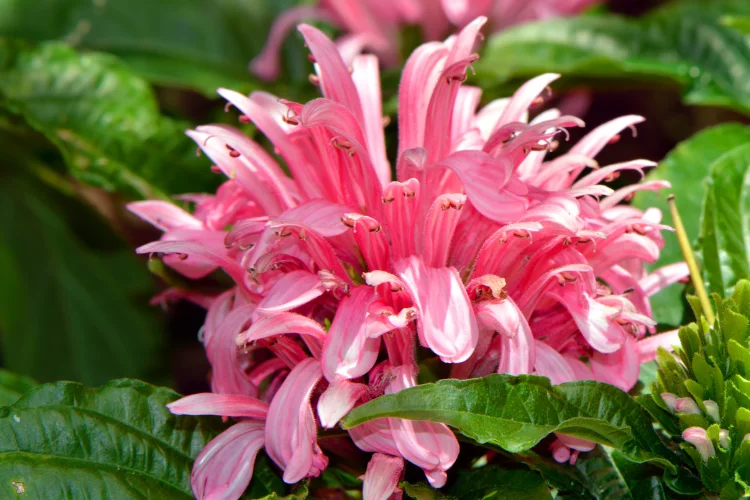
Jacobinia, sometimes called shrimp plant or justicia depending on the variety, brings tropical drama with its tubular orange, red, or yellow blooms. The flower spikes have a slightly curved, exotic shape that stands out in any bed.
It’s a magnet for hummingbirds and butterflies, which makes it a wonderful choice if you’re trying to turn your garden into a pollinator hotspot.
Care tips:
- Grow in full sun to light shade in warm climates
- Water regularly during active growth
- Pinch back stems to encourage bushier growth
- Bring indoors or mulch heavily before frost in cooler zones
Jewelweed
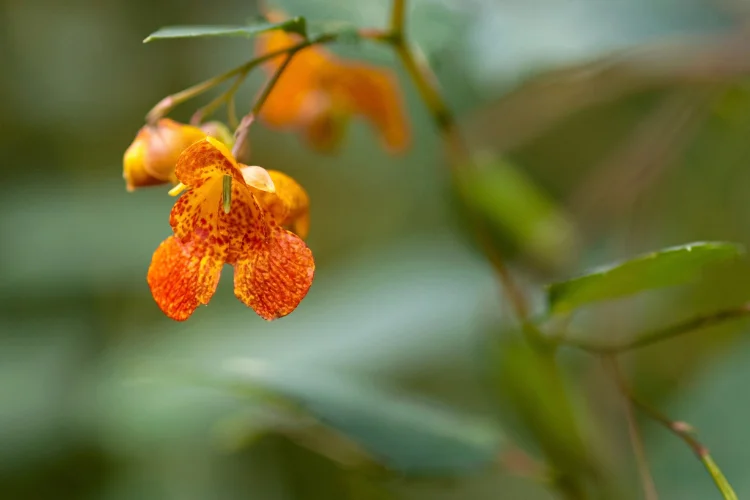
Jewelweed is one of those flowers beginning with J that most people walk past without noticing, until they spot its little orange or yellow blooms dangling like tiny lanterns. It grows wild in moist, shaded areas, often near streams.
Beyond its looks, jewelweed has a long history as a folk remedy for soothing skin irritation, particularly from poison ivy. It’s a genuinely useful plant to know if you spend time hiking.
Care tips:
- Let it grow in damp, partially shaded spots
- Avoid overly dry soil, it prefers consistent moisture
- Allow self-seeding if you want it to spread naturally
- Minimal fertilizing needed, it does well in average soil
Johnny Jump-Up
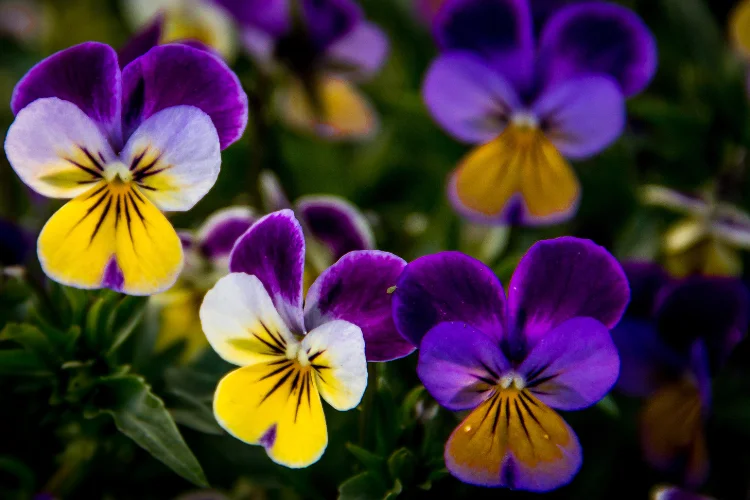
Johnny Jump-Up is the kind of flower that makes you smile without even trying. These tiny violet relatives have cheerful little faces in purple, yellow, and white, and they pop up in the most unexpected places once you let them self-seed.
They’re cool-weather lovers, often blooming in early spring and again in fall when the heat backs off. Both kids and seasoned gardeners tend to adore them.
Care tips:
- Plant in full sun to partial shade
- Keep soil consistently moist, especially during cooler months
- Deadhead regularly to keep blooms coming
- Let a few seed heads mature if you want volunteers next season
Jatropha
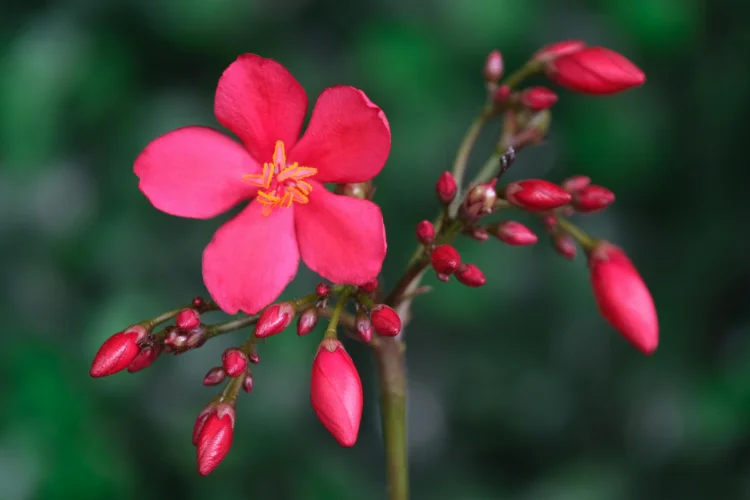
Jatropha is a striking tropical shrub known for its clusters of small, coral-red flowers that bloom against glossy green leaves almost year-round in warm climates. It has a slightly architectural look that works well in xeriscapes and tropical-themed gardens.
It’s also remarkably drought-tolerant once established, making it a smart pick for low-maintenance landscaping in hot regions.
Care tips:
- Plant in full sun with well-draining soil
- Water sparingly once roots are established
- Protect from frost, it’s not cold-hardy
- Prune lightly to maintain a tidy shape
Joe Pye Weed
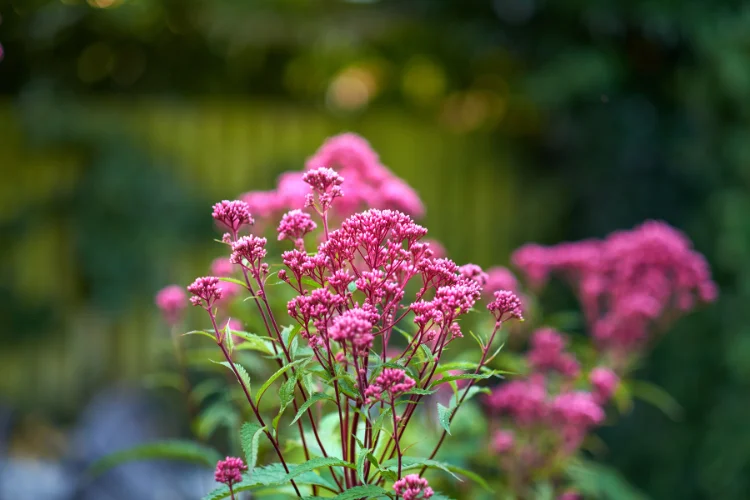
Don’t let the “weed” in its name fool you, Joe Pye Weed is a stunning native perennial with large, fuzzy clusters of pink to purple blooms atop tall, sturdy stems. It’s a late-summer showstopper that butterflies, especially monarchs, absolutely flock to.
This is one of those types of J flowers that rewards you for doing almost nothing. It thrives in conditions many other plants find too wet or too tough.
Care tips:
- Plant in full sun to partial shade
- Allow plenty of room, it can grow quite tall
- Water well, especially in its first season
- Cut back in late fall or early spring for fresh growth
Jasminum Nudiflorum
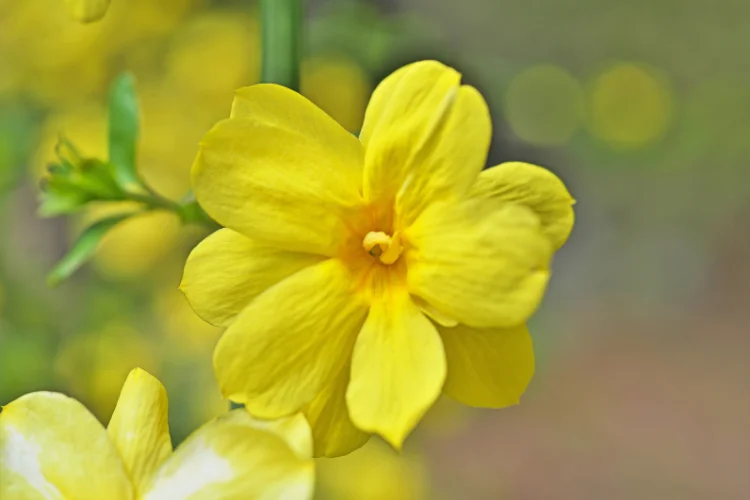
Jasminum Nudiflorum, better known as winter jasmine, is a true gift for gardeners craving color when everything else looks bare. Its bright yellow flowers appear on bare green stems in late winter, often before the leaves even arrive.
Unlike its fragrant cousins, this jasmine is mostly scentless, but the visual impact more than makes up for it.
Care tips:
- Plant in full sun to light shade
- Allow it to cascade over walls or banks for best effect
- Prune right after flowering to shape new growth
- Tolerant of poor soil once established
If you love fragrant flowers like Jasminum Nudiflorum, our detailed guide on Night Blooming Jasmine is a must read for your garden.
Flowers That Start With J For Your Garden
Now that you know the lineup, let’s talk about which J flowers actually suit your space and skill level.
Best J flowers for beginners
- Johnny Jump-Up, forgiving and self-seeding
- Jonquil, plant once and enjoy for years
- Joe Pye Weed, thrives on neglect once established
Top J flowers for indoor growing
- Jasmine, especially compact varieties in containers near sunny windows
- Jacobinia, does well in bright indoor spots with consistent warmth
Best J flowers for gifting
- Jasmine, for its romantic scent and meaning
- Japanese Anemone, elegant enough for a thoughtful bouquet
Flowers That Start With J: Meanings & Symbolism
Flowers rarely just look pretty, they tend to carry stories too. Here’s what some of these J flowers symbolize.
- Jasmine: love, sensuality, and purity
- Jonquil: desire and affection, sometimes a request for love returned
- Japanese Anemone: anticipation and sincerity
- Jacob’s Ladder: ambition and steady progress
- Johnny Jump-Up: happy thoughts and remembrance
- Joe Pye Weed: resilience, given its tough, native roots
How to Grow Flowers That Start With J
Most flowers beginning with J aren’t fussy, but a few general habits will help nearly all of them thrive.
General care tips:
- Match sun exposure to each flower’s natural preference, shade lovers like Jacob’s Ladder will sulk in full sun
- Keep soil consistently moist for woodland types, but let tropical varieties like Jatropha dry out between waterings
- Mulch around perennials to regulate soil temperature and moisture
- Feed lightly during active growing season rather than year-round
Common mistakes to avoid:
- Overwatering drought-tolerant types like Jatropha
- Planting shade lovers like Japanese Anemone in scorching full sun
- Forgetting to deadhead Johnny Jump-Ups, which slows new blooms
- Skipping winter protection for tender jasmine varieties in cold climates
Frequently Ask Questions
Jasmine is by far the most fragrant, with its sweet evening scent being one of the most recognizable in the plant world.
Many are. Johnny Jump-Up, Jonquil, and Joe Pye Weed are especially beginner-friendly and low-maintenance.
Yes, jasmine and jacobinia both adapt well to container life near bright windows.
Jasminum Nudiflorum, or winter jasmine, blooms with cheerful yellow flowers in late winter before most plants wake up.
Definitely. Joe Pye Weed and Jacobinia are both excellent for attracting butterflies and hummingbirds.
Final Thoughts
There’s something genuinely satisfying about discovering how many beautiful flowers that start with J exist beyond the obvious jasmine. From the cheerful faces of Johnny Jump-Ups to the dramatic spikes of Jacobinia, this letter has quietly built one of the most diverse little flower families out there.
Whether you’re a beginner looking for something forgiving or an experienced gardener chasing fragrance and color through every season, there’s a J flower waiting for a spot in your garden.
Give one of these flowers that start with J a try this season, and don’t forget to explore more guides as we continue our journey through the flower alphabet, one beautiful letter at a time.