Welcome to Plant Style Home, your complete guide to flowers, plants, and garden inspiration.
Have you ever noticed how the letter “E” hides some of the most extraordinary flowers in the plant world? From the bold, spiky drama of Eryngium to the delicate mountain romance of Edelweiss, flowers that start with E have a personality all their own. Whether you’re building your dream garden, searching for a meaningful gift, or just geeking out over botanical names like the rest of us this guide is for you.
This is part 5 of our A-Z flower series, so read our previous guide on Flowers That Start With D first if you want to work through the alphabet with us!
In this article, I’ve put together a complete E flowers list covering 10 gorgeous blooms, with honest care tips, symbolism, and real-world advice for growing them in your own space. Let’s dive in.
Most Beautiful Flowers That Start With E (Full List)
Before we go deep on each flower, here’s a quick overview table to help you find what you’re looking for at a glance.
| Flower Name | Color | Best Season | Difficulty Level |
|---|---|---|---|
| Echinacea (Coneflower) | Purple, pink, orange, white | Summer–Fall | Easy |
| Elderflower | Cream/White | Late Spring–Summer | Easy |
| Eustoma (Lisianthus) | Purple, white, pink, blue | Summer | Moderate |
| Echium | Blue, purple, pink | Spring–Summer | Easy |
| Erigeron (Fleabane) | Pink, white, lavender | Spring–Summer | Easy |
| Eryngium (Sea Holly) | Steel blue, silver | Summer | Easy–Moderate |
| Euphorbia | Yellow, white, red | Spring–Summer | Easy |
| Evening Primrose | Yellow, pink, white | Summer–Fall | Easy |
| Exacum (Persian Violet) | Lavender, white | Summer | Moderate |
| Edelweiss | White/Silver | Summer | Moderate–Hard |
Flowers That Start With E: Detailed Descriptions
Now for the good part. Let me walk you through each of these beautiful flowers starting with E, with everything you need to know about how they look, how they grow, and why you might fall in love with them.
Echinacea (Coneflower)
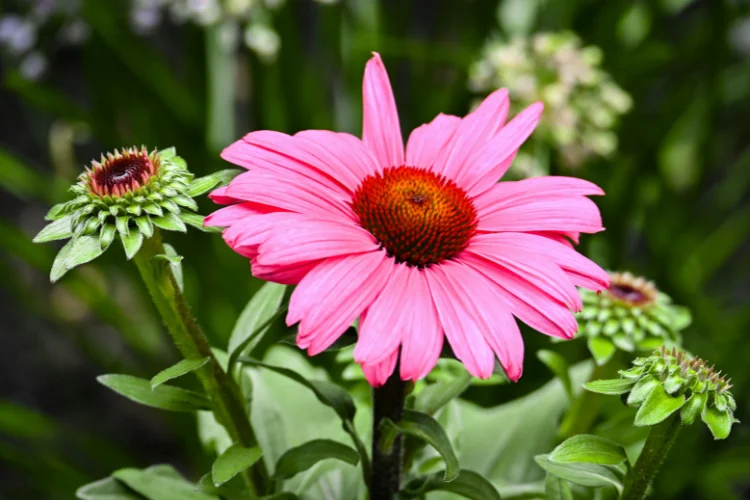
If there’s one flower that earns its place in almost every garden list, it’s Echinacea. Those cheerful daisy-like blooms with their distinctive raised, spiky centers are impossible to miss. The petals sweep back slightly (like a skirt caught in a breeze), and the colours range from classic purple to warm coral, creamy white, and even deep orange.
Echinacea comes in stunning orange shades too: explore our complete guide on Orange Flowers for more vibrant colour inspiration. Beyond the garden, Echinacea has long been celebrated in herbal medicine, which makes it a flower with both beauty and a story.
Care Tips:
Plant in full sun with well-drained soil Drought-tolerant once established, perfect for low-maintenance gardens Deadhead spent blooms to encourage more flowers, or leave seed heads for birds in winter Divide clumps every 3–4 years to keep plants vigorous
Elderflower
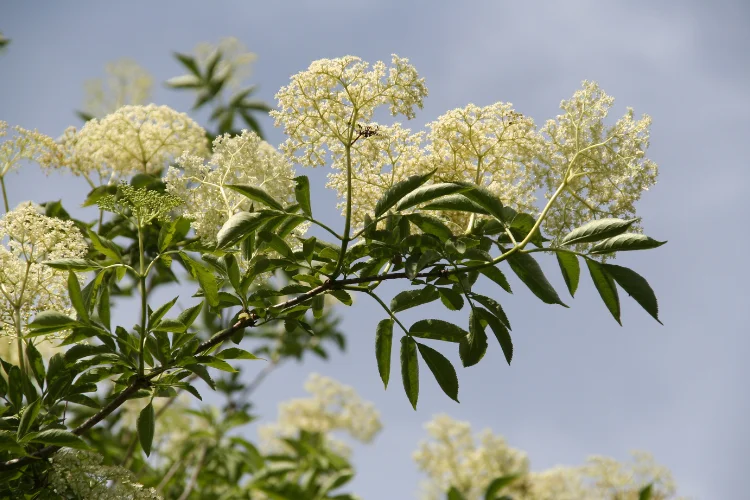
There’s something genuinely magical about Elderflower. Those flat-topped clusters of tiny, creamy-white blossoms appear on elder trees and shrubs each late spring, and the fragrance, soft, sweet, almost honeyed, is one of the most distinctive scents in the garden.
Elderflower is beloved not just for its beauty but for what you can make from it: cordial, fritters, liqueurs, and even skincare products. It’s a flower that feels generous, like it wants to be useful as well as pretty.
Care Tips:
Grows well in sun or partial shade Prefers moist, fertile soil but is quite adaptable Prune hard in late winter to keep the shrub tidy and encourage fresh growth Allow some flowers to develop into elderberries for an extra seasonal bonus
Eustoma (Lisianthus)
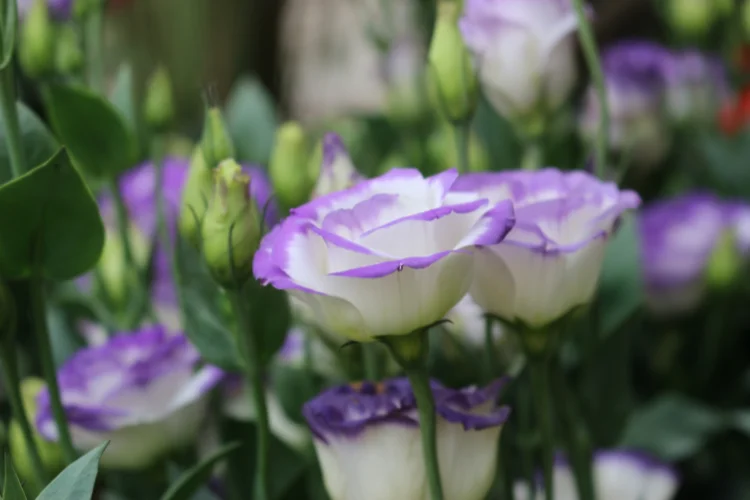
Eustoma, more commonly known as Lisianthus, is one of those flowers that makes people do a double take. The ruffled, rose-like blooms are so lush and layered that they look almost too beautiful to be real. Florists adore them, and it’s easy to see why: a single stem looks like a whole bouquet.
They come in deep purple, soft white, blush pink, and bicoloured combinations, and they last impressively well as cut flowers. Growing them takes a little patience (they’re slow starters), but the reward is absolutely worth it.
Care Tips:
Start seeds indoors 3–4 months before the last frost date Needs full sun and consistently moist, well-drained soil Avoid overwatering: they’re sensitive to root rot Perfect for cutting gardens and containers
Echium
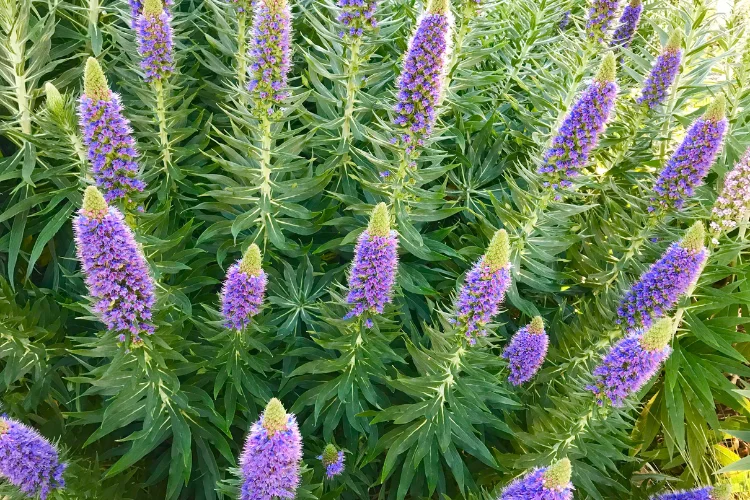
Echium is one of those plants that stops you in your tracks when it’s in full bloom. The tall spires are covered in densely packed, vivid blue or purple tubular flowers, and bees absolutely go wild for them. In warmer climates, species like Echium candicans (Pride of Madeira) can grow into dramatic, shrub-like giants.
Echium is a real show-off in a wildflower or Mediterranean-style garden. It’s also surprisingly unfussy, which makes it a great choice for gardeners who want maximum impact with minimum fuss.
Care Tips:
Thrives in full sun and poor, well-drained soils: don’t over-fertilise Drought-tolerant once established Self-seeds freely, so expect volunteers the following year In cold climates, treat as a biennial or annual
Erigeron (Fleabane)
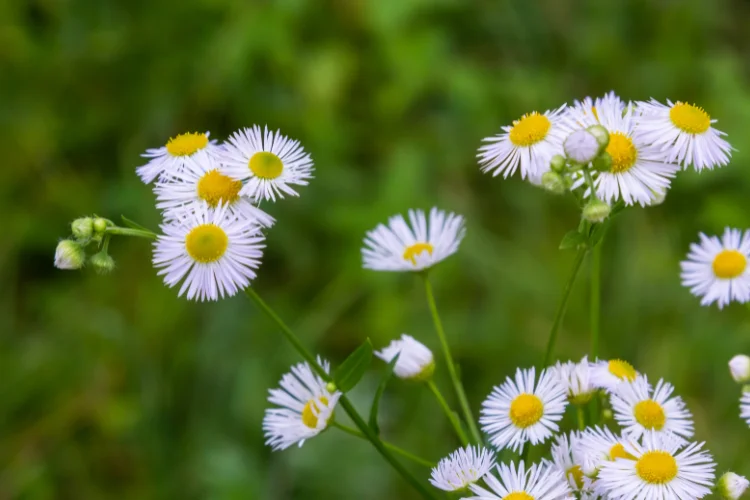
Don’t let the old-fashioned common name put you off: Erigeron (Fleabane) is a genuinely charming flower. The delicate, daisy-like blooms in pink, white, or soft lavender appear in abundance from late spring, creating a cheerful, cottage-garden feel.
It’s one of those flowers that looks like it belongs in a wildflower meadow, and it pairs beautifully with taller perennials. Butterflies and bees love it too, which is always a welcome bonus.
Care Tips:
Full sun to light shade in well-drained soil Deadhead regularly to prolong the blooming season Divide clumps every few years to prevent overcrowding Works brilliantly at the front of a border or spilling over walls
Eryngium (Sea Holly)
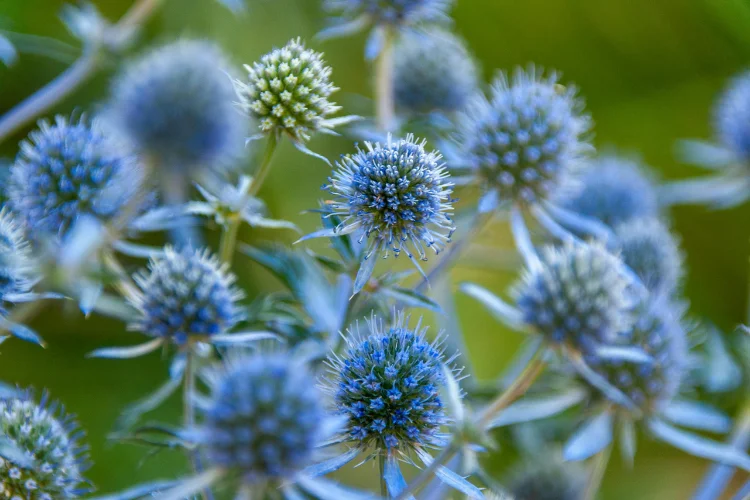
Eryngium, or Sea Holly, is the kind of flower that makes garden designers swoon. The striking steel-blue or silver flowers sit atop spiny, thistle-like bracts, and the entire plant has an otherworldly, sculptural quality. Even the stems are metallic blue in some varieties.
It’s stunning fresh, but it’s also one of the best flowers for drying: the colour and structure hold beautifully for months. If you want a flower that earns its space all year round, this is it.
Care Tips:
Plant in full sun and very well-drained soil: it hates wet feet Extremely drought-tolerant; perfect for gravel gardens Tap-rooted, so transplant carefully and early Leave seed heads standing through winter for visual interest and wildlife value
Euphorbia
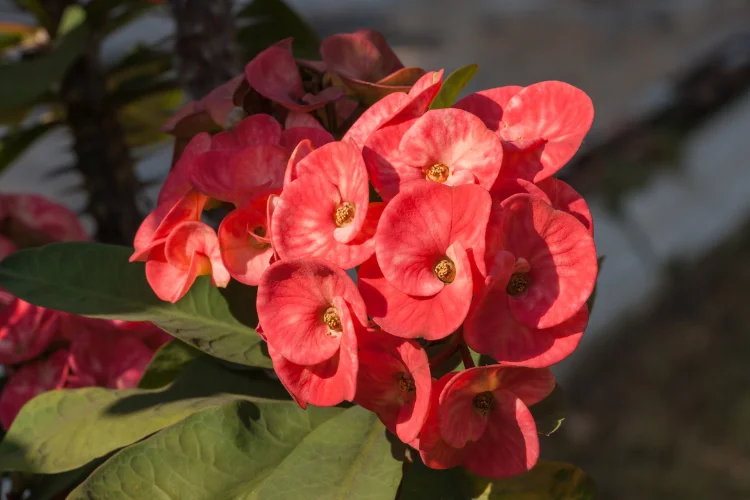
Euphorbia is a huge and wonderfully varied genus, from tiny groundcovers to tall architectural plants, but what they share is a distinctive, long-lasting flower display. The actual flowers are tiny, but they’re surrounded by showy bracts (modified leaves) in yellow, lime green, orange, or red that steal the show.
Euphorbia characias in spring is one of the most striking sights in any garden: bold, structural, and confidently beautiful. A word of caution: the milky sap can irritate skin, so wear gloves when pruning.
Care Tips:
Most varieties prefer full sun and free-draining soil Very drought-tolerant once established Wear gloves when cutting: the latex sap is a skin and eye irritant Cut back flowered stems to the base after blooming to tidy the plant
Evening Primrose
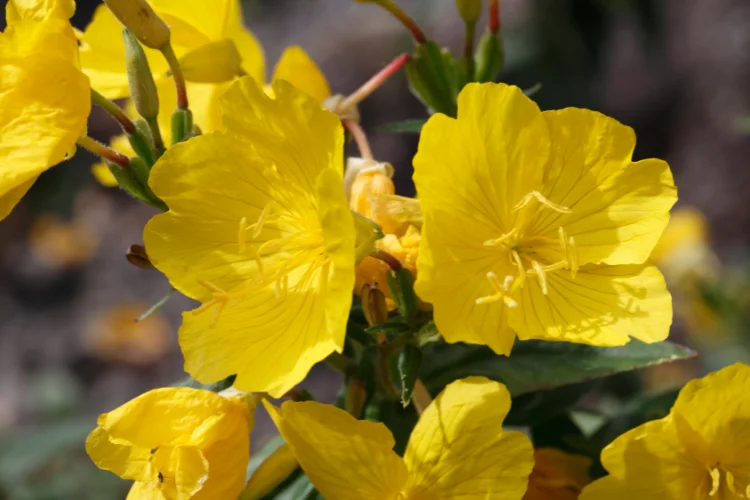
Evening Primrose is one of those flowers that rewards the patient and the nocturnal. The silky, cup-shaped yellow blooms open in the late afternoon and evening, releasing a gentle, sweet fragrance that’s especially lovely on warm summer nights.
If you love flowers that bloom at night, our detailed guide on Night Blooming Jasmine is a must-read for every flower lover.
Evening Primrose also has a long history in herbal and cosmetic use, and the seed oil is widely used in skincare. It’s a flower that’s as useful as it is lovely.
Care Tips:
Full sun in well-drained to dry soil Self-seeds prolifically: welcome it in wild or informal areas Biennial in many climates; let plants go to seed for future blooms Excellent for attracting moths and night-flying pollinators
Exacum (Persian Violet)
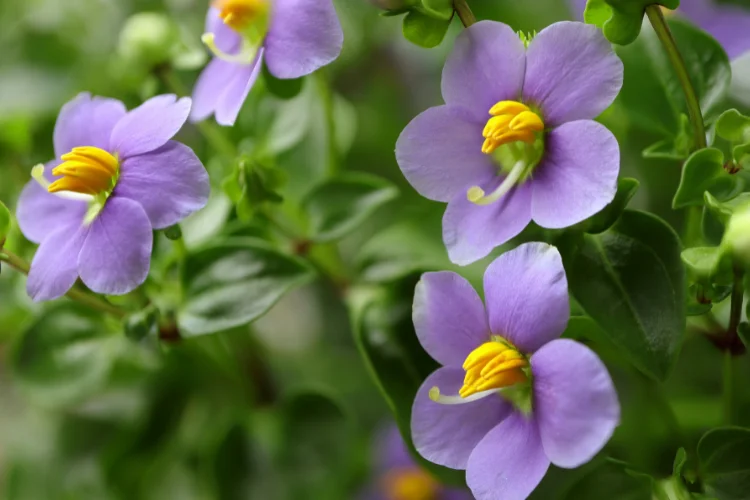
Exacum, commonly called Persian Violet, is a compact little gem of a plant. The small, star-shaped flowers in soft lavender or white appear in clusters above glossy, deep-green foliage, and there’s a lovely, faint fragrance too. It’s one of the prettiest houseplants you can grow.
Unlike some houseplants that sulk in low light, Exacum genuinely thrives indoors given a bright windowsill, making it ideal for anyone who wants living flowers in their home rather than just foliage.
Care Tips:
Bright, indirect light indoors: avoid harsh direct sun Keep the soil consistently moist but never waterlogged High humidity suits it well; mist occasionally or place on a pebble tray Usually treated as an annual; very easy to grow from seed
Edelweiss
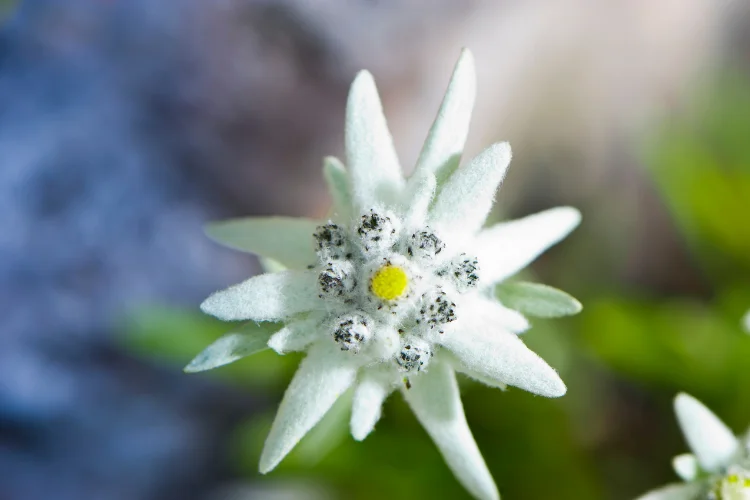
And finally, perhaps the most romantic flower on this entire list. Edelweiss is the legendary alpine flower of European mountains, famous for its wool-like, star-shaped white blooms and the stories of brave souls who climbed treacherous peaks just to pick one.
The silvery-white, felt-textured petals are perfectly adapted to high-altitude life, resisting UV radiation and cold. In the garden, Edelweiss is modest in size but enormous in charm. It asks only for well-drained soil and sunshine to reward you with its extraordinary little flowers.
Care Tips:
Full sun and very well-drained, alkaline to neutral soil Excellent in rock gardens and alpine troughs Protect from excessive winter wet (not cold: it’s cold-hardy) Avoid rich, fertile soil: lean conditions produce the most authentic plants
Flowers That Start With E For Your Garden
Now that you know your E flowers list by heart, let’s talk about how to use them.
Best E flowers for beginners: Echinacea, Evening Primrose, and Erigeron are all wonderfully forgiving choices for new gardeners. They’re tough, adaptable, and generous bloomers that won’t punish minor mistakes.
Best E flowers for indoors: Exacum (Persian Violet) is hands-down the best flower beginning with E for indoor growing. Eustoma (Lisianthus) is also brilliant as a cut flower, bringing a florist-quality arrangement into your home.
Best E flowers for gifting: Eustoma is the gifting champion here: it looks expensive and luxurious and lasts beautifully in a vase. Elderflower-based products (cordial, skincare) also make thoughtful, garden-inspired gifts. And for something truly meaningful, a potted Edelweiss is a gift people remember.
Flowers That Start With E: Meanings & Symbolism
Beautiful flowers starting with E don’t just look good — they carry meaning too.
- Echinacea: Strength, healing, and resilience. Associated with health and wellbeing across many cultures.
- Elderflower: Protection, transformation, and good luck. In folk traditions, elder trees were thought to ward off evil.
- Eustoma (Lisianthus): Gratitude, appreciation, and a lifetime bond. A deeply meaningful flower for heartfelt gifts.
- Echium: Admiration and boldness. Its dramatic spires symbolise standing tall.
- Erigeron: Simple joy and cheerfulness. A wildflower energy of carefree happiness.
- Eryngium (Sea Holly): Independence and attraction. Its unique beauty reflects a singular, confident spirit.
- Euphorbia: Persistence and endurance. A plant that finds a way to thrive in challenging conditions.
- Evening Primrose: Inconstancy, but also silent love. Its evening blooms suggest feelings shared quietly, in the dark.
- Exacum (Persian Violet): Watchfulness, faithfulness, and delicate affection.
- Edelweiss: Pure love, courage, and devotion. One of the most romantically charged flowers in all of European tradition.
How to Grow Flowers That Start With E
General care tips for E flowers:
Most of the beautiful flowers starting with E on this list share a preference for:
- Well-drained soil: very few E flowers like sitting in wet conditions
- Full sun: the majority perform best with 6+ hours of direct sunlight
- Minimal feeding: many, like Echium and Eryngium, actually prefer leaner soils
- Good air circulation: helps prevent fungal issues, especially for Eustoma
Common mistakes to avoid:
- Overwatering is the most frequent issue. Echinacea, Eryngium, and Evening Primrose in particular will struggle or rot in soggy conditions.
- Too much fertiliser with plants like Echium and Euphorbia produces lush, floppy growth at the expense of flowers.
- Planting Eustoma too late: it needs a long growing season, so start seeds early indoors.
- Forgetting gloves with Euphorbia: the milky sap really does irritate skin.
- Moving Eryngium once established: the deep tap root hates disturbance.
Frequently Ask Questions
Echinacea (Coneflower) is almost certainly the best-known and most widely grown. It’s a garden classic in North America and Europe, beloved for its bold colour, pollinator appeal, and easy nature.
Yes! Elderflower has a lovely soft, honeyed fragrance, Evening Primrose releases a sweet scent in the evening, and Exacum (Persian Violet) has a gentle, pleasant perfume. All three are wonderful additions to a sensory garden.
Echinacea and Echium are absolute bee magnets. Erigeron and Euphorbia also draw plenty of pollinators. If wildlife gardening is your thing, these are the types of E flowers to prioritise.
Absolutely. Eustoma, Exacum, and Erigeron all do well in containers. Even Echinacea can be grown in a large pot given enough depth for its roots. Just be diligent about watering: containers dry out faster than borders.
Edelweiss has a very faint, pleasant scent, sometimes described as slightly sweet or grassy, but it’s subtle rather than strong. Its main appeal is very much visual, not fragrant.
Conclusion
From the hardy cheerfulness of Echinacea to the quiet mountain romance of Edelweiss, flowers that start with E really do offer something for everyone. Whether you’re a complete beginner planting your first garden, an experienced grower looking to add something new, or simply someone who loves discovering beautiful flower names starting with E, I hope this guide has given you a little inspiration and a lot of useful knowledge.
The best part? Most of these flowers are easier to grow than they look, and the reward, in colour, fragrance, and the joy of watching them bloom, is immense.
Now go and plant something wonderful. And when you’re ready to explore more, plantstylehome.com has plenty more guides waiting for you through the whole alphabet and beyond.