Have you ever wandered through a garden and stopped dead in your tracks because something beautiful just caught you? There’s something almost magical about that moment, and if you’ve ever experienced it near a cluster of Agapanthus or a bold, dramatic Amaryllis, you already know what I’m talking about.
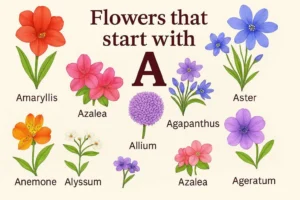
Flowers that start with A are surprisingly diverse. We’re talking trumpet-shaped drama, delicate wildflower charm, architectural allure, and everything in between. Whether you’re a seasoned gardener looking to expand your beds or a complete beginner trying to figure out where to start, this guide is your go-to resource. I’ve put together everything I know and love about flowers beginning with A, their looks, their care needs, their meanings, and the joy they bring.
So let’s dive in and meet some of the most spectacular blooms in the alphabet.
Most Beautiful Flowers That Start With A
Before we get into the details, here’s a handy overview of the A flowers list we’ll be covering. Use this as your quick reference guide!
| Flower Name | Color(s) | Best Season | Difficulty Level |
|---|---|---|---|
| Amaryllis | Red, Pink, White, Striped | Winter–Spring | Easy |
| Azalea | Pink, Red, White, Purple | Spring | Moderate |
| Aster | Purple, Pink, White, Blue | Late Summer–Fall | Easy |
| Anemone | Red, Purple, White, Pink | Spring | Easy–Moderate |
| Alstroemeria | Yellow, Orange, Pink, Red | Spring–Summer | Easy |
| Allium | Purple, White, Pink | Late Spring | Easy |
| Agapanthus | Blue, White, Purple | Summer | Easy |
| Anthurium | Red, Pink, White, Green | Year-round (indoor) | Moderate |
| Alyssum | White, Purple, Pink | Spring–Fall | Very Easy |
| Ageratum | Blue, Purple, White, Pink | Summer–Fall | Easy |
Flowers That Start With A, Detailed Descriptions
Now for the fun part. Let’s really get to know these flowers, their personalities, their quirks, and exactly how to keep them thriving.
Amaryllis
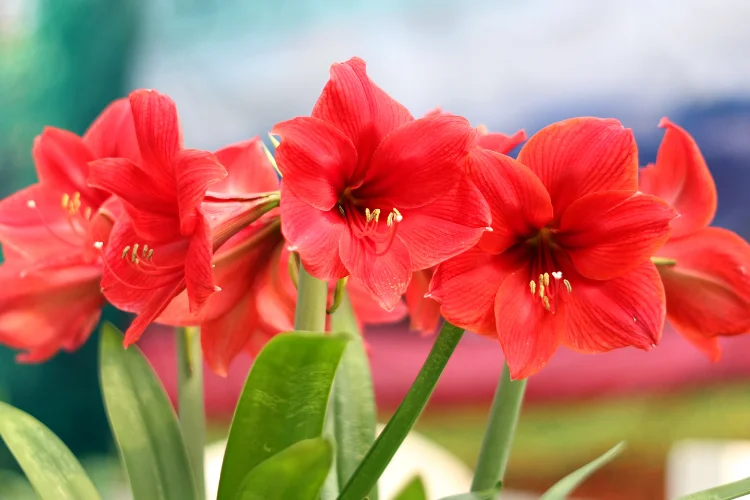
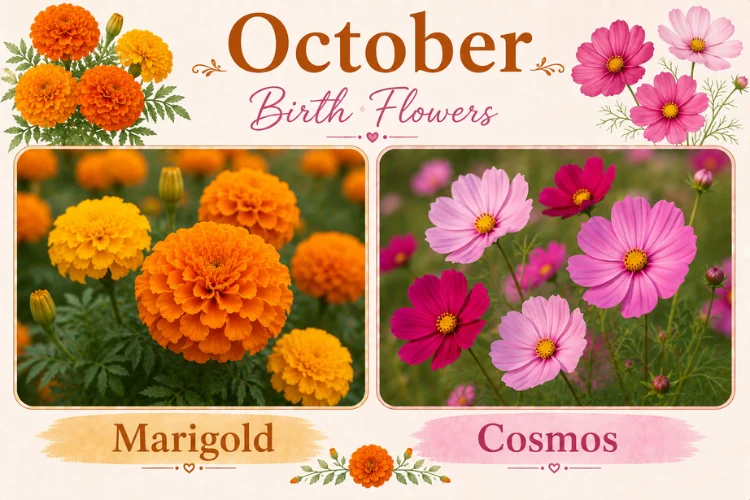
If flowers had a “showstopper” category, Amaryllis would win every time. These bold, trumpet-shaped blooms sit atop tall, thick stems and have the kind of presence that makes you stop mid-conversation. They come in deep velvety reds, soft blush pinks, crisp whites, and even gorgeous bi-colored striped varieties.
What I particularly love about Amaryllis is how theatrical they feel, especially when they bloom indoors in winter, when everything else outside is grey and bare. They’re also one of the easiest flowers with A names to grow from a bulb. Plant the bulb, water lightly, and watch the magic unfold over just a few weeks.
Care Tips:
- Plant bulbs with the top one-third above the soil surface
- Water sparingly until the first green shoot appears, then more regularly
- Give them bright, indirect light indoors
- After blooming, let the leaves die back naturally to feed the bulb for next year
Azalea
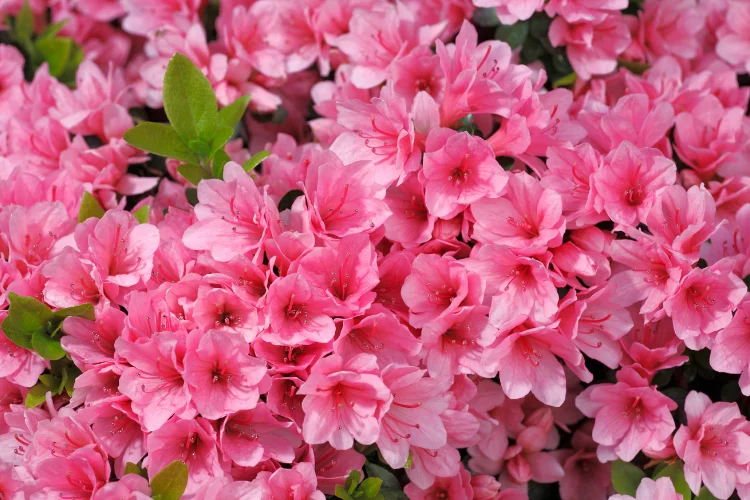
Azaleas are pure spring joy. When they bloom, they tend to bloom spectacularly, completely covering the shrub in flowers before many leaves have even fully appeared. Their blossoms range from hot coral pinks to soft whites, deep reds, and gorgeous lavenders.
They’re a classic for a reason. Azaleas have been beloved in gardens across Asia and Europe for centuries, and once you see one in full flower against an old brick wall or beneath a towering oak, you’ll completely understand why. They do like a bit of TLC, they’re somewhat particular about their soil, but the payoff is absolutely worth it.
Care Tips:
- Plant in acidic, well-draining soil (pH 4.5–6.0)
- Avoid waterlogged roots, they hate wet feet
- Mulch around the base to keep moisture in and weeds out
- Prune lightly right after flowering, not before
Aster
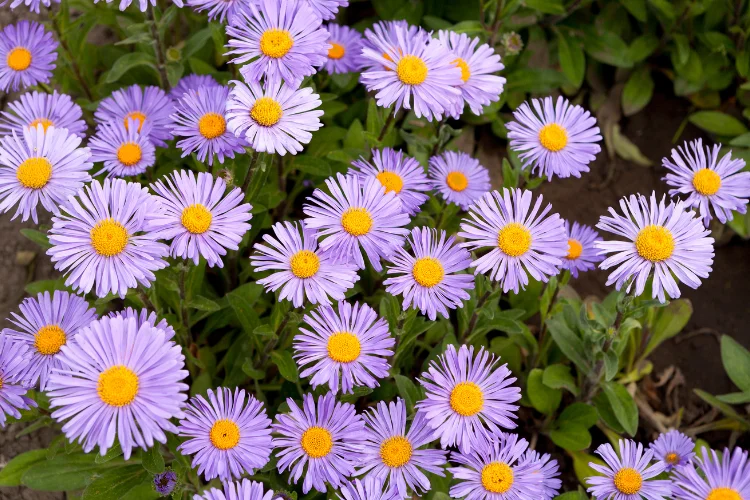
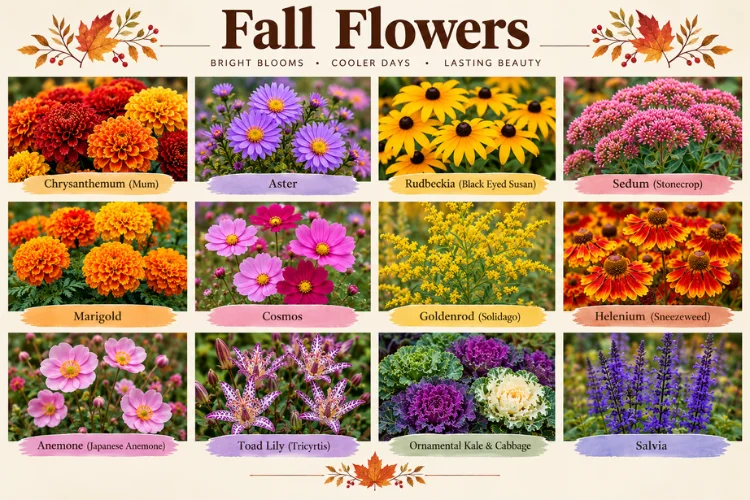
Asters are the flowers that save late summer gardens from becoming boring. While many blooms are finishing up, Asters are just getting started, bursting out in shades of violet, soft purple, white, and pink, with cheerful yellow centres that look like tiny suns.
They’re daisy-like in shape but feel a little more sophisticated somehow, a little more meadow than garden bed. They’re also pollinators’ favourites, bees and butterflies go absolutely wild for them in autumn. If you want a garden that still feels alive in September and October, Asters are your answer.
If you love Aster flowers, you will also adore our detailed guide on the beautiful Asiatic Lily, another stunning A flower for your garden.
Care Tips:
- Plant in full sun for the best flowering
- Divide clumps every 2–3 years to keep plants vigorous
- Water consistently but avoid wetting the leaves (prevents mildew)
- Deadhead spent flowers to encourage more blooms
Anemone
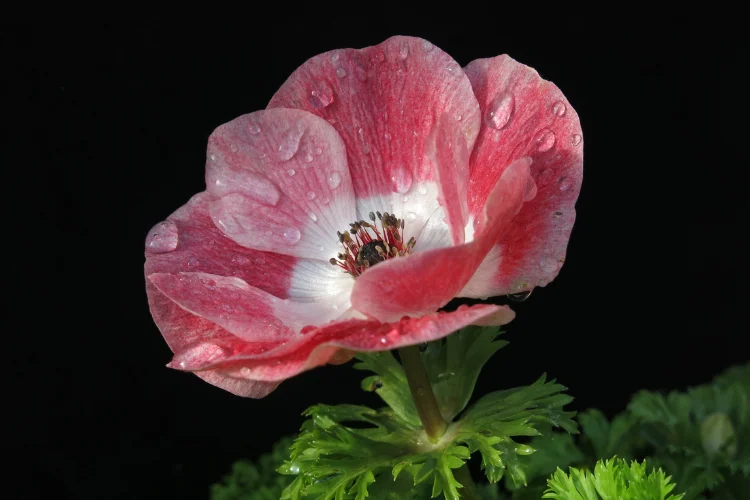
Anemones have a kind of wild, windswept beauty to them, which makes sense, because their name actually comes from the Greek word for “wind.” They’re delicate-looking flowers with silky, paper-thin petals in vivid reds, deep purples, soft whites, and pinks, usually with a striking dark centre.
They feel like a flower you’d find in an impressionist painting, honestly. There’s something almost romantic and untamed about them. Both spring-blooming and fall-blooming varieties exist, which means you can enjoy them across quite a long season if you plan well.
Care Tips:
- Soak corms in water for a few hours before planting
- Plant in well-drained soil in a sunny or partly shaded spot
- In colder climates, lift the corms after flowering and store indoors
- They naturalize beautifully, plant in drifts for a stunning effect
Alstroemeria
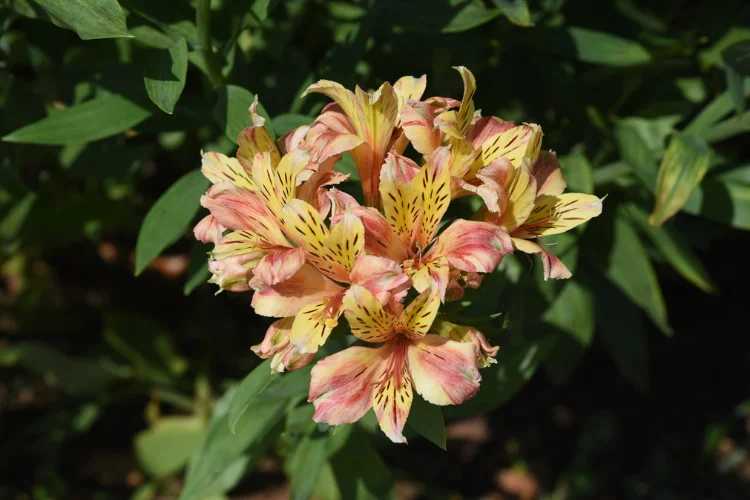
Alstroemeria (also called Peruvian Lily or Lily of the Incas) might just be the most underrated flower on this entire list. These gorgeous blooms look almost exotic, streaked and speckled with contrasting markings inside their petals, and they come in a rainbow of colours including yellow, orange, salmon, pink, red, and white.
What really makes Alstroemeria special is their incredible vase life. We’re talking two to three weeks in a bouquet without complaining. They’re an absolute favourite with florists for exactly that reason. In the garden, they multiply steadily and reward very little effort with a lot of colour.
Care Tips:
- Plant in a sunny spot with fertile, well-drained soil
- Avoid disturbing the roots, they don’t love being moved
- Deadhead regularly to encourage continuous blooming
- In cold winters, mulch heavily to protect the roots
Allium
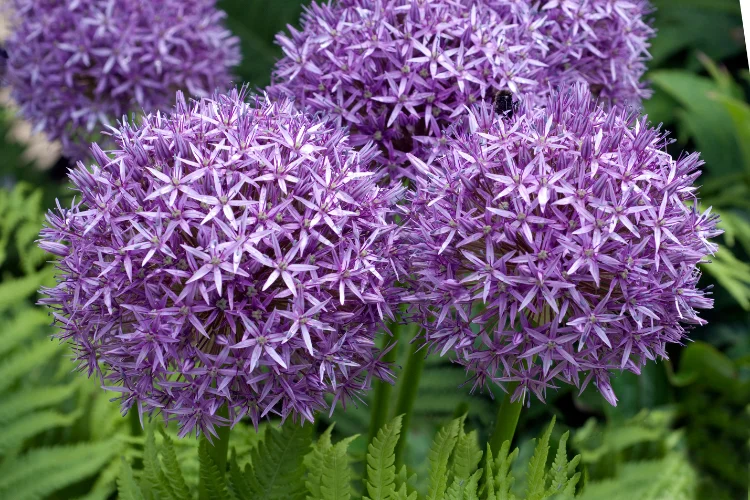
Here’s a flower that makes people stop and ask, “What is that?” Alliums produce perfect spherical flower heads, like little purple or white globes on tall, elegant stems. Yes, they’re related to onions and garlic (the smell of the leaves gives it away), but the flowers are simply stunning.
They’re architectural. They add structure and height to a border in a way that few other flowers can match. They bloom in late spring and early summer, bridging that gap between spring tulips and summer perennials beautifully. And the dried seed heads? Still gorgeous months after the flowers have faded.
Care Tips:
- Plant bulbs in autumn in full sun
- Excellent drainage is essential, they rot in wet soil
- Leave them alone once planted; they multiply on their own
- Great for cutting, both fresh and dried
Agapanthus
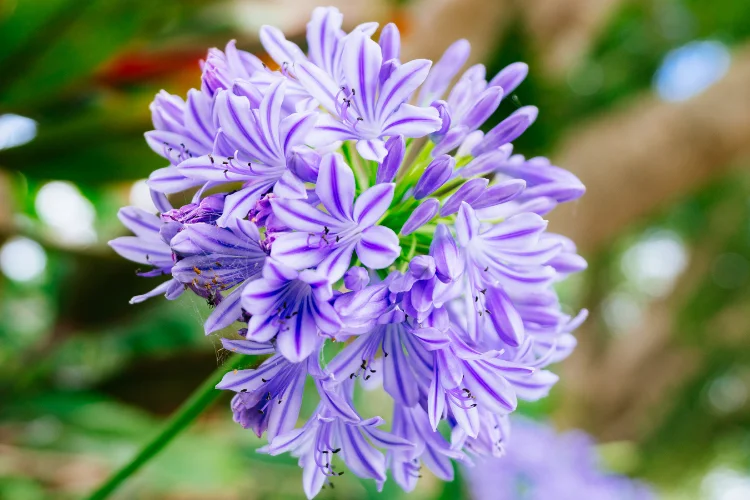
Agapanthus, sometimes called Lily of the Nile, has a clean, modern elegance that makes it perfect for contemporary gardens. Its clusters of tubular blue or white flowers sit in rounded heads atop long, strap-leaved clumps. The effect is graceful and slightly architectural.
I particularly love how Agapanthus looks planted in rows along a pathway or in large containers flanking a front door. It’s one of those flowers with A names that feels effortlessly stylish. It blooms in summer and is surprisingly tough once established.
Care Tips:
- Full sun gives the best flowering
- Water regularly in summer, much less in winter
- Container-grown plants flower best when slightly root-bound
- Protect from hard frosts, in cold climates, bring containers indoors
Anthurium
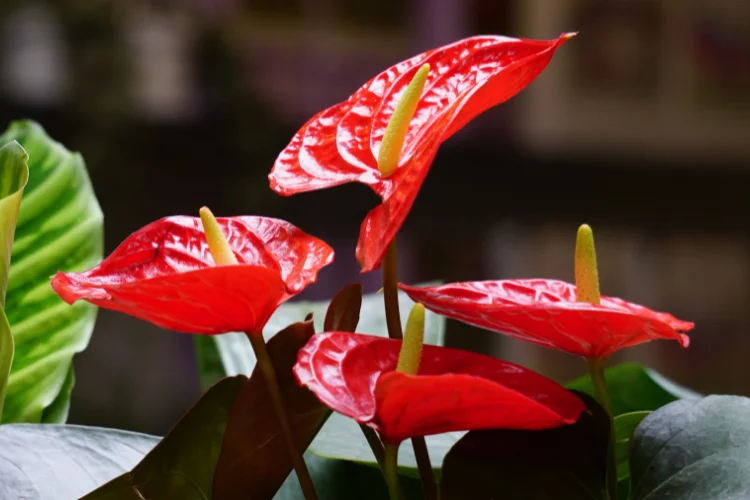
Anthurium is a tropical beauty that thrives as a houseplant and brings bold, glossy colour to any indoor space. The “flower” most people recognise is actually a waxy, heart-shaped bract called a spathe, usually in vivid red, deep pink, or creamy white, with a slender, upright spadix in the centre.
They look almost artificial, like they’ve been lacquered. But they’re completely real, and they bloom for months at a time, making them one of the longest-lasting indoor flowers you can find. If you want something dramatic for a shelf or windowsill, Anthurium is your flower.
Care Tips:
- Bright, indirect light, no direct sun, which scorches the leaves
- High humidity is their happy place; mist regularly or use a pebble tray
- Water when the top inch of soil feels dry
- Feed monthly during spring and summer with a balanced liquid fertiliser
Alyssum
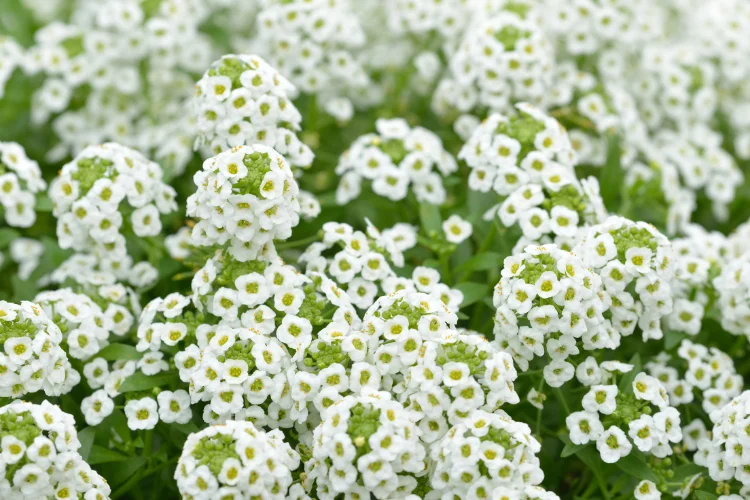
Sweet Alyssum is a gentle, fragrant little flower that punches well above its size in the garden. It forms low, spreading mounds covered in tiny white, purple, or pink blossoms that smell faintly of honey. It’s one of those beautiful flowers starting with A that does a dozen jobs quietly and well.
It works as a ground cover, a container edging plant, a gap-filler between larger perennials, and even as a fragrant path border. Bees love it. It’s easy to grow from seed. And it blooms for an incredibly long season, often right through from spring to the first frosts.
Care Tips:
- Sow seeds directly in the garden after last frost, or start indoors 6–8 weeks earlier
- Full sun to partial shade, very adaptable
- Shear back lightly mid-summer if it gets leggy; it’ll bounce back beautifully
- Self-seeds freely, so you may find it returning year after year
Ageratum
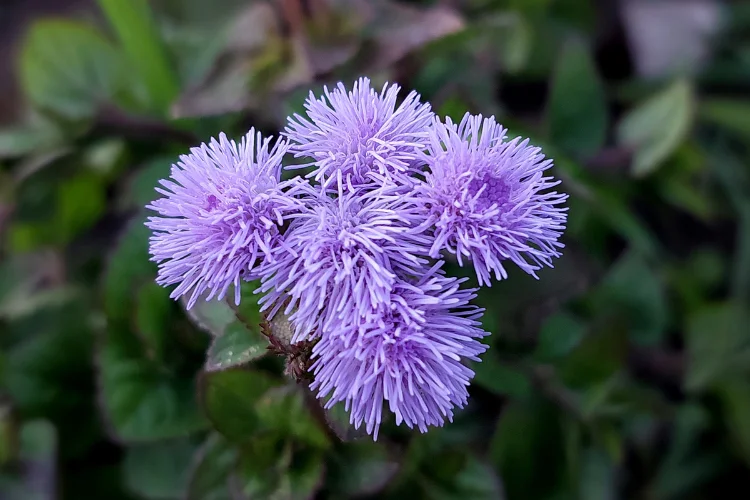
Ageratum is one of those dependable, cheerful bedding flowers that gardeners sometimes overlook, and really shouldn’t. Its fluffy, powder-puff flower heads in misty blues, purples, whites, and pinks bring a soft texture to summer borders that nothing else quite replicates.
The blue varieties in particular are genuinely rare in the flower world, a true, soft cornflower blue that pairs beautifully with yellows, oranges, and whites. It blooms from early summer right through to autumn and is surprisingly heat-tolerant.
Care Tips:
- Plant in full sun in rich, moist soil
- Deadhead spent flowers to keep the display going all season
- Water regularly, they don’t like drying out
- Grow as an annual in most climates; start seeds indoors 6–8 weeks before last frost
Flowers That Start With A For Your Garden
Not all A flowers suit every garden situation. Here’s how to match the right flower to your space and lifestyle.
Best A Flowers for Beginners
If you’re just starting out, go for the forgiving ones. Alyssum is almost foolproof, it grows quickly from seed and doesn’t need much fussing. Ageratum is similarly low-maintenance and blooms for months. Allium bulbs are plant-and-forget, you put them in the ground in autumn and they surprise you in spring. Amaryllis bulbs are perfect for indoor growers who want fast, dramatic results with minimal effort.
Best A Flowers for Indoors
Anthurium is the clear winner here, it’s specifically adapted to indoor conditions and thrives in lower light situations. Amaryllis is brilliant indoors during winter. Agapanthus can be kept as a container plant and brought inside during cold months.
Best A Flowers for Cutting and Gifting
Alstroemeria tops this list without question, its vase life is legendary. Amaryllis makes a stunning single-stem gift. Anemone adds wildflower romance to any bouquet. Aster brings late-season colour when most other cut flowers are gone.
Flowers That Start With A, Meanings and Symbolism
Flowers have carried meaning for centuries, and the flowers name starting with A each carry their own stories.
- Amaryllis, Pride, determination, and radiant beauty. Often given to celebrate achievement.
- Azalea, Temperance, passion, and the fragility of love. In China, they’re called “thinking of home” flowers.
- Aster, Wisdom, faith, and love. In ancient times, people burned Aster leaves to ward off evil spirits.
- Anemone, Anticipation, fading hope, or protection against evil, depending on the culture. Often associated with lost love in Greek mythology.
- Alstroemeria, Friendship, devotion, and mutual support. A beautiful choice for a friend’s bouquet.
- Allium, Unity, good fortune, and prosperity. Their globe shape symbolises wholeness.
- Agapanthus, Love, beauty, and fertility. The name literally means “love flower” in Greek.
- Anthurium, Hospitality, abundance, and happiness. Often used in tropical wedding arrangements.
- Alyssum, Worth beyond beauty and tranquillity. In the Victorian language of flowers, it meant “worth above beauty.”
- Ageratum, Politeness, delicacy, and trustworthiness.
How to Grow Flowers That Start With A
There’s good news if you’re looking at this types of flowers A to Z guide and feeling a little overwhelmed, most A flowers are actually quite adaptable and beginner-friendly. Here are some principles that apply across the board.
General Care Tips
- Start with good soil. Most flowering plants reward you directly for the effort you put into soil preparation. Add compost, ensure good drainage, and check pH requirements for each plant.
- Water at the base, not the leaves. Wet foliage is an open invitation for fungal disease. Use a soaker hose or water carefully at ground level.
- Deadhead regularly. Removing spent blooms signals the plant to produce more flowers rather than setting seed. It makes a huge difference to the length of your blooming season.
- Feed during the growing season. A balanced, slow-release fertiliser in spring, plus occasional liquid feeding through summer, keeps most A flowers blooming their best.
- Respect their dormancy. Many bulb-grown flowers (Amaryllis, Allium, Anemone) need a proper rest period to flower well again. Don’t panic when they die back, it’s normal and necessary.
Common Mistakes to Avoid
- Overwatering. More garden plants die from overwatering than underwatering. When in doubt, check the soil before reaching for the watering can.
- Planting in the wrong spot. Sun requirements matter enormously. A shade-loving Azalea planted in full sun will struggle no matter how well you water and feed it.
- Skipping the mulch. A 2–3 inch layer of mulch around your plants conserves moisture, suppresses weeds, and moderates soil temperature. It’s one of the simplest things you can do for a healthier garden.
- Forgetting to divide. Many perennial A flowers, Agapanthus, Aster, Alstroemeria, benefit from being divided every few years to stay vigorous and floriferous.
- Planting at the wrong depth. Bulbs in particular need to go in at the right depth. Too shallow and they may not anchor properly; too deep and they struggle to emerge.
For more flower inspiration by color, check out our popular guide on Orange Flowers for bold and beautiful garden ideas.
Frequently Asked Questions
Amaryllis and Azalea are probably the most widely recognised, but Alstroemeria is arguably the most popular in the cut flower industry due to its extraordinary vase life and wide colour range.
Alyssum is genuinely one of the easiest flowering plants around, just scatter seeds and water. Allium bulbs are equally simple, requiring almost no attention after planting. Ageratum and Aster are also great choices for beginners.
Yes! Anthurium is one of the best indoor flowering plants available. Amaryllis is perfect for indoor growing in winter. Agapanthus can also thrive in large indoor containers with bright light.
Agapanthus, Ageratum, Alstroemeria, and Alyssum are all excellent summer bloomers. Aster begins to peak in late summer and carries on into autumn.
Aster and Alyssum are both exceptional for bees and butterflies. Agapanthus and Allium also attract pollinators very effectively. If supporting wildlife is important to you, any of these would be a wonderful addition to your garden.
Conclusion
There’s something deeply satisfying about looking at a beautiful flowers starting with A collection and realising just how much variety, colour, and personality exists within a single letter of the alphabet. From the bold glamour of Amaryllis to the quiet, honey-scented carpet of Alyssum, from the architectural spheres of Allium to the tropical shine of Anthurium, these flowers cover the full spectrum of what makes gardening such a joy.
Whether you’re planting a cutting garden, redesigning a border, or simply looking for a gorgeous houseplant to brighten your kitchen, there’s a flower with an A name that’s perfect for your situation. Start with one or two that speak to you, get to know them, and let your confidence grow from there.
Flowers that start with A are more than just a list, they’re an invitation to experience gardening’s full, glorious range. So pick up a trowel, choose your favourites, and get planting. Your garden, and your soul, will thank you.
Want to keep exploring? Browse our full collection of flower guides to discover even more beautiful blooms for every season, style, and garden size.