There’s something quietly magical about growing your own celery. The first time I started a batch of Pravi Celer from seed, I was honestly skeptical. Those tiny seeds, the long growing window, the fussy moisture requirements. But when those crisp, fragrant stalks finally came together in late autumn, I was hooked. Whether you’re a seasoned vegetable gardener or just getting started, this guide gives you everything you need to grow Pravi Celer with confidence.
Just like growing the beautiful Asiatic Lily, Pravi Celer rewards patient gardeners with stunning results. It just takes a little knowledge and consistency to get there. This guide walks you through every stage, so let’s dig in.
What Is Pravi Celer?
Pravi Celer is the Bosnian/Croatian name for true celery – a term that distinguishes the classic cultivated species from its wilder, more ornamental relatives. The name literally translates to “real” or “true” celery, and that’s exactly what it is: the genuine, time-honored vegetable that has been grown in European gardens and Mediterranean kitchen plots for centuries.
Botanically, Pravi Celer is classified as Apium graveolens, a biennial plant in the Apiaceae (carrot) family. The species name graveolens means “heavy-scented” in Latin. If you’ve ever crushed a celery leaf between your fingers, you’ll understand why. That intense, aromatic green scent is pure Pravi Celer.
While modern grocery store celery (Apium graveolens var. dulce) has been bred for thick, pale, mild-tasting stalks, Pravi Celer in its traditional form is more robust. It’s stronger in flavor, more aromatic, and often grown for the whole plant: leaves, stalks, seeds, and root alike.
Pravi Celer Plant Characteristics
Before you start growing, it helps to know exactly what you’re working with. The Pravi Celer plant has a distinctive look and presence in the garden.
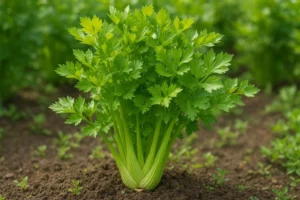
Appearance and Height: At maturity, Pravi Celer typically reaches 60-90 cm (2-3 feet) tall. The stalks are ribbed, pale to medium green, and upright. The leaves are pinnate – finely divided, like flat-leaf parsley – and a rich, glossy green. In its second year, if left to bolt, it sends up tall umbel flower heads that attract beneficial insects.
Smell and Taste: This is where Pravi Celer truly shines. The flavor is bolder and more complex than supermarket celery – earthy, slightly bitter, intensely aromatic. The leaves pack the most punch and are beloved in Balkan and Central European cooking. The seeds carry a concentrated, almost spice-like version of that same flavor.
Growing Seasons: Pravi Celer is a cool-season crop, at its best in spring and autumn. It struggles in summer heat, which can cause bolting. In mild climates, it can overwinter in the ground.
How to Grow Pravi Celer: A Complete Growing Guide
Growing Pravi Celer from seed to harvest is one of the most satisfying vegetable gardening projects you can take on. Here’s everything you need to know for a successful season.
Soil Requirements
Pravi Celer demands rich, moisture-retentive soil that drains well but never dries out completely. It’s not a forgiving plant when it comes to dry spells. Aim for a pH between 6.0 and 7.0, and work plenty of compost or aged manure into your beds before planting. Heavy clay soil should be lightened with sand and organic matter to prevent waterlogging.
Soil Quick Reference: pH 6.0-7.0 | Texture: Loamy, moisture-retentive | Amendment: Rich compost or aged manure | Drainage: Good but consistently moist
Sunlight Needs
Pravi Celer grows best in full sun to partial shade. It loves 6-8 hours of direct sunlight per day, but in hot climates, afternoon shade can actually help prevent the plant from bolting prematurely. If you’re growing in a warmer region, position your celery where it gets morning sun and some shelter in the hottest part of the day.
Watering Schedule
Consistent moisture is non-negotiable with this plant. Pravi Celer has shallow roots and wilts quickly under drought stress. Water deeply 2-3 times per week, more often during dry or warm spells. Mulching around the base of plants helps enormously – it locks in moisture, regulates soil temperature, and suppresses weeds in one go.
Pro Tip: Stick your finger 2 inches into the soil near the base of your celery. If it feels dry at that depth, it’s time to water. Don’t wait for the leaves to droop – by then, stress has already set in.
Temperature and Climate
Pravi Celer is a cool-weather champion. It germinates best between 15-21°C (60-70°F) and grows most vigorously when daytime temperatures stay below 25°C (77°F). It can handle light frosts, which actually sweeten the flavor of the stalks. Avoid planting out during peak summer heat – that’s a recipe for bolting.
Container vs. Garden Growing
In the garden: Space plants 20-25 cm (8-10 inches) apart in rows 45 cm (18 inches) apart. This gives good airflow and room for the root system.
In containers: Yes, Pravi Celer can be grown in pots – but choose a deep container (at least 30 cm / 12 inches deep) and water more frequently than you would in-ground plants. A container that dries out quickly is a celery’s worst enemy.
If you enjoy growing unique plants, you might also love our guide on Mesquite Trees for your outdoor space – another plant that rewards commitment with real character.
Pravi Celer Care Tips
Once your celery is established, the real gardening begins. These Pravi Celer care tips will keep your plants healthy from seedling to harvest.
Fertilizing Guide
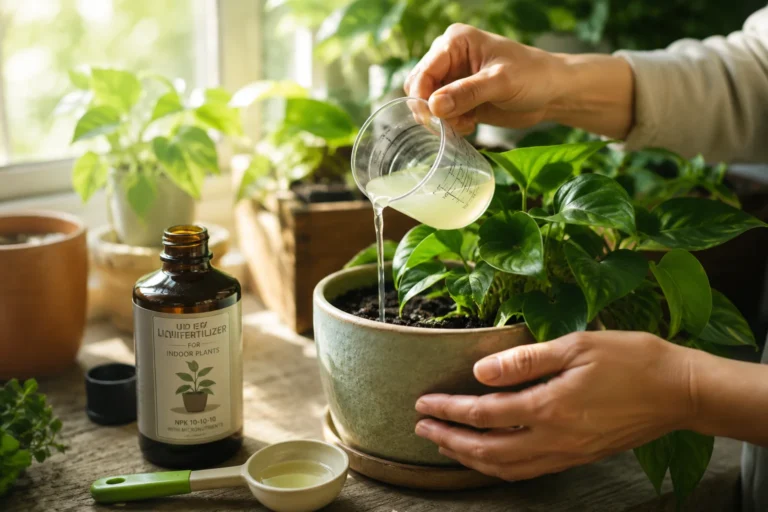
Celery is a heavy feeder. Start with a well-amended soil, then supplement with a balanced liquid fertilizer every 2-3 weeks through the growing season. Nitrogen matters most early on (for leafy growth), while potassium becomes more important as the stalks develop. Avoid over-fertilizing with nitrogen late in the season – it can produce lush leaves at the expense of firm stalks.
Pruning and Harvesting
You can begin harvesting outer stalks once the plant reaches 30 cm (12 inches) tall. Simply snap or cut them away at the base, leaving the inner stalks to continue growing. The leaves can be harvested freely throughout the season – they’re the most aromatic part of the plant and excellent in soups and stocks. For a full head harvest, cut the entire plant at soil level.
Common Pests and Diseases
- Aphids: Check the undersides of leaves regularly. A strong jet of water or neem oil spray handles most infestations.
- Celery leaf miner: The larvae tunnel inside leaves. Remove affected leaves promptly and use row covers as prevention.
- Early blight (Cercospora): Shows as small yellow-brown spots on leaves. Good airflow and avoiding overhead watering reduces risk significantly.
- Fusarium wilt: Causes yellowing and wilting. Rotate your celery beds every 2-3 years to prevent buildup in soil.
Common Growing Mistakes
- Starting seeds too late – give yourself at least 10-12 weeks before the last frost date
- Allowing the soil to dry out even once (recovery is slow and flavor suffers)
- Skipping mulch (it makes a dramatic difference in moisture retention)
- Planting in heavy shade – celery needs real light to build strong, flavorful stalks
- Harvesting the whole plant too early – patience pays off with better flavor
Pravi Celer Uses and Benefits
This is a plant that earns its garden space multiple times over. Every part of the Pravi Celer plant has a use, and its health credentials are genuinely impressive.
Culinary Uses: In Balkan and Central European cooking, Pravi Celer is a kitchen staple. The stalks go into soups, stews, and broths. The leaves flavor stocks and are used as a fresh herb. The seeds are used as a spice – a pinch in bread, cheese spreads, or pickles adds unmistakable depth. The root variety (celeriac) is roasted, pureed, or eaten raw in salads.
Health Benefits: Celery is impressively nutrient-dense for its calorie count. It’s rich in vitamin K (important for bone health and blood clotting), vitamin C, folate, and potassium. It’s also an excellent source of dietary fiber, supporting digestive health. The high water content makes it naturally hydrating.
Medicinal Properties: Traditional herbal medicine across Europe has long valued celery for its diuretic properties, its role in reducing blood pressure, and its anti-inflammatory compounds (including apigenin and luteolin). While modern science is still exploring these effects, there’s good reason this plant has been used medicinally for over 3,000 years.
Pravi Celer vs. Regular Celery: Key Differences
You might wonder whether the Pravi Celer you grow at home is really all that different from what you grab at the supermarket. Here’s a direct comparison:
| Feature | Pravi Celer (True Celery) | Regular Store Celery |
|---|---|---|
| Botanical name | Apium graveolens | Apium graveolens var. dulce |
| Flavor | Bold, aromatic, complex | Mild, slightly watery |
| Stalk thickness | Medium, firm | Thick, pale, bred for bulk |
| Leaf use | Yes – strong herbal flavor | Often discarded (bland) |
| Seed use | Culinary spice | Rarely used |
| Growing difficulty | Moderate | Moderate |
| Climate preference | Cool season | Cool season |
| Nutritional density | Higher (less water breeding) | Good but diluted by cultivar |
Frequently Asked Questions
Expect around 100-120 days from seed to full harvest. Starting seeds indoors 10-12 weeks before transplanting gives you a head start and the best chance at a complete crop before summer heat sets in.
Absolutely. Use a deep pot (at least 30 cm / 12 inches), keep it well-watered, and give it a spot with good morning sunlight. Container-grown celery dries out faster than in-ground plants, so daily watering checks are essential in warmer months.
Hollow stalks are usually caused by inconsistent watering or overly hot temperatures. Stringiness can result from letting the plant grow too long without harvesting. Both issues are mostly preventable with steady moisture and timely harvesting.
They share the same species – Apium graveolens – but celeriac is a different variety (var. rapaceum) bred for its large, edible root. Pravi Celer in its classic form is grown primarily for its stalks and leaves, though some traditional varieties also produce a usable root.
Start seeds indoors in late winter or early spring, 10-12 weeks before your last frost date. Transplant outdoors when temperatures are consistently above 10°C (50°F). A second planting in midsummer for an autumn harvest works beautifully in most temperate climates.
Ready to Grow Your Own Pravi Celer?
Growing Pravi Celer is one of those gardening projects that quietly transforms how you cook. Once you’ve used homegrown celery leaves in a winter soup or discovered the depth that true celery seeds add to a dish, store-bought just doesn’t cut it anymore.
Yes, it asks for attention – consistent moisture, good soil, the right timing. But it gives back generously: abundant leaves through the season, crisp stalks for the kitchen, and the satisfaction of growing something genuinely useful and flavorful. The Pravi Celer growing guide principles in this article will set you up well, whether you’re growing in a raised bed, a kitchen garden, or a container on a sunny balcony.
Start with good compost, keep the soil moist, and give it time. That’s really the heart of it. Pravi Celer doesn’t ask for perfection – just consistency and care. And in return, it’ll become one of those plants you grow every single year without question.
Explore more in-depth plant growing guides on our site – from herbs and vegetables to ornamental trees and garden perennials.