Close your eyes for a second. Imagine stepping outside on a warm summer evening and being stopped dead in your tracks by a scent so sweet, so impossibly perfect, that you forget what you were doing. That’s what jasmine flowers do to people. They don’t just grow in a garden they take over your senses, your memory, and honestly, your whole heart.
I remember the first time I encountered a climbing jasmine on a neighbour’s fence as a child. The white star-shaped blooms were almost too small to notice, but that fragrance? Unforgettable. Years later, I’ve grown half a dozen varieties in pots, borders, and trellises and that childlike wonder has never worn off.
If you love fragrant flowers and have ever wondered how to grow jasmine successfully, what the different types look like, or what jasmine actually means culturally, you’re in exactly the right place. This guide covers everything from the soil under your fingernails to the poetry in the petals. Let’s dig in.
What Are Jasmine Flowers?
Jasmine flowers belong to the genus Jasminum, a group of around 200 species in the olive family (Oleaceae). They’re native to tropical and warm temperate regions across Asia, Australasia, and parts of Africa though today you’ll find them happily growing in gardens all over the world.
What sets jasmine apart from most flowering plants is that rare combination: breathtaking fragrance paired with surprisingly delicate-looking blooms. The flowers are typically small, star-shaped, and most commonly white or pale yellow though pink varieties exist too. Many species are climbing vines, but some grow as shrubs.
One thing gardeners often miss is that not every plant sold as “jasmine” is a true Jasminum species. Star jasmine (Trachelospermum jasminoides), for example, is a different genus entirely but its scent and appearance are so similar that the name has stuck. Worth knowing before you buy.
💡 In my experience, the confusion around jasmine naming trips up even experienced gardeners. Always check the Latin name when buying for fragrance Jasminum officinale and Jasminum sambac are your best bets for that classic scent.
Popular Types of Jasmine Flowers
With over 200 species in the family, choosing the right jasmine can feel overwhelming. Here are the varieties I’ve grown or observed most often and the ones most gardeners actually want.
🤍 Common White Jasmine (Jasminum officinale)
This is the classic. If you’ve ever smelled a jasmine perfume, this is likely what inspired it. Common white jasmine is a vigorous climber that can reach up to 10 metres, and it produces clusters of pure white, intensely fragrant flowers from June right through to September.
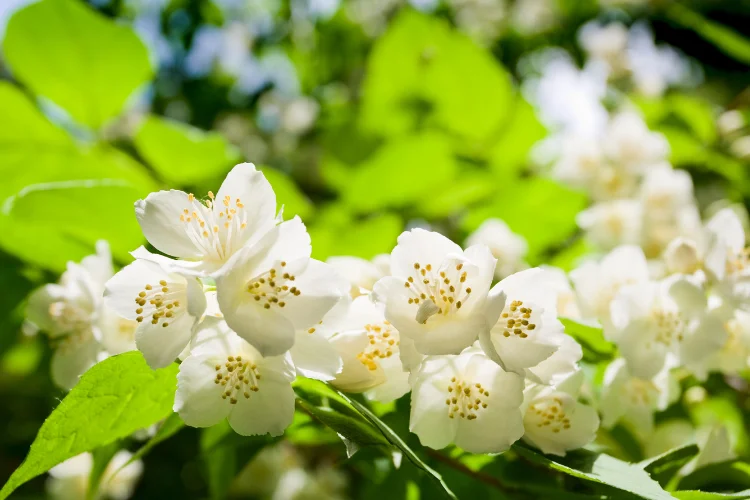
It’s surprisingly hardy for a plant that looks so delicate tolerating temperatures down to around -15°C once established. Great for a sunny wall, pergola, or large trellis. Similar to ranunculus flowers, jasmine adds instant elegance to any garden with its soft, romantic blooms.
🌙 Night Blooming Jasmine (Cestrum nocturnum)
Here’s where things get magical. Night blooming jasmine releases its fragrance almost exclusively after dark a clever evolutionary trick to attract moth pollinators. The small, tubular, greenish-white flowers are nothing much to look at by day, but come nightfall, the scent is nothing short of extraordinary.
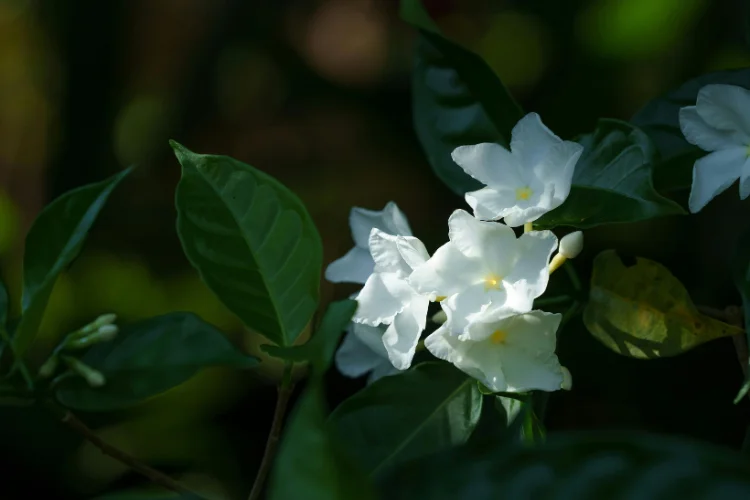
It’s technically not a true Jasminum, but gardeners love it for evening patios and bedroom windows. Just note: in cooler climates, it needs to overwinter indoors. If you love night blooming varieties, check out our detailed guide on Night Blooming Jasmine for everything you need to grow it successfully.
⭐ Star Jasmine (Trachelospermum jasminoides)
Star jasmine is one of the most popular choices for garden fences and walls and for good reason. It’s evergreen, reliably fragrant, tolerant of partial shade, and produces an absolutely stunning display of white pinwheel-shaped flowers in late spring and early summer.
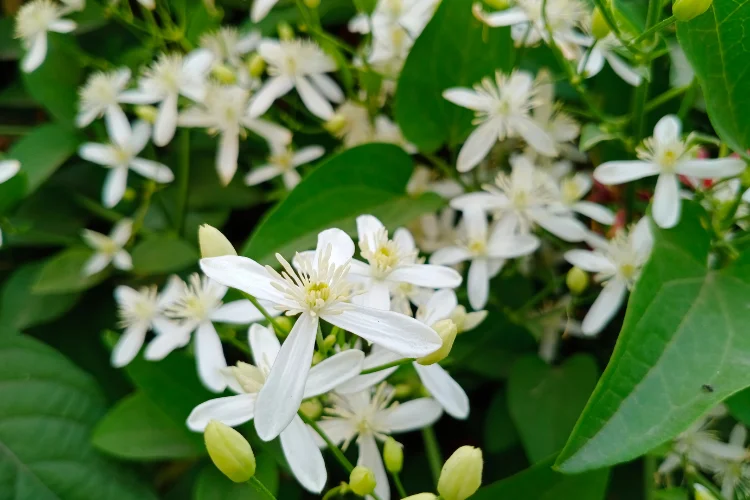
Just like the stunning Magnolia flowers, jasmine transforms any outdoor space with a sense of established, graceful beauty. Star jasmine is especially good if you want year-round foliage with seasonal fragrance.
🕌 Arabian Jasmine (Jasminum sambac)
This is the species behind jasmine tea, and it’s the national flower of both the Philippines and Indonesia. Arabian jasmine has rounder, more rose-like blooms than the typical star shape, and the fragrance is richer and headier almost intoxicating.
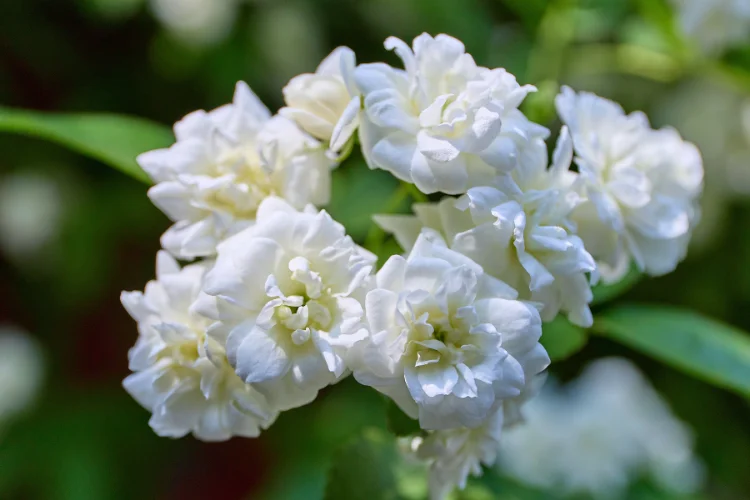
It’s a tropical plant that needs warmth and humidity, making it one of the best options for growing as a jasmine plant indoors in cooler climates. Keep it near a sunny south-facing window and it will reward you generously. Jasmine is often gifted in summer discover July birth flowers for more gifting inspiration.
🌸 Pink Jasmine (Jasminum polyanthum)
If you’ve seen jasmine sold in florist shops or garden centres in late winter, this is almost certainly the one. Pink jasmine buds are a gorgeous deep rose-pink before they open into white flowers the contrast is beautiful and makes it one of the most visually striking varieties.
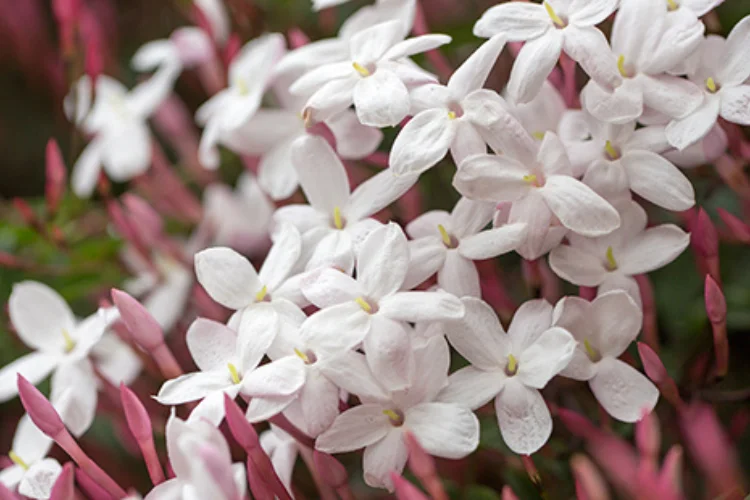
Available in shades from pure white to soft pink explore our guide to orange flowers for more colour inspiration to pair with your jasmine garden. Pink jasmine is a fast grower, but it’s not as cold-hardy as J. officinale, so it often does best as a conservatory or indoor plant in cooler climates.
Jasmine Flower Meaning & Symbolism
Few flowers carry as much cultural weight as jasmine. Across civilisations and centuries, jasmine flowers have symbolised some of the most profound human experiences love, purity, hope, and spiritual connection.
- In South and Southeast Asia, jasmine is deeply sacred. It’s woven into wedding garlands, offered at temples, and used in rituals across Hinduism and Buddhism. The connection to purity and divine love is ancient and deeply felt.
- In China, jasmine symbolises feminine sweetness and the enduring beauty of simplicity. Jasmine tea made by scenting green tea with jasmine flowers is one of China’s most beloved traditions.
- In the Victorian language of flowers, jasmine meant amiability and grace. A jasmine bouquet sent a warm, affectionate message without overstepping into romantic declaration.
- White jasmine flowers specifically carry connotations of purity, innocence, and new beginnings which is why they’re so commonly used in weddings across many cultures.
- In the Middle East, jasmine is associated with poetry, romance, and the divine. Its fragrance is considered a bridge between the earthly and the spiritual.
“Jasmine doesn’t just grow in a garden it grows in the memory. No one ever forgets the first time they truly stop to smell the jasmine.”
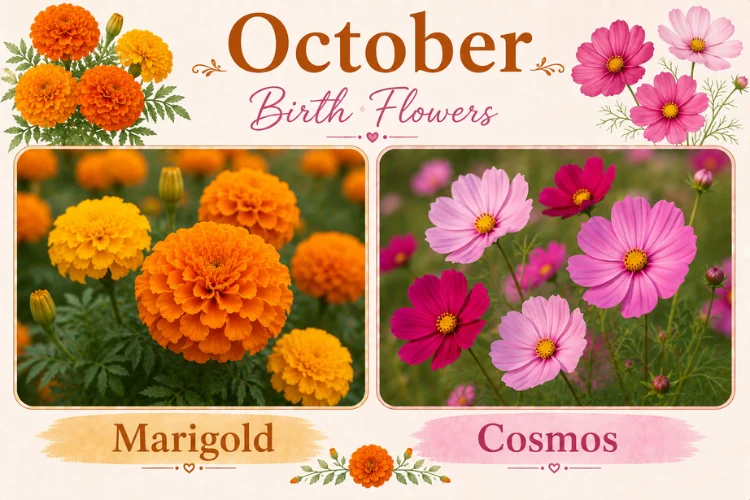
As a birth flower, jasmine is often associated with October and with the zodiac signs of Cancer and Capricorn though different traditions vary. Whatever the calendar says, it makes an incredibly meaningful gift for anyone who loves nature and fragrance.
How to Grow Jasmine Flowers
Learning how to grow jasmine is more about getting the basics right than following complex instructions. Jasmine is forgiving once established but it does have a few non-negotiables.
☀️ Sunlight Requirements
Most jasmine varieties want full sun to partial shade meaning at least 4 to 6 hours of direct sunlight per day. In hotter climates, a little afternoon shade actually helps prevent the flowers from scorching. In cooler climates, the sunniest spot you have is where jasmine belongs.
In my experience, the biggest reason jasmine doesn’t flower well is lack of light. If your plant is lush and green but refusing to bloom, move it somewhere sunnier before trying anything else.
💧 Watering Tips
Jasmine likes consistent moisture but hates waterlogged roots. The rule I follow: water deeply, then let the top inch of soil dry out before watering again. In summer, this might mean watering every 2–3 days. In winter, dramatically cut back once a week or less.
Overwatering is actually the number one jasmine killer in home gardens. Yellow leaves are almost always a sign of too much water, not too little.
🪴 Soil & Fertiliser
Jasmine thrives in well-draining, slightly acidic soil with a pH between 6.0 and 7.0. Mix in plenty of organic matter well-rotted compost or leaf mould to improve both drainage and nutrient content.
For fertilising, use a balanced, slow-release fertiliser in spring as new growth begins. Then switch to a low-nitrogen, high-potassium feed (like a tomato fertiliser) in summer to encourage flowering rather than leafy growth. One thing gardeners often miss: nitrogen-heavy feeds make for a beautiful green plant with barely any flowers.
✂️ Pruning Guide
Pruning jasmine properly is what keeps it compact, floriferous, and manageable. The general rules:
- Prune Jasminum officinale and summer-flowering types immediately after flowering this gives new growth time to mature and set next year’s buds.
- Prune winter jasmine (J. nudiflorum) in early spring, just after the yellow flowers fade.
- Remove dead, damaged, or crossing stems first, then shorten remaining stems by about a third.
- Don’t be afraid to hard-prune an overgrown plant jasmine is incredibly resilient and will bounce back vigorously.
Jasmine Flowers Indoors vs Outdoors
One of the most common questions I get is: can I grow jasmine indoors? The honest answer is yes but with some important caveats.
Outdoors, jasmine is at its happiest. It has room to climb, access to natural humidity, good air circulation, and all the sunlight it needs. Hardy varieties like J. officinale can even survive frost. If you have a garden wall, pergola, or fence, outdoor jasmine is almost always the better choice.
Indoors, a jasmine plant indoors is absolutely possible particularly with Arabian jasmine (J. sambac) and Pink jasmine (J. polyanthum). Here’s what you need to make it work:
- The brightest window you have south-facing is ideal
- High humidity mist the leaves regularly or use a pebble tray with water
- Cool nights jasmine actually blooms better with a drop in night-time temperature (around 15–18°C)
- Good air circulation don’t tuck it into a stuffy corner
- Support a small trellis or wire frame in the pot keeps climbing varieties manageable
🌟 Pro tip: Move your indoor jasmine outdoors for summer if you can even a few months on a sheltered balcony or patio makes a dramatic difference to next year’s flowering. Think of it as a holiday for your plant.
Jasmine Flower Benefits
Beyond the obvious pleasure of having gorgeous, fragrant flowers in your life, jasmine flowers carry a surprising range of benefits from the practical to the deeply wellness-oriented.
- Aromatherapy and stress relief: Jasmine’s scent has been studied for its calming effects. Research suggests it may help reduce anxiety, improve mood, and even support better sleep quality which is why jasmine is one of the most popular scents in aromatherapy.
- Jasmine tea: The dried flowers of J. sambac are used to scent green tea, creating one of the world’s most beloved herbal drinks. Jasmine tea is rich in antioxidants and may support heart health and metabolic function.
- Skincare: Jasmine essential oil is a common ingredient in high-end skincare products, used for its moisturising, anti-inflammatory, and brightening properties.
- Wildlife value: Jasmine flowers are excellent sources of nectar for pollinators bees, butterflies, and moths all benefit from a jasmine-filled garden.
- Air purification: Like many plants, jasmine helps filter indoor air and can contribute to a healthier home environment. While jasmine helps filter indoor air, maintaining a hypoallergenic space is key. Using a natural dust mite spray on nearby soft furnishings can help ensure your indoor garden remains a healthy sanctuary for everyone.
- Emotional and cultural significance: Growing and tending jasmine connects you to centuries of human tradition from temple offerings to wedding ceremonies. There’s something quietly meaningful in that continuity.
Common Jasmine Growing Mistakes
I’ve made most of these mistakes myself at some point so consider this the shortcut I wish I’d had.
- Overwatering: The single most common mistake. Jasmine roots hate sitting in wet soil. Always check before you water stick your finger an inch into the soil. If it’s still moist, wait.
- Not enough sun: A shady spot might keep jasmine alive, but it won’t make it bloom. More sun almost always means more flowers.
- Feeding with too much nitrogen: This feeds the leaves at the expense of the flowers. Switch to a high-potassium fertiliser in the growing season.
- Pruning at the wrong time: Pruning summer jasmine in spring means cutting off the buds that are forming. Know your variety and prune after it flowers.
- Ignoring pests: Jasmine can attract spider mites, aphids, and whitefly especially indoors. Check the undersides of leaves regularly and act quickly at the first sign of infestation.
- Planting in the wrong spot permanently: Jasmine doesn’t love being transplanted once established. Think carefully about the final location before planting, especially climbing varieties.
Jasmine Flowers for Home Décor
Whether you’re growing it in the garden or keeping a potted plant on the windowsill, jasmine flowers have a unique ability to make a space feel both alive and deeply romantic.
For outdoor spaces: Train climbing jasmine over an arch or pergola for a garden feature that’s genuinely breathtaking in full bloom. A jasmine-covered wall brings instant cottage-garden charm that takes years of other planting to achieve. The scent drifting across a summer garden in the evenings is, frankly, one of life’s great pleasures.
For interior spaces: A potted jasmine on a bright windowsill not only looks beautiful but genuinely scents the room. Place it near where you sit to read or relax in the mornings, and the gentle fragrance becomes part of your daily ritual.
Cut flowers: Jasmine stems make gorgeous additions to floral arrangements particularly white jasmine flowers, which pair beautifully with garden roses, peonies, and trailing greenery. They don’t last as long as some cut flowers, but while they’re fresh, they’re extraordinary.
Dried jasmine: Dried jasmine flowers hold their scent surprisingly well and can be used in homemade potpourri, muslin sachets for drawers and wardrobes, or pressed into cards and paper craft projects.
Frequently Ask Questions
Most jasmine varieties bloom for 4 to 8 weeks during their main flowering season. Common white jasmine (J. officinale) is one of the most generous, flowering from June to September in the UK. With multiple varieties in your garden, you can have jasmine fragrance from early spring through to late autumn.
True jasmine (Jasminum species) is generally considered non-toxic to cats and dogs by the ASPCA. However, false jasmine (Gelsemium sempervirens) and night blooming jasmine (Cestrum nocturnum) can be toxic. Always check the Latin name and consult your vet if you’re concerned.
The most common reasons are: insufficient sunlight, too much nitrogen fertiliser, pruning at the wrong time, or the plant being too young (some varieties take 2–3 years to establish before flowering prolifically). Check all four before worrying one of them is almost certainly the culprit.
Yes and it’s one of the most rewarding ways to propagate your plant. Take semi-ripe cuttings of around 10–15cm in summer, remove the lower leaves, dip in rooting hormone, and plant in a mix of perlite and compost. Keep moist and warm. Most cuttings will root within 4–6 weeks.
If fragrance is your top priority, Jasminum officinale (Common White Jasmine) and Jasminum sambac (Arabian Jasmine) are widely regarded as the most intensely scented varieties. J. polyanthum (Pink Jasmine) is also beautifully fragrant and widely available. Night blooming jasmine produces arguably the most powerful night-time fragrance of any plant you can grow.
Your Jasmine Journey Starts Now
There’s something deeply hopeful about planting a jasmine. You’re making a promise to your future self of summer evenings, of fragrance drifting through an open window, of the quiet satisfaction that comes from nurturing something beautiful.
Jasmine flowers reward patience, a sunny spot, and a little bit of understanding. They’ve been growing in human gardens for thousands of years, and there’s a reason they never go out of fashion. They speak a language that needs no translation one of warmth, beauty, and the very best of what a garden can offer.
Whether you’re just starting with your first pot of pink jasmine on a windowsill, or planning a full jasmine-covered pergola for your garden, I hope this guide gives you the confidence and knowledge to make it thrive. Start small, be patient, and trust the process.
Now get your hands in the soil. Your jasmine is waiting. 🌿
Explore more plant guides at plantstylehome.com